Infrastructure Leaks

Galerie 35M2 Presents Bleed Through in Prague
Galerie 35M2 presents Bleed Through, curated by Zuzana-Markéta Macková, through 8 August 2026.
What gets held back eventually resurfaces. Not as a message, not as an explanation, but as a stain, a residue, something that disrupts the surface without announcing itself.
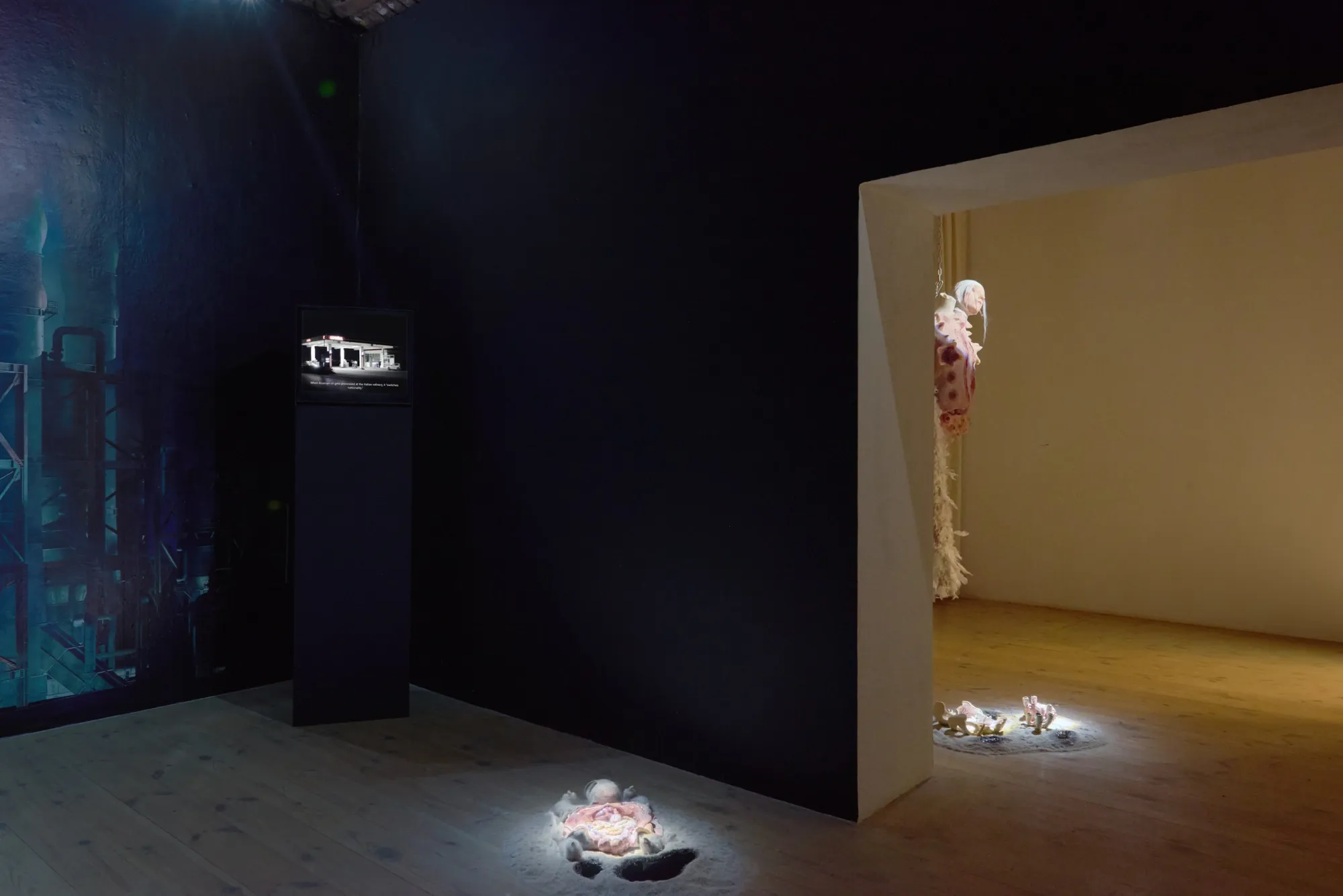
The premise of Bleed Through is structural rather than metaphorical: systems designed to contain violence, whether industrial, political, or bodily, are porous by nature. They absorb until they cannot. Then they leak.
Anna Engelhardt, Tina Bxtq
Bleed Through
Galerie 35M2
Prague, Czech Republic
–
Víta Nejedlého 23, Prague 3
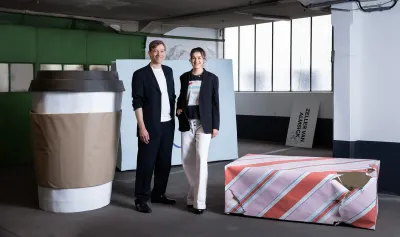
Zuzana-Markéta Macková
František Svatoš
Courtesy Galerie 35M2
Stanislav Kubáň
The title carries both meanings deliberately. To bleed through is to seep past a barrier. It is also to endure a passage, uncomfortable, involuntary, something that happens to a body rather than through its will.
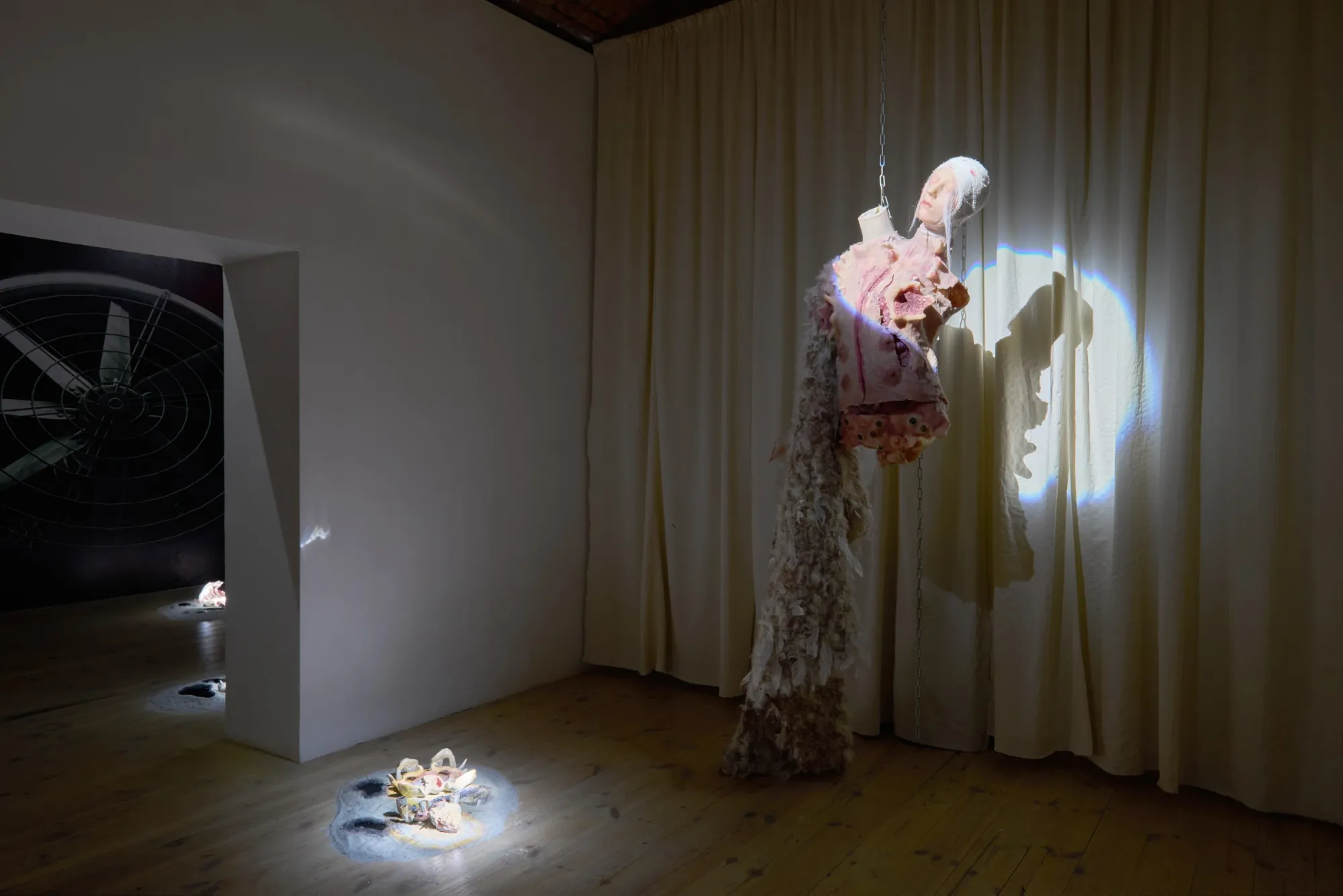
The two artists working here, Anna Engelhardt and Tina Bxtq, approach this from different scales: one at the level of geopolitical infrastructure, the other at the level of skin and clay.
Systems do not fail when they collapse. They fail when what they were meant to hide becomes visible through them. Bleed Through situates that moment not as crisis but as consequence, the ordinary cost of containment.
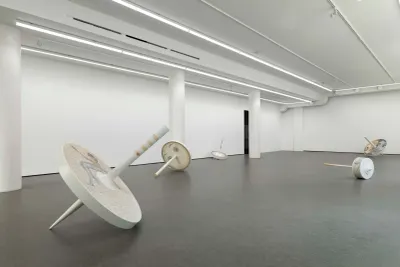
Galerie 35M2 occupies a compact space in Prague 3, and this matters for an exhibition built around the logic of overflow.
There is nowhere to stand at a comfortable distance from the work. The room does not allow detachment, which feels like a curatorial choice rather than a limitation.
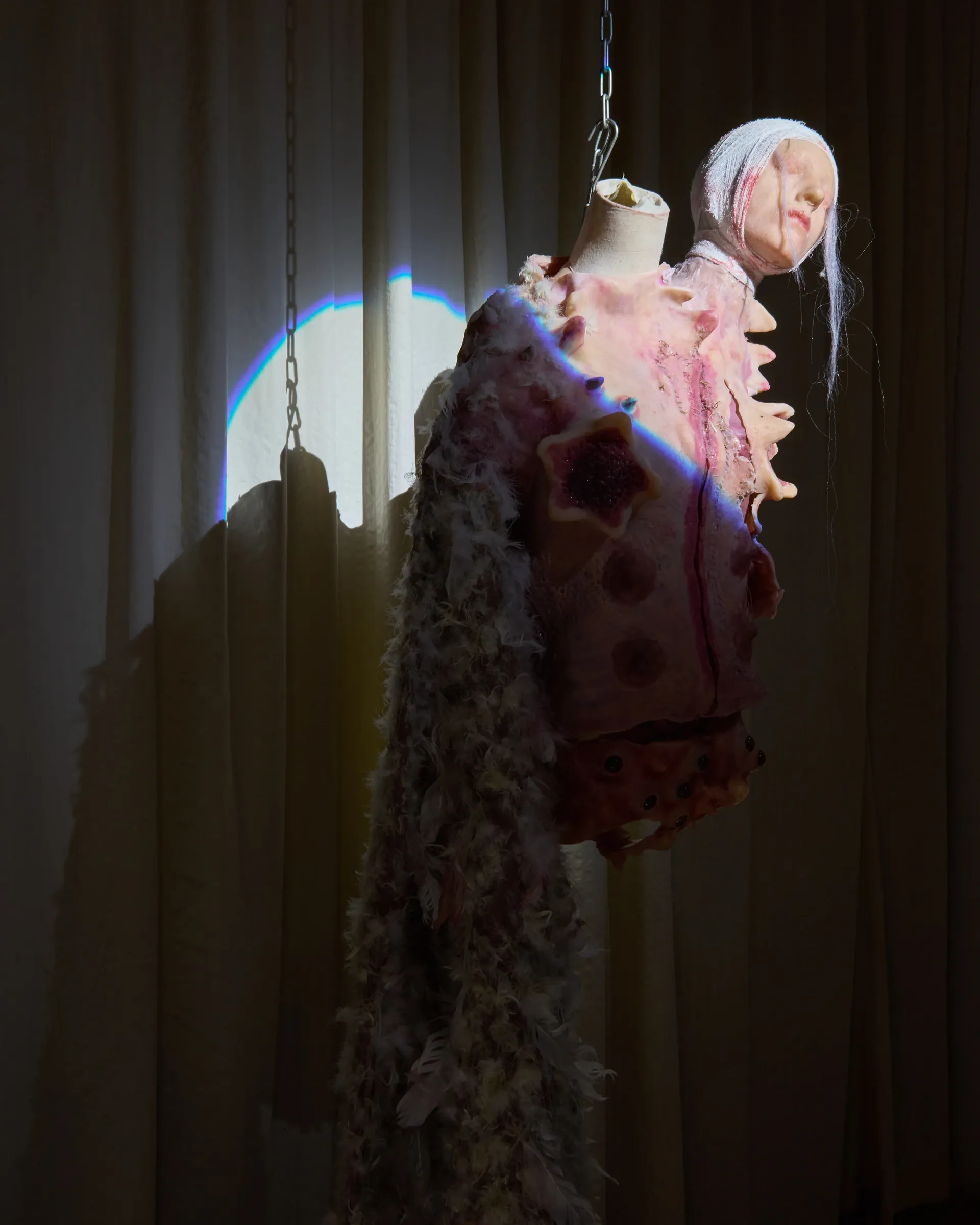
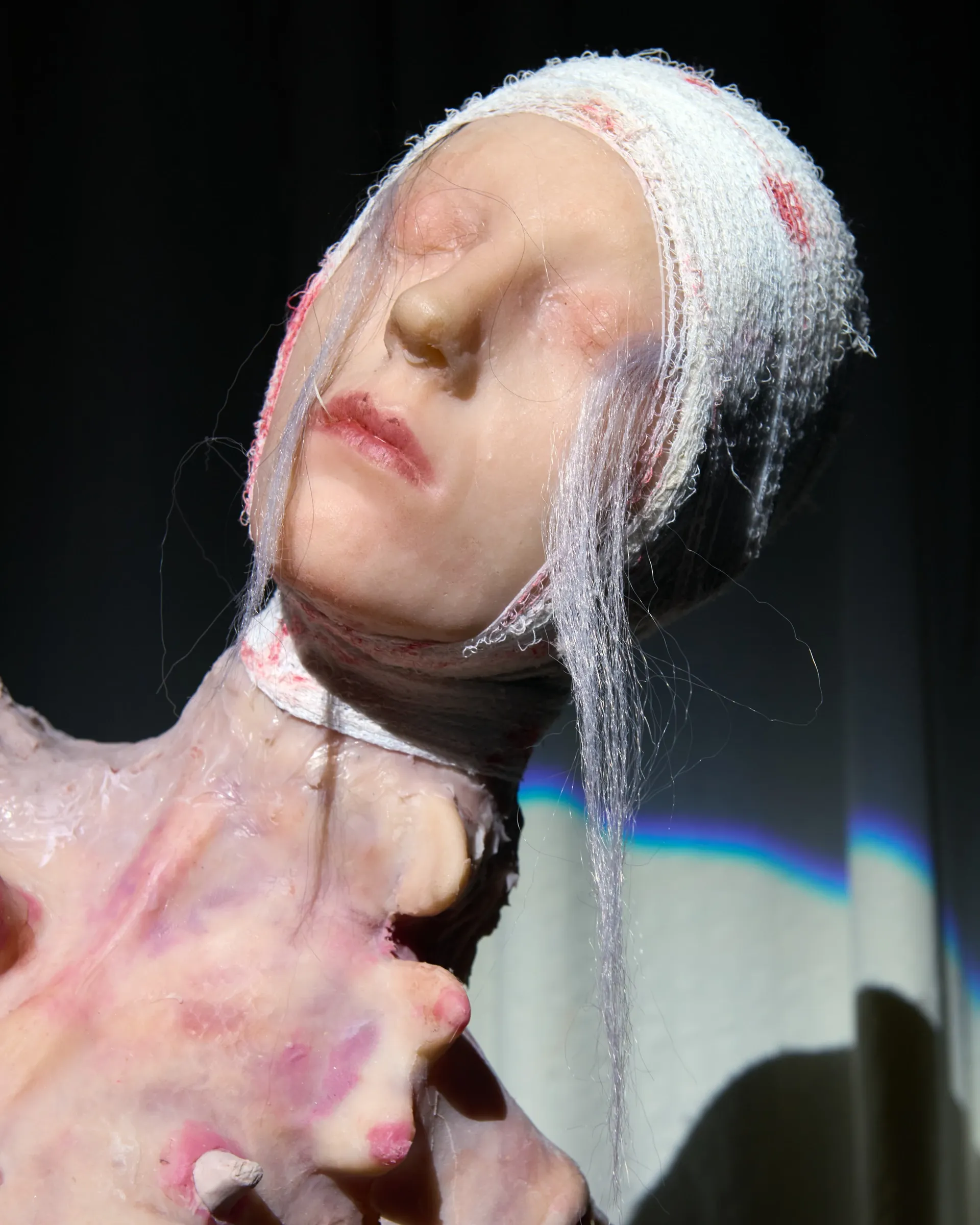
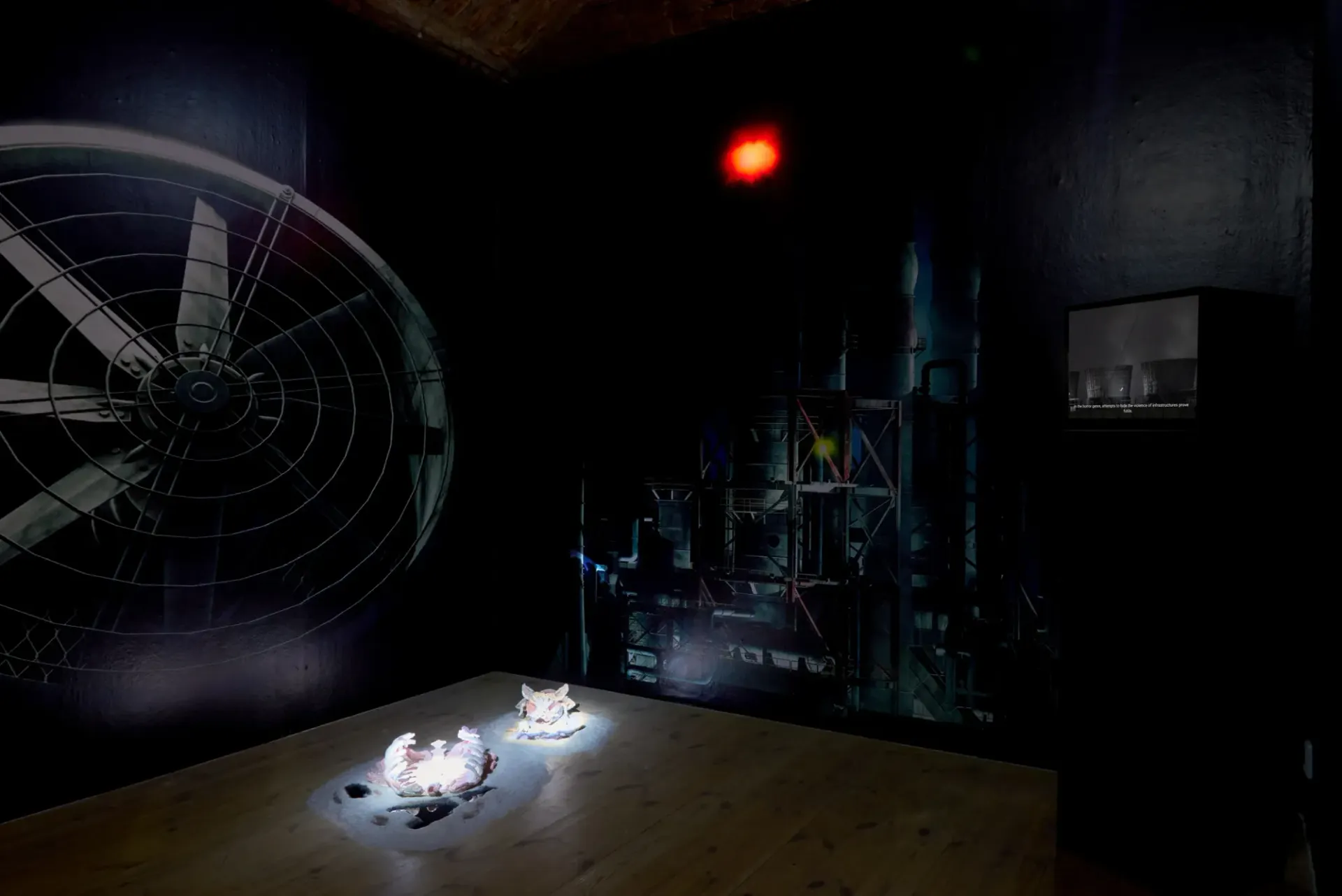
Anna Engelhardt's video installation Towards Dissolution was developed during a residency at Fondazione Studio Rizoma in Sicily. The work takes place inside a Sicilian oil refinery where Russian oil, exported under the cover of Italian processing, re-enters the European market. Engelhardt moves through the site herself, past fumes, tanks, processing chambers, and the camera holds that bodily exposure without aestheticizing it.
The refinery's purpose is transformation: crude material enters one end, legible commodity exits the other. What the work reveals is the gap in that logic. The refinement is never complete. Residues cling. Surfaces absorb what passes through them. The violence of extraction, already layered through geopolitical laundering, does not disappear at the processing stage, it changes form.
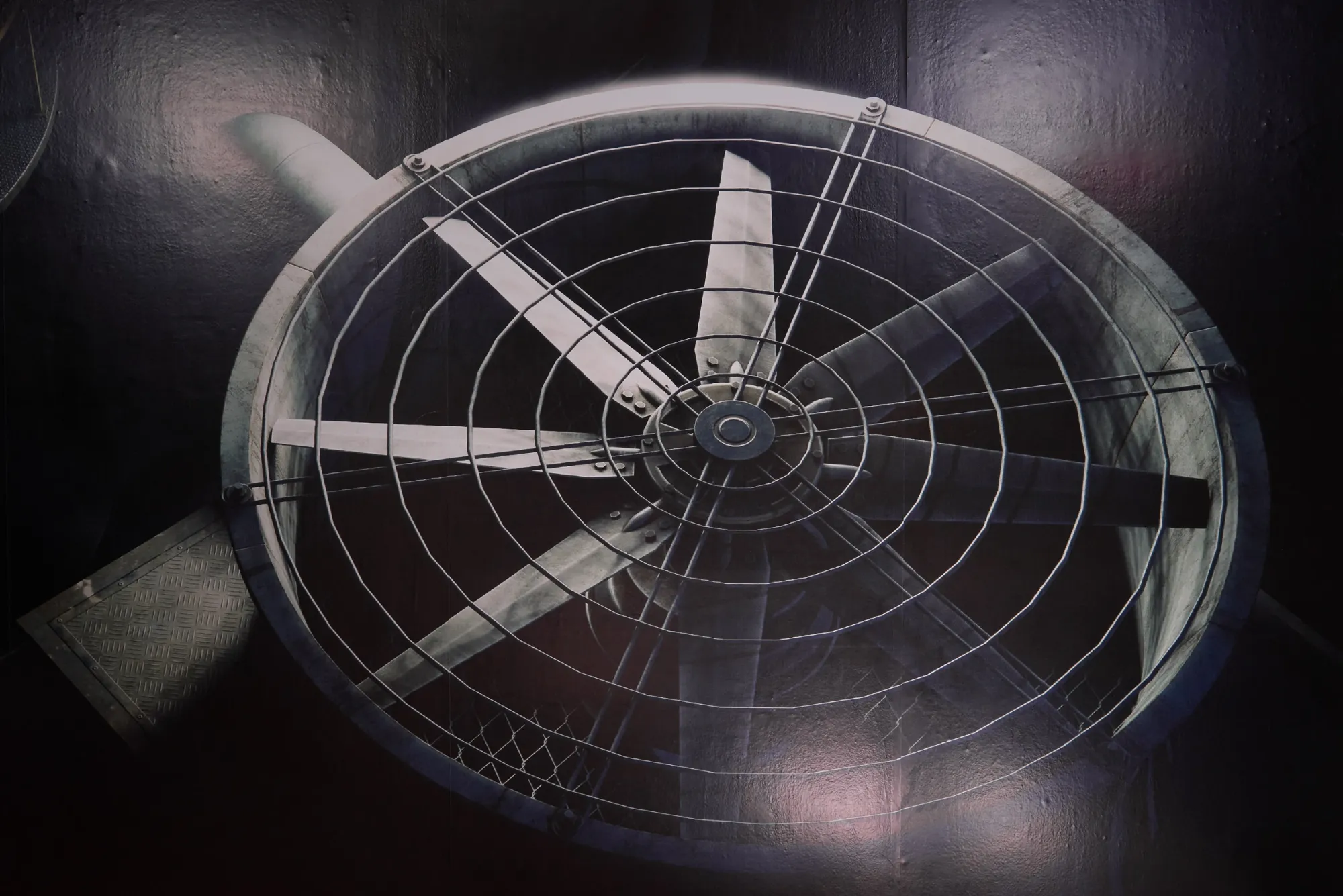
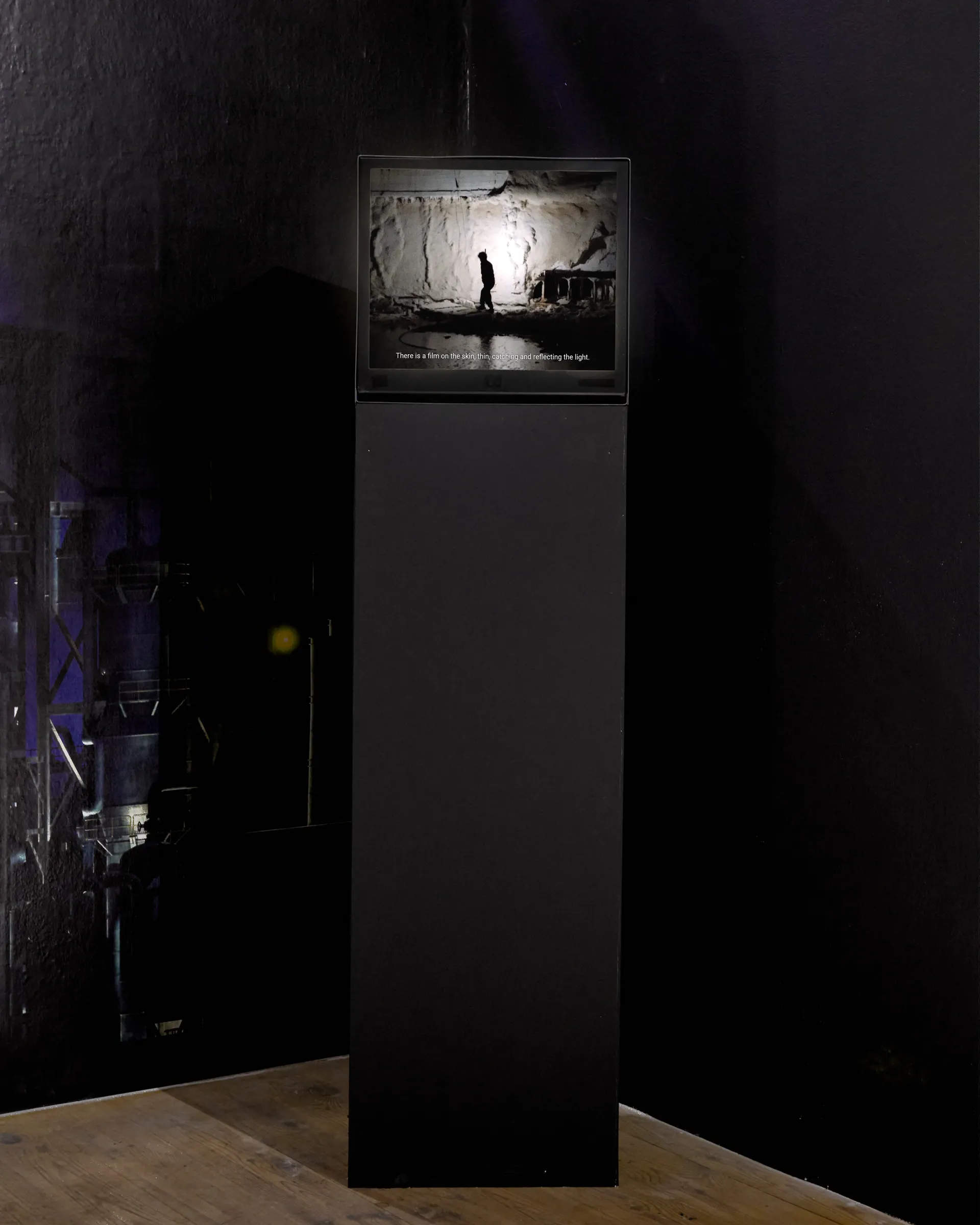
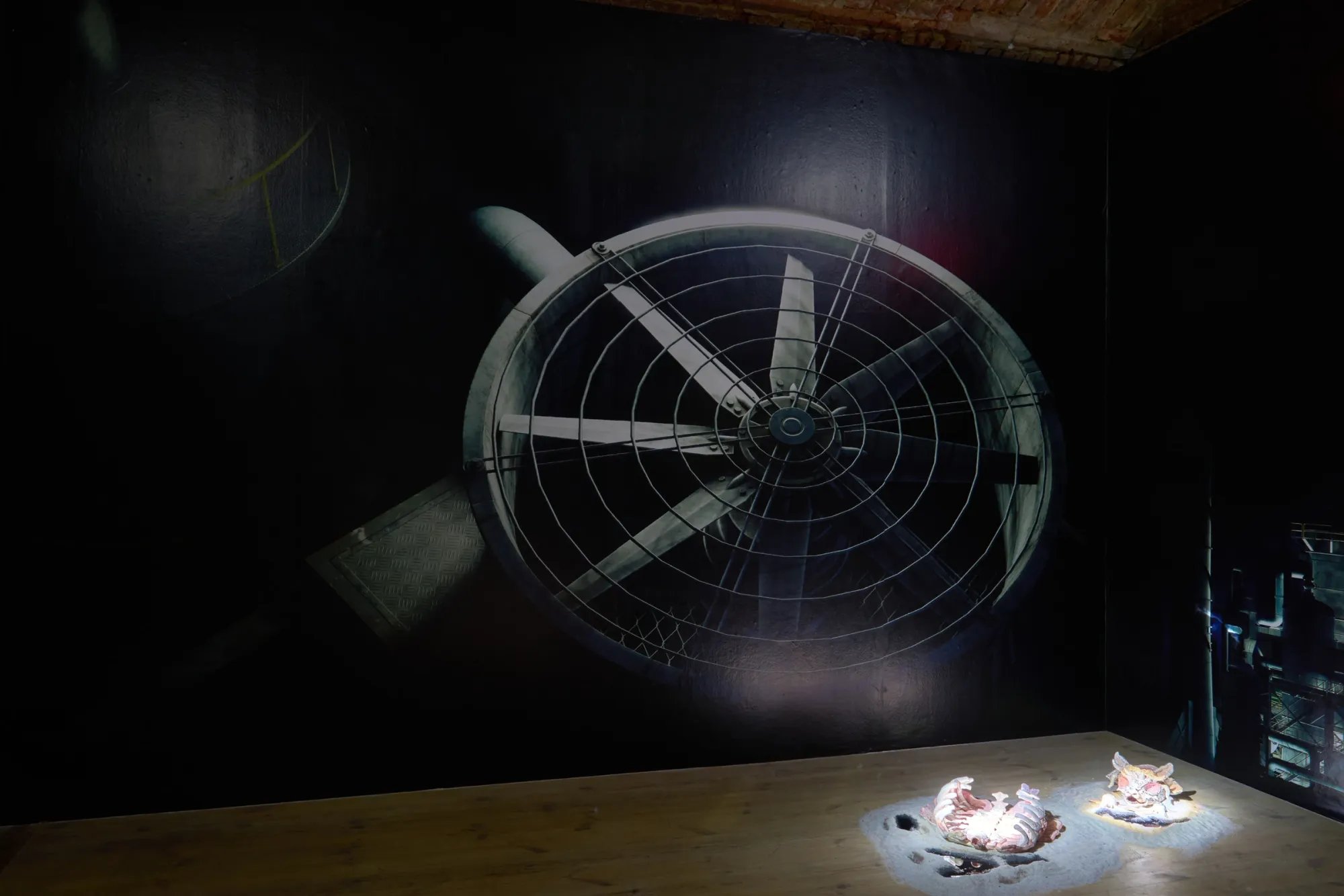
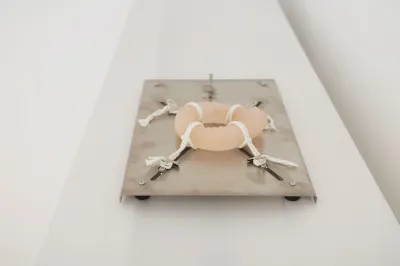
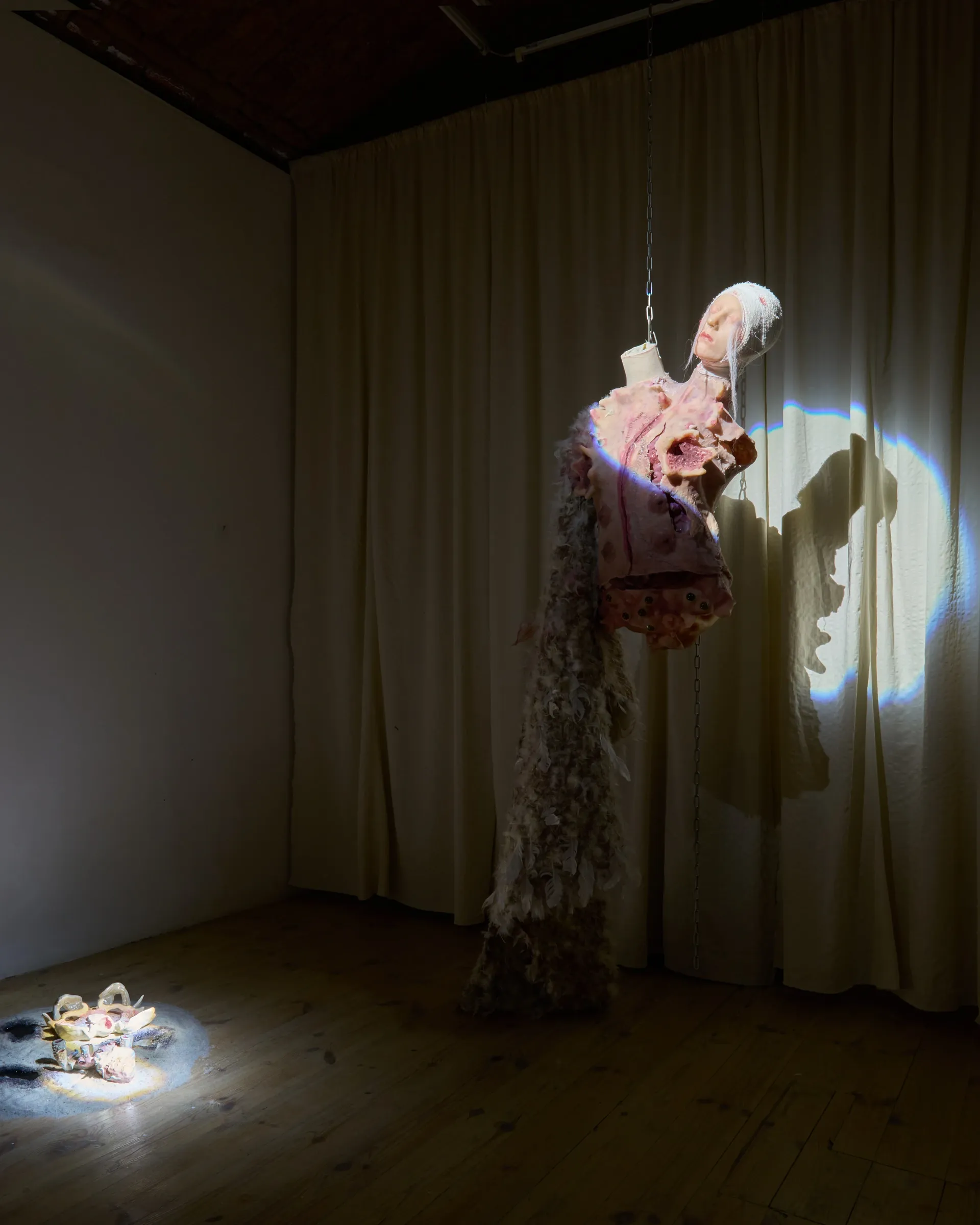
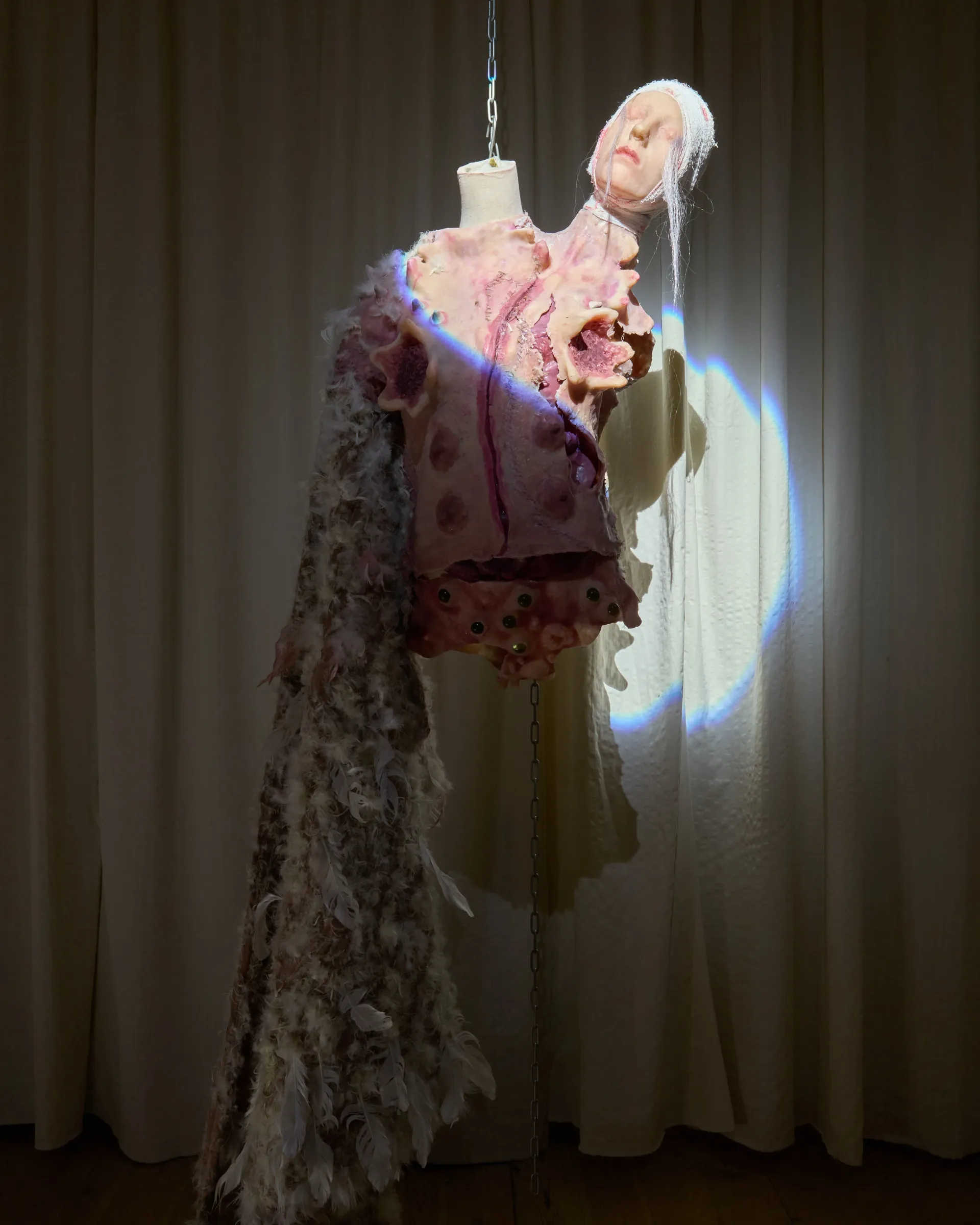
Tina Bxtq works closer to the body, though the logic runs parallel. Her ceramic objects present hybrid organisms, small, rounded, recognizably cute, and wrong in a way that takes a moment to locate. Disfigured is accurate but reductive, the distortion is not damage so much as structural instability, a body that cannot decide where it ends.
Alongside these objects is a costume from the performance Postangelic, a word that carries its own residue, the suggestion of something that came after a transformation and is now living in the aftermath. The aesthetic of cuteness, here, functions as surface tension. It holds the form together just long enough for the discomfort to register.
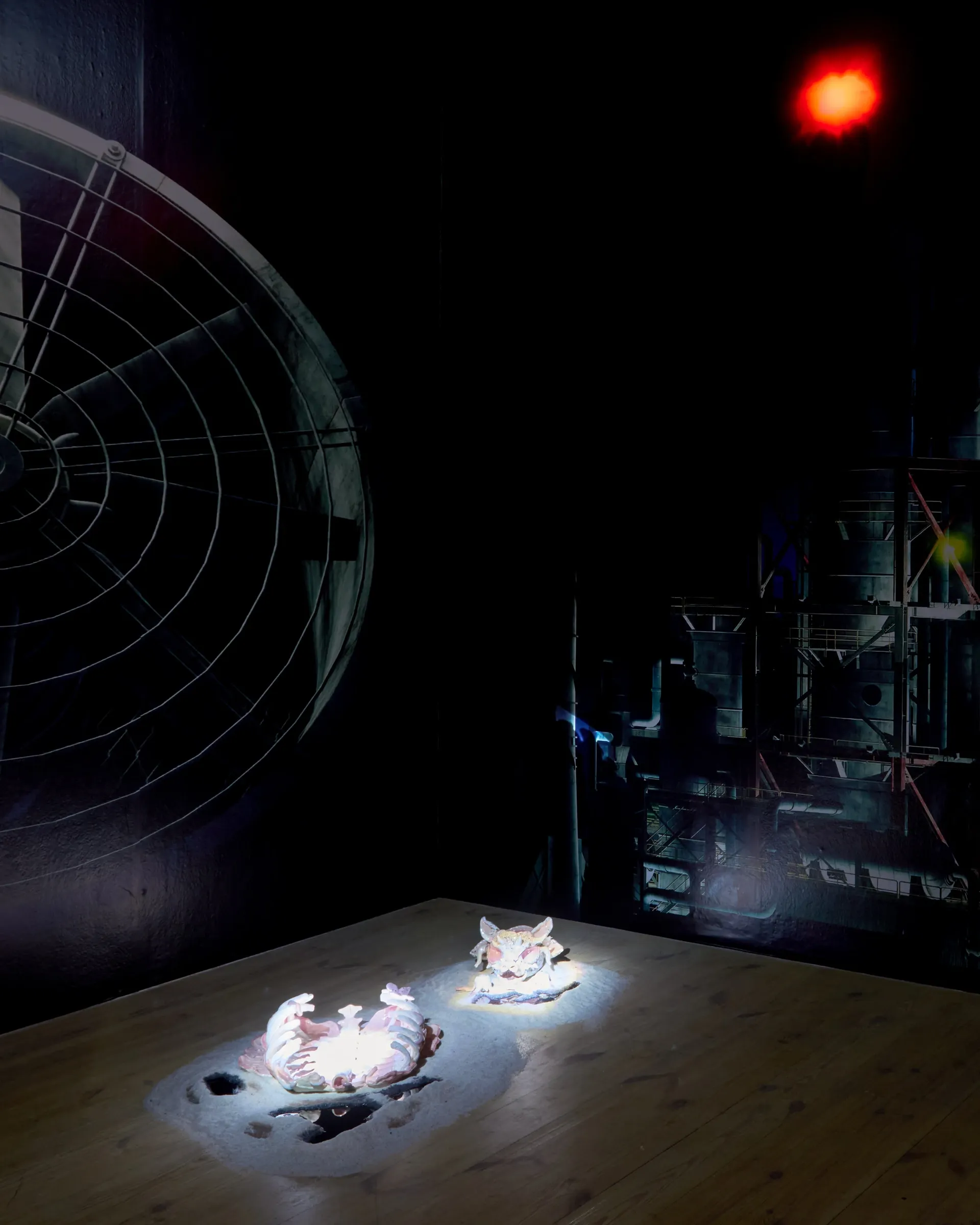
What connects the two practices is not theme but mechanism. Both are interested in what bodies, biological, industrial, infrastructural that fail to absorb without remainder. The refinery cannot fully erase the conditions of extraction. The ceramic form cannot fully contain its own instability. Engelhardt's work operates at the scale of geopolitics and Bxtq's at something closer to the hand. The exhibition holds them together without flattening the difference.
The timing is specific without being opportunistic. The laundering of Russian oil through Southern European refineries is not historical, it is ongoing and structurally embedded in energy supply chains that remain largely invisible to the consumer. That Engelhardt brings a camera body into that space, and lets it register what the infrastructure is designed to make imperceptible, is a formal argument as much as a political one.
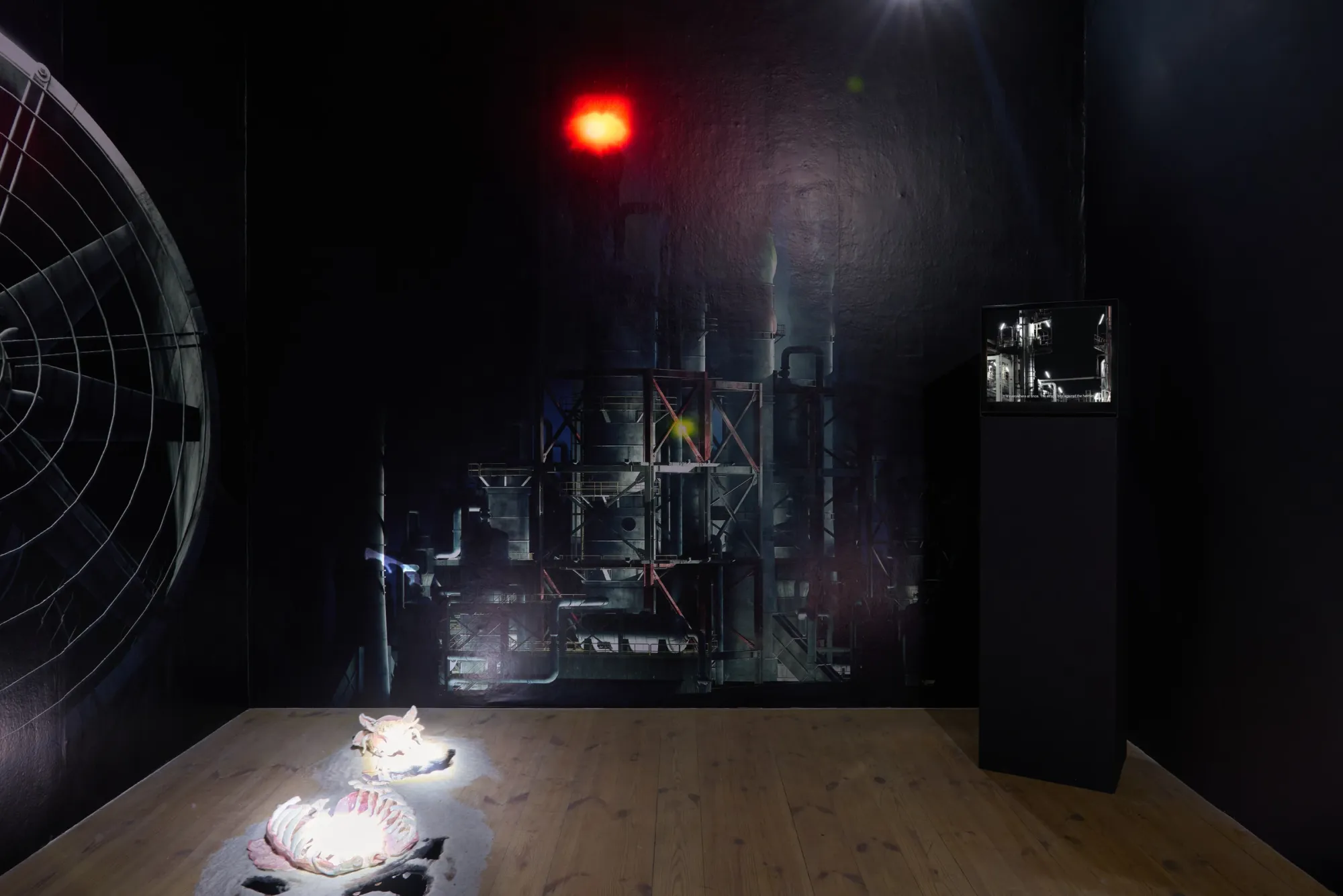
Bxtq's organisms, small enough to hold, disfigured enough to unsettle, carry something similar, the claim that the body is not a stable unit, that its borders are functional rather than real.
The pressure of the exhibition does not release at the exit. The ceramic forms stay with you in the way that discomfort does, not as memory of something you saw, but as a residue. That is probably the point. What bleeds through is not meant to be processed cleanly.
Instagram Anna Engelhardt
Tina BXTQ on Instagram
35m2 on Instagram
About Catapult Contemporary - Art Platform Submission
This is a exhibition review published by Catapult - an independent editorial platform for contemporary art, based in Vienna. We publish exhibition reviews, artist features, interviews, and critical context, with a focus on emerging and mid-career practices from Europe and beyond.
catapult.art
Want to be featured? Submit your work →