A History That Did Not Ask to Be Quoted

Babst Gallery Presents Will I Live Again by Justin Ortiz in Los Angeles
Babst Gallery presents Will I Live Again, a solo exhibition of new paintings by Justin Ortiz, on view through June 27, 2026.
The same figure keeps returning. Not because it carries a message, but because it endures, through Dürer, through Rubens, through Polke, through the amber ground of an oil painting made in Los Angeles in 2026.
Justin Ortiz does not treat art history as an archive to cite. He treats it as material, the way a sculptor treats stone, something to press against until the form underneath becomes visible.
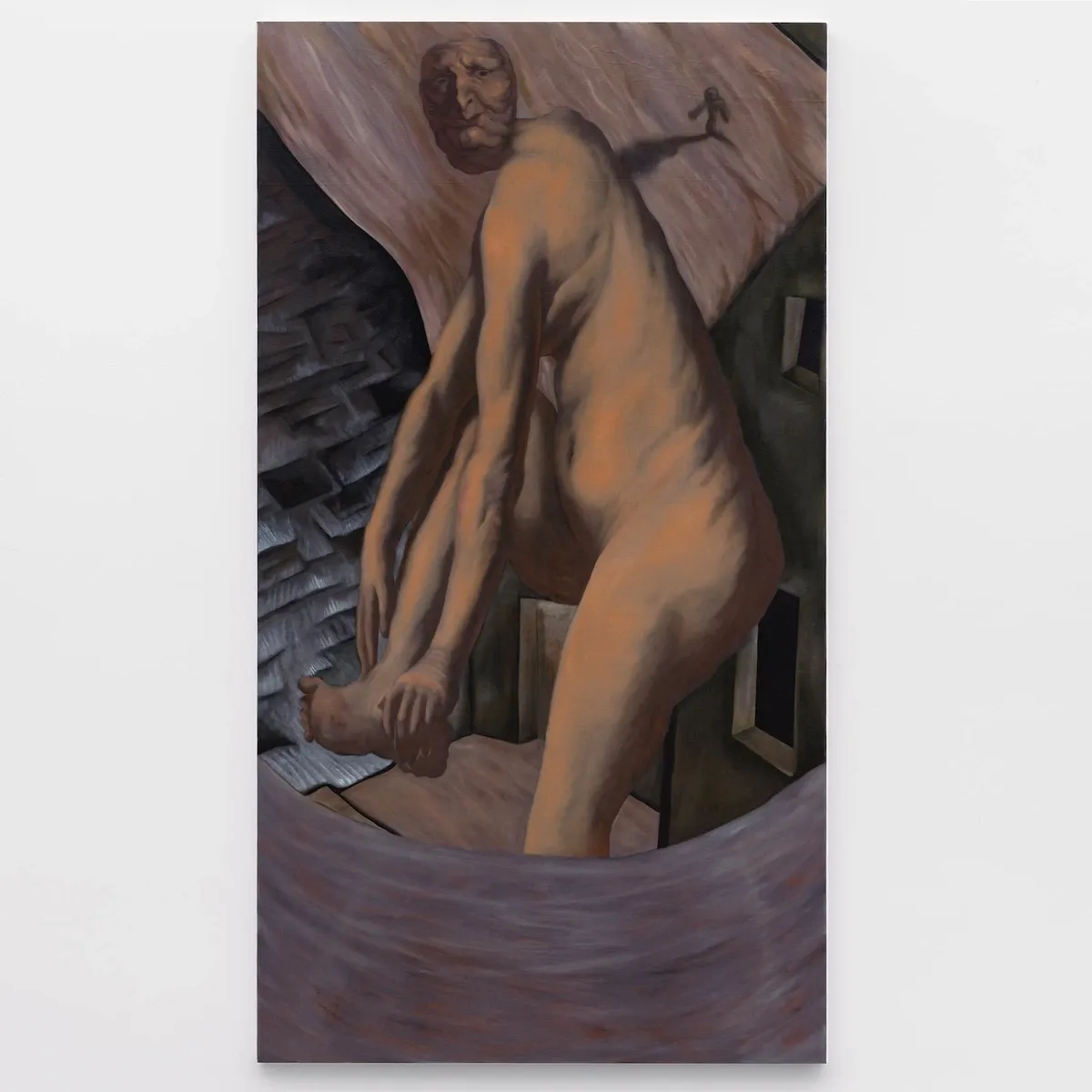
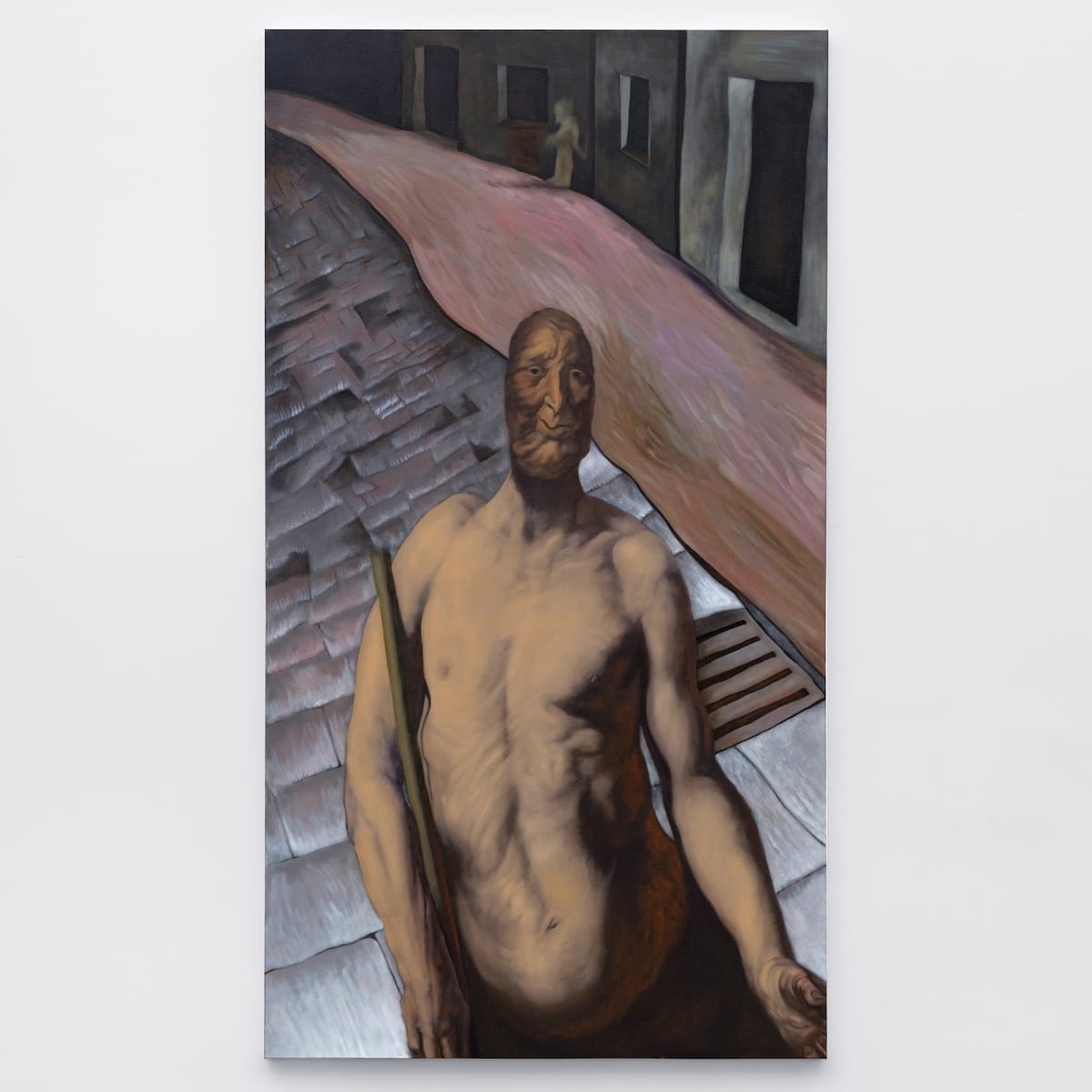
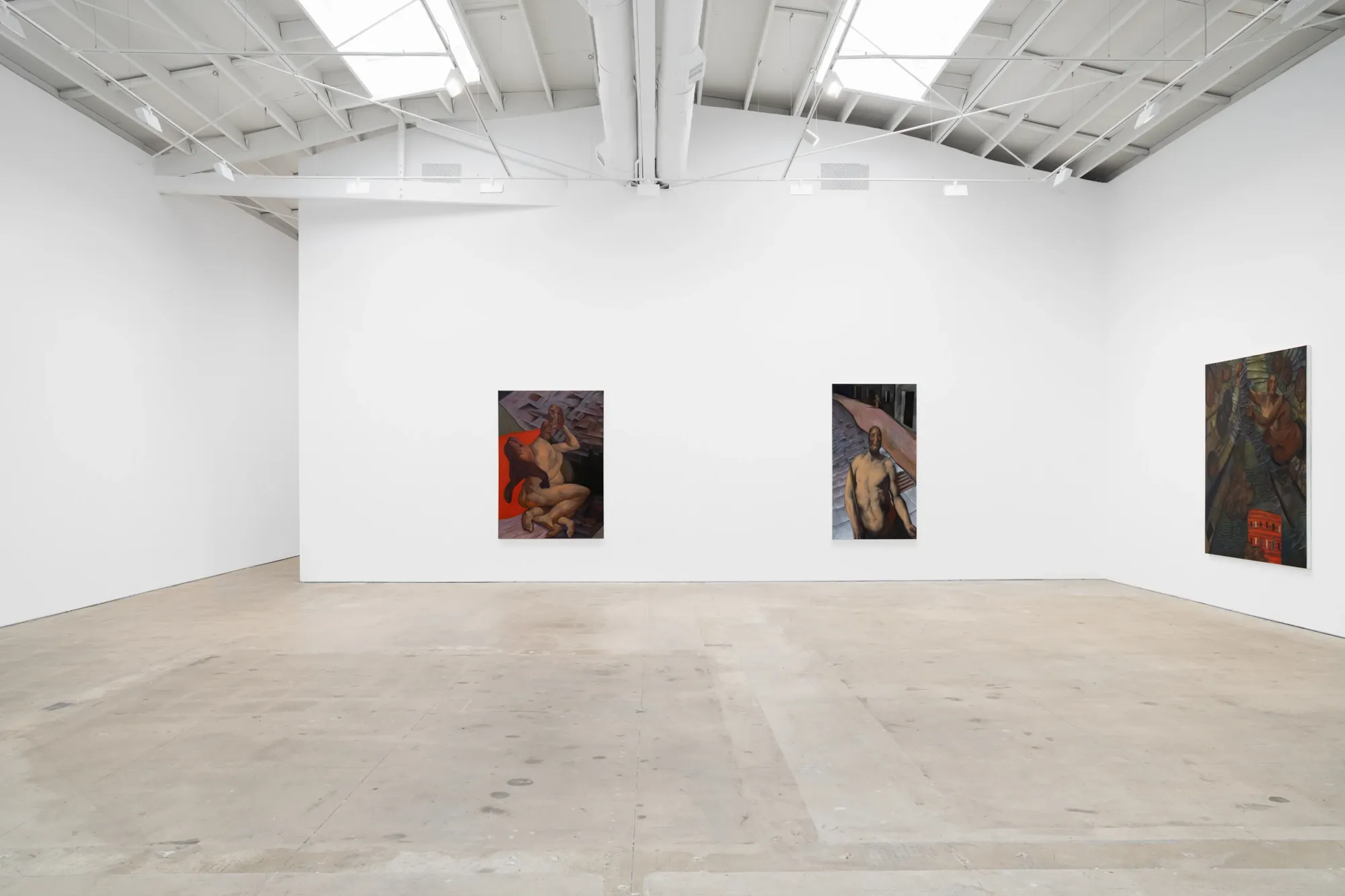
What makes this recurring figure strange is not its strangeness. It is how familiar it looks. Ancient, yes, but stripped of gender, stripped of its original context, pushed toward something that sits between image and presence.
Ortiz is not reviving a tradition. He is finding out what that tradition was actually made of, and what it can still hold once you remove everything it was meant to mean.
Justin Ortiz
Will I Live Again
Babst Gallery
Los Angeles, USA
–
Tuesday - Saturday, 12 – 5pm and by appointment
413 South Fairfax Ave, Los Angeles, CA 90036
Marie Heilich
Courtesy Babst Gallery, Los Angeles
info@babstgallery.com
Babst Gallery occupies a modest space on South Fairfax, a stretch of Los Angeles that sits between commerce and culture without committing to either.
It is a fitting location for paintings that refuse to settle into a single register. Ortiz's work does not demand a neutral white cube, it asks for a room that has some friction to it.
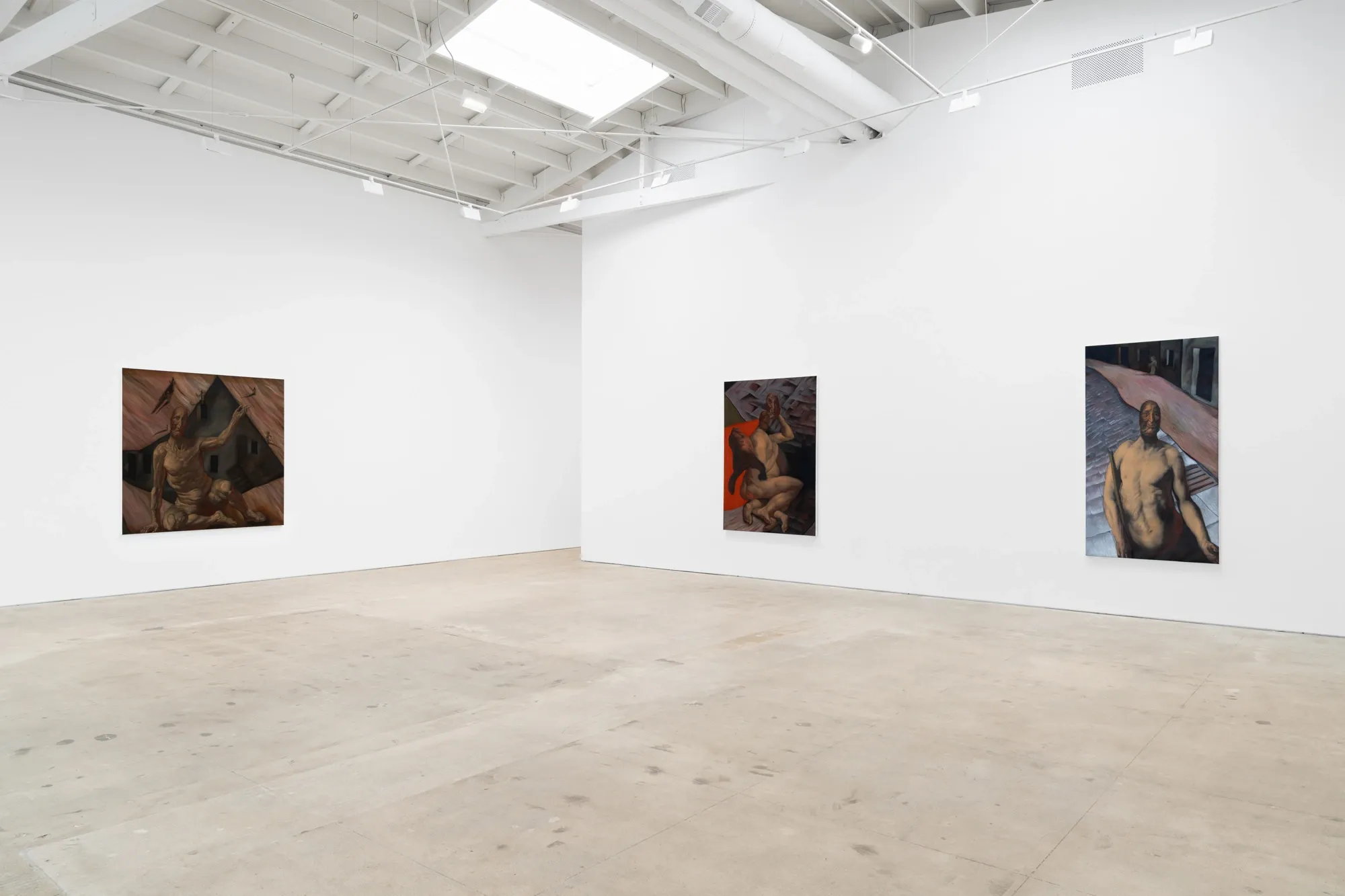
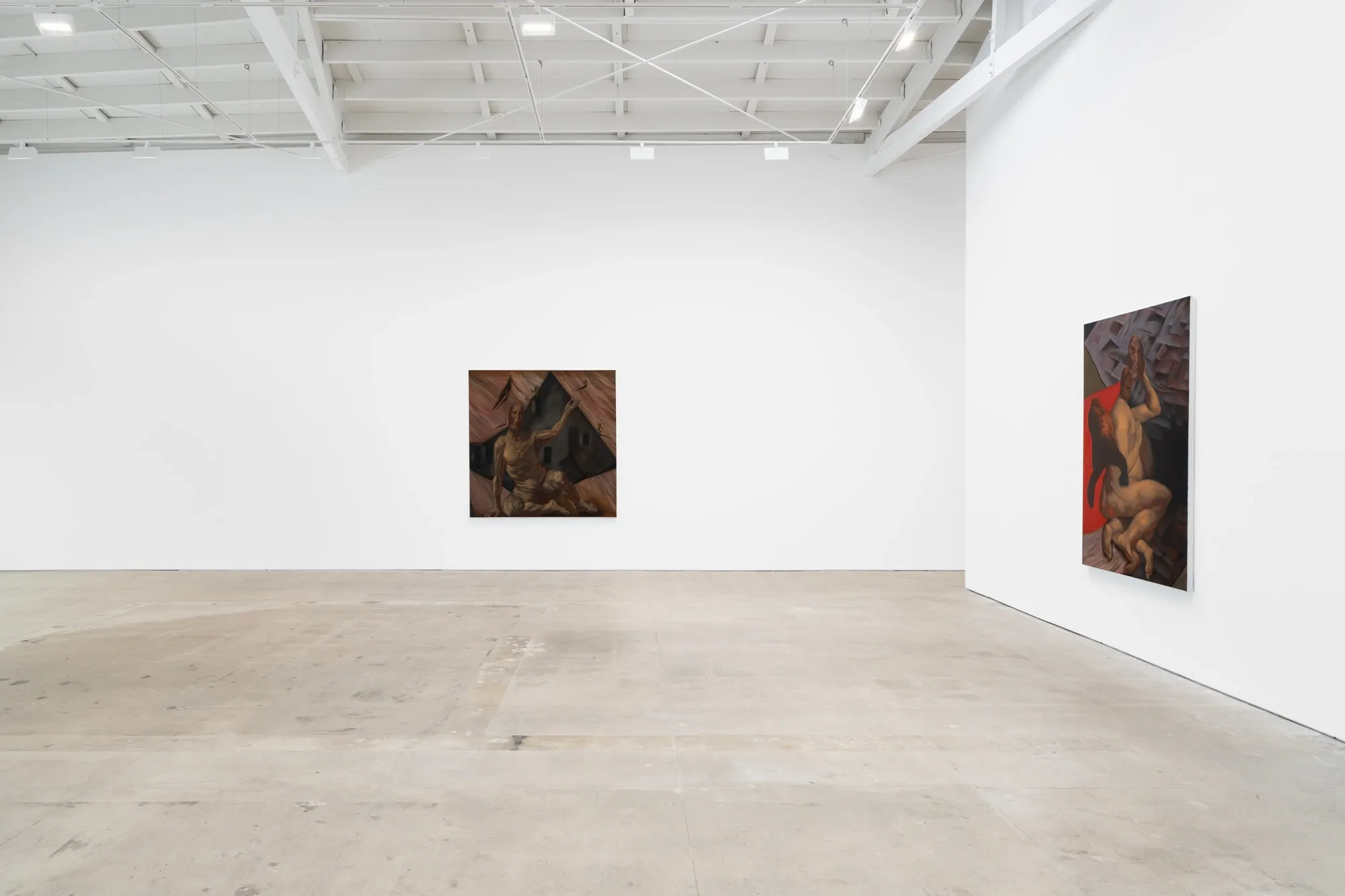
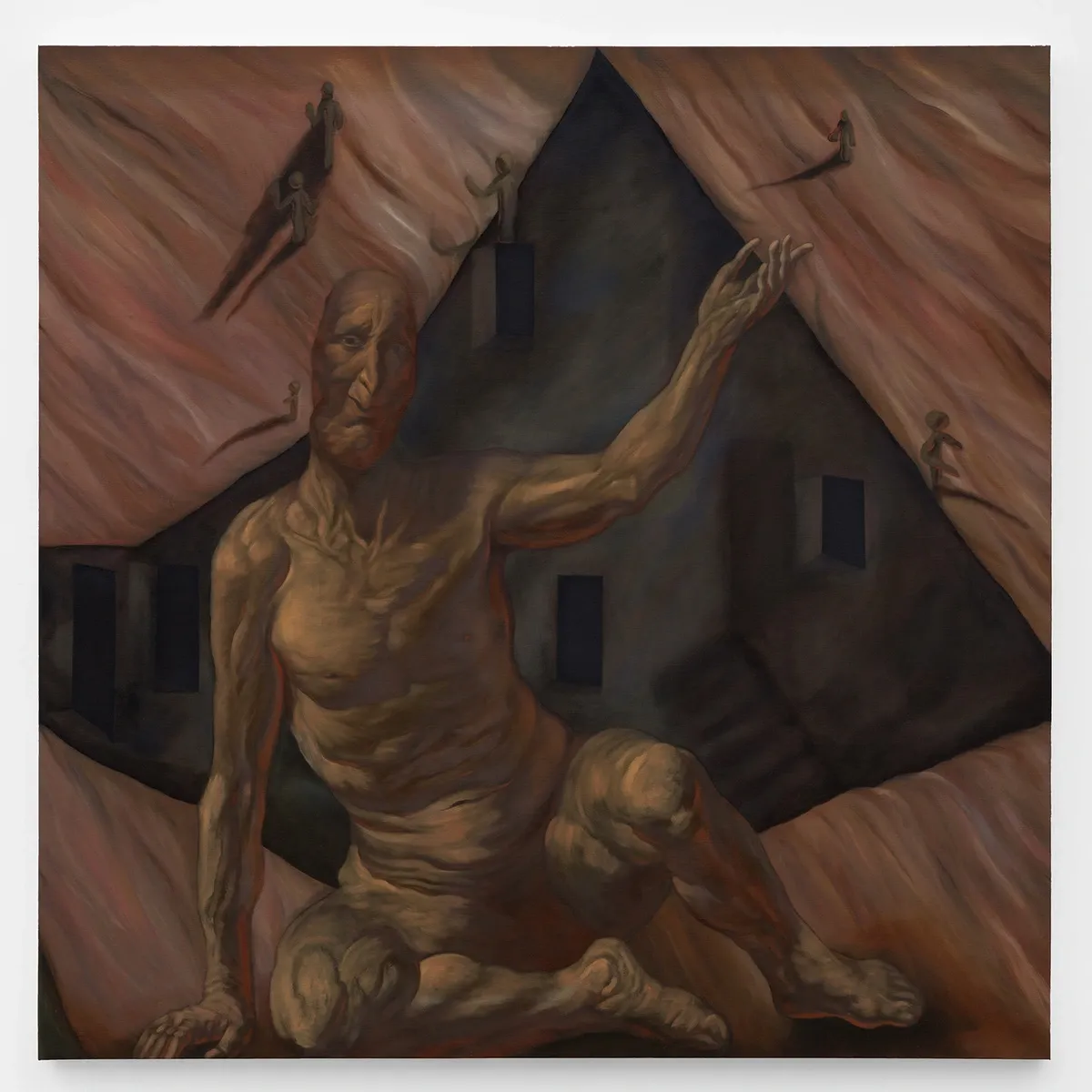
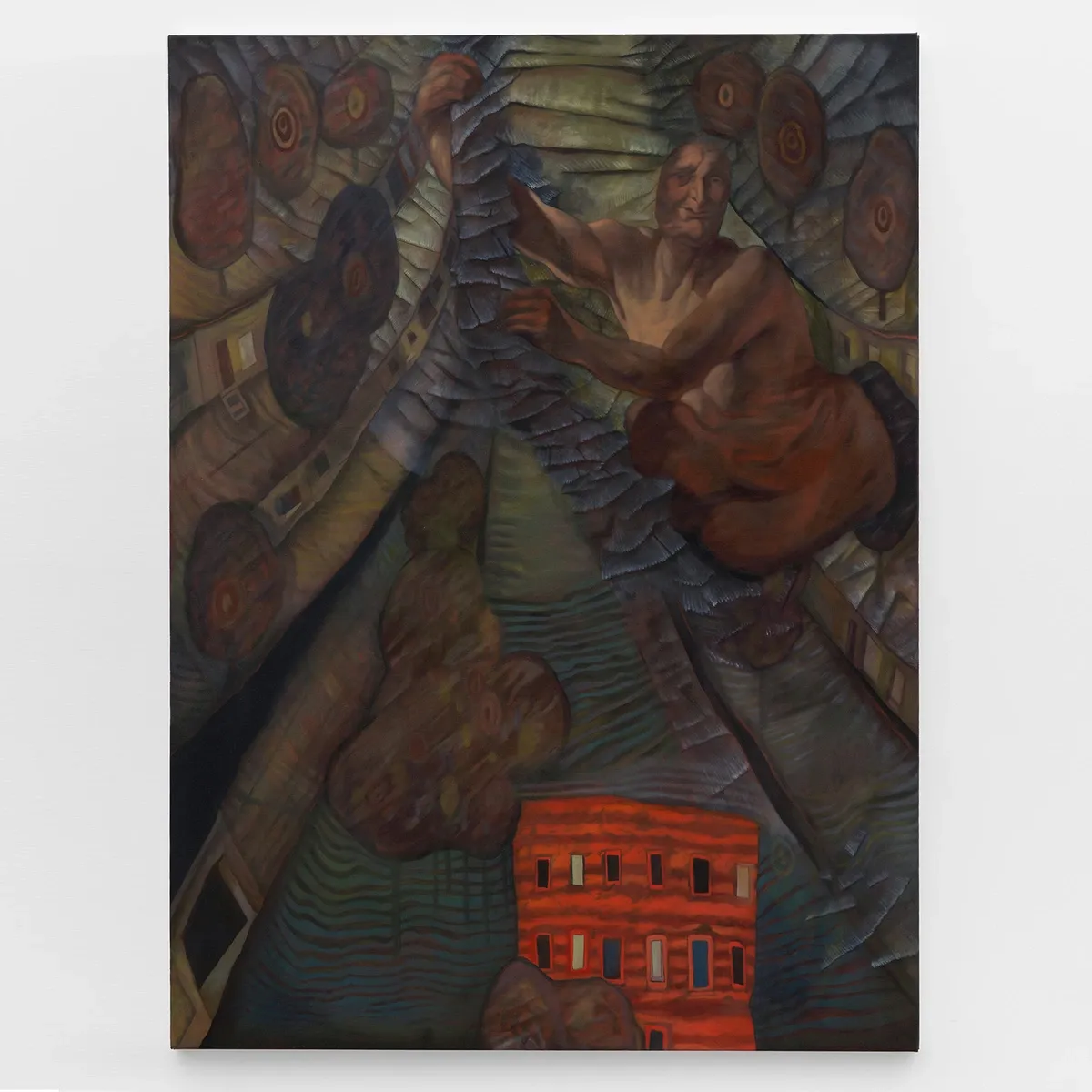
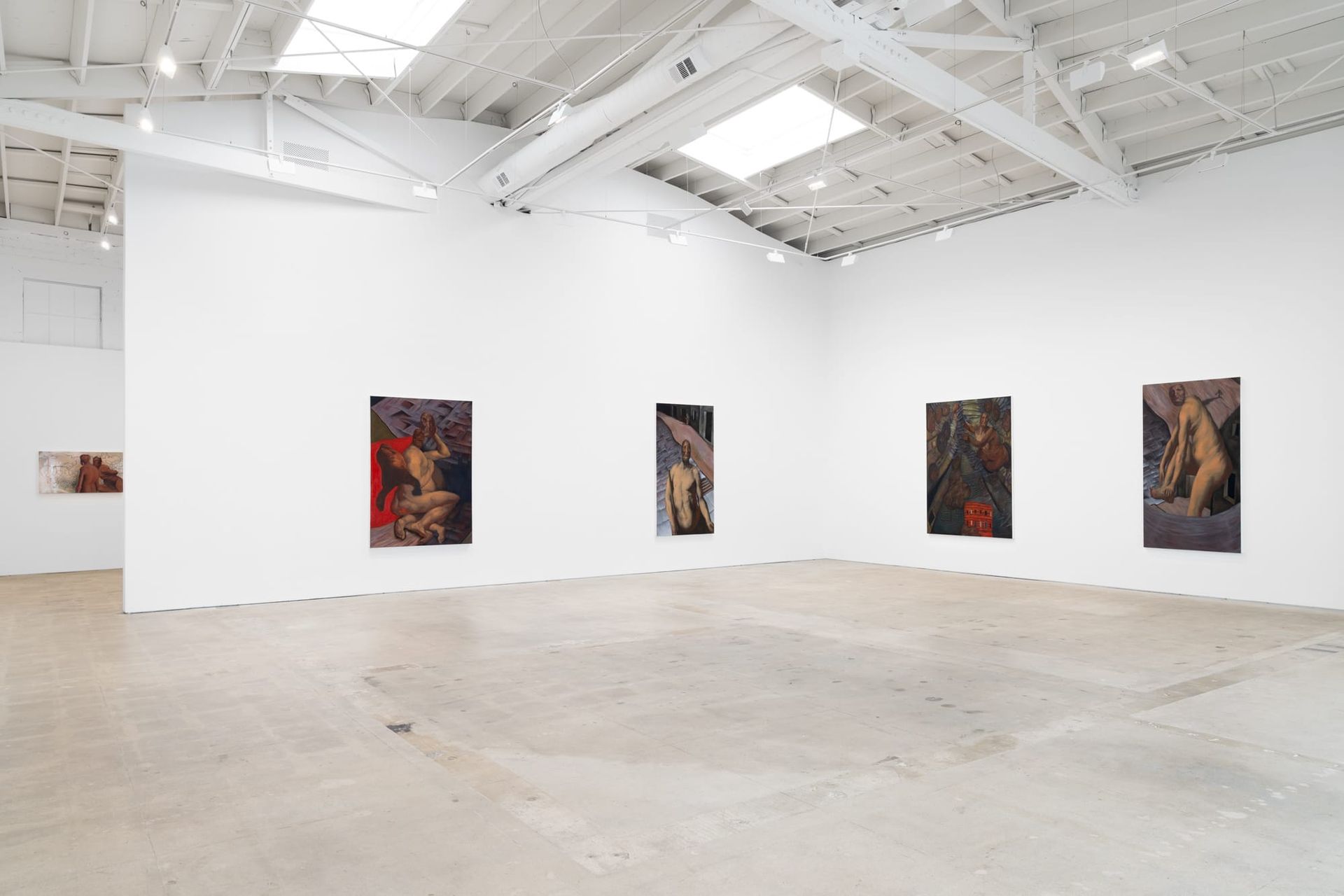
The paintings begin in greyscale over an amber ground. Ortiz then builds thin oil glazes slowly, one over the next, until the underpainting pushes back through the surface. The result is a peculiar kind of depth, not illusionistic, not exactly physical, but somewhere between.
The figure does not emerge from the ground so much as persist through it. Once the composition is locked, very little can be changed. Ortiz courts this constraint deliberately, and it shows, there is a pressure in these works that comes from decisions made early and held to.
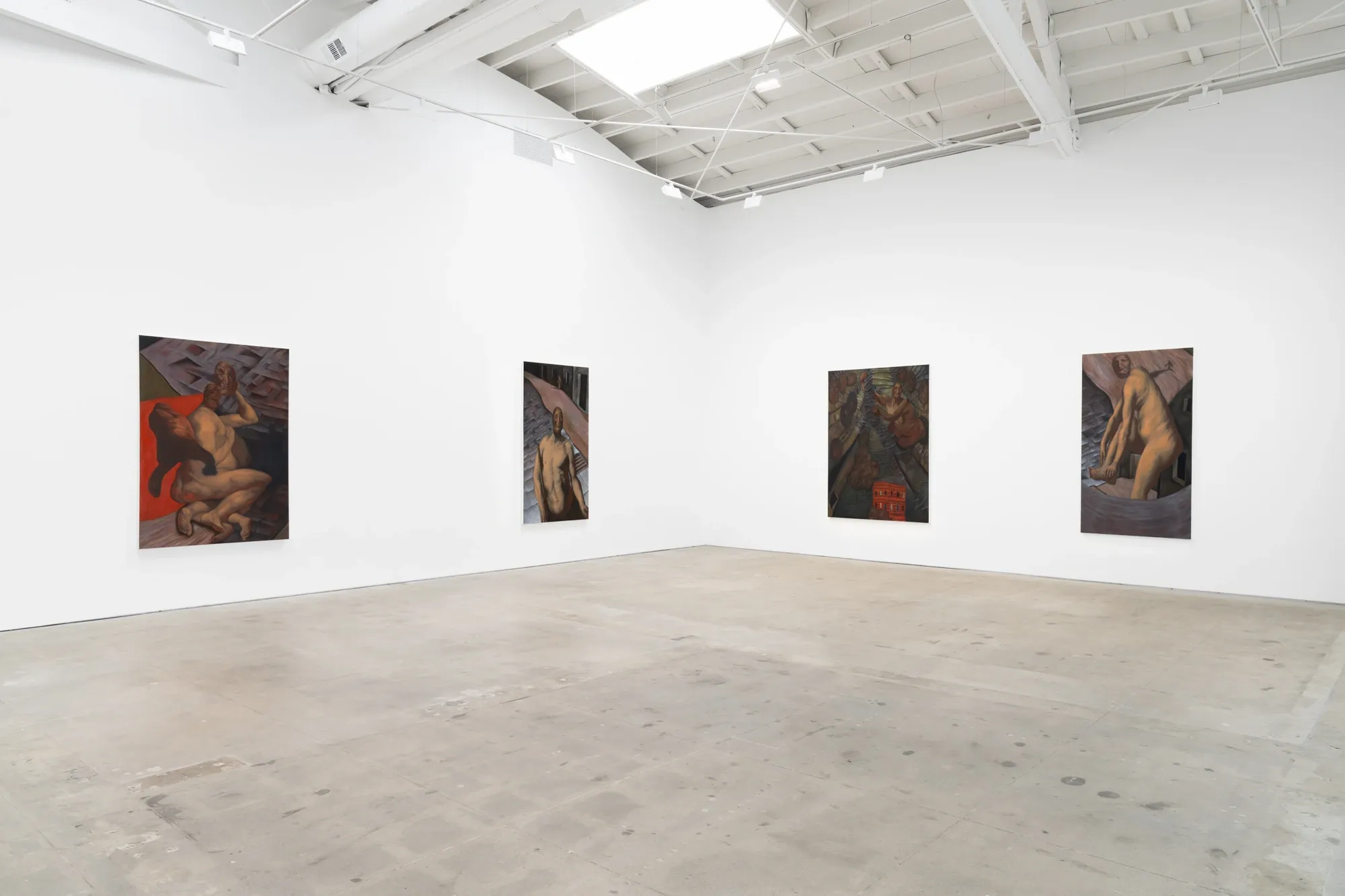
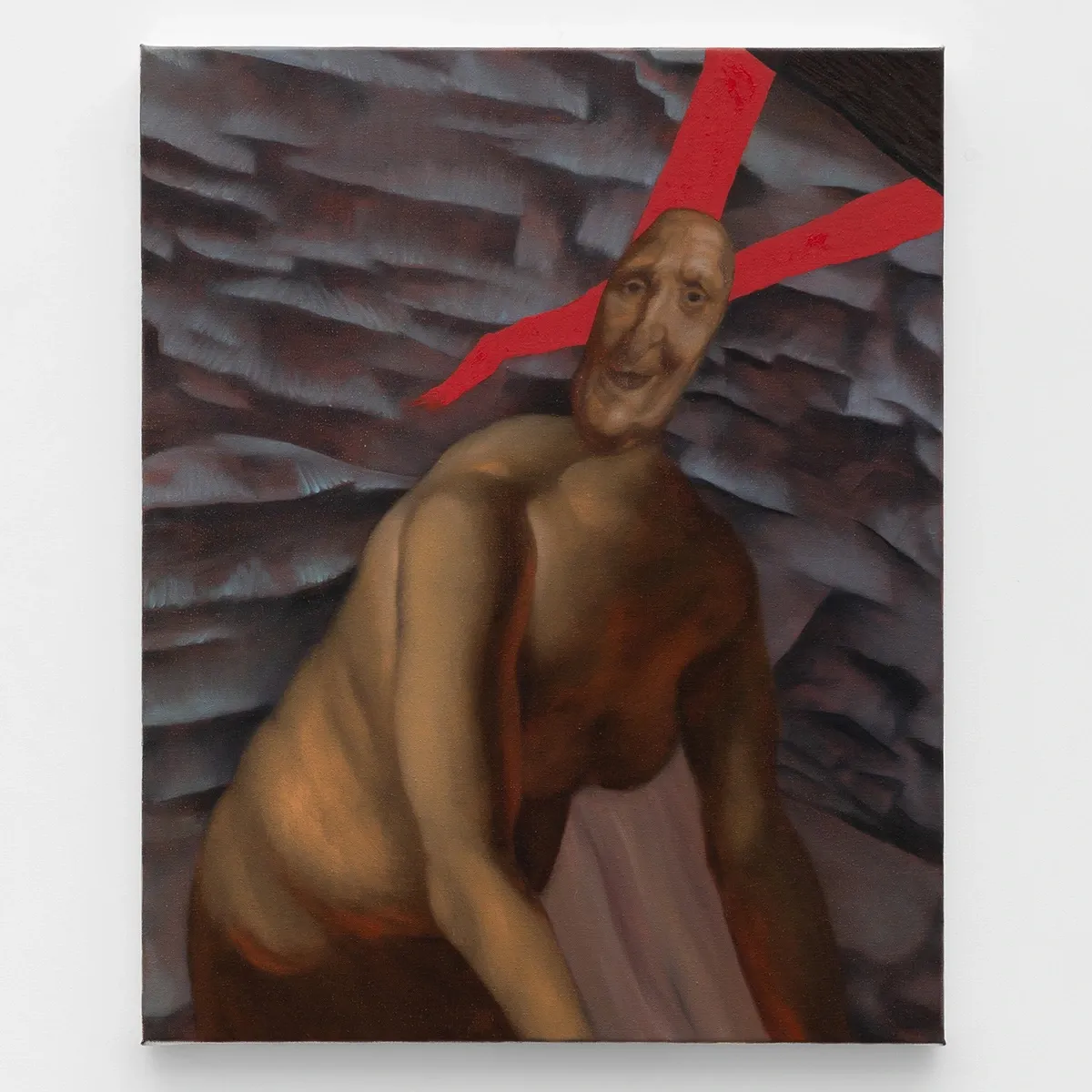
The figures themselves pull from a dense lineage. Dürer's anatomical precision filtered through Sigmar Polke's ironic distance. Greek sculptural mass refracted through the heavy, sensuous bodies of Jordaens and Rubens. These references do not announce themselves as quotations.
They arrive already digested, already altered, what remains is a visual charge that has survived the removal of its original meaning. The figure is ungendered, context-stripped, pushed toward abstraction without quite tipping into it.
Foreground and background press against one another, and the figure holds its place between them with something close to stubbornness.
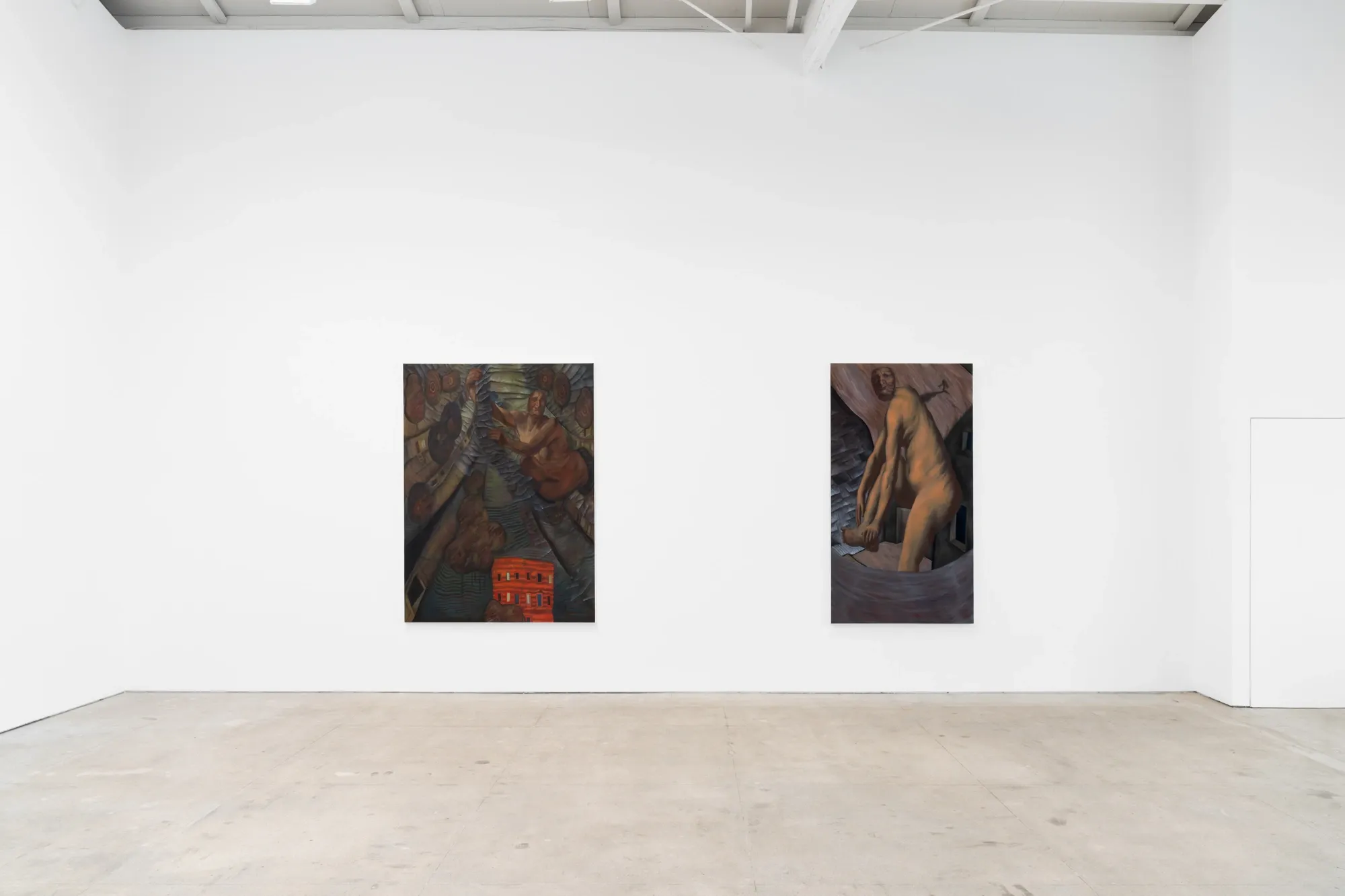
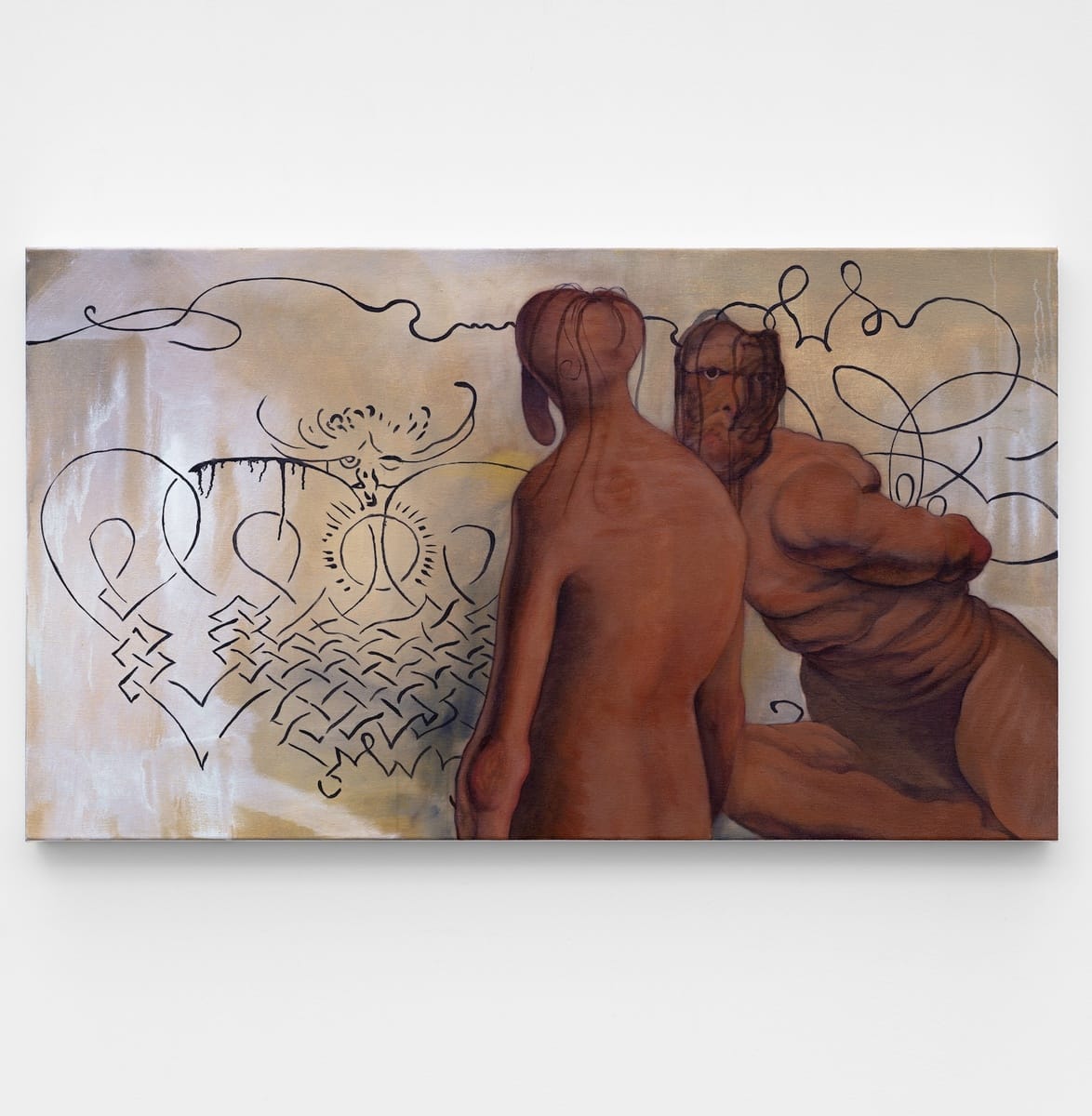
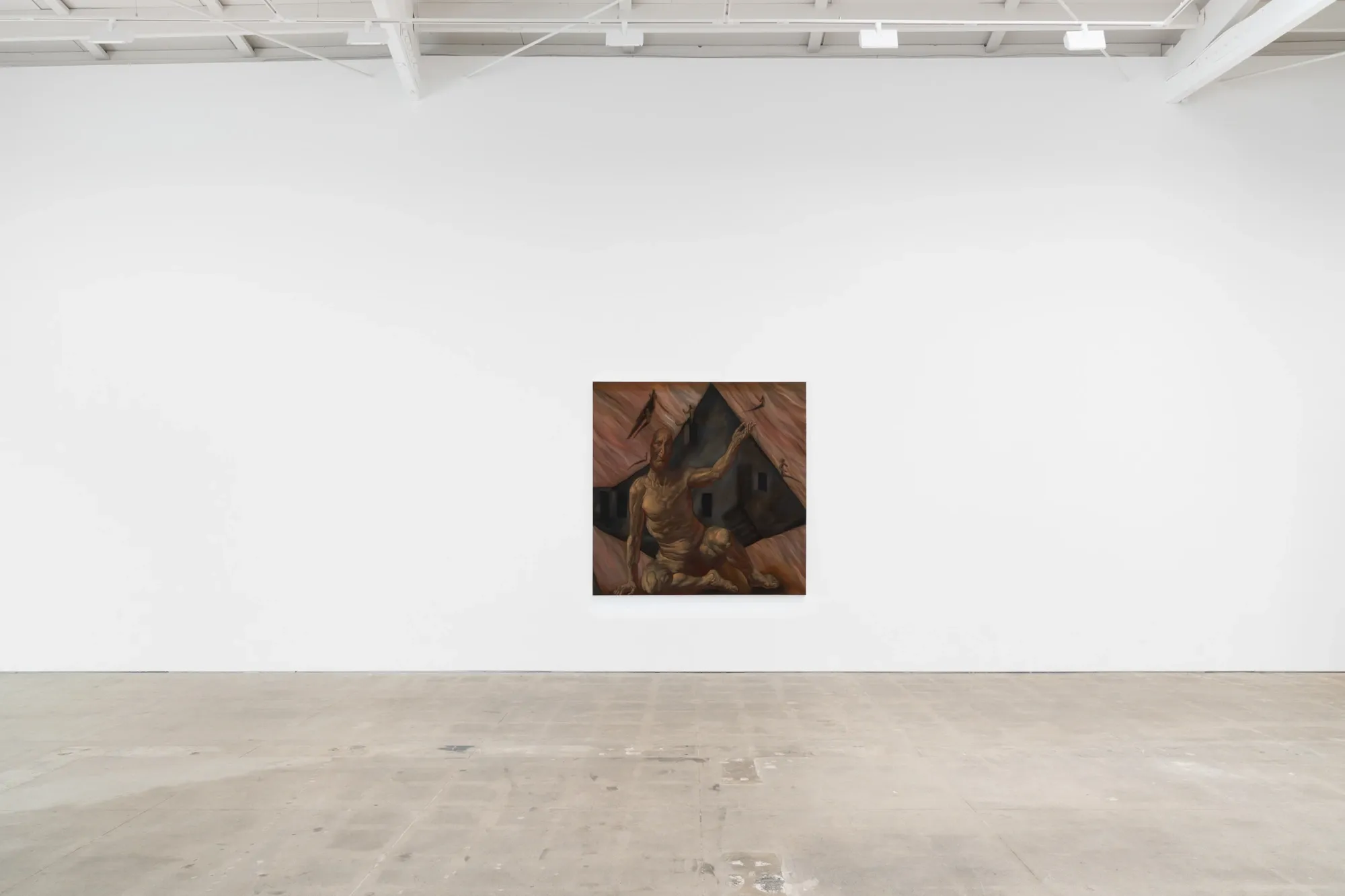
Ortiz trained under a classical apprenticeship before earning his BFA at the School of the Art Institute of Chicago, and that formation is present in the work, not as a style to display, but as a technical foundation that allows him to make choices other painters cannot.
The slow layering process, the amber ground, the deliberate lock-in of composition, these are not aesthetic preferences. They are structural decisions that determine what the painting can and cannot do.
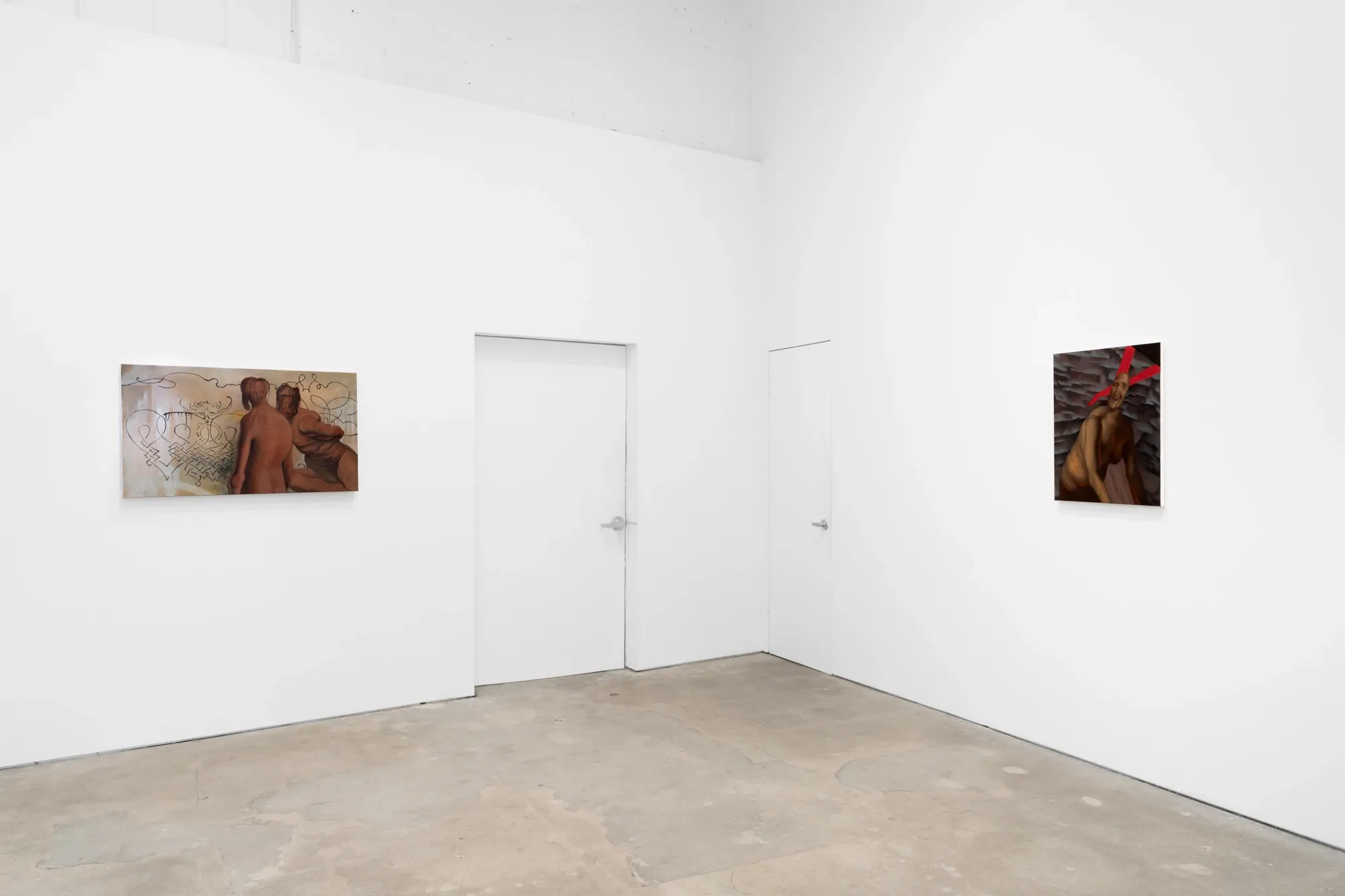
There is a particular strain in contemporary figurative painting that treats art history as a costume shop, something to raid for atmosphere. Ortiz's approach is different. For him, history is raw material in a more literal sense, something with weight and resistance, something that pushes back.
The figure he returns to again and again is not a symbol of anything in particular. It is a form that has proven, across centuries, that it can hold pressure. He is finding out how much more it can take.
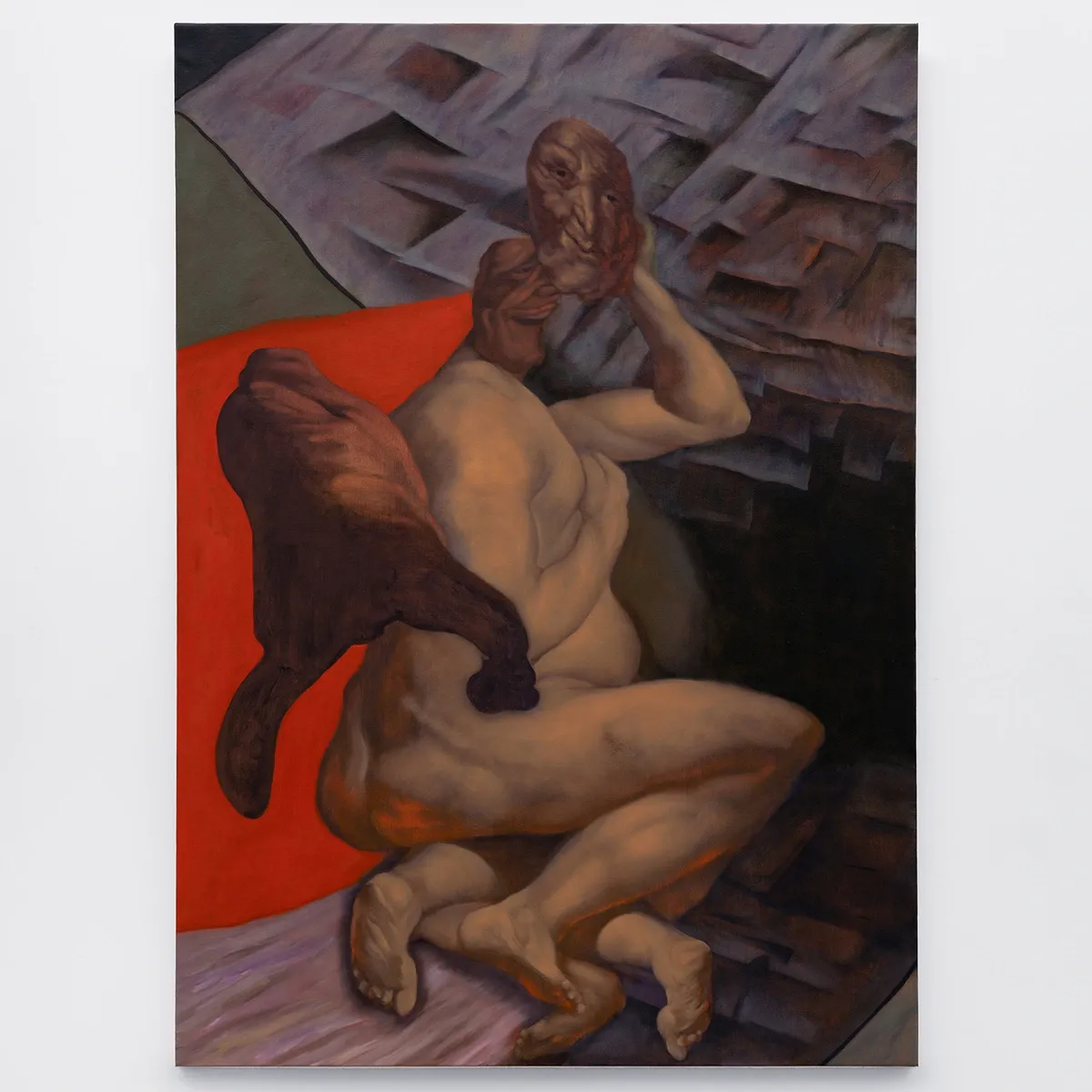
The paintings in Will I Live Again do not resolve. The figure persists, and the amber ground shines through, and the glazes build up their quiet density.
What the work proposes is not a conclusion about painting or history, but a condition that certain forms survive not because they mean something eternal, but because they are structurally capable of being reused.
When you stand in front of one of these canvases, that capacity becomes palpable. The figure looks back without expression. It has been here before.
Instagram Babst Gallery
Justin Ortiz Instagram
About Catapult Contemporary - Art Platform Submission
This is a exhibition review published by Catapult - an independent editorial platform for contemporary art, based in Vienna. We publish exhibition reviews, artist features, interviews, and critical context, with a focus on emerging and mid-career practices from Europe and beyond.
catapult.art
Want to be featured? Submit your work →