After Stone, Dimitrios Antonitsis Lets the Island Dream in Water

Hydra School Projects Presents Hydor/Onar (Water of Dreams) on Hydra
Hydra School Projects presents Hydor/Onar (Water of Dreams), curated by Dimitrios Antonitsis, through September 6, 2026.
As the second edition of Hydra School Projects’ three-year trilogy, the exhibition follows last year’s Lithos/Lethe (Stone/Oblivion), shifting from stone to water.
A year ago, this exhibition asked visitors to stand still with stone. Now the ground gives way.
If permanence needs solid matter to hold its shape, dreaming needs the opposite, something that moves, absorbs, and forgets its own edges by morning.
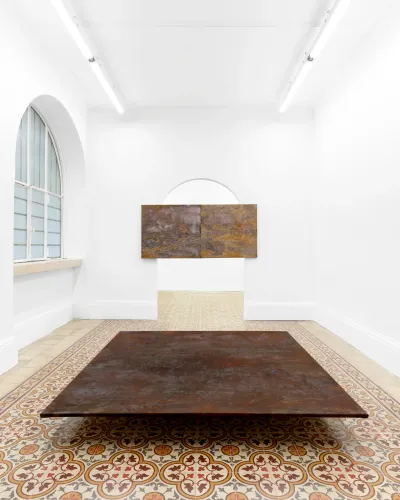
Dimitrios Antonitsis, Ashley Bickerton, Joe Bradley, Hussein Chalayan, Despina Charitonidi, Jannis Kounellis, Brice Marden, Ayumi Paul, Styliane Philippou, Daniel Silver, Fokion Zissiadis
Hydor/Onar (Water of Dreams)
Hydra School Projects at Lyceum
Hydra, Greece
–
11:30 – 14:00 & 19:30 – 22:00
End of Gkika N. Kouloura Street, Hydra, Greece
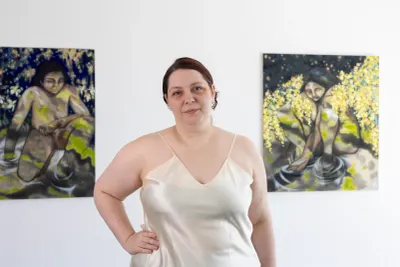
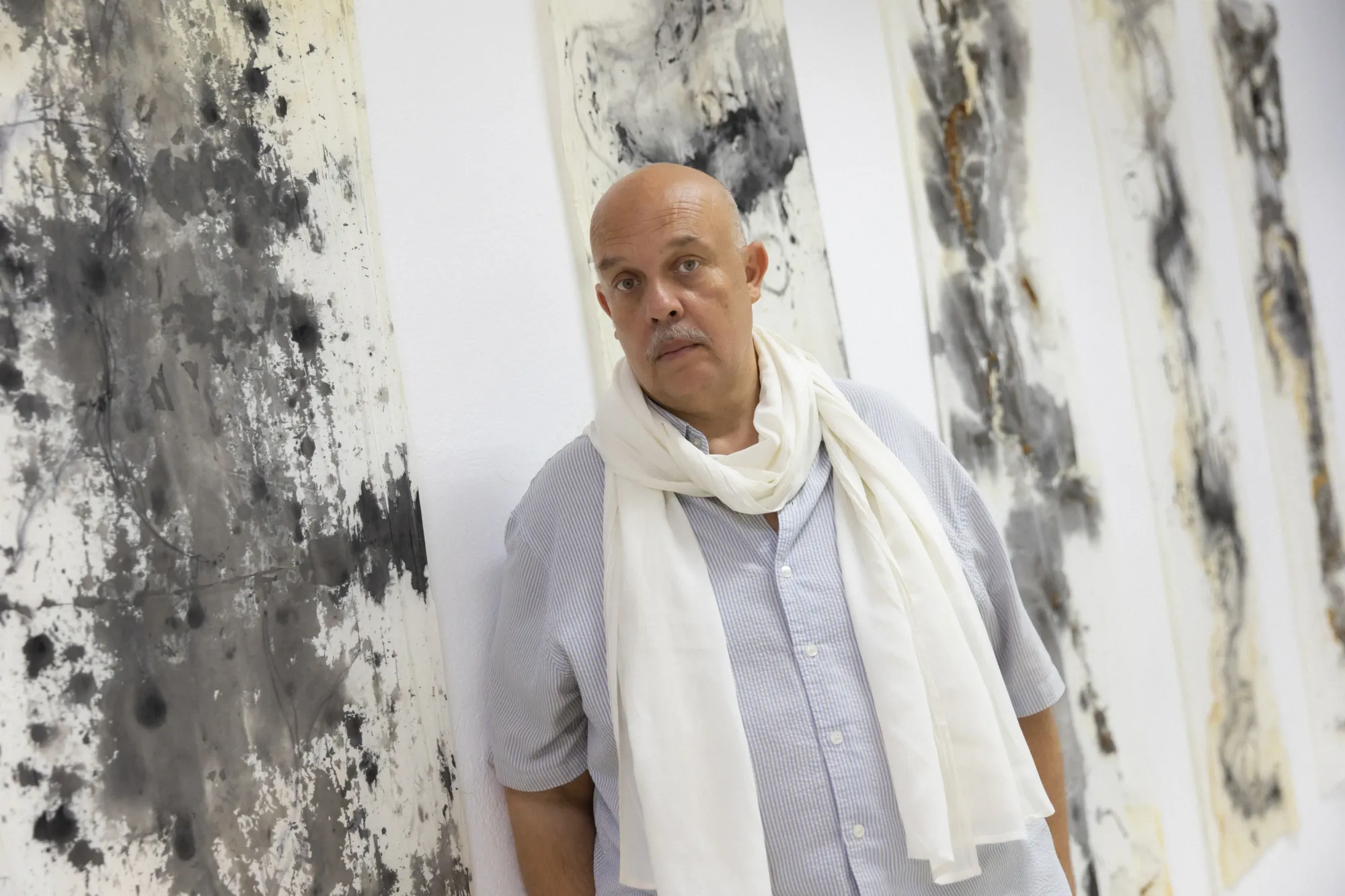
Dimitrios Antonitsis
Pinelopi Gerasimou
Courtesy Hydra School Projects
Water does not just illustrate this shift, it enacts it. It reflects a face back distorted, cools a body it barely touches, and drips through a form built to hold it before disappearing into the stone floor. Nothing here stays dry for long.
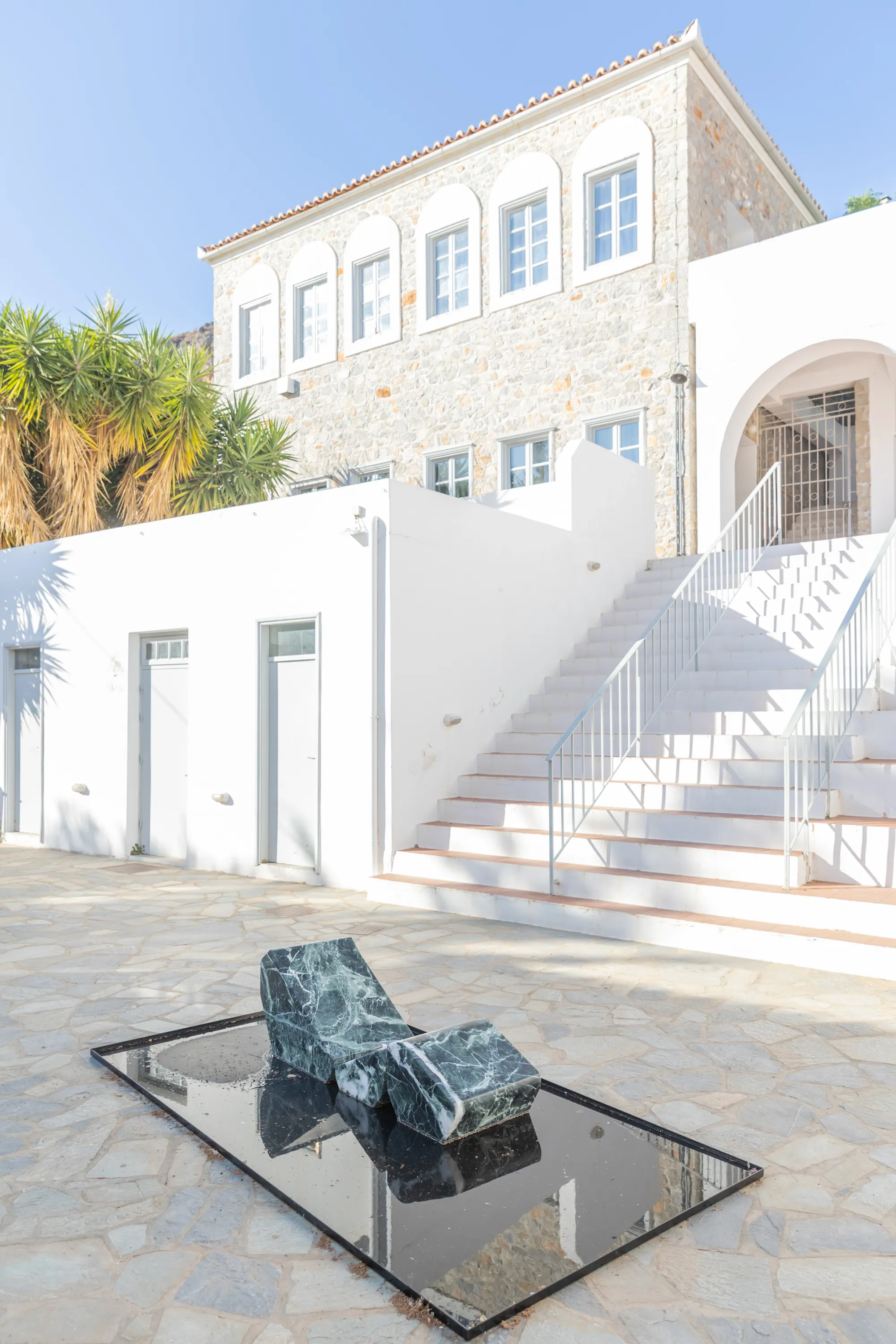
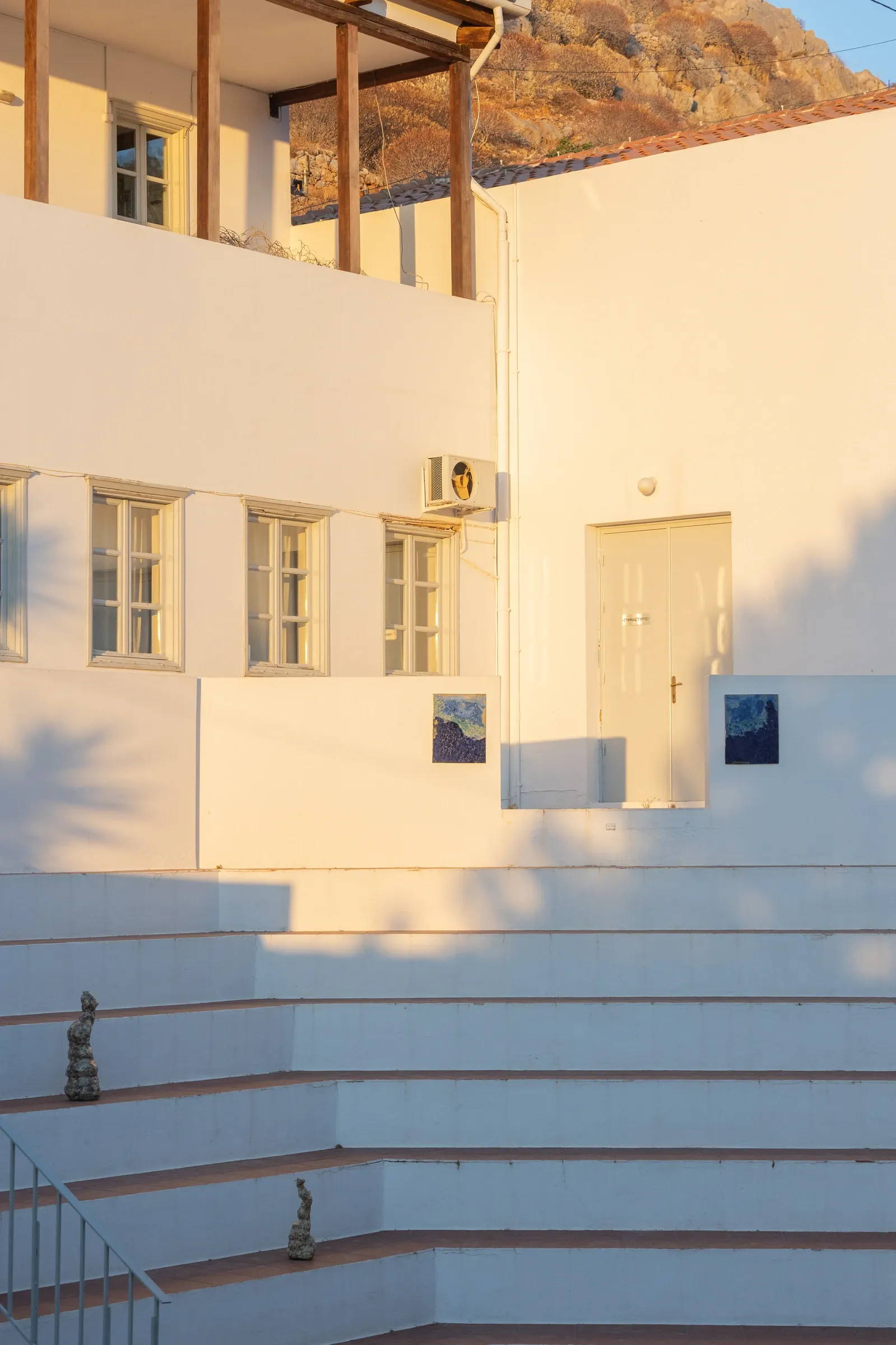
The exhibition again occupies Hydra's former high school, its white stairwell folding down into an amphitheatre courtyard that doubles as stage and drain.
Water does not hold a shape long enough to become a monument. That may be the reason to choose it after stone.
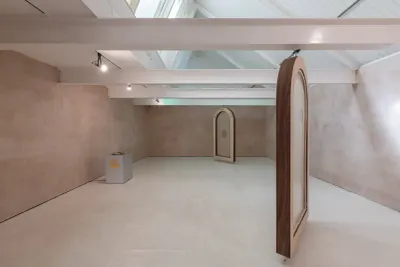
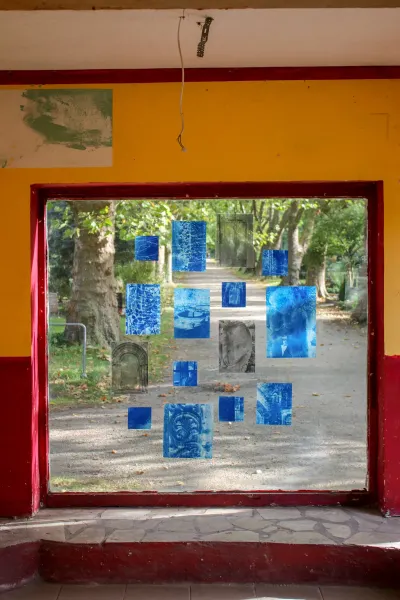
The exhibition again occupies Hydra’s former high school, extending across three classrooms and the amphitheatre courtyard. The building was created for teaching rather than display, and its original character remains present in the encounter with the works.
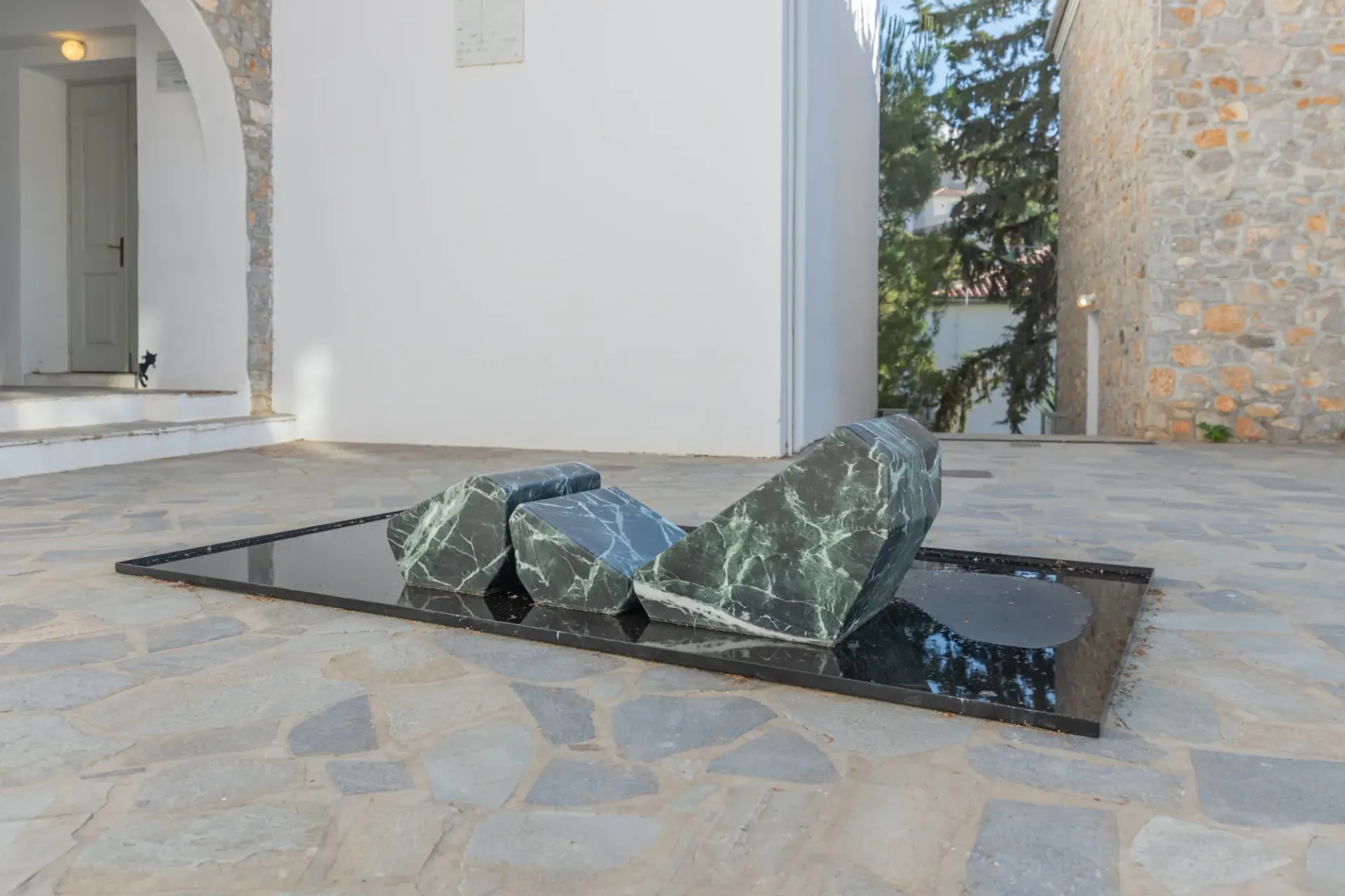
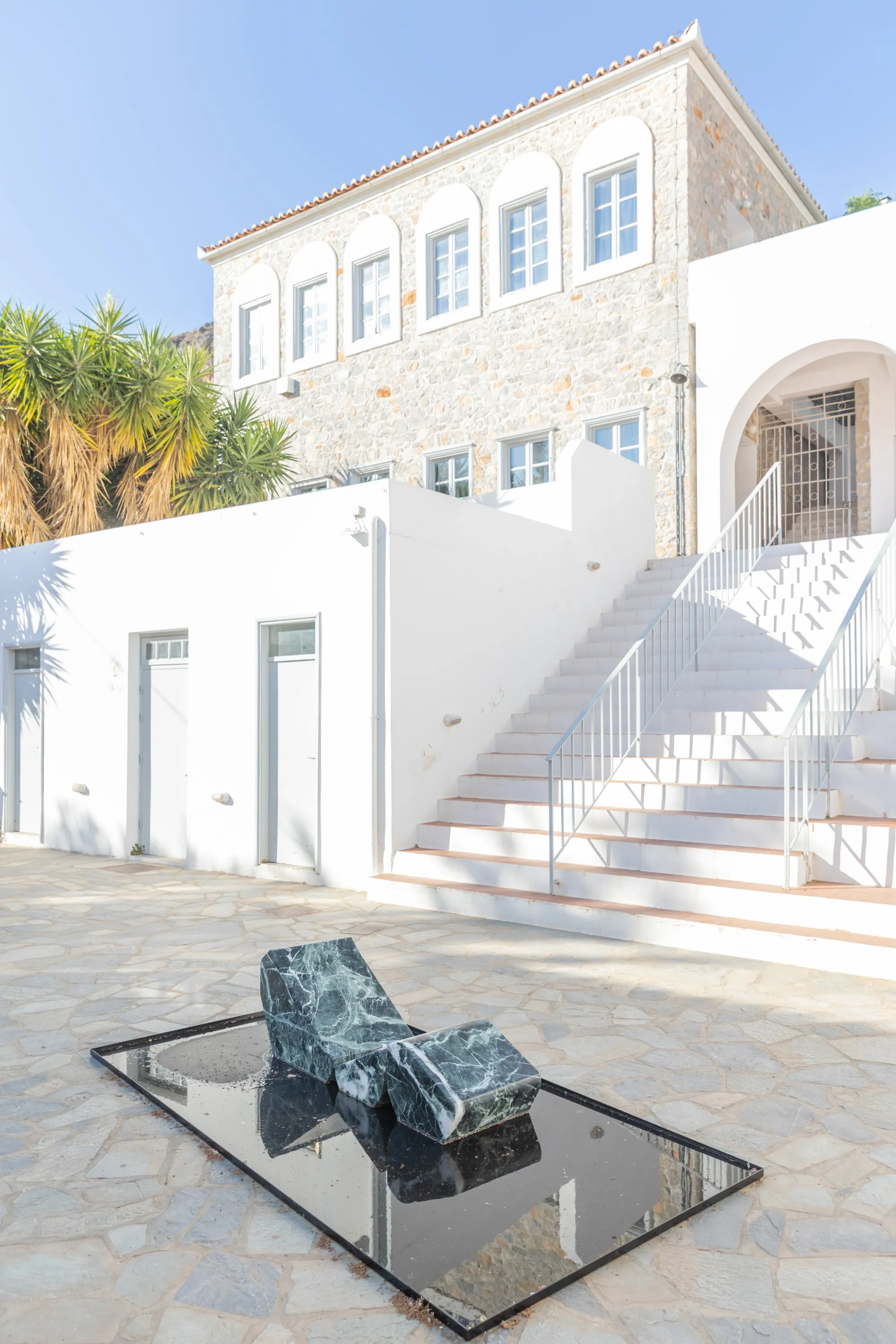
In the courtyard, Styliane Philippou places blocks of green Tinos marble within a shallow mirror of standing water, their fractured profiles suspended somewhere between rock formations and reclining bodies.
Up close, the veining doubles across the water’s surface until stone and reflection begin to trade places. The work invites a physical as well as visual encounter, turning self-recognition into something unstable, softened and continually remade by reflection.
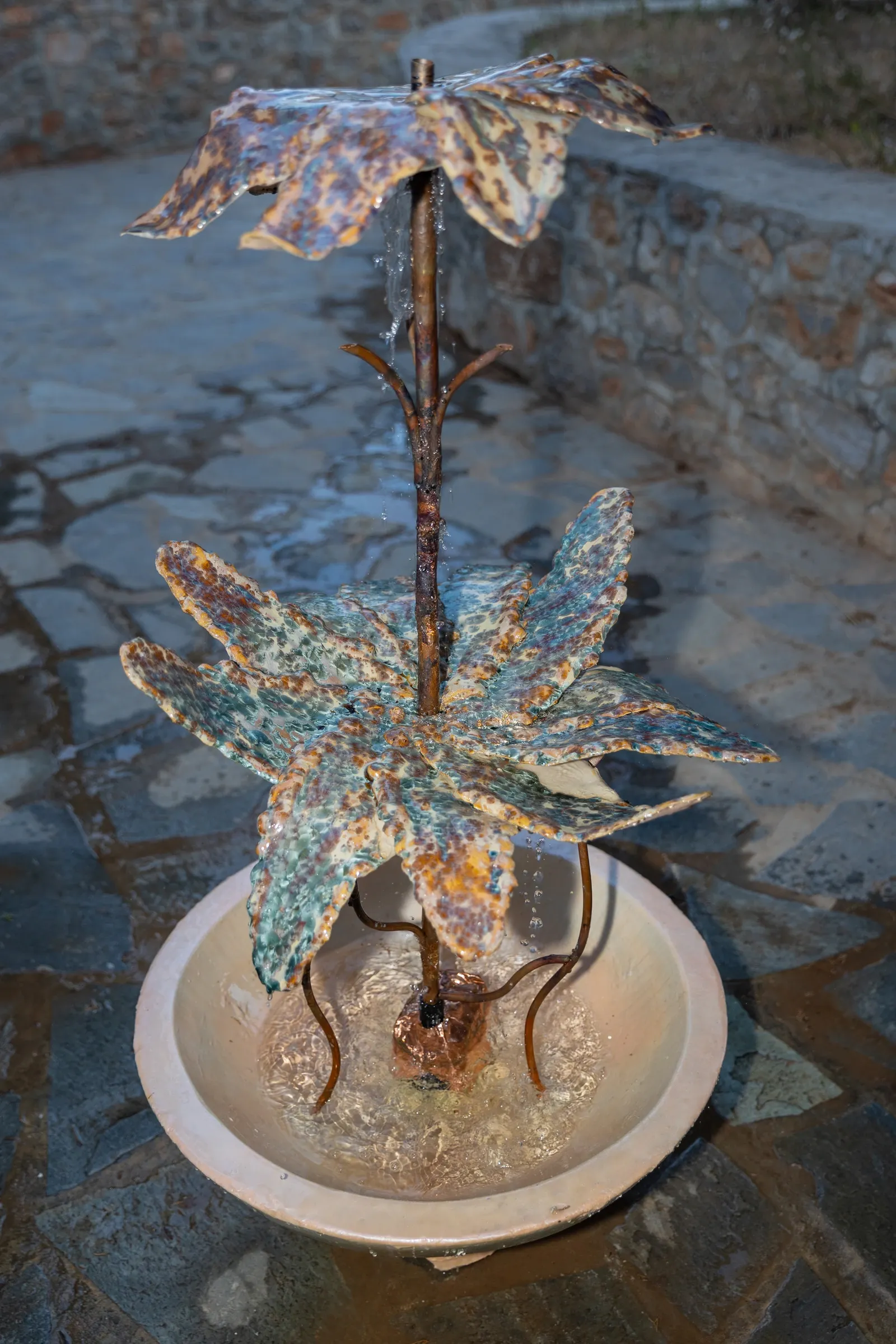
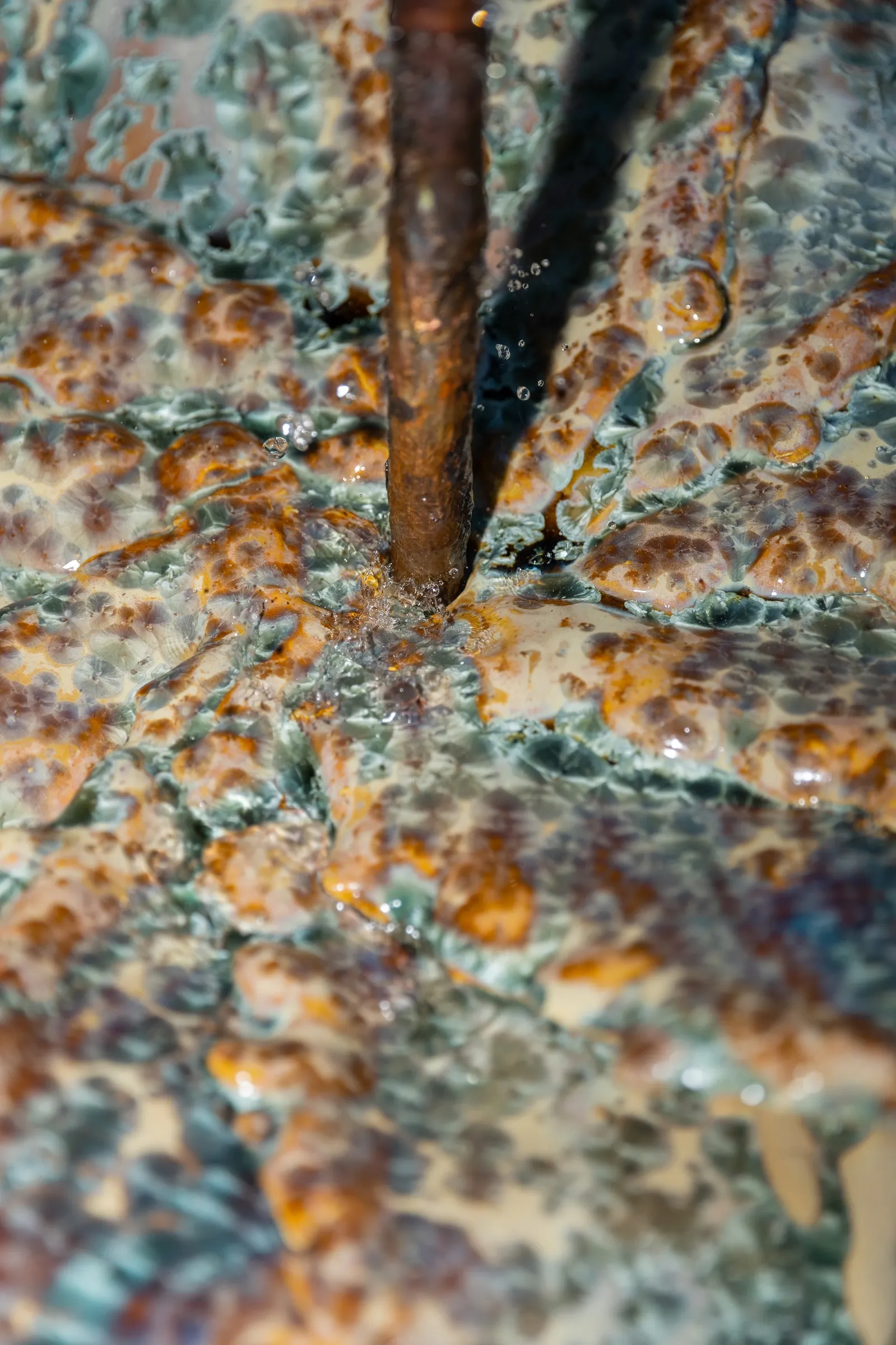
Despina Charitonidi’s commissioned ceramic fountain introduces a different movement of water. Its barnacled, rust-stained forms are modelled on the circular feeding patterns of humpback whales, bringing natural coordination into tension with the industrial structures increasingly present within marine environments.
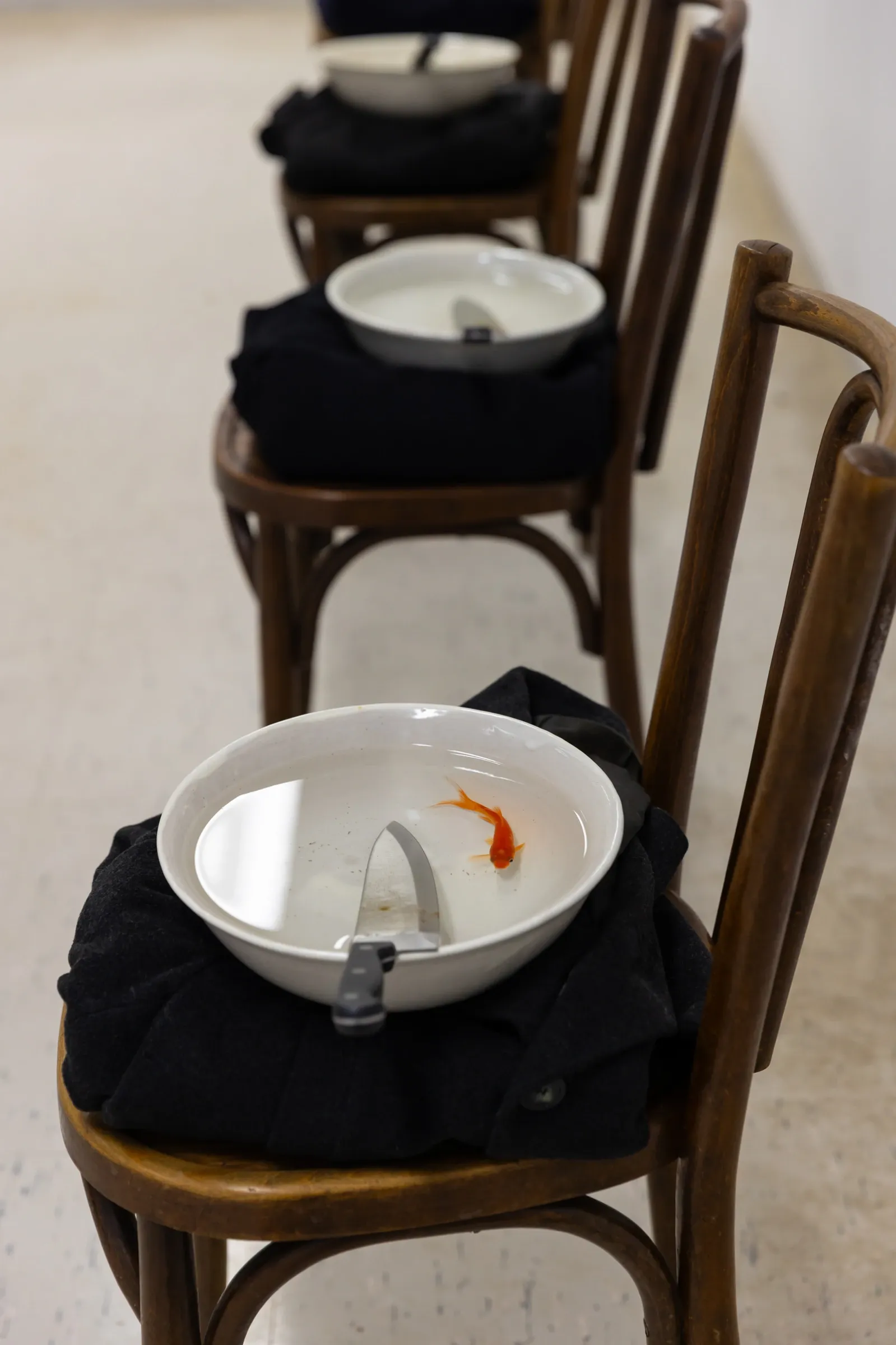
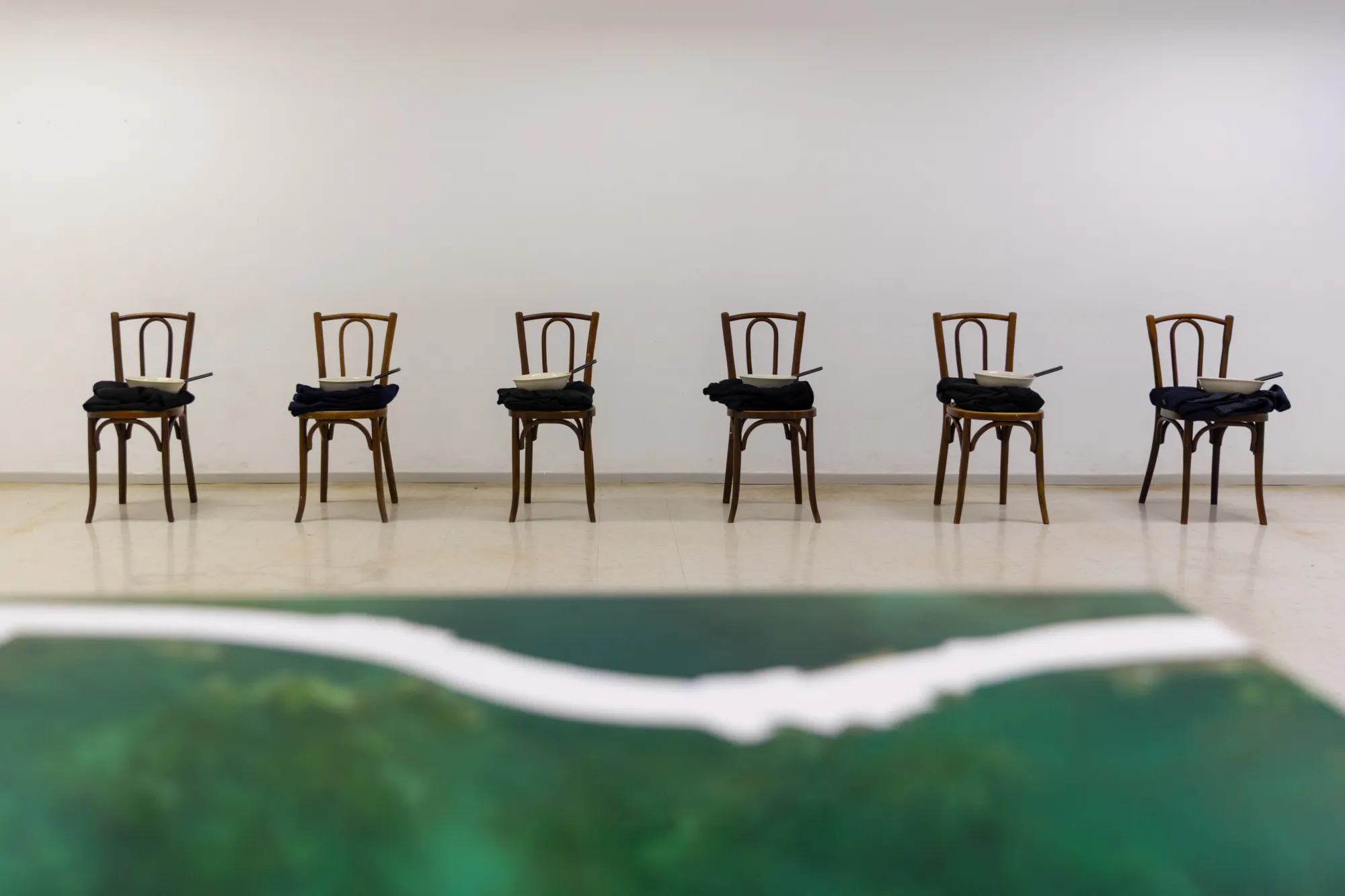
Across the exhibition, Jannis Kounellis introduces one of its plainest and most unsettling images. A row of school chairs carries white bowls of water, a folded coat, a knife laid across a rim and living goldfish turning in confined circles. The work does not explain the knife. It leaves it beside a creature that is, for now, still swimming.
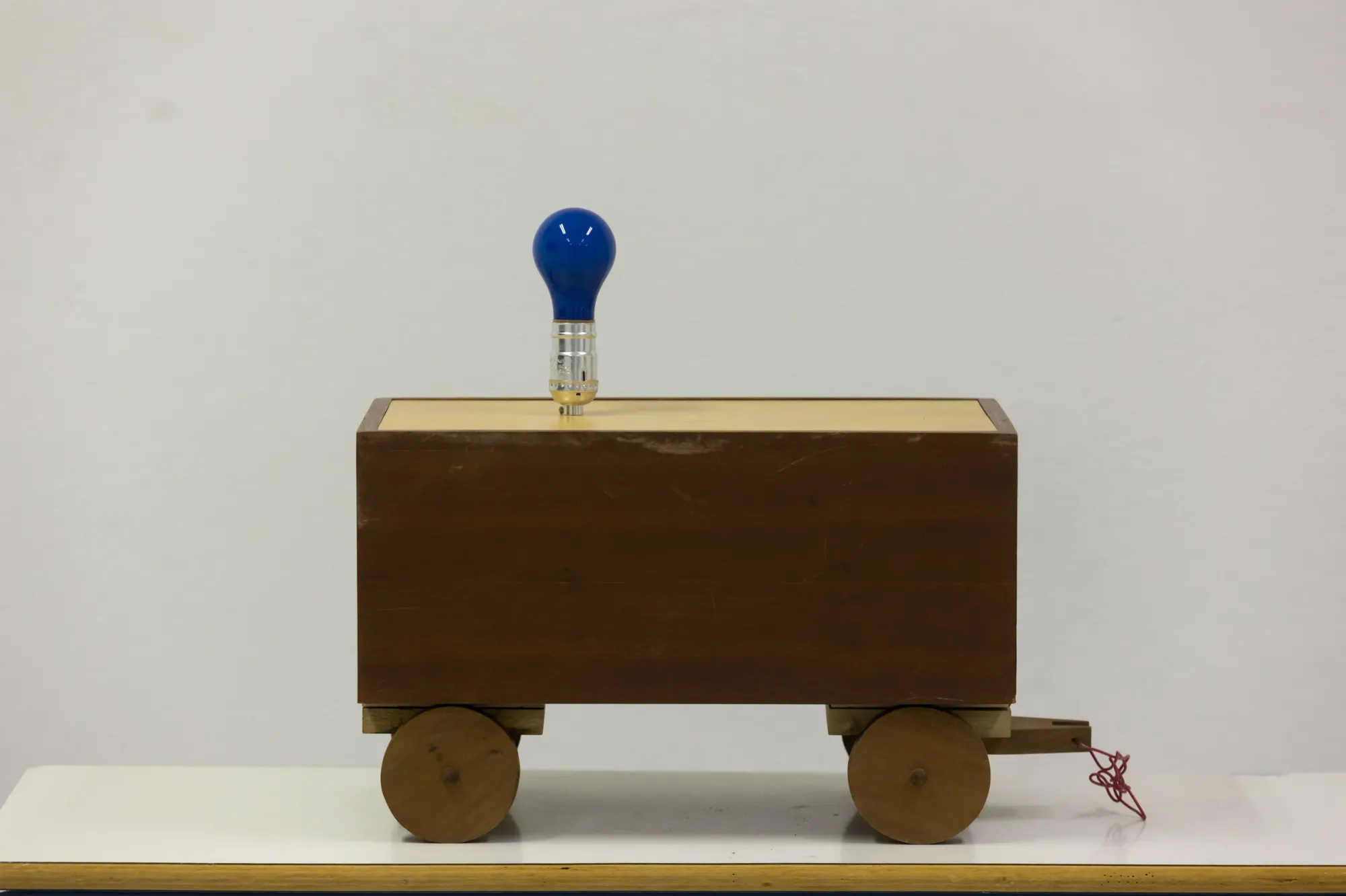
Joe Bradley gives this unease another body. His Schrodinger’s Car sits somewhere between toy, wreckage and small funeral vehicle, assembled from spare parts and the leftover materials of city life.
It feels almost comic at first, until its wheels and coffin-like box begin to suggest another kind of passage, less liquid than stranded, but still caught in transit.
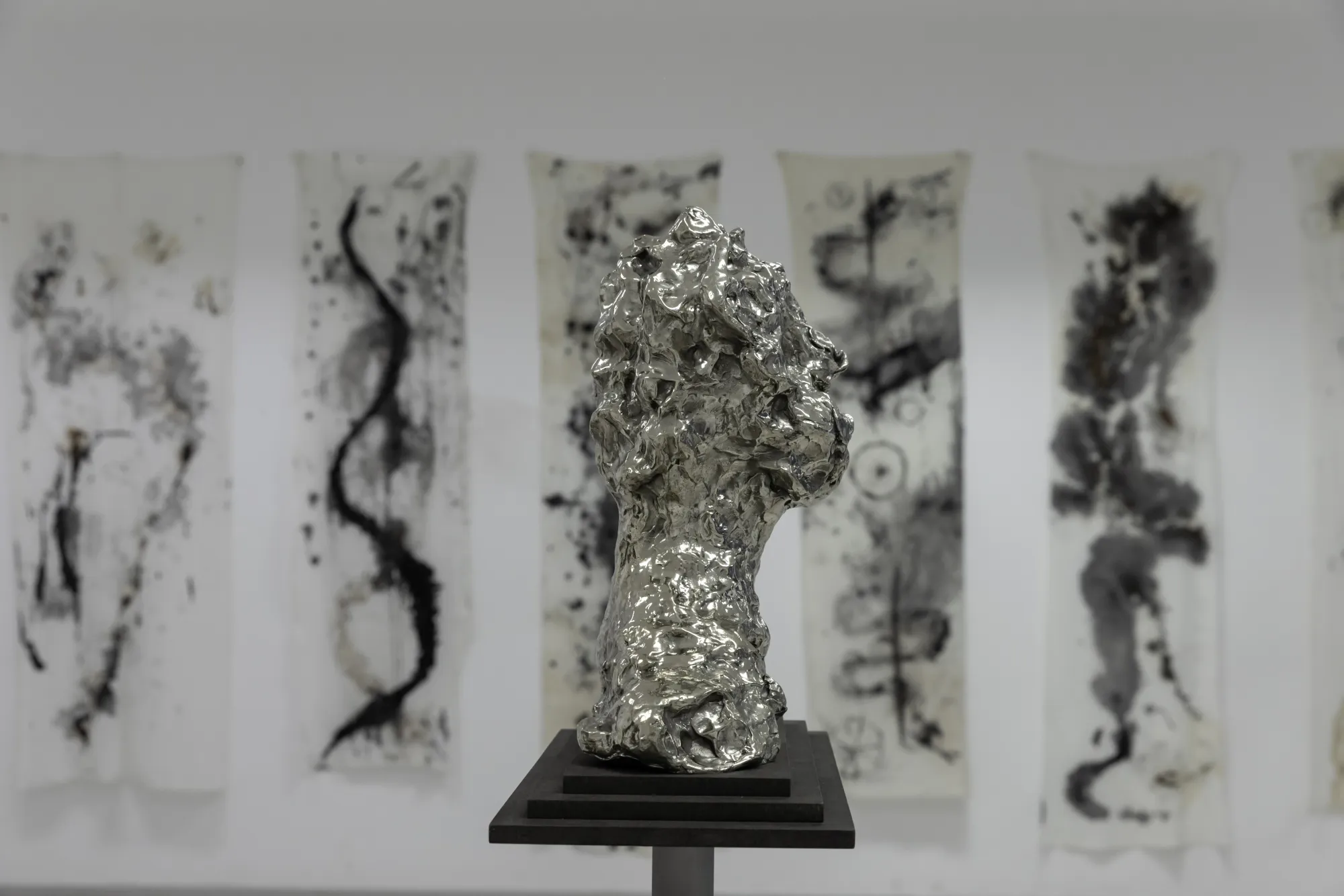
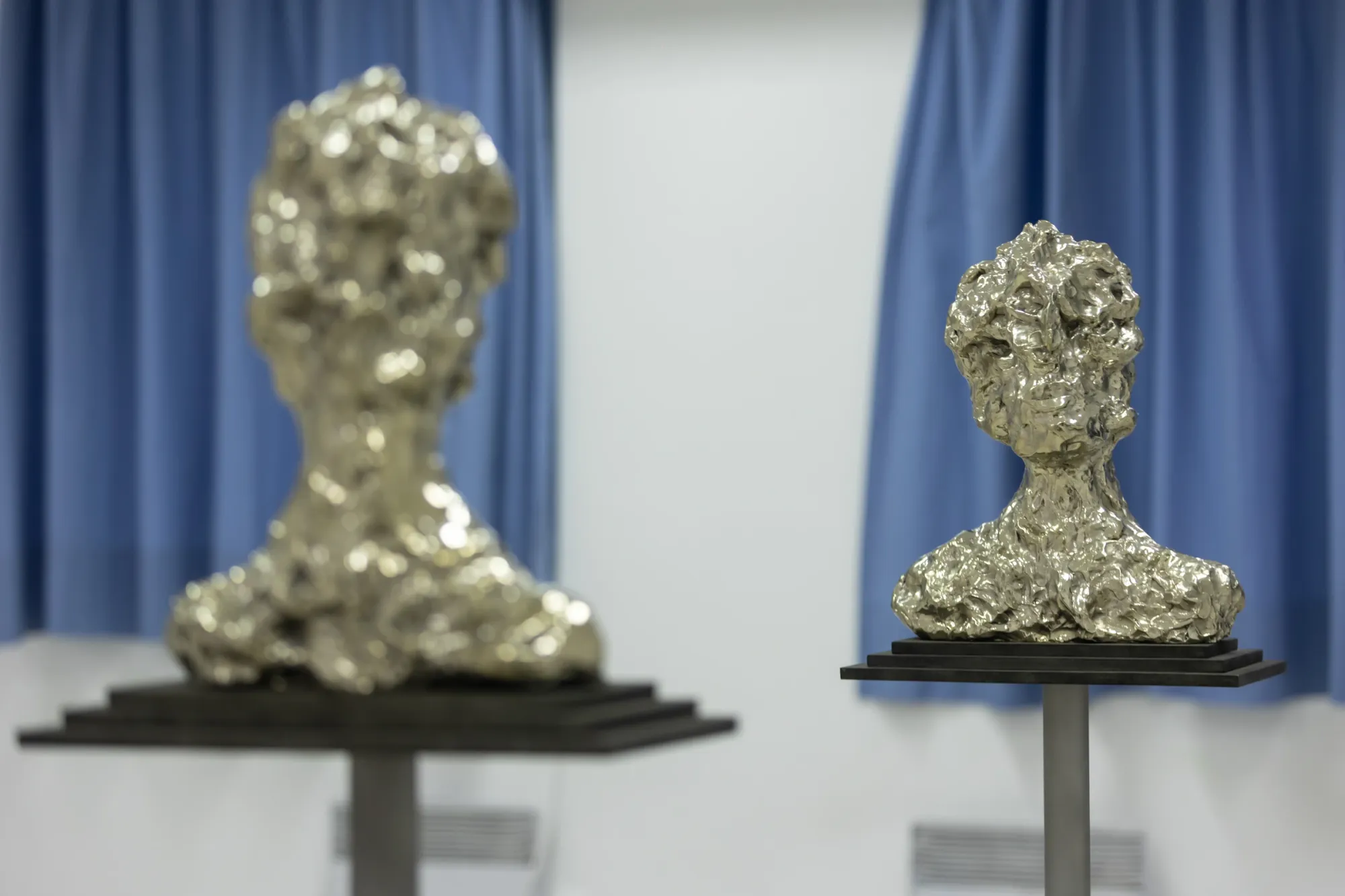
Daniel Silver casts heads in crumpled, foil-like metal that reflects its surroundings rather than offering a stable face. They hold their shape only barely, closer to the moment before a portrait collapses than to a finished likeness. The works develop an idea of architecture that can no longer contain memory, feeling or psychological experience within a fixed structure.
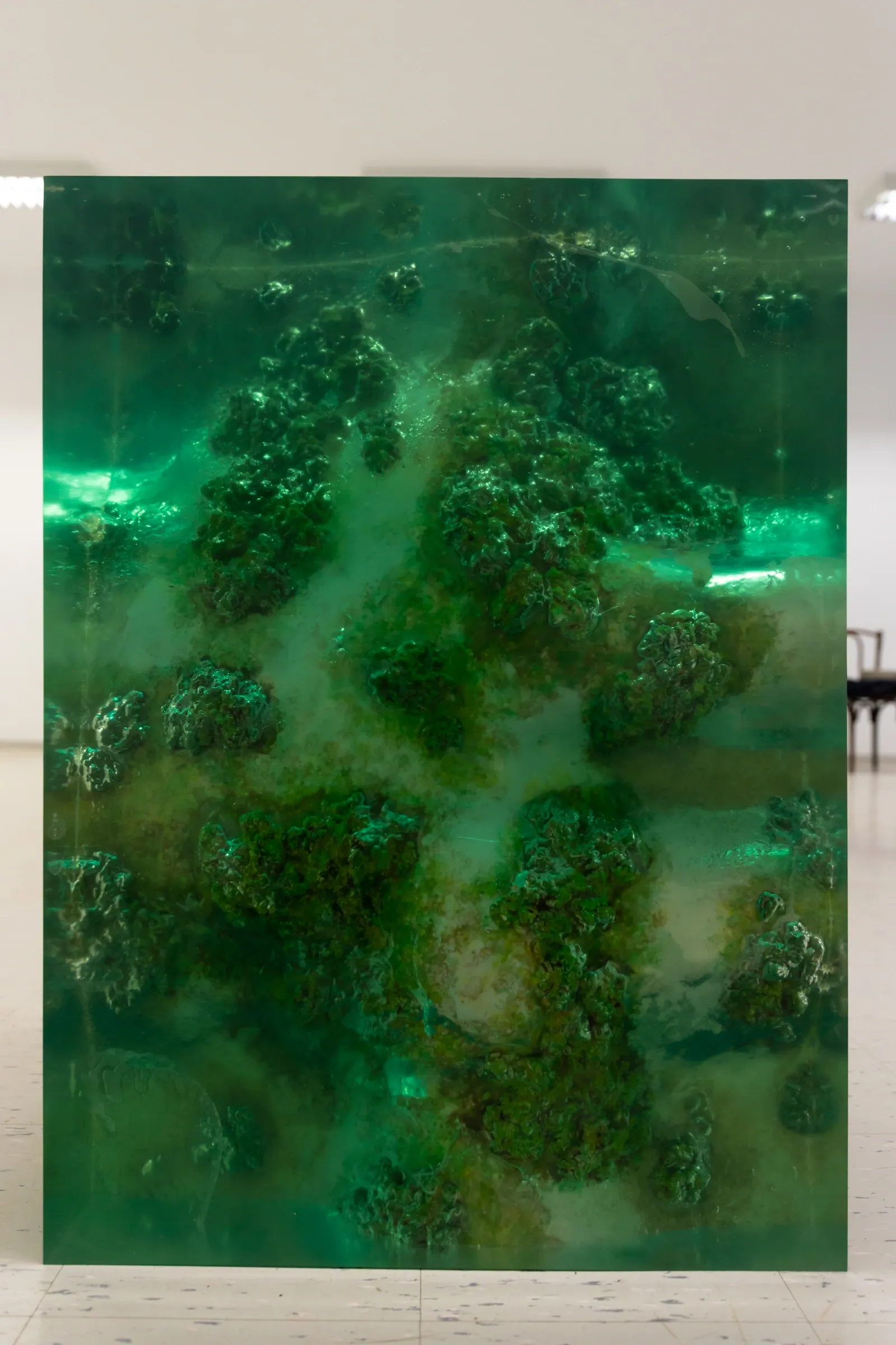
Elsewhere, Ashley Bickerton seals coral-like growths beneath green resin, while Hussein Chalayan allows garments to transform into stitched and water-marked forms. Their works approach the body and the natural world as unstable systems shaped by movement, pressure and human interference.
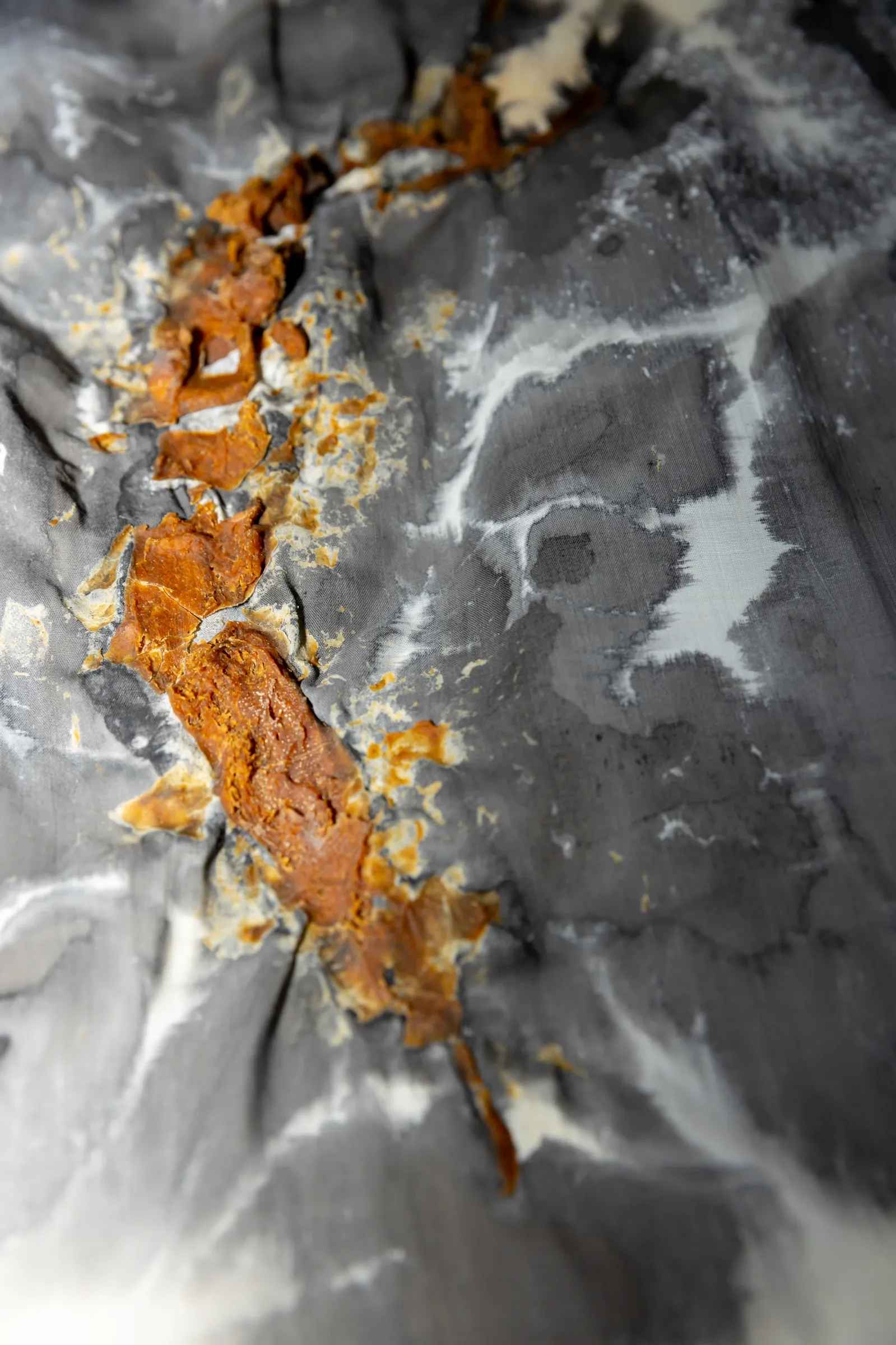
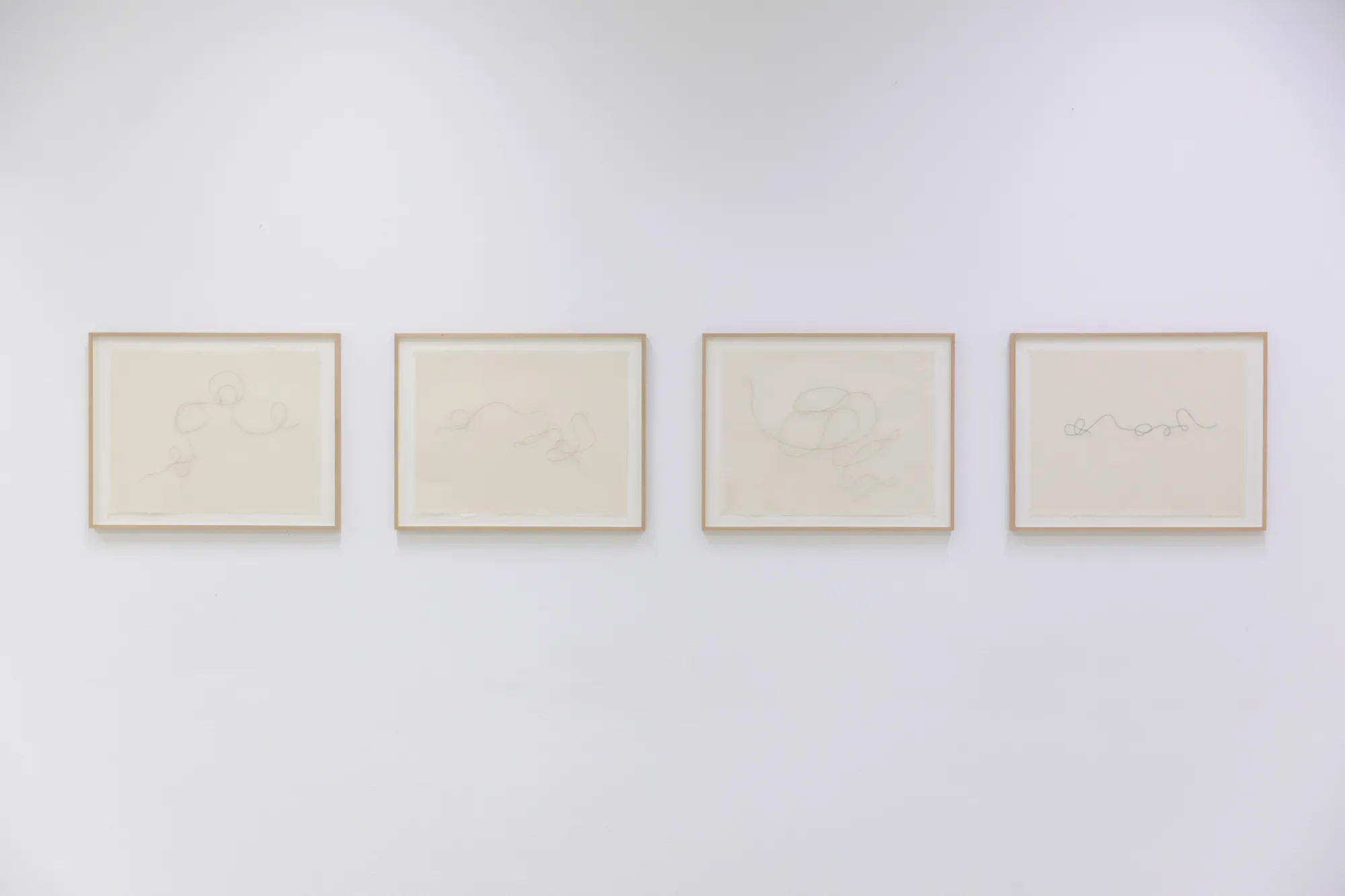
Brice Marden enters more quietly, but with particular force on Hydra, where his lines and fields of colour remain inseparable from the island’s light, rhythms and repeated returns.
Jannis Kounellis brings another kind of gravity through a material language of wood, stone and found objects. Together, Marden and Kounellis provide the exhibition with its deepest conceptual undertow, not water simply as an image, but as a pressure acting upon abstraction, memory and touch.
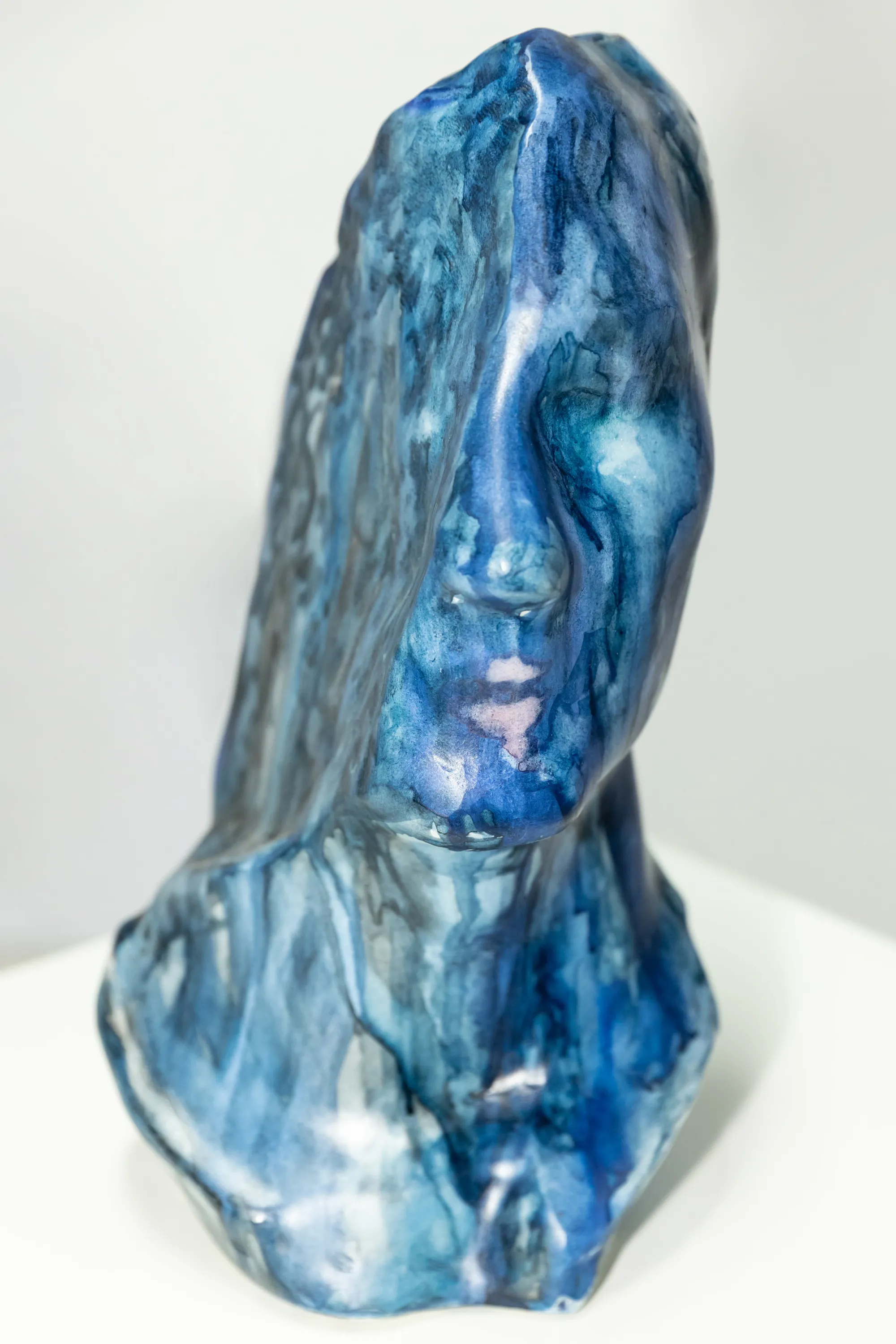
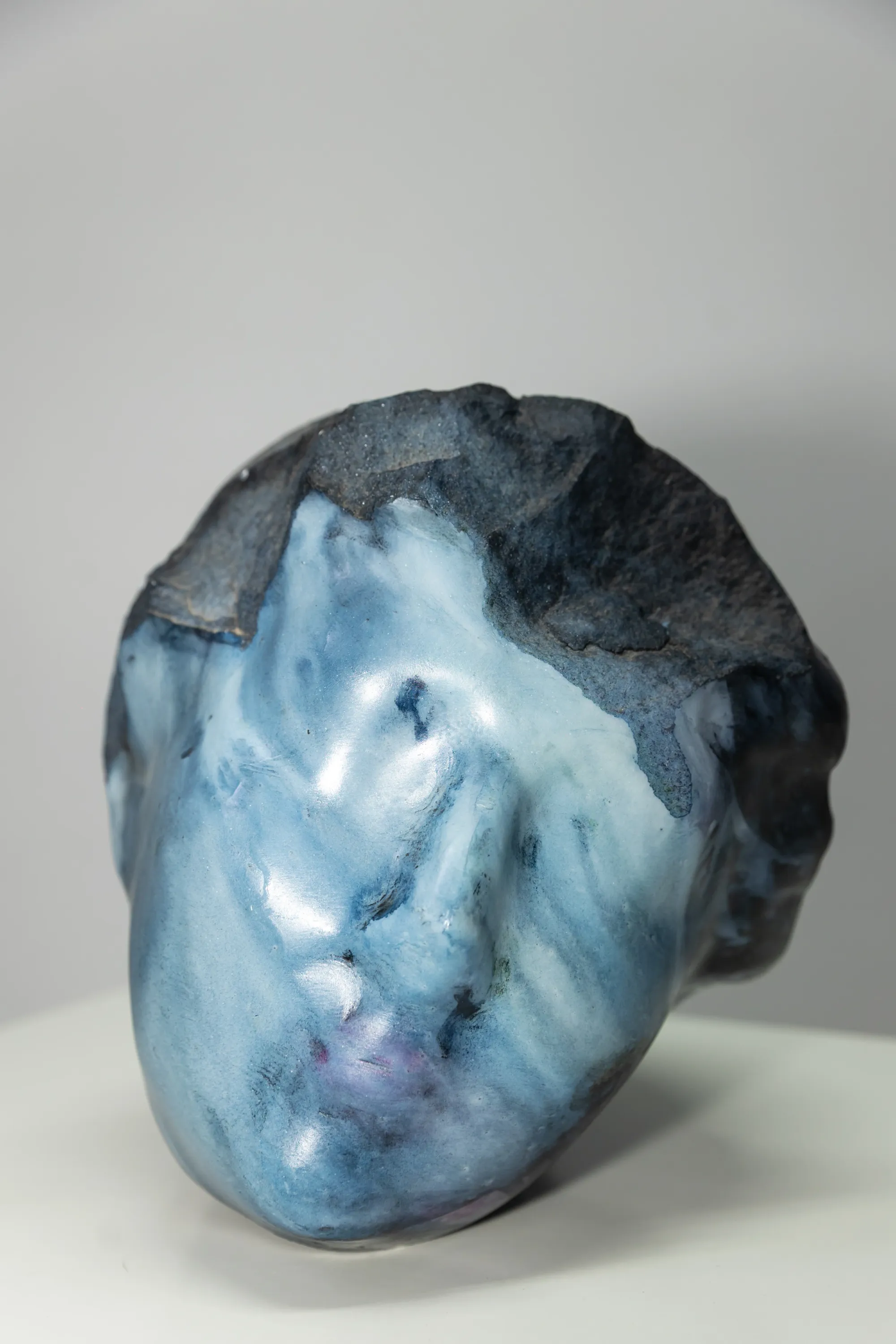
Daniel Silver, works from House of Water, 2026, Hydor/Onar (Water of Dreams), Hydra School Projects, 2026. Photo: Pinelopi Gerasimou. Courtesy Hydra School Projects.
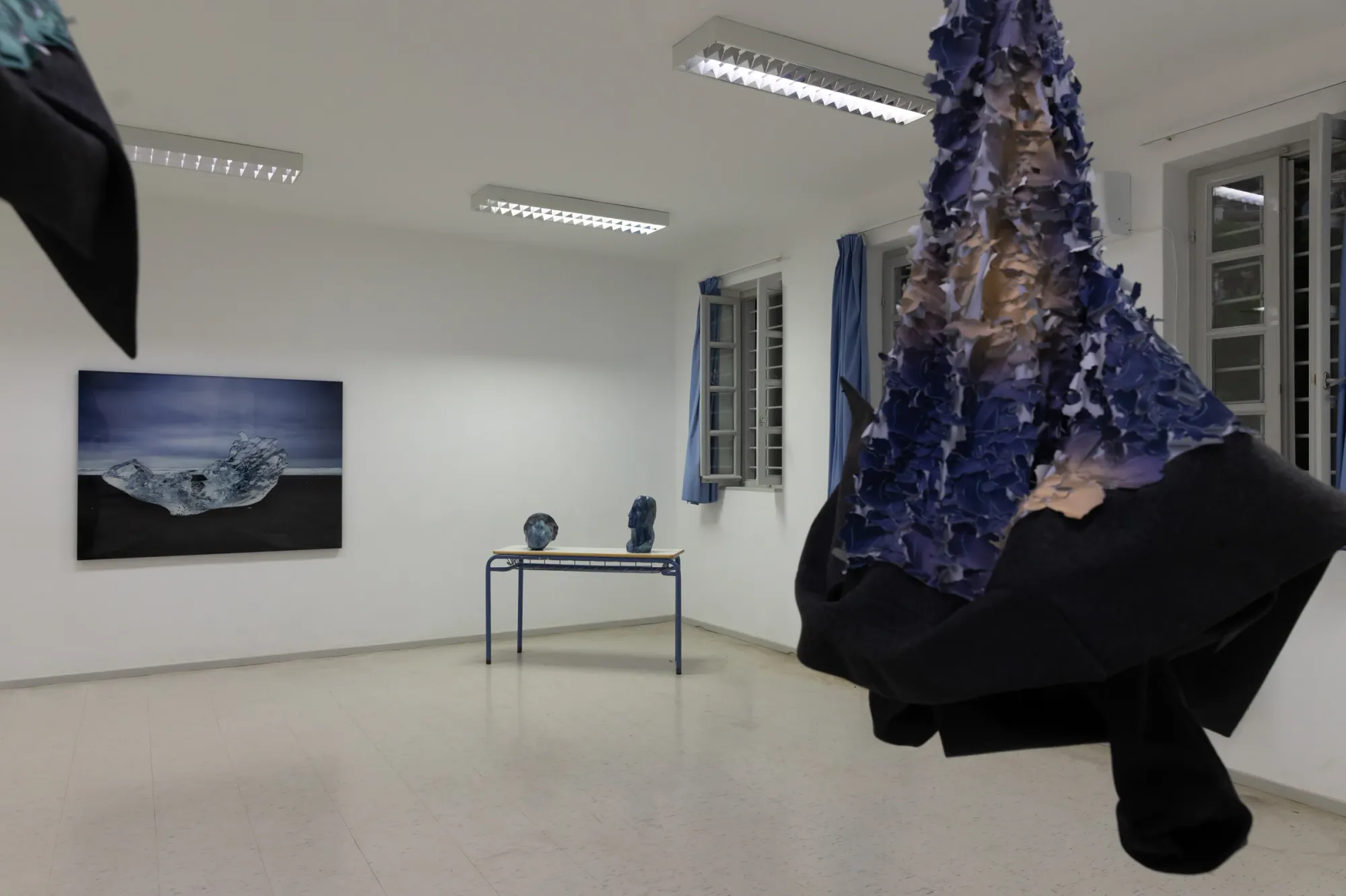
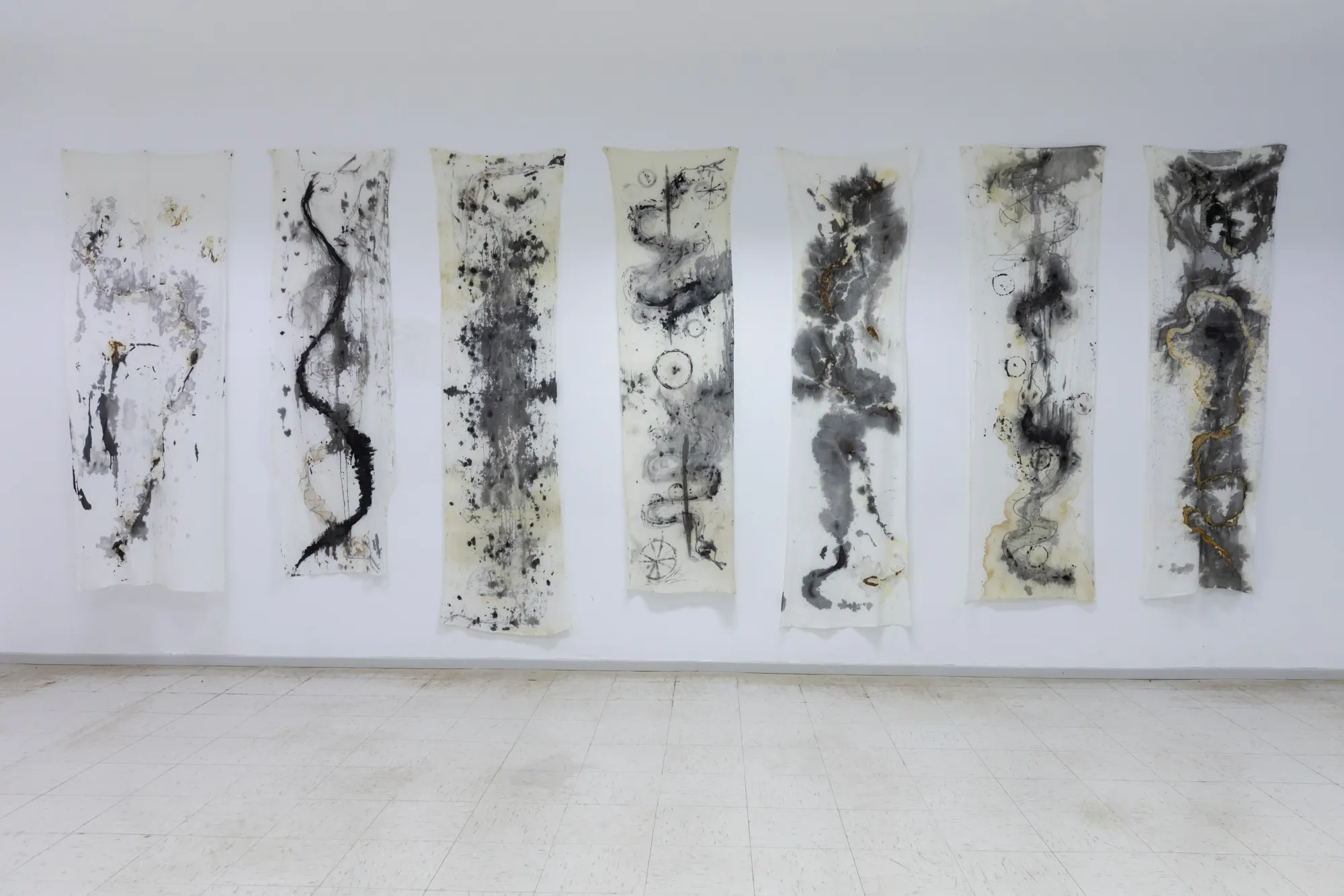
Other works pull the dream inward or outward. Ayumi Paul turns messages and dreams into stitched movement, Fokion Zissiadis brings remote geological terrains into the exhibition through photography, and Dimitrios Antonitsis carries water into the body through Shrouds, a series shaped by mourning, release and energetic change.
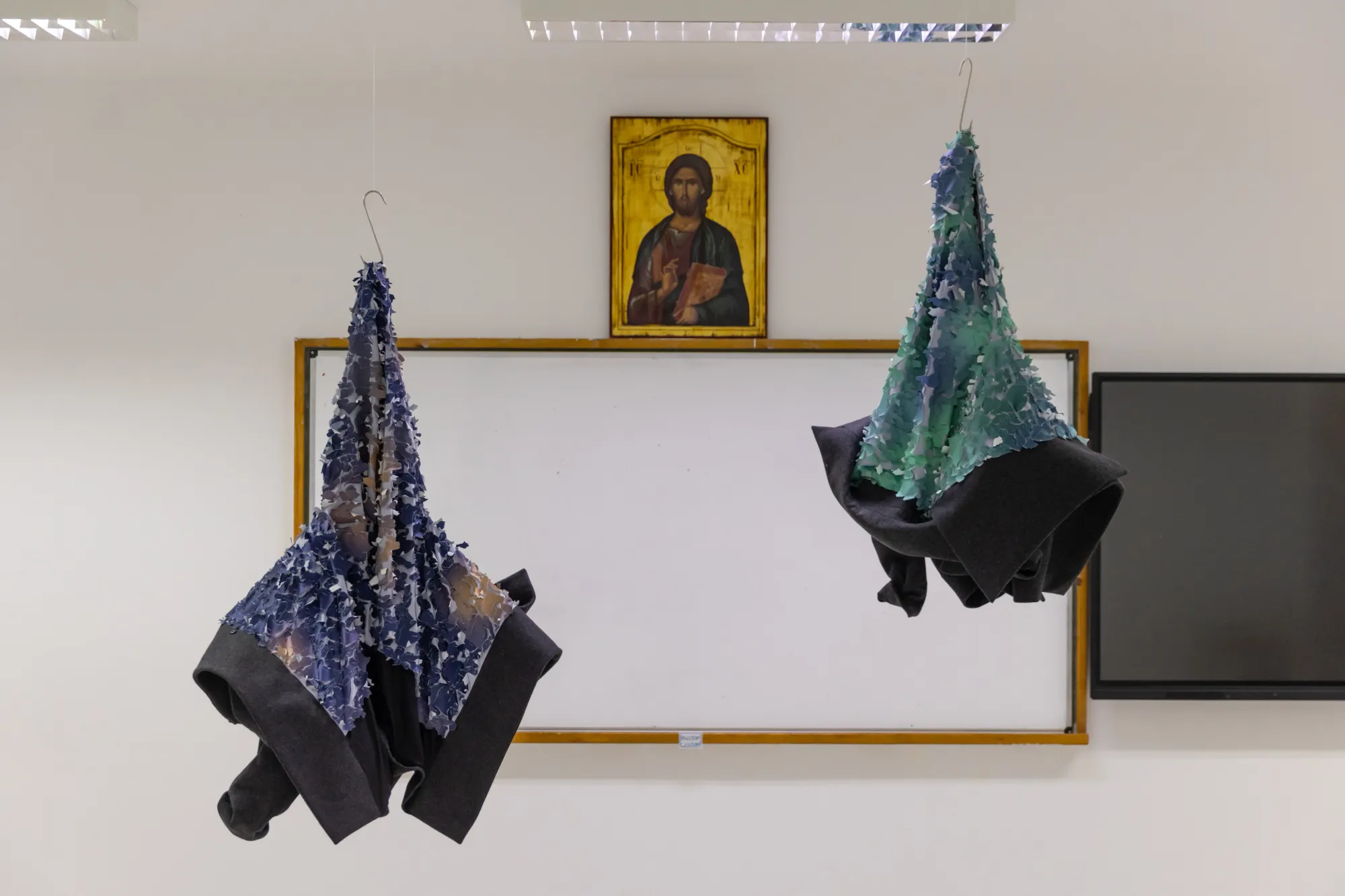
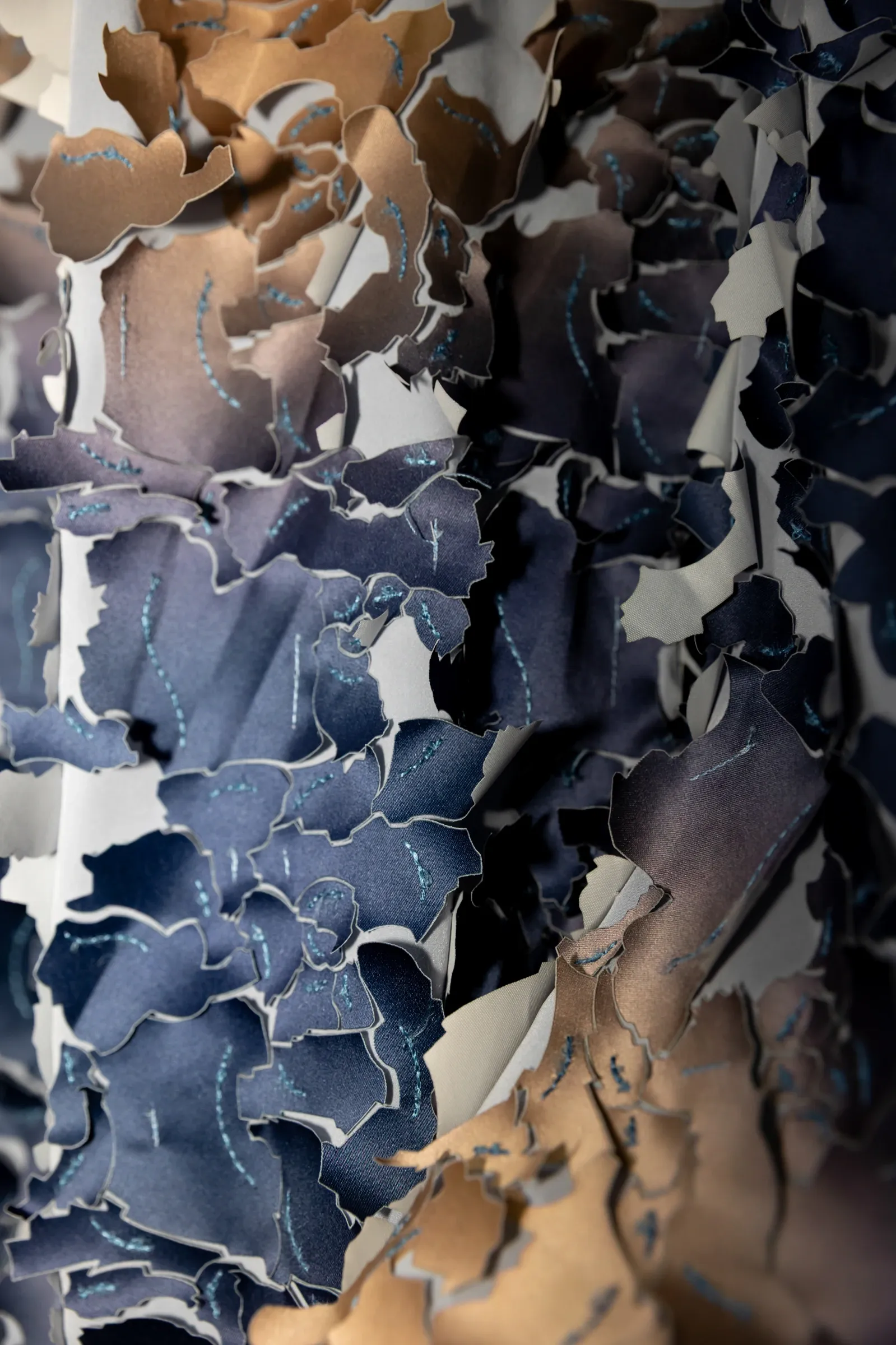
None of this arrives as ecological message, exactly, though the urgency sits close to the surface. Charitonidi is explicit about it, industrial hardware pushing through ceramic in a piece about oceans crowded by human infrastructure.
But the show's quieter argument is that reverie is not a luxury opposed to real problems. At a moment when water is mostly discussed as a resource to be measured and argued over, dreaming through it reads as a different kind of attention.
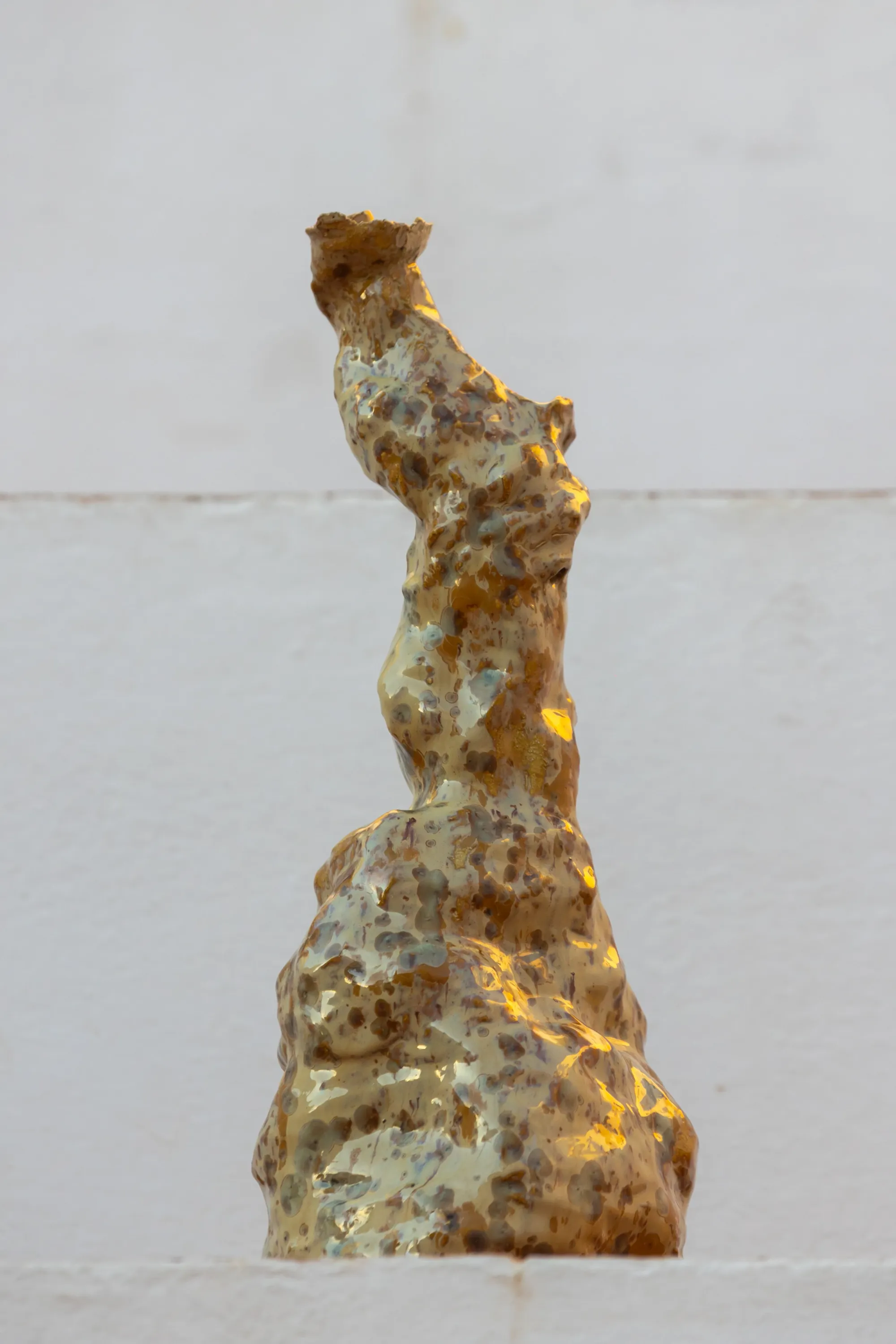
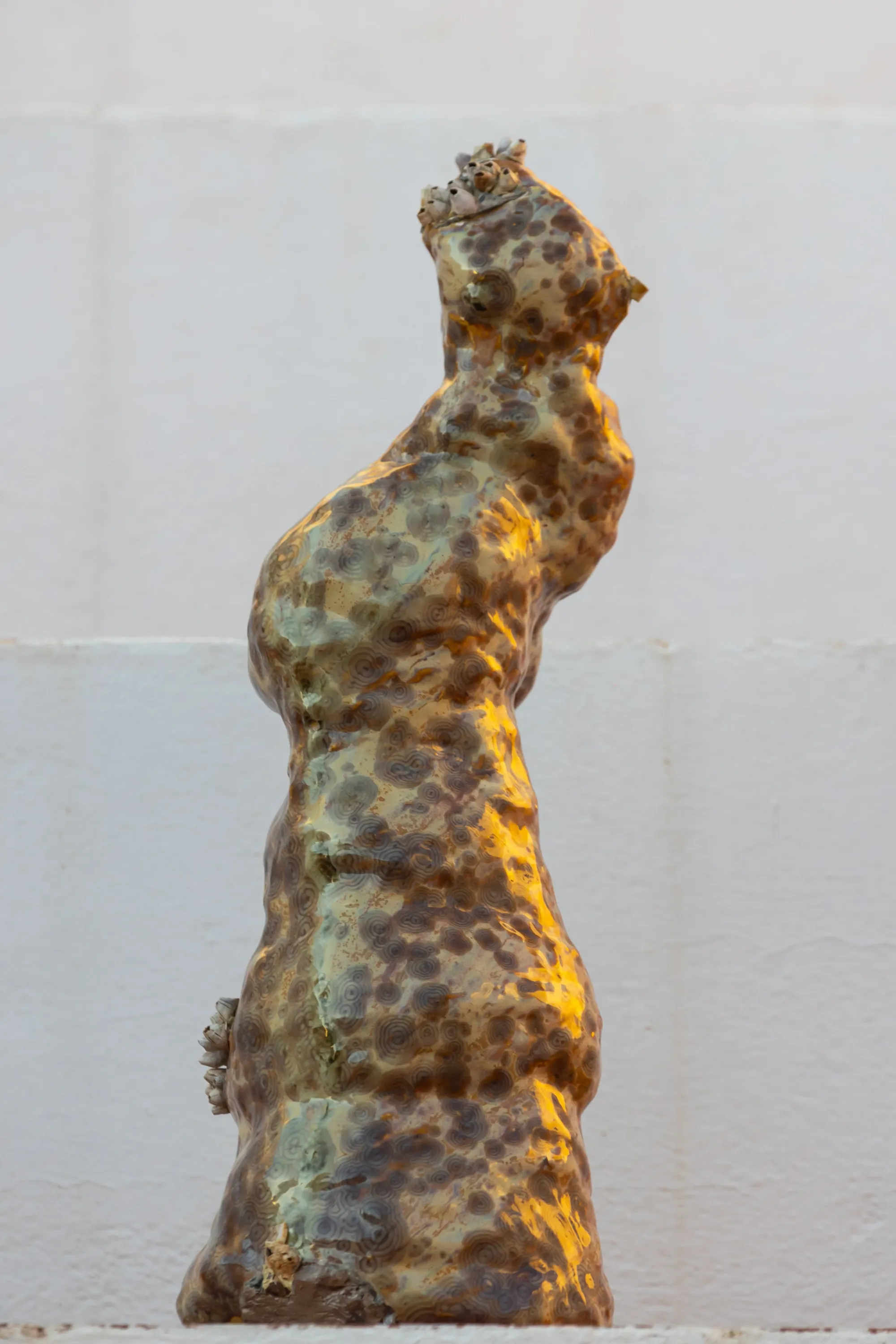
Despina Charitonidi, ceramic works, Hydor/Onar (Water of Dreams), Hydra School Projects, 2026. Photo: Pinelopi Gerasimou. Courtesy Hydra School Projects.
By the time the light drops low enough to turn the black reflecting pool gold, the marble in the courtyard has stopped looking like stone at all. It looks like something caught mid thaw, holding a shape it may not keep past the season. Lithos asked what survives.
Hydor/Onar asks what happens to memory once it stops resisting the current and starts moving with it instead.
Hydra School Projects on Instagram
About Catapult Contemporary - Art Platform Submission
This is a exhibition review published by Catapult — an independent editorial platform for contemporary art, based in Vienna. We publish exhibition reviews, artist features, interviews, and critical context, with a focus on emerging and mid-career practices from Europe and beyond.
catapult.art
Want to be featured? Submit your work →