Shame Has a Geology - Dino Cama and Rune Lambrecht at Gallery Fusion

Gallery Fusion Presents GRIHODDA in Vejle
Gallery Fusion presents GRIHODDA, a duo exhibition by Dino Cama and Rune Lambrecht, through May 17, 2026.
The word itself comes from two places that should not share a vocabulary. The Bosnian grihota carries the weight of sin, shame, and what could have been otherwise, a word shaped by the specific gravity of collective grief.
The Bornholmian hodda points in a different direction: it is the small shed, the lean-to, the space added onto a house. It speaks of building outward, of making room for what comes next.
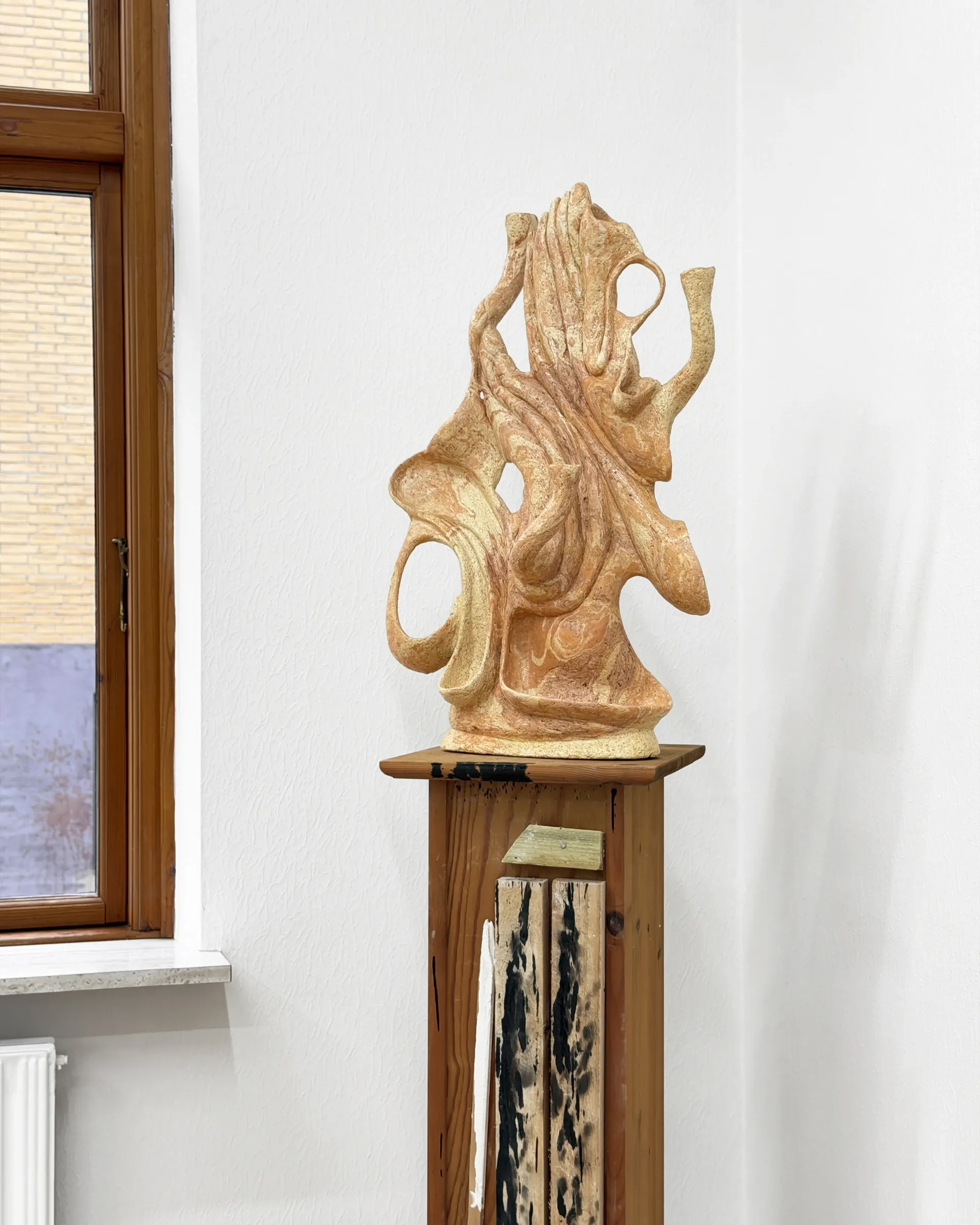
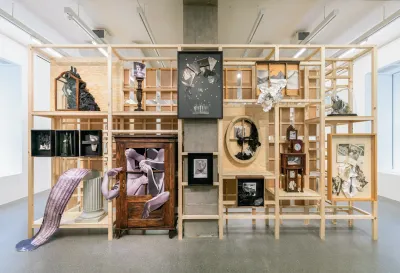
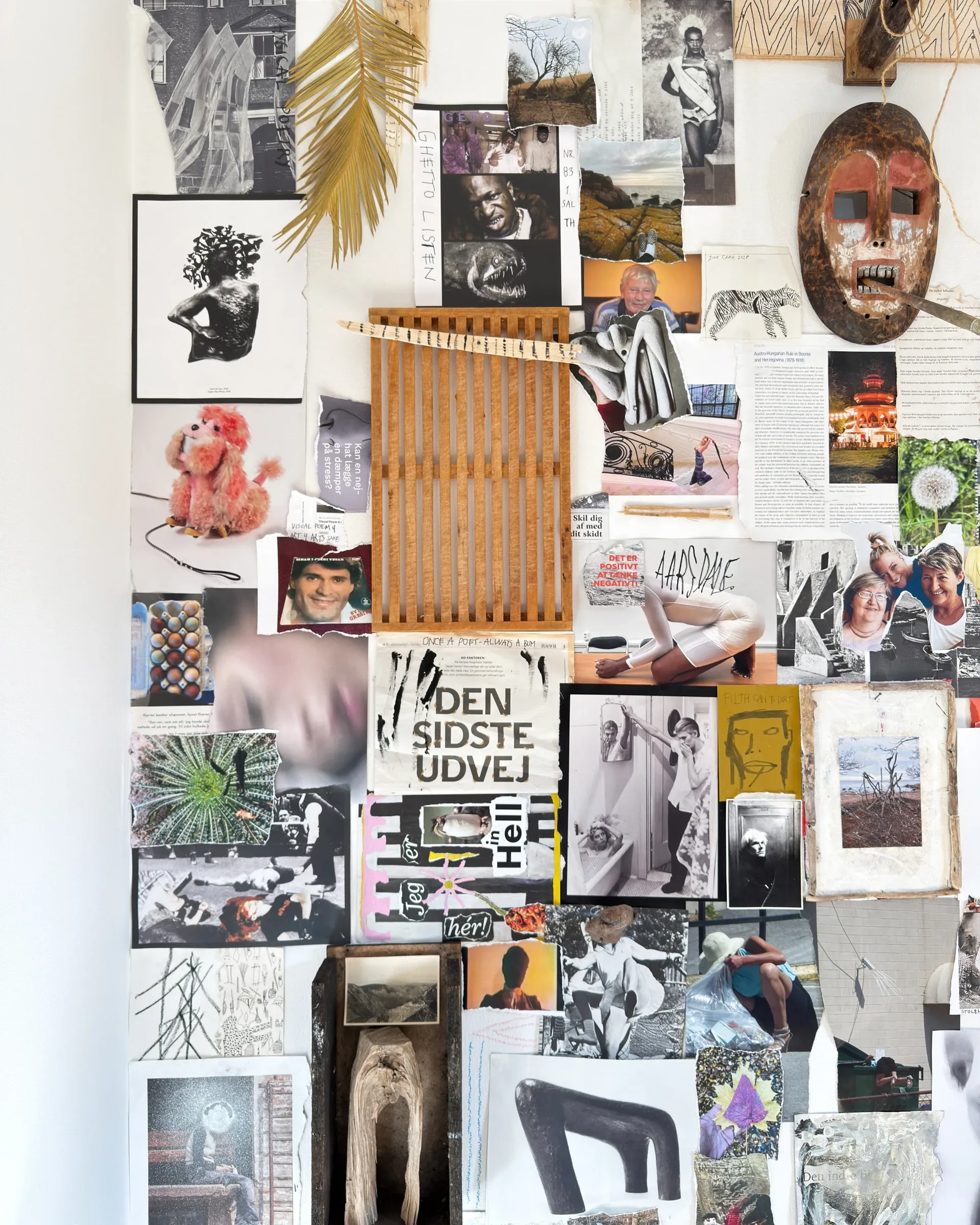
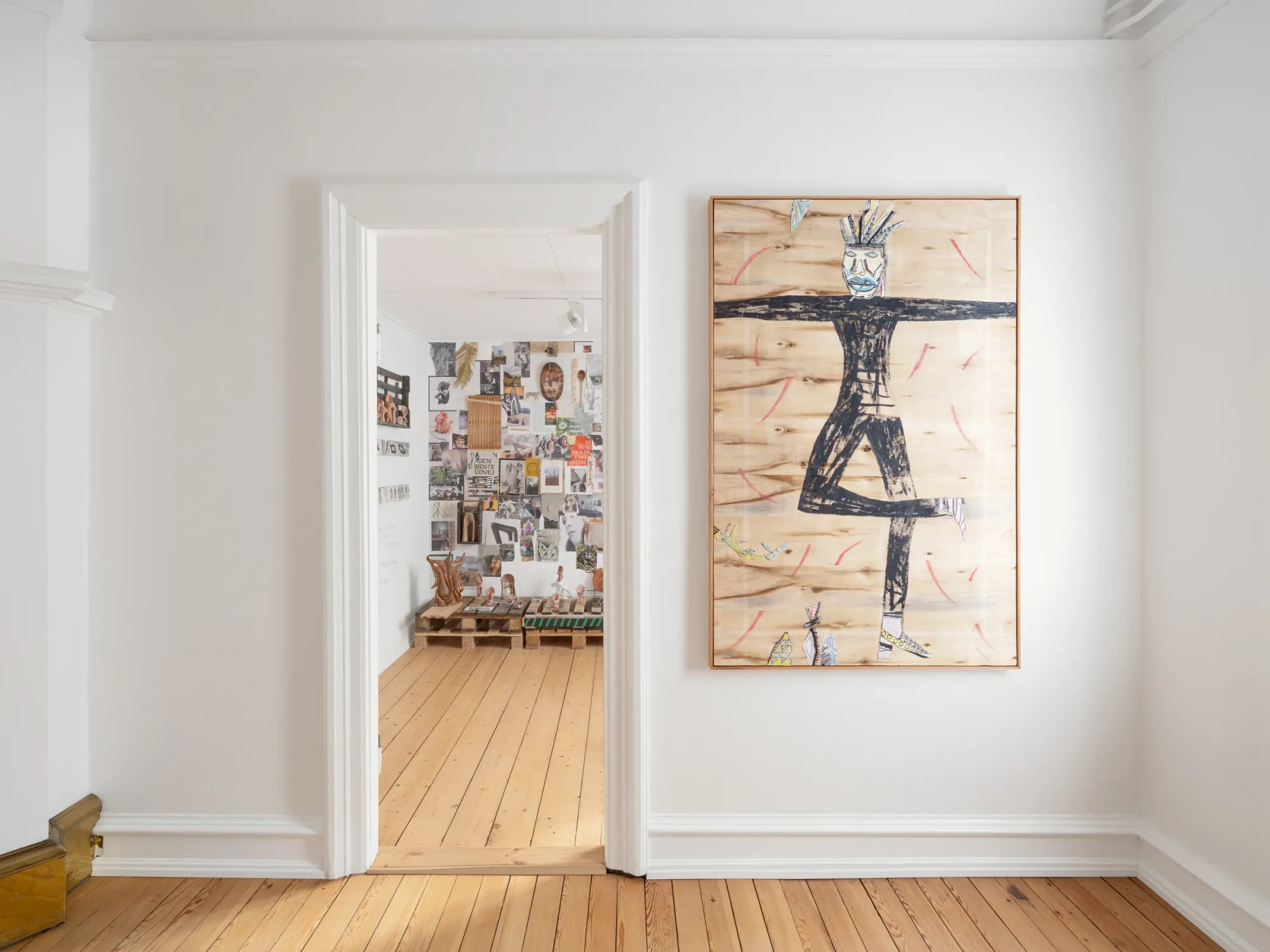
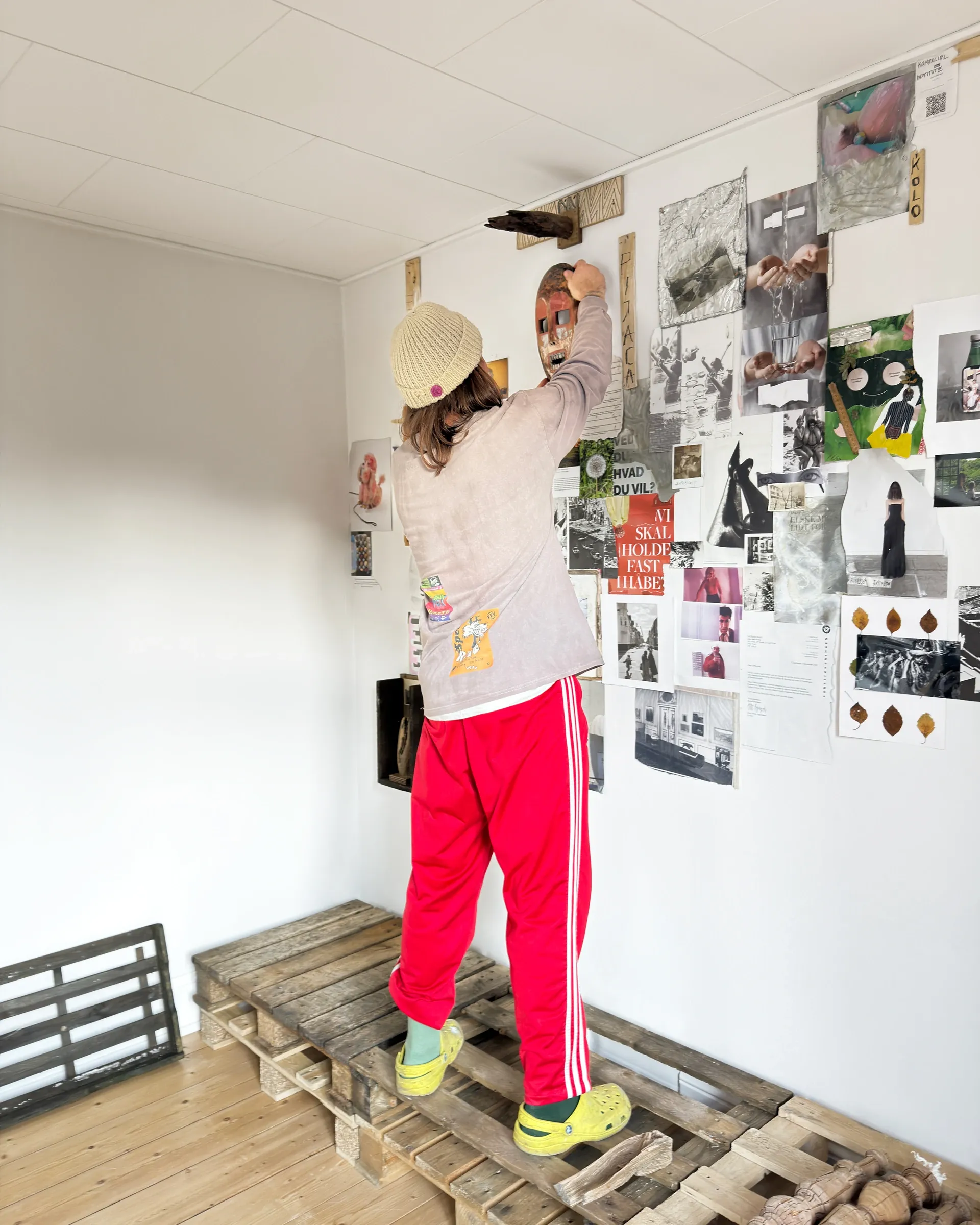
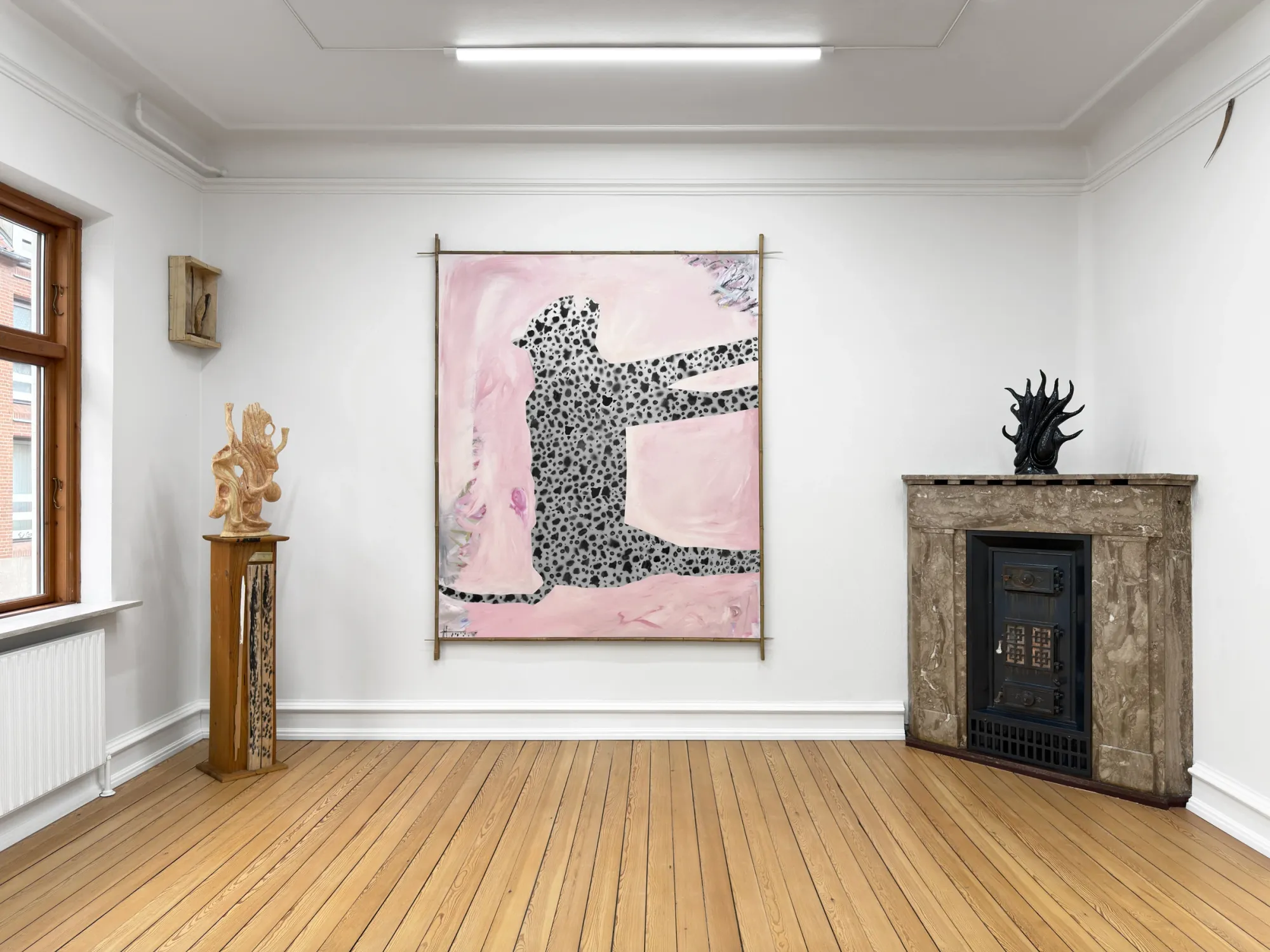
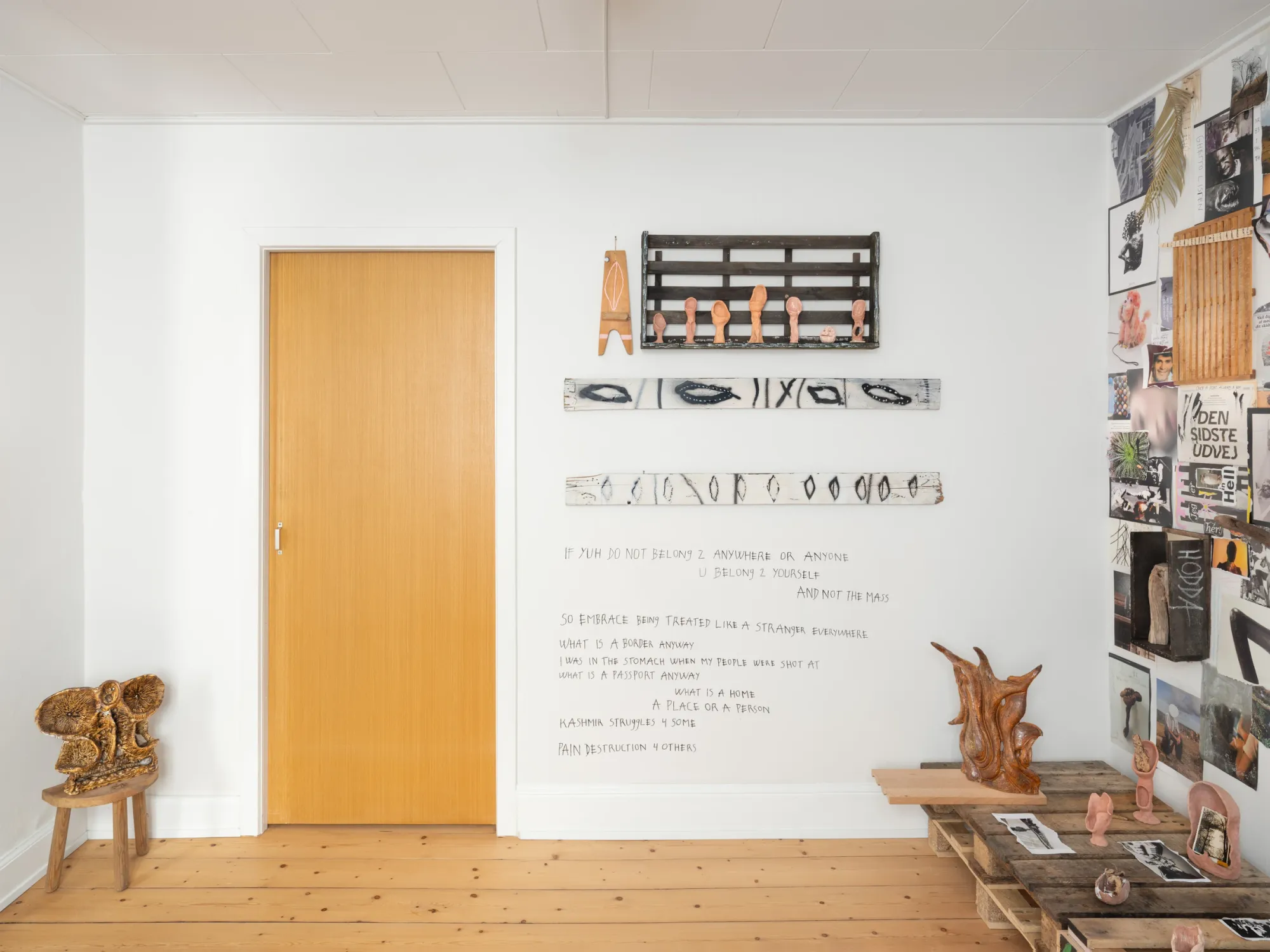
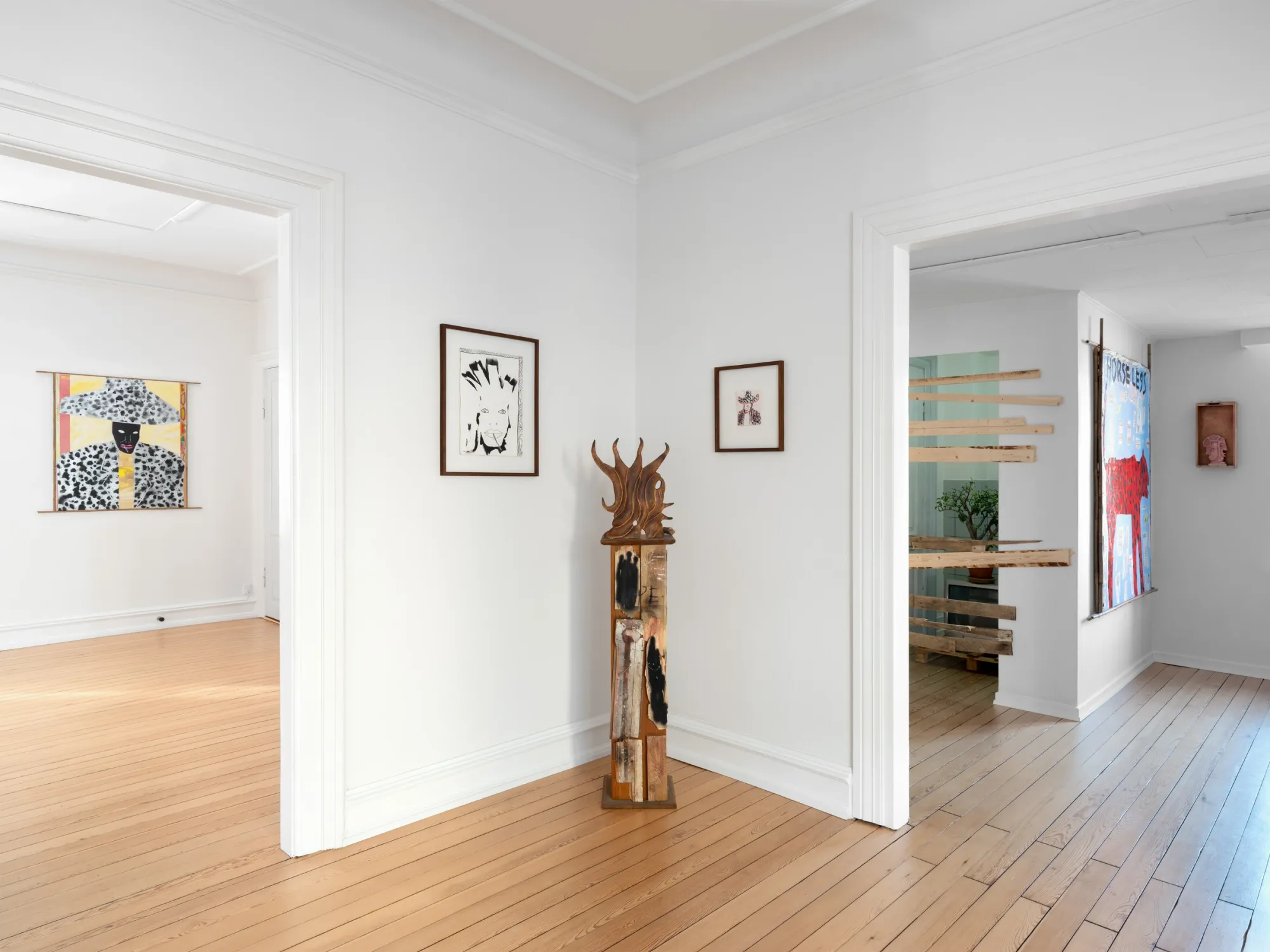
Gallery Fusion: Installation view, Grihodda, 2026. Photo: Jonas Ojczyk (left) - (right) Rune Lambrecht, collage wall detail, Grihodda, 2026. Photo: Jonas Ojczyk
There is something in this exhibition that resists resolution. Not because the artists refuse to commit, but because accumulation, as process, is never finished.
Layers do not arrive with explanations. They press in, settle, and in time become indistinguishable from the substrate.
Dino Cama, Rune Lambrecht
GRIHODDA
Gallery Fusion
Vejle, Denmark
–
Jonas Ojczyk, Sofus Graae
Courtesy Gallery Fusion
What accumulates in a body is not so different from what accumulates in a landscape. Neither asks permission. Both keep everything.
"What accumulates in a body is not so different from what accumulates in a landscape. Neither asks permission. Both keep everything."
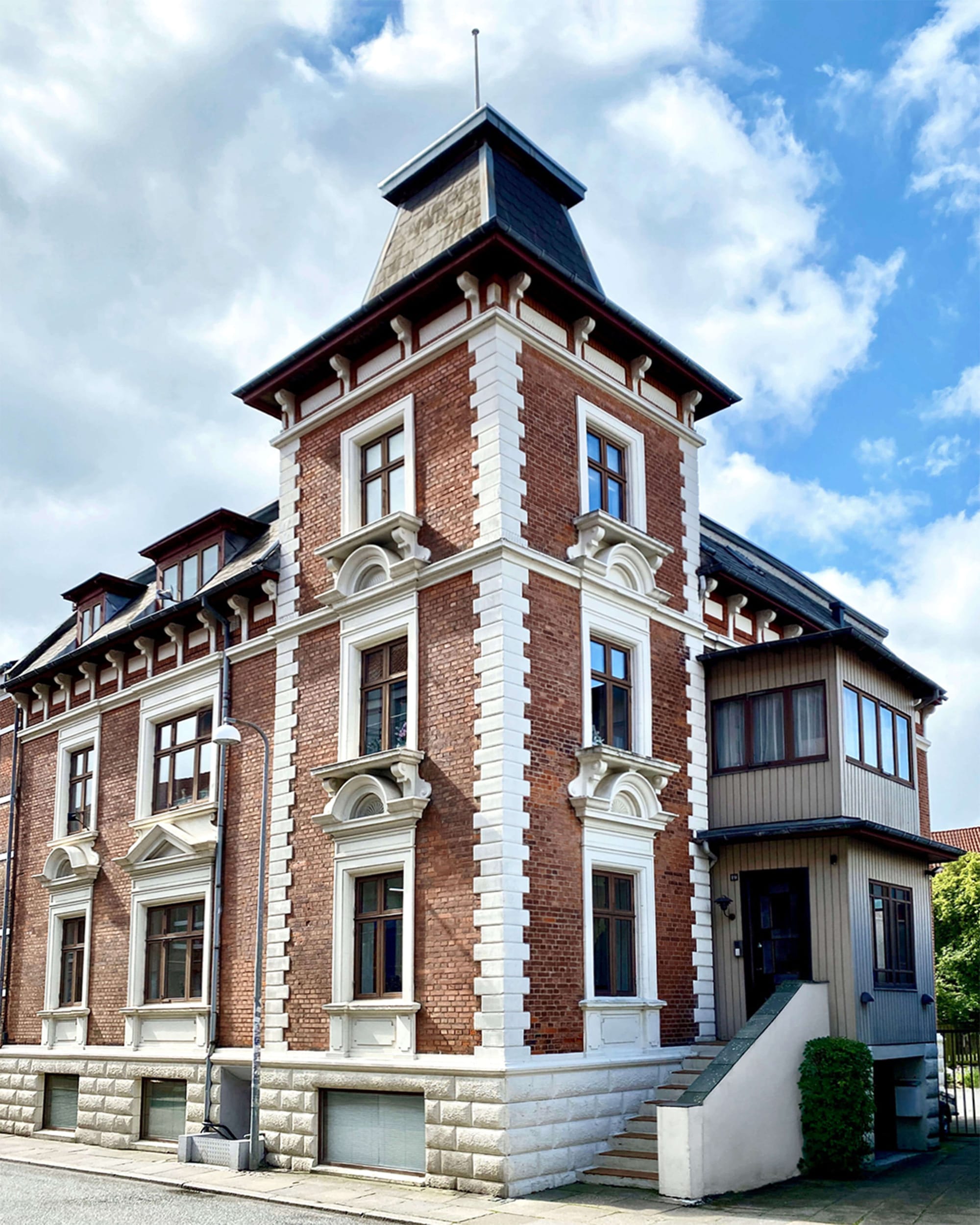
Gallery Fusion occupies a period villa in central Vejle, with high ceilings, old fireplaces, floors that carry the sound of anyone who walks through.
GRIHODDA fills these rooms without performing at them.
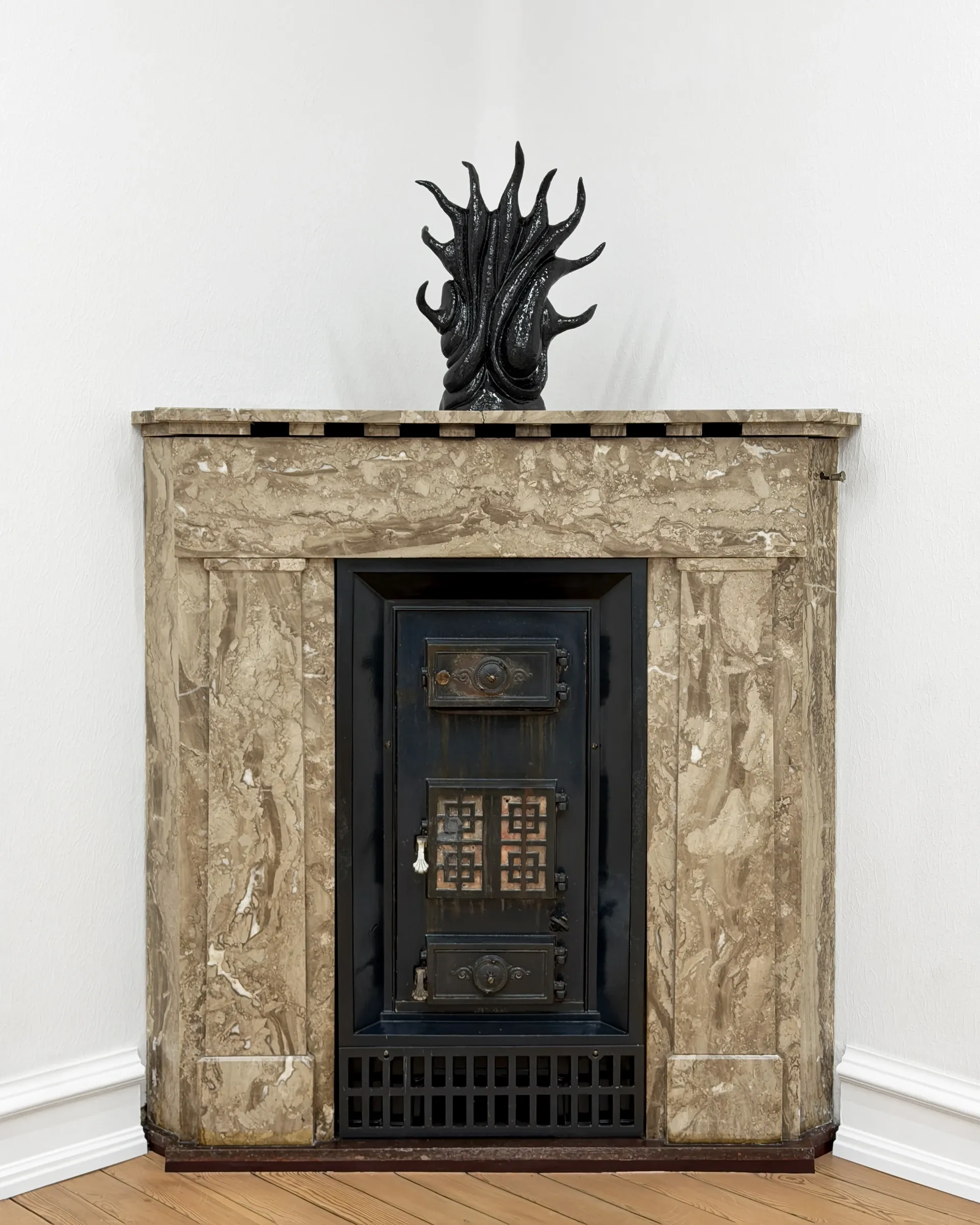
In one, a Lambrecht sculpture sits directly on a fireplace mantel, its dark crown-like form rising above the cold iron grate. The architecture becomes complicit without being asked.
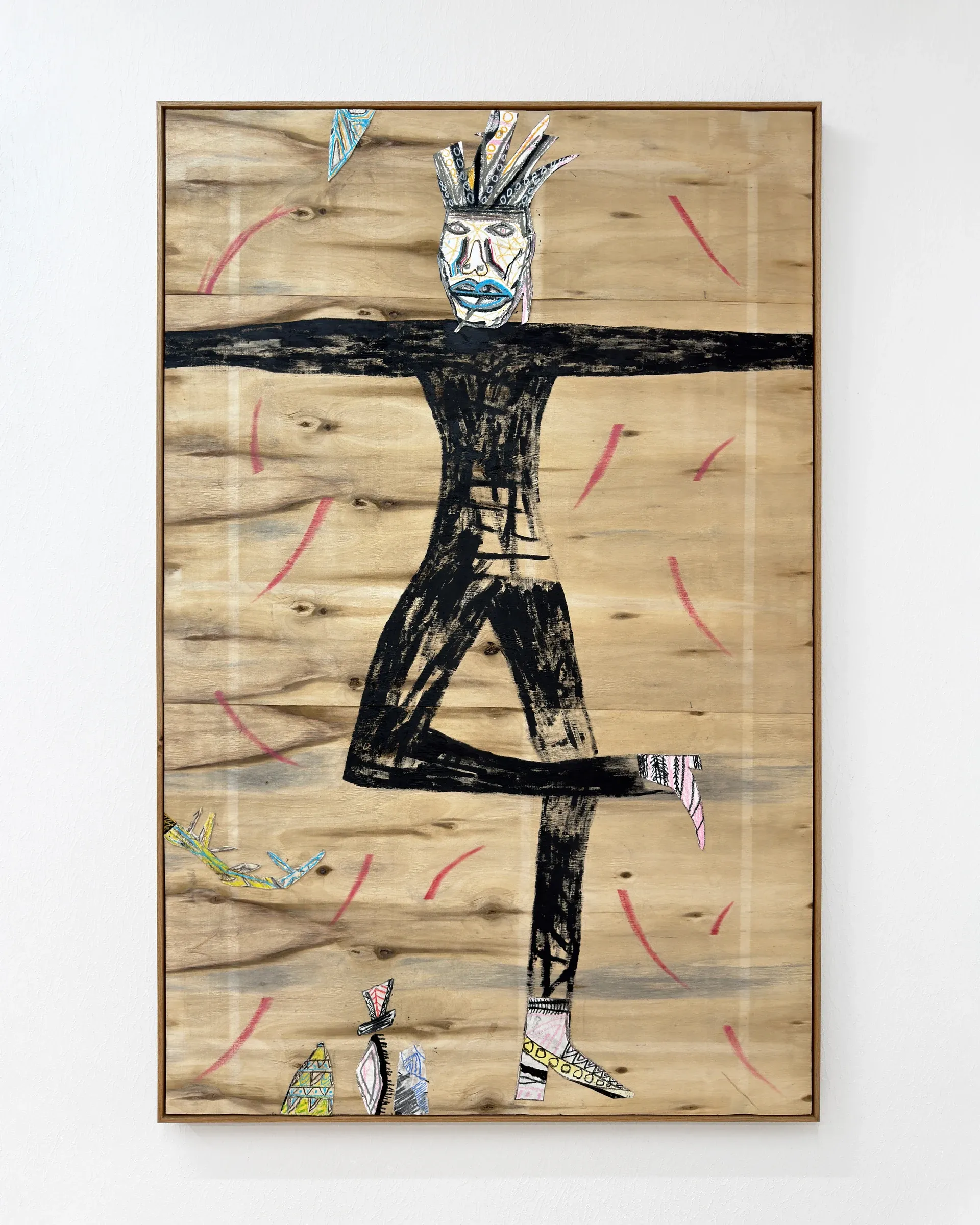
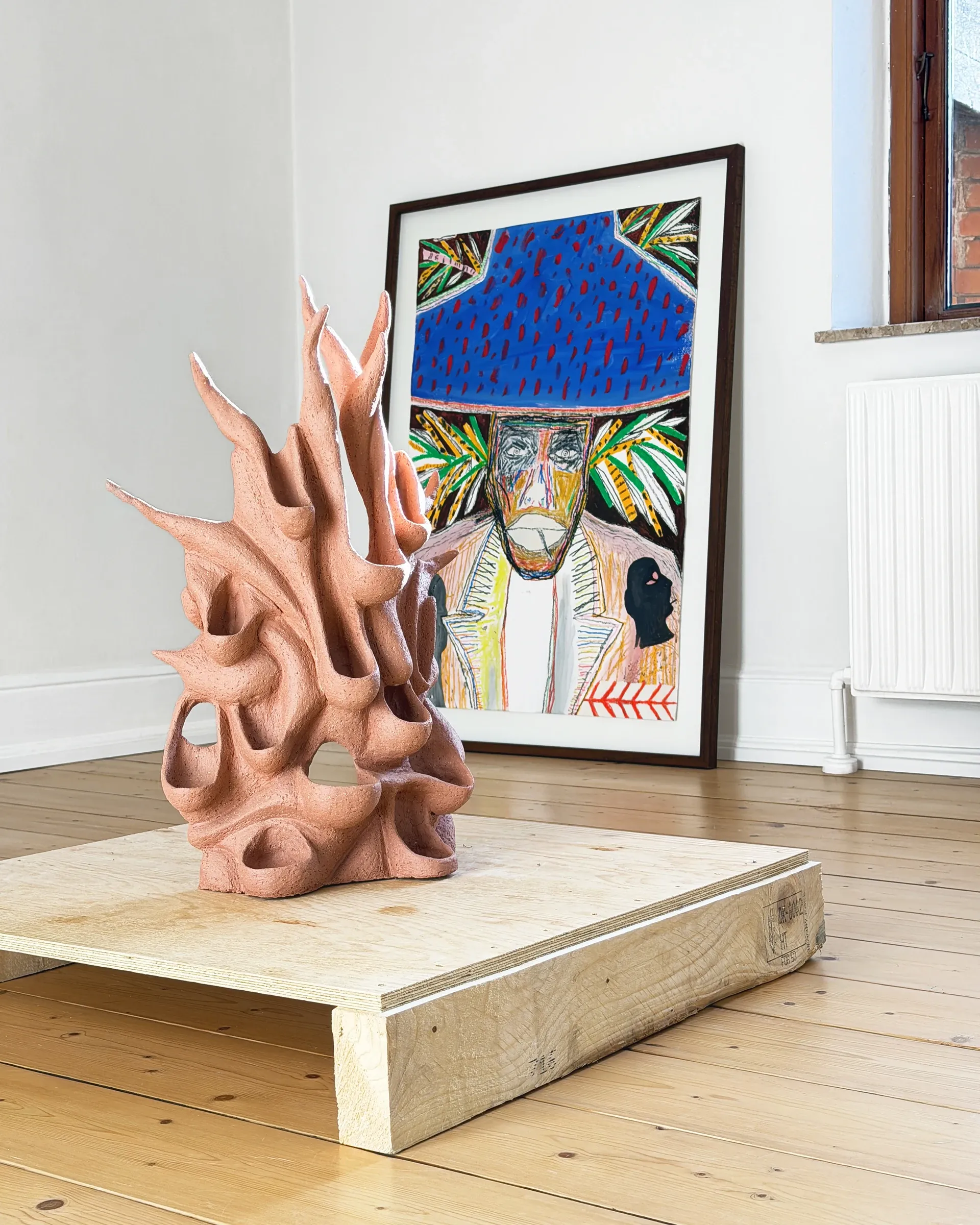
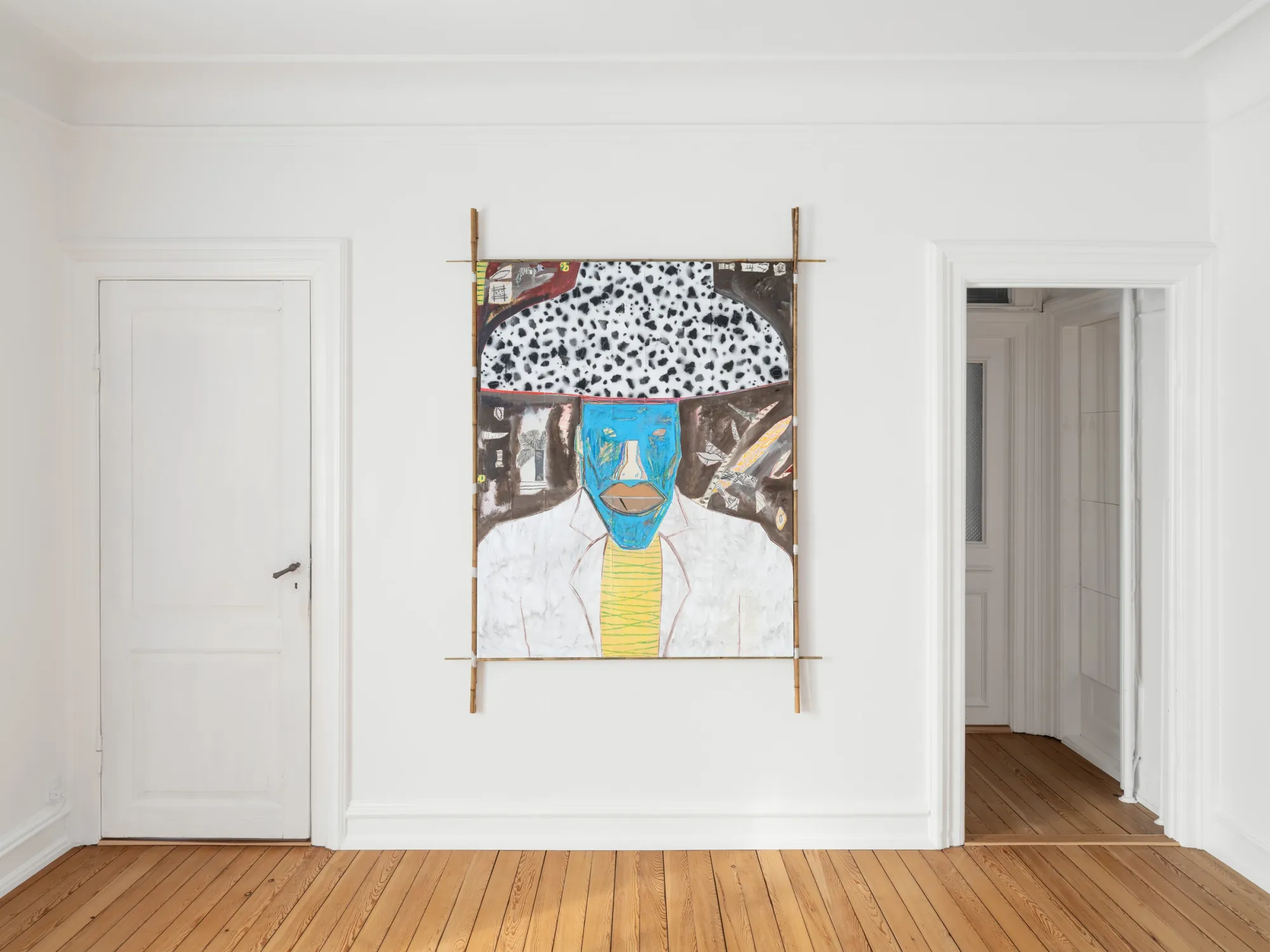
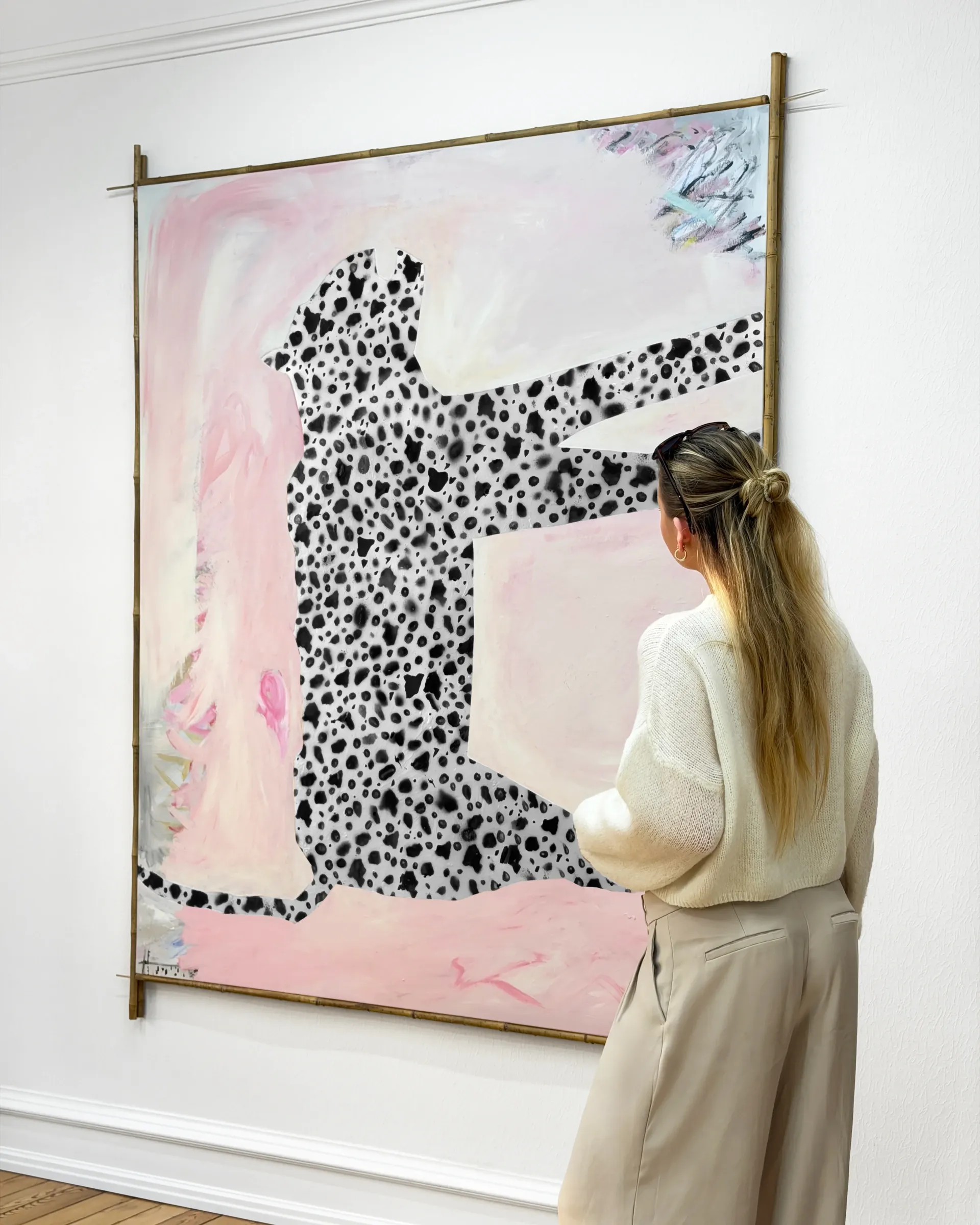
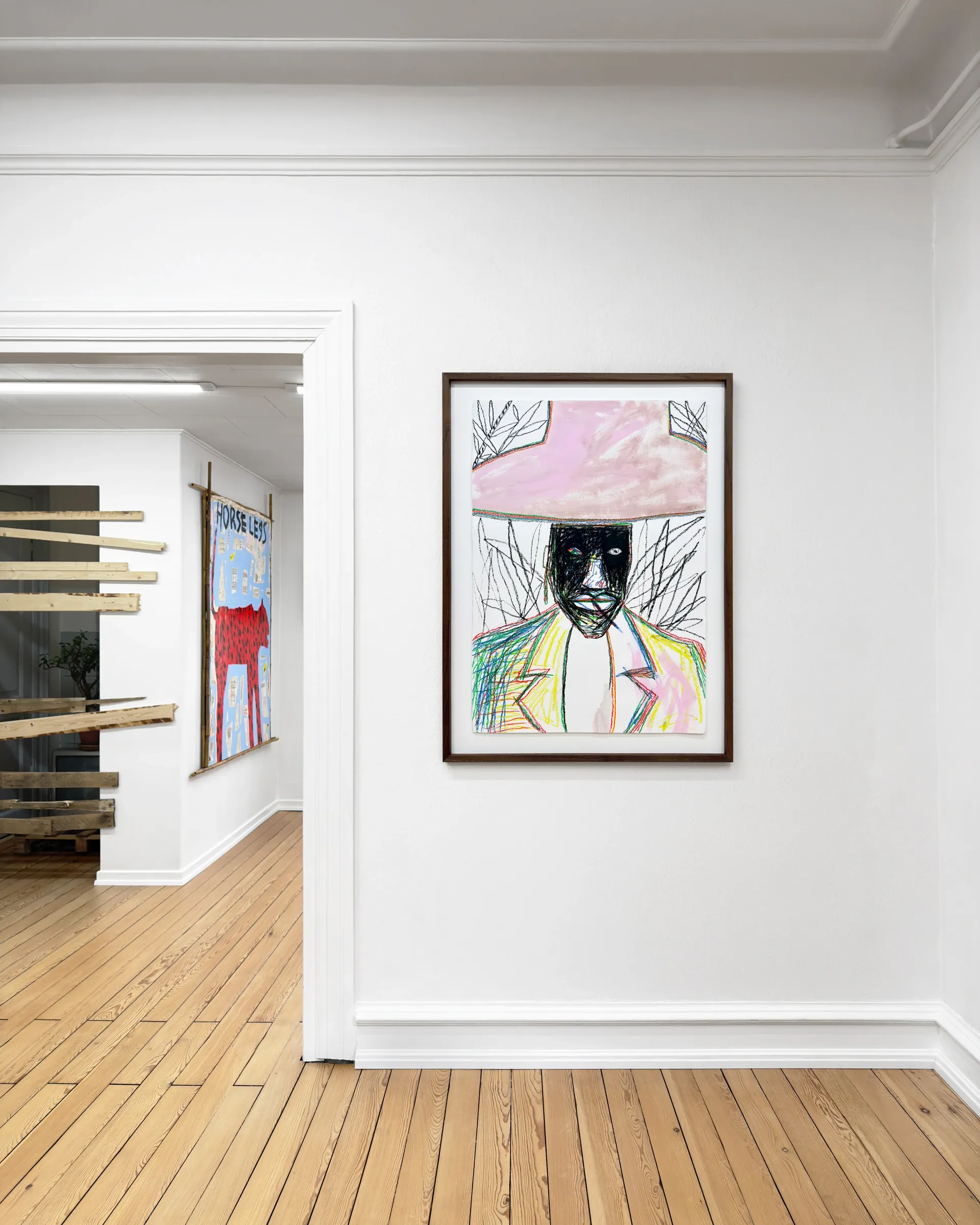
Cama's paintings hang stretched on wooden poles rather than fixed to the wall, a presentation that keeps them somewhere between object and surface, architecture and canvas.
In one, a figure in a white suit and a dalmatian-spotted hat holds a blue face toward the viewer, its posture formal but tipping toward something unresolved.
Beneath and behind the painted surface, material presses through: collaged photographs, layers of paint, fragments of printed matter that resist full legibility. The figure carries the density of its own ground.
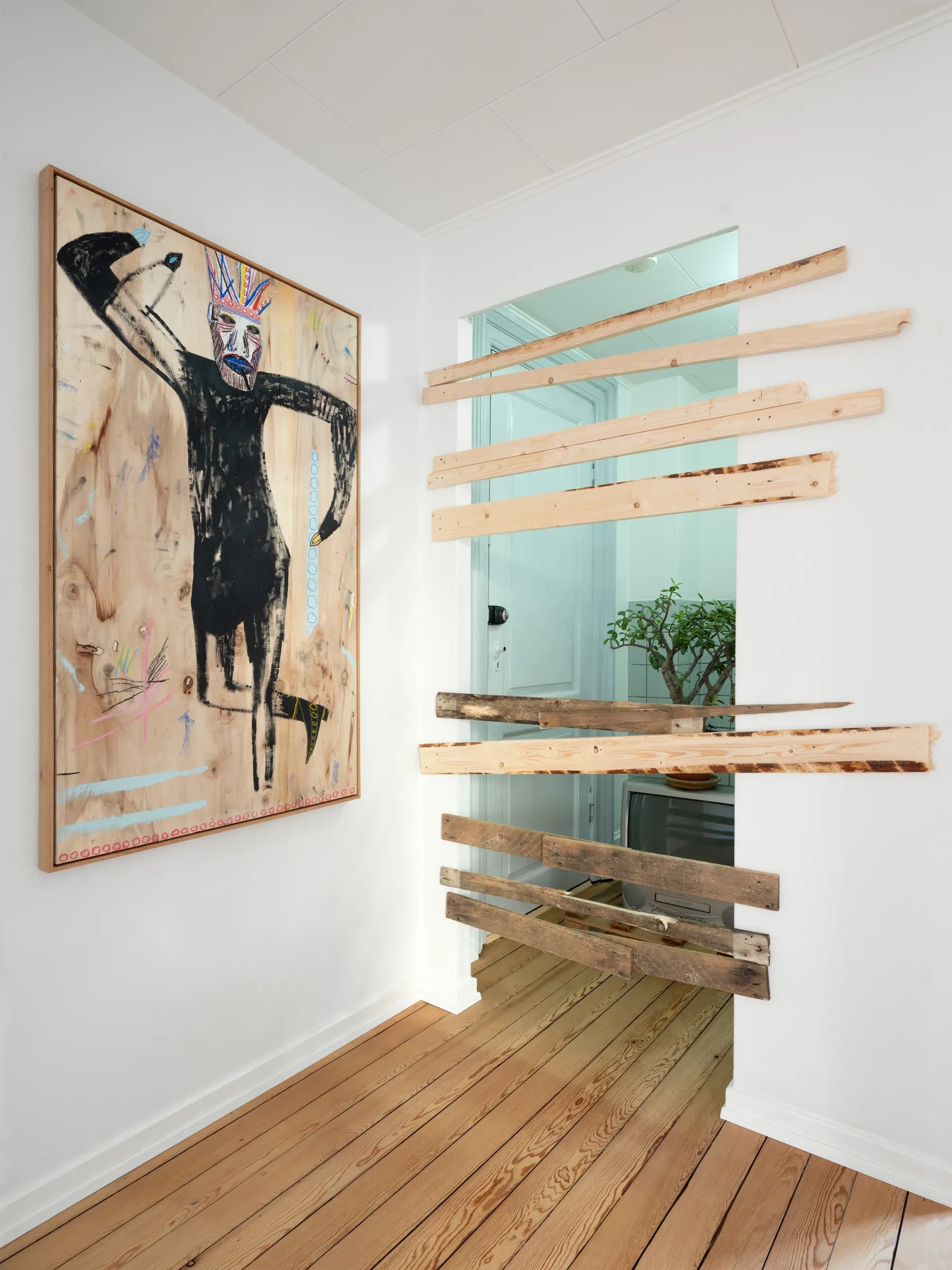
In another work, painted directly onto raw wooden board, a single figure moves through the grain of the wood, arms extended, legs in mid-stride, a corona-like eruption at the crown of the skull. The board has clearly been something before. That prior life is not erased.
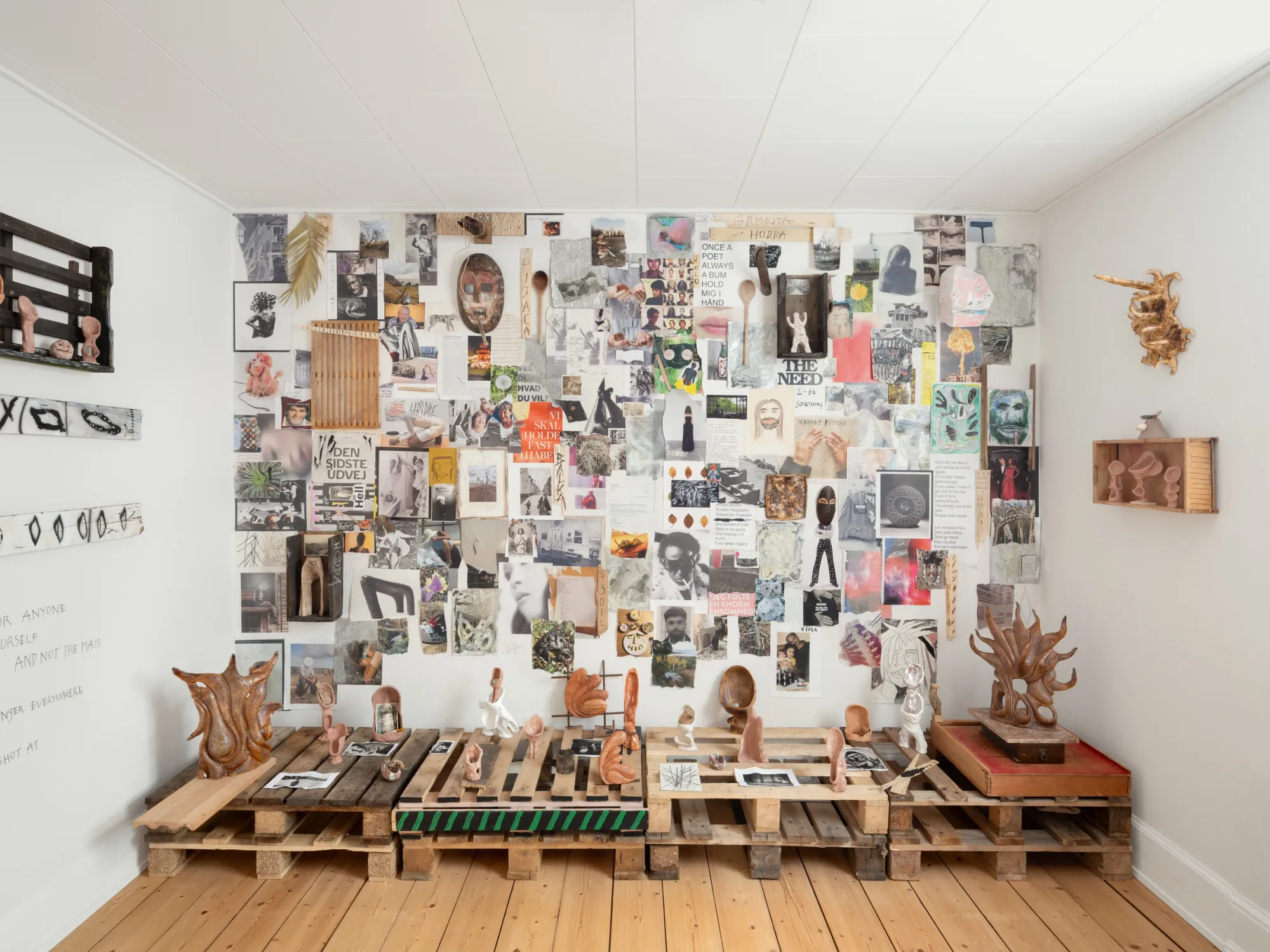
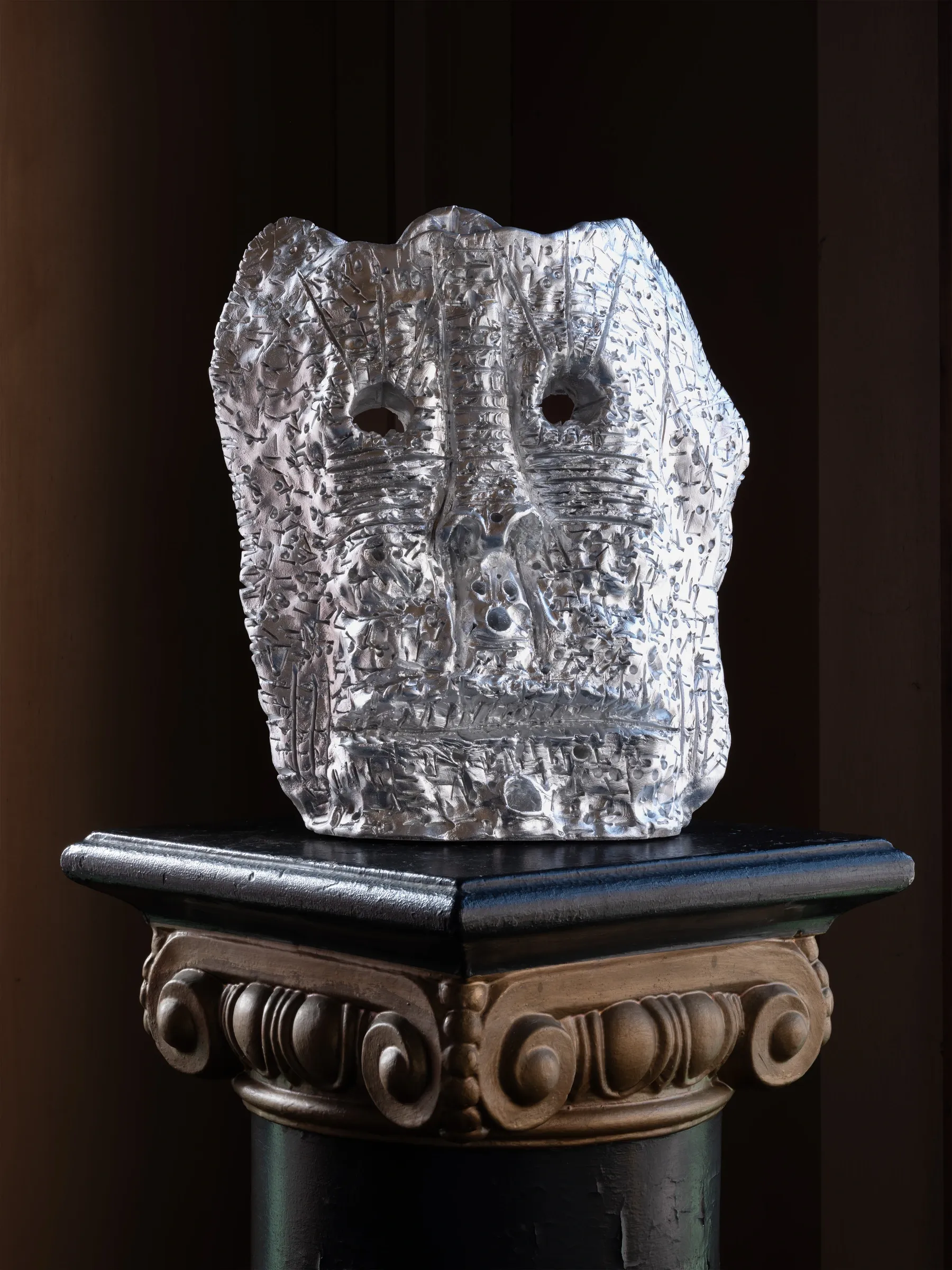
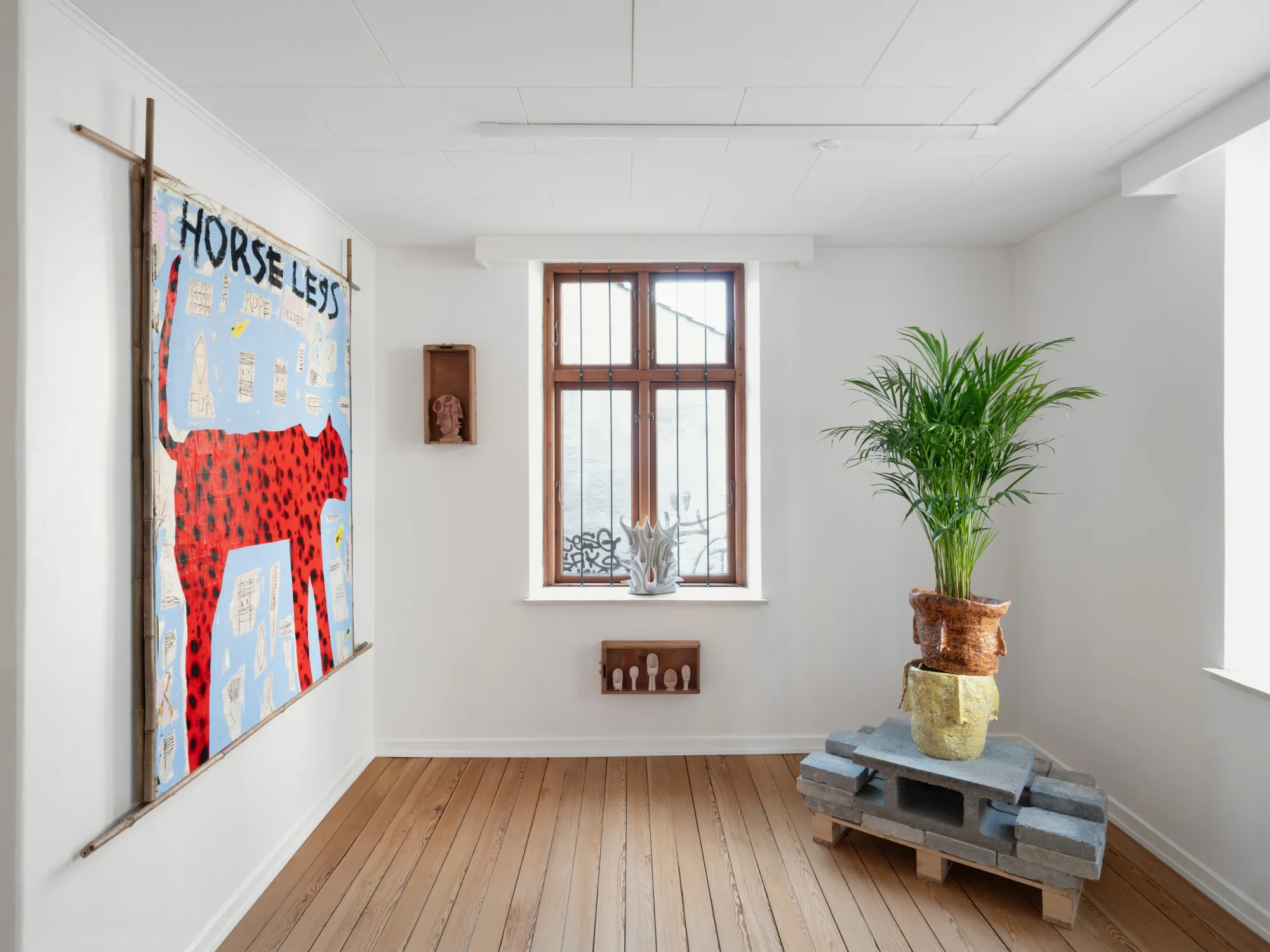
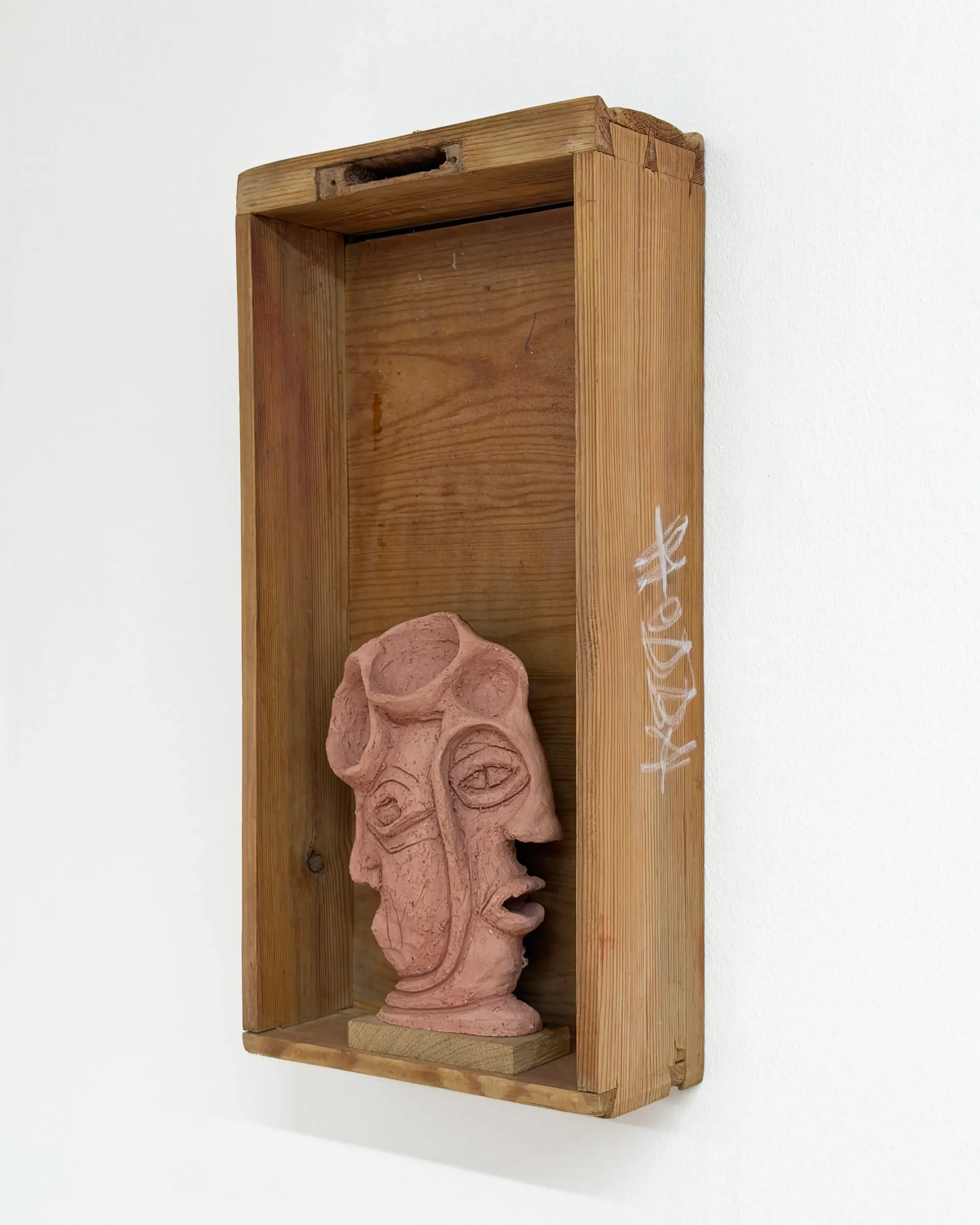
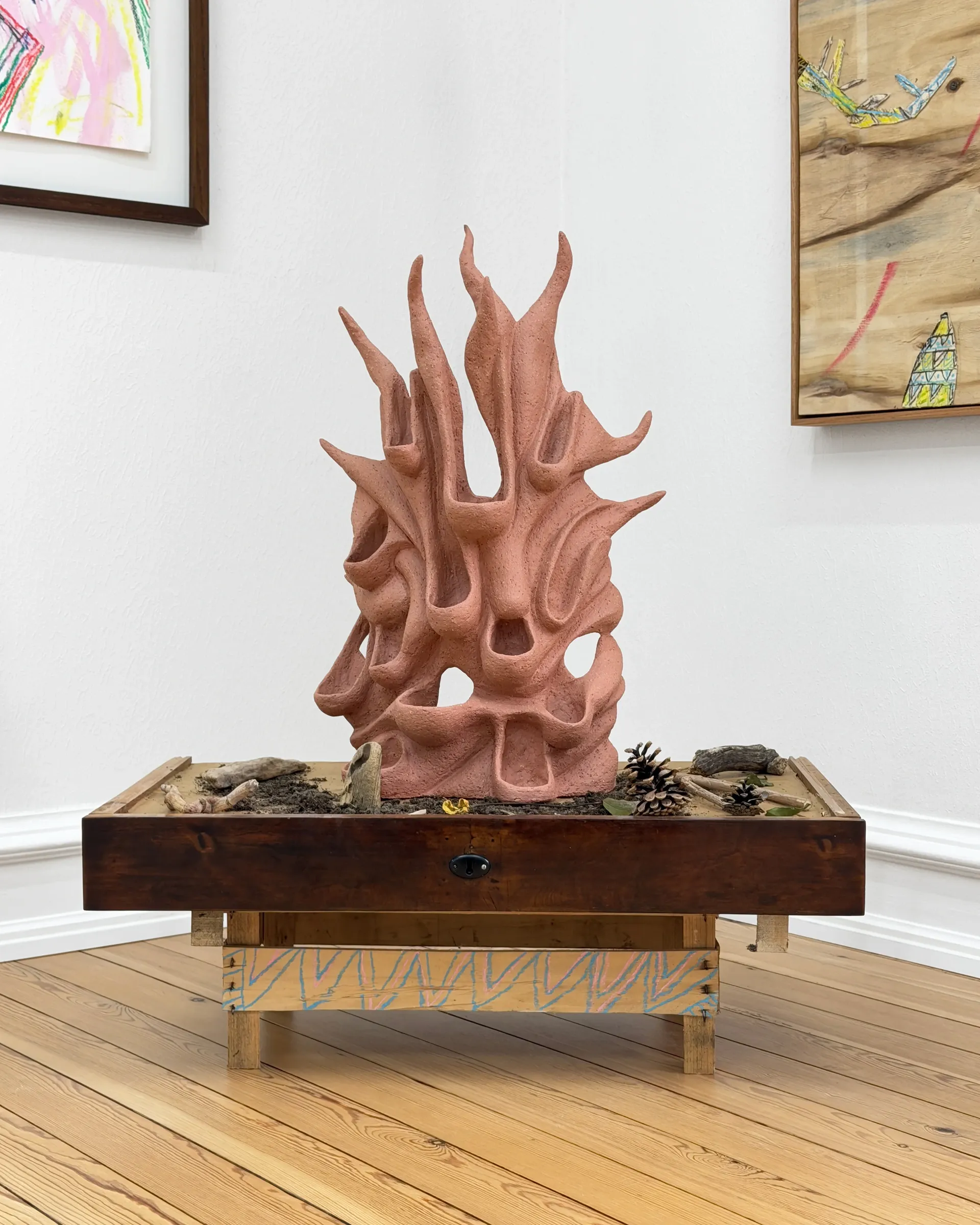
Lambrecht's sculptures hold their own grammar. A large white ceramic form, part shield, part botanical specimen, part coastal erosion, carries the visual logic of something subjected to long, anonymous forces. It does not read as decorative. Neither does the terracotta head set inside an open wooden crate, the face slightly multiplied, the pink surface raw and close.
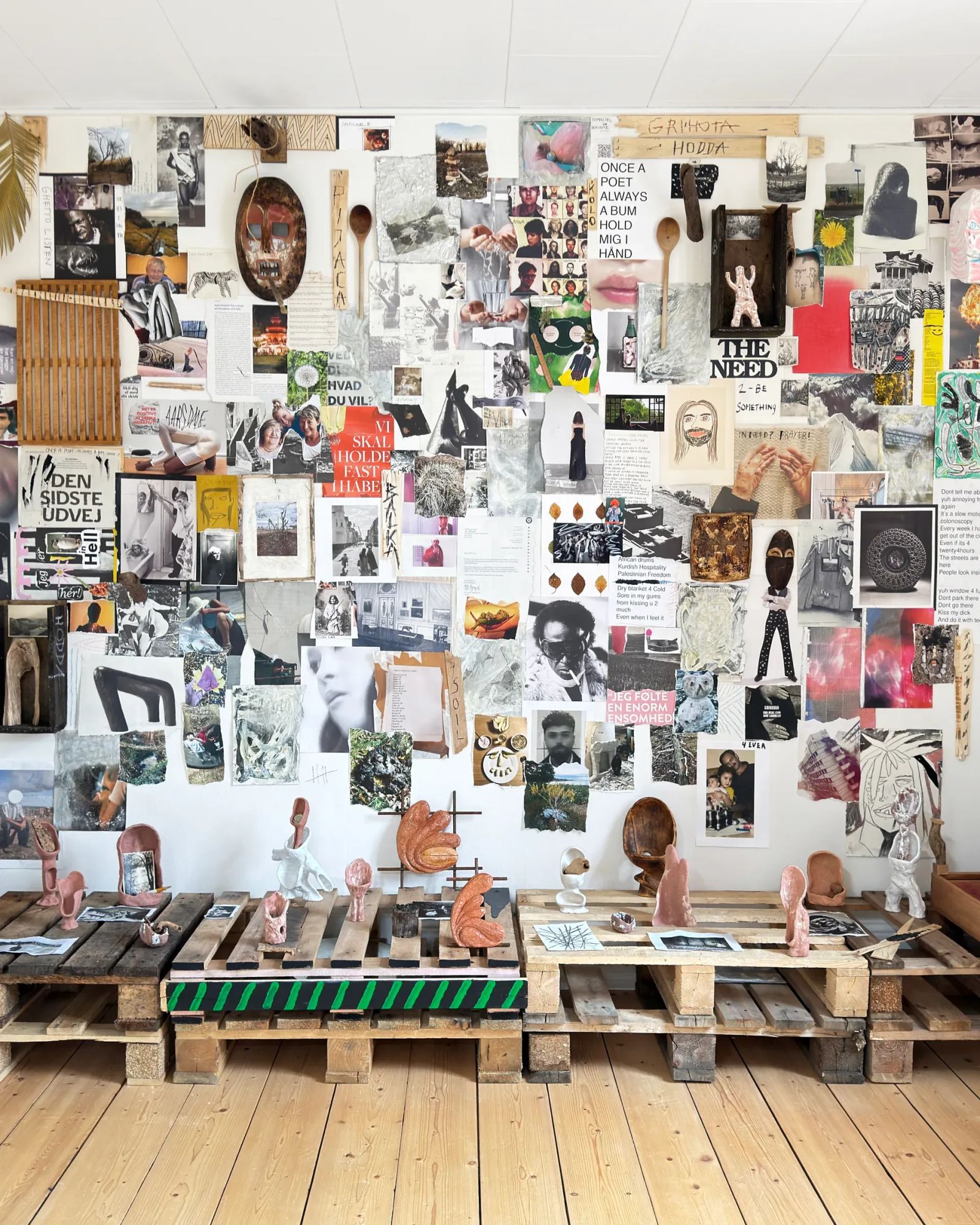
A room toward the back changes scale entirely. An entire wall has been covered in dense collage: photographs, printed images, handwritten texts and drawings, accumulated from floor to ceiling without apparent hierarchy.
Below it, wooden pallets carry an array of smaller sculptures, clay figures, found objects, carved wood. It function like an archive that has stopped pretending to be organized, and is better for it.
Cama's background is specific; Born to parents who fled the Balkan War, his practice has long drawn on what displacement does to identity, and what identity does to the surfaces we make.
Lambrecht works with material gathered along Bornholm’s eroding coastline, where geological time, human intervention, and slow disappearance become inseparable from the objects themselves.
In 2026, with questions of cultural inheritance, migration, and collective memory returning to public urgency across Europe, GRIHODDA does not position itself as response. It arrives earlier. The question the exhibition holds is not what we inherit, but what we can no longer separate from ourselves.
The distinction between what we carry and what we are may already be a language problem.
Instagram Dino Cama
Rune Lambrecht on Instagram
Gallery Fusion on Instagram
About the Artists
Rune Lambrecht
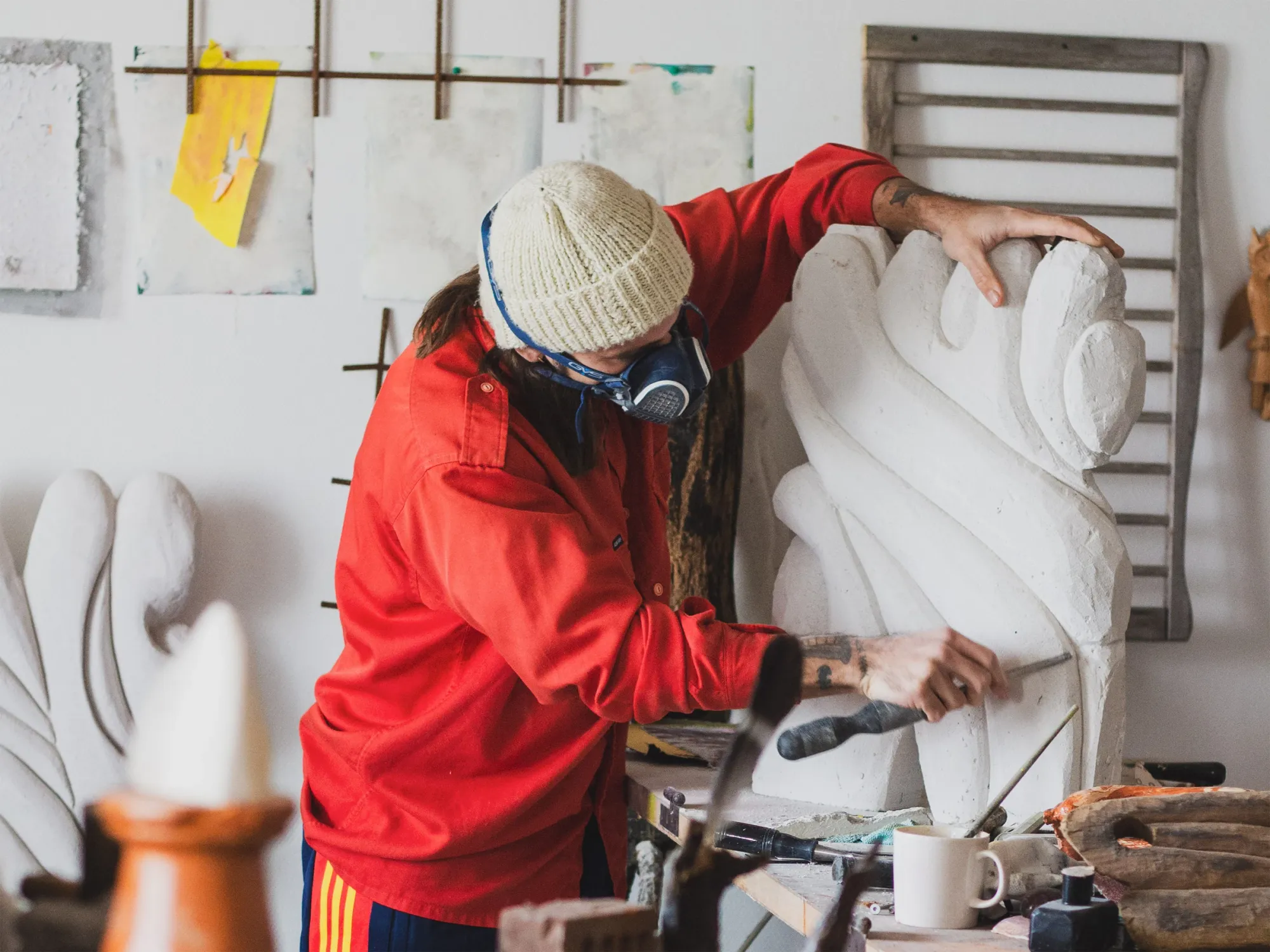
Rune Lambrecht (b. Bornholm, 1989) works with sculpture and collage, drawing on an experimental and material-based practice rooted in his native island. Working intuitively with concrete, clay, wood, and found objects, many collected along Bornholm's coastline, his work moves between the organic and the industrial, the fragile and the enduring.
Forms shift between shield-like and botanical registers in an expressive, at times surrealist visual language. Lambrecht lives and works in Årsdale, Bornholm, and has exhibited widely across Denmark, including with Curated by Jens-Peter Brask and The Darling. In 2025 he held a solo exhibition at Gudhjem Museum, Bornholm.
Dino Cama
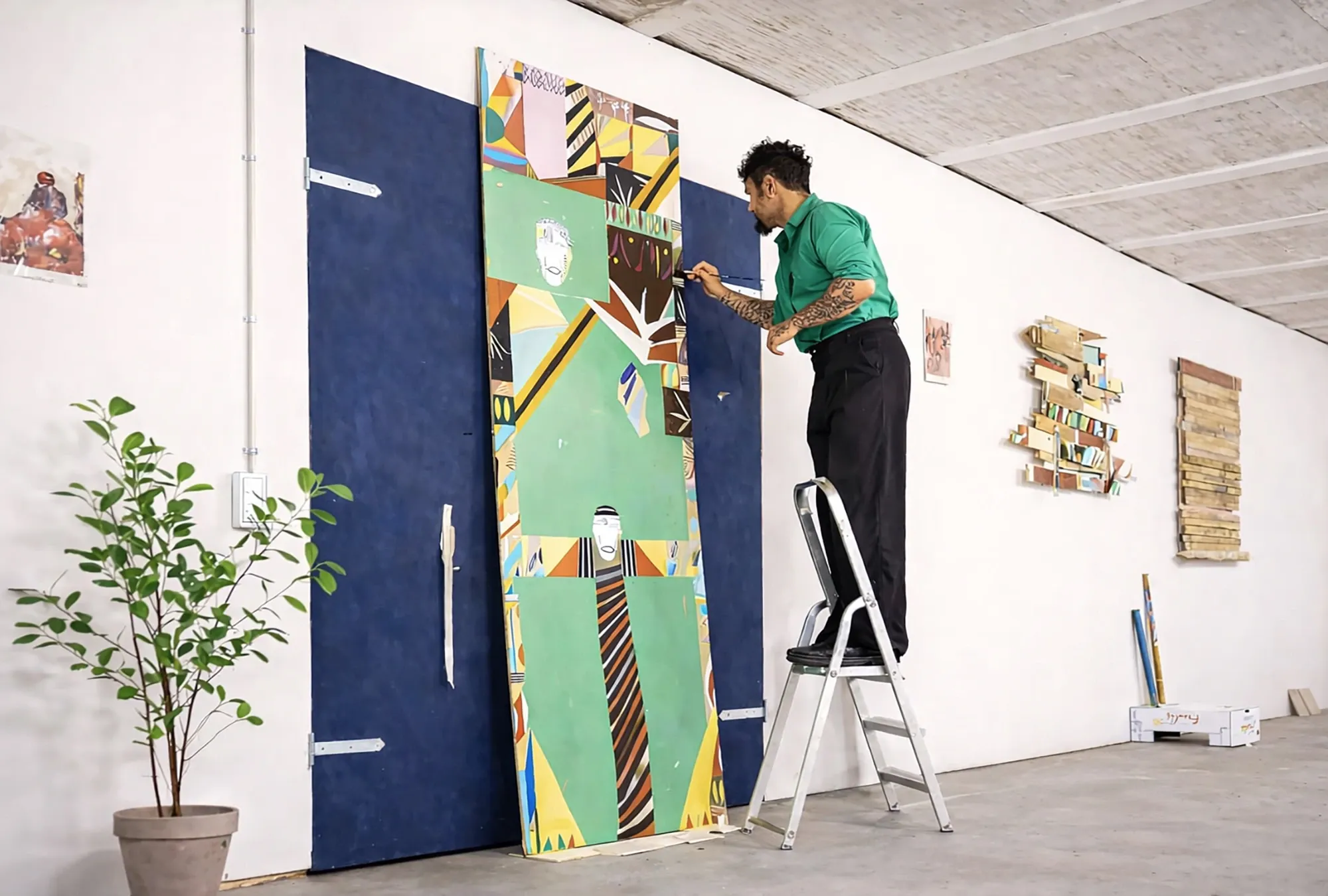
Dino Cama (b. Vejle, 1994) works with memory, identity, and the experience of moving between cultures.
The son of parents who fled the Balkan War, his practice draws from personal narrative, regional history, and the conditions of migration. His paintings are layered and raw, built on found and reclaimed materials, wood in particular, that carry visible traces of use and time.
About Gallery Fusion
Gallery Fusion was established in 2021 and is located at Vejle Midtpunkt, Denmark. The gallery operates as both a physical and online space, presenting modern Scandinavian and international art from established and emerging artists.
Its program focuses on contemporary work across a range of scales and price points, with an emphasis on quality of material and craft. The gallery is directed and curated by Jonas Ojczyk
About Catapult
This is a exhibition review published by Catapult — an independent editorial platform for contemporary art, based in Vienna. We publish exhibition reviews, artist features, interviews, and critical context, with a focus on emerging and mid-career practices from Europe and beyond.
catapult.art
Want to be featured? Submit your work →