
What We See, What Looks Back at Us at Emergency Space, Paris

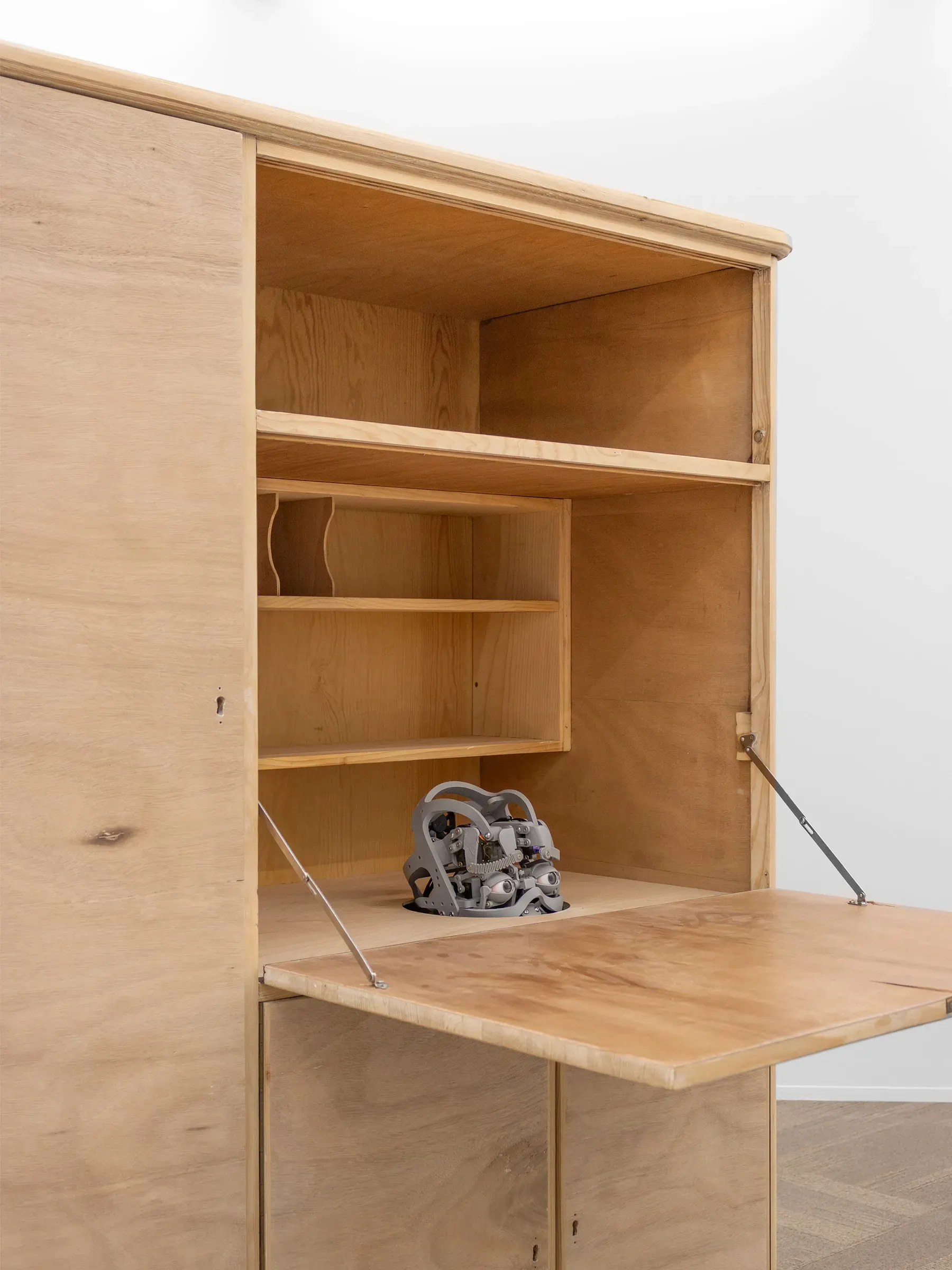
Emergency Space Presents What We See, What Looks Back at Us, in Paris
Emergency Space presented What We See, What Looks Back at Us in Paris, on view through July 30, 2026, curated by Egor Miroshnichenko.
Robert Brambora, Emily Dietrich, Jana Köhle, Dominik Münch, Emilio Marroquin, Romain Sarrot, Jan Van Hal
What We See, What Looks Back at Us
Emergency Space
Paris, France
–
Egor Miroshnichenko
Misha Gudwin
Courtesy the artists and Emergency Space, Paris
Seven artists shared the space at Emergency Space in Paris this July, brought together by curator Egor Miroshnichenko under a title borrowed from Georges Didi-Huberman.
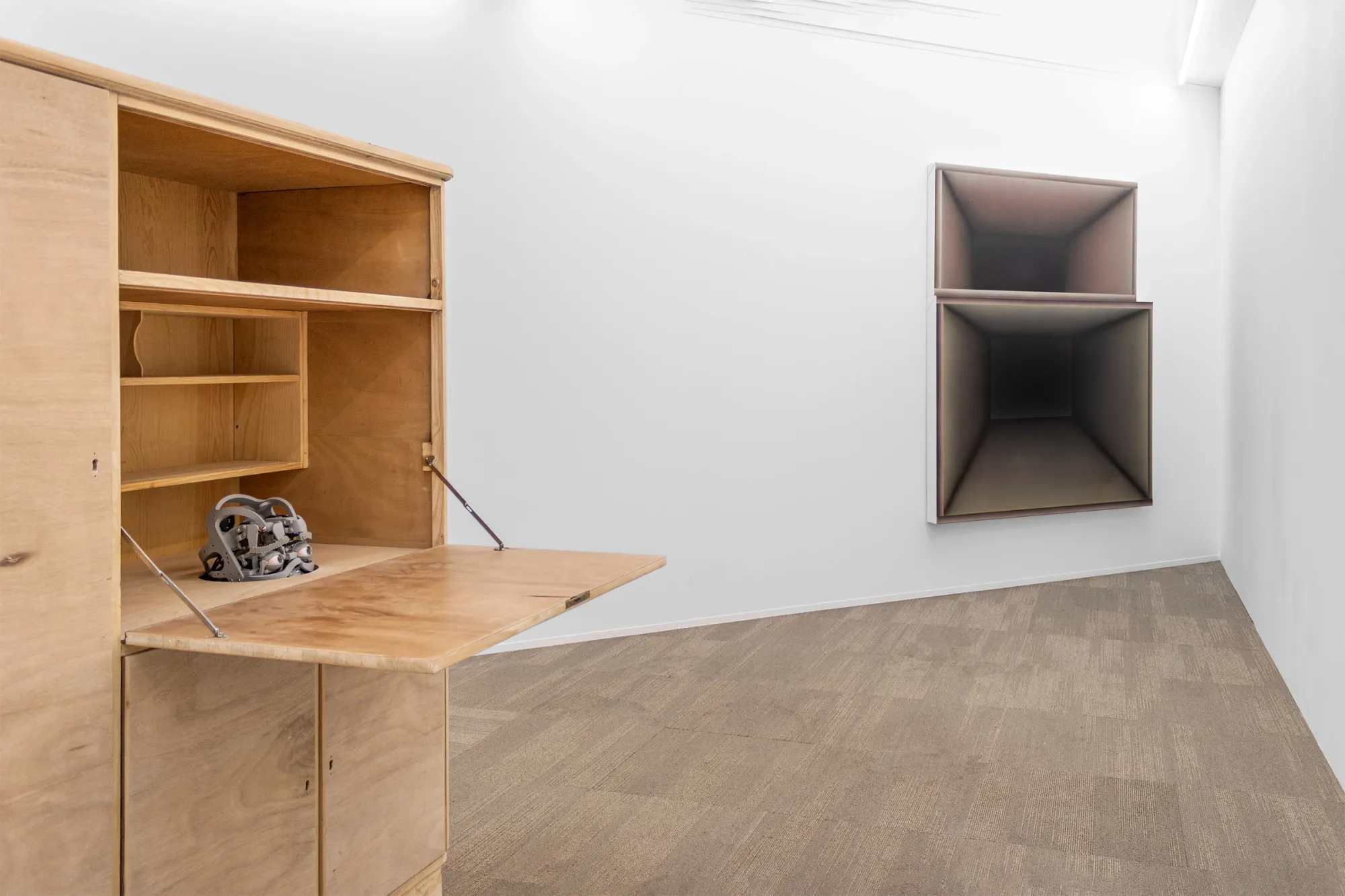
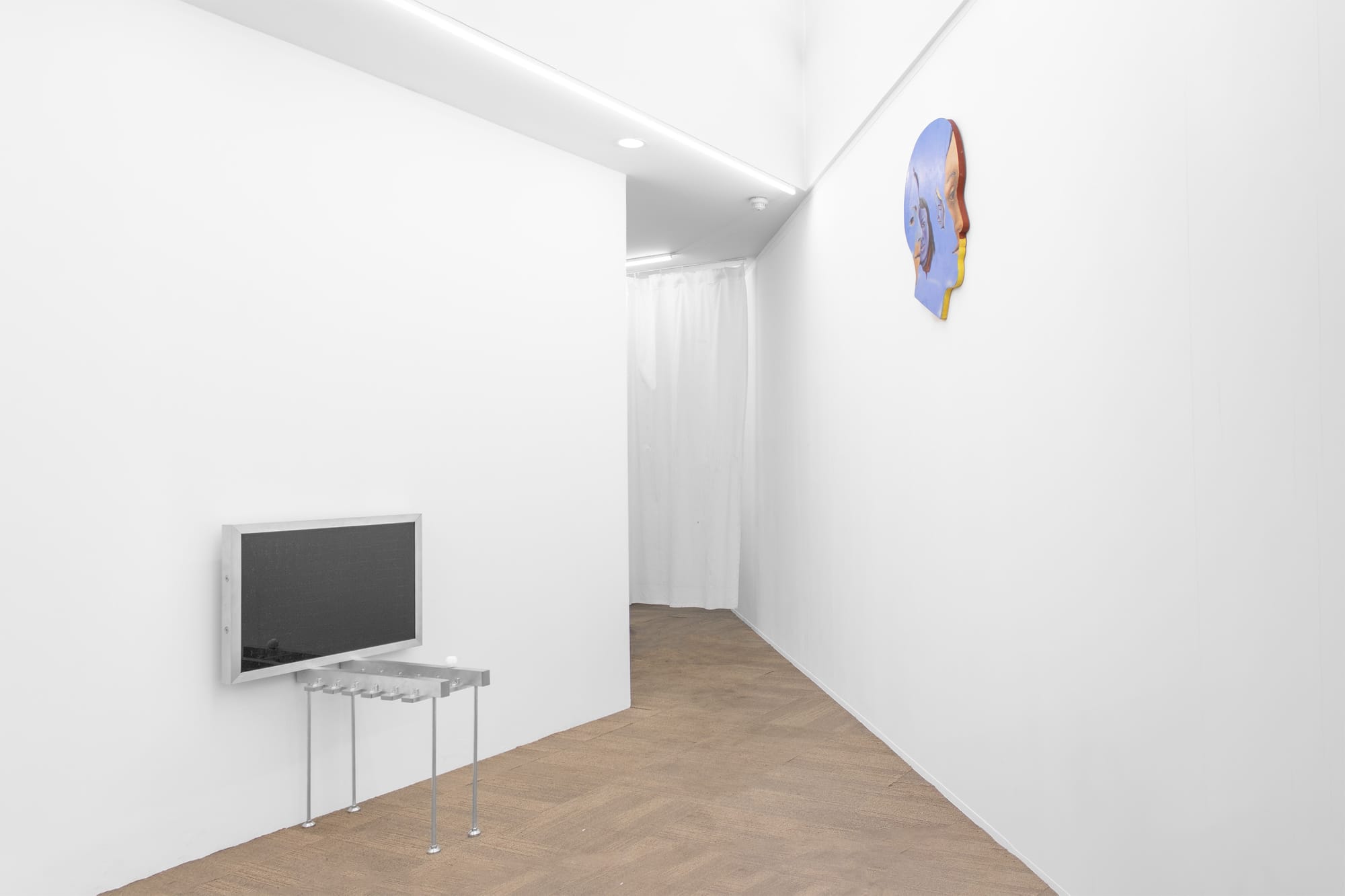
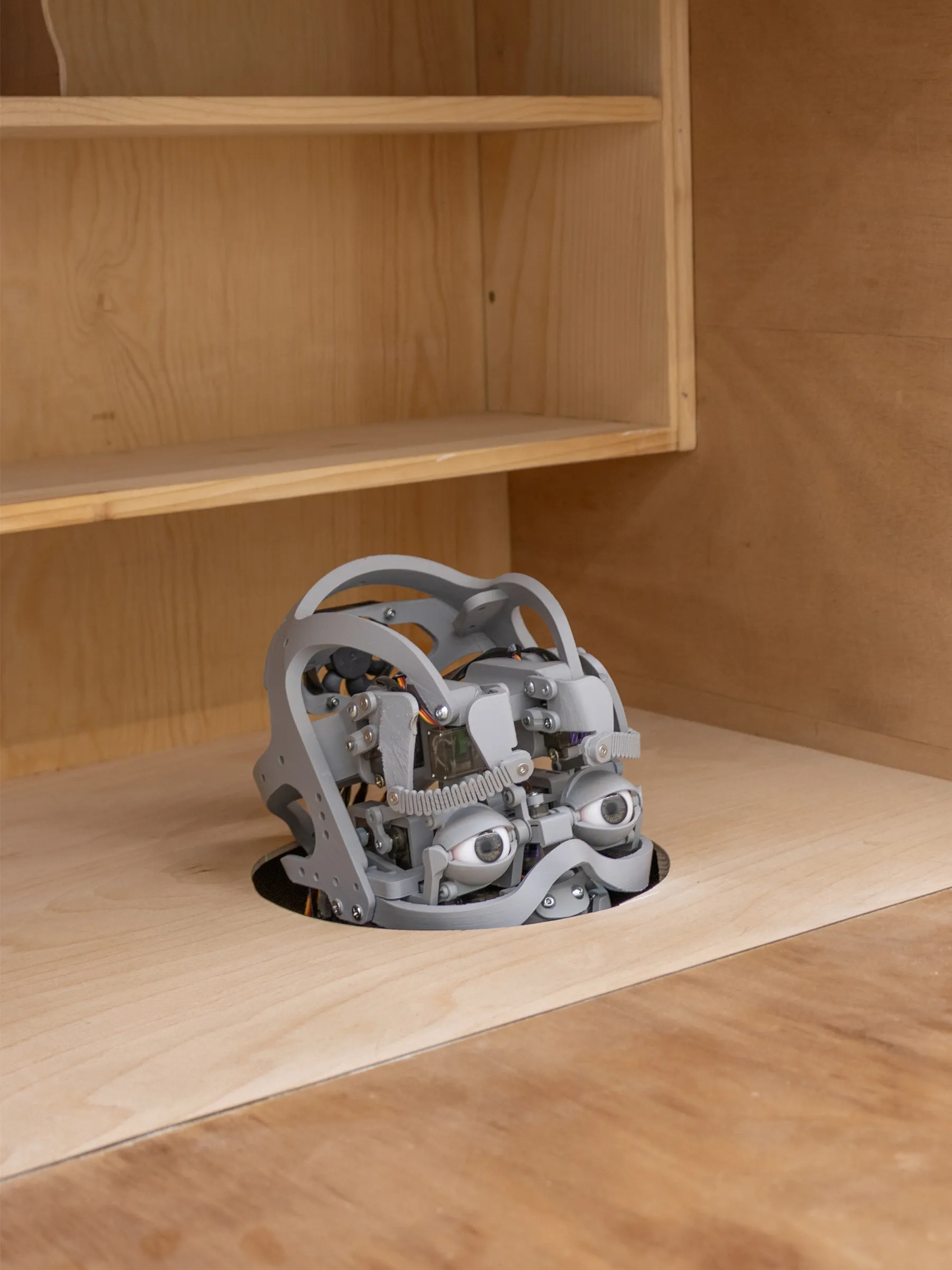
What We See, What Looks Back at Us ran from July 4 to 30, 2026, gathering works by Robert Brambora, Emily Dietrich, Jana Köhle, Dominik Münch, Emilio Marroquin, Romain Sarrot and Jan Van Hal around a single question: who is actually doing the looking.
Below, in the curator's own words, the case for an object that watches back:
An exhibition usually assumes a simple contract: the visitor looks, the object submits to being seen. The gaze passively travels from point A to point B, recognizes familiar contours, draws its conclusions. But in fact any gaze mirrors the viewer.
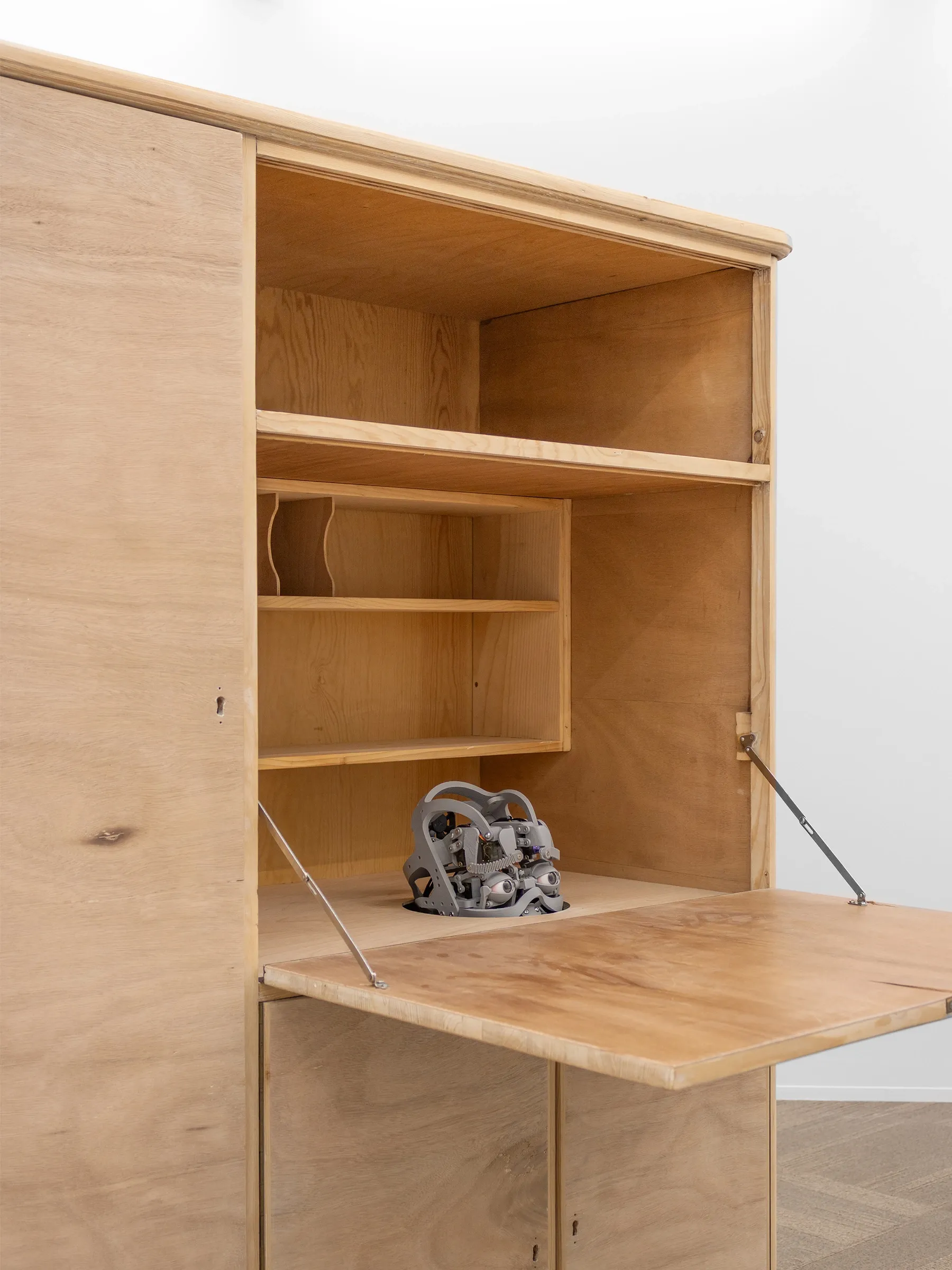
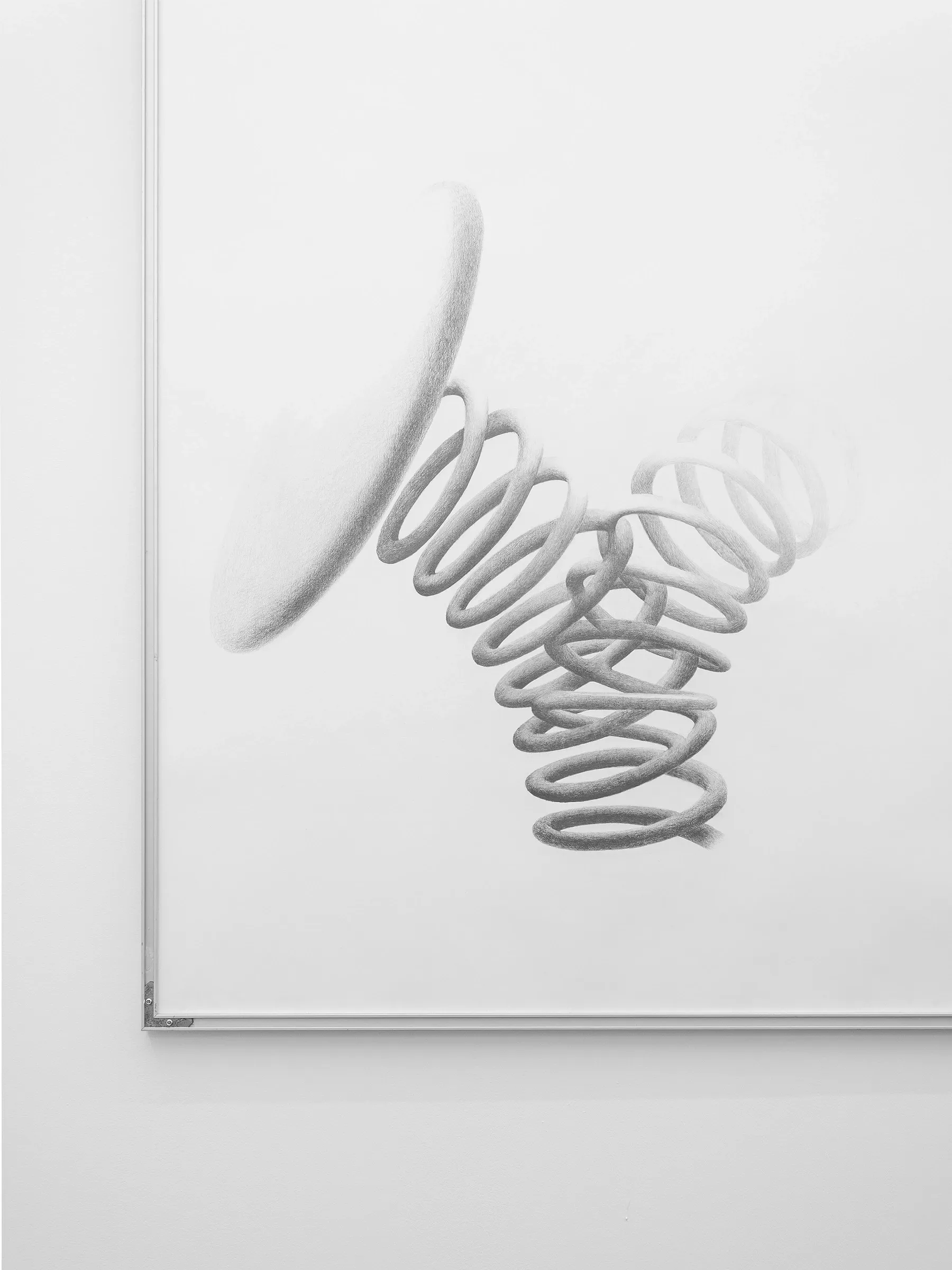
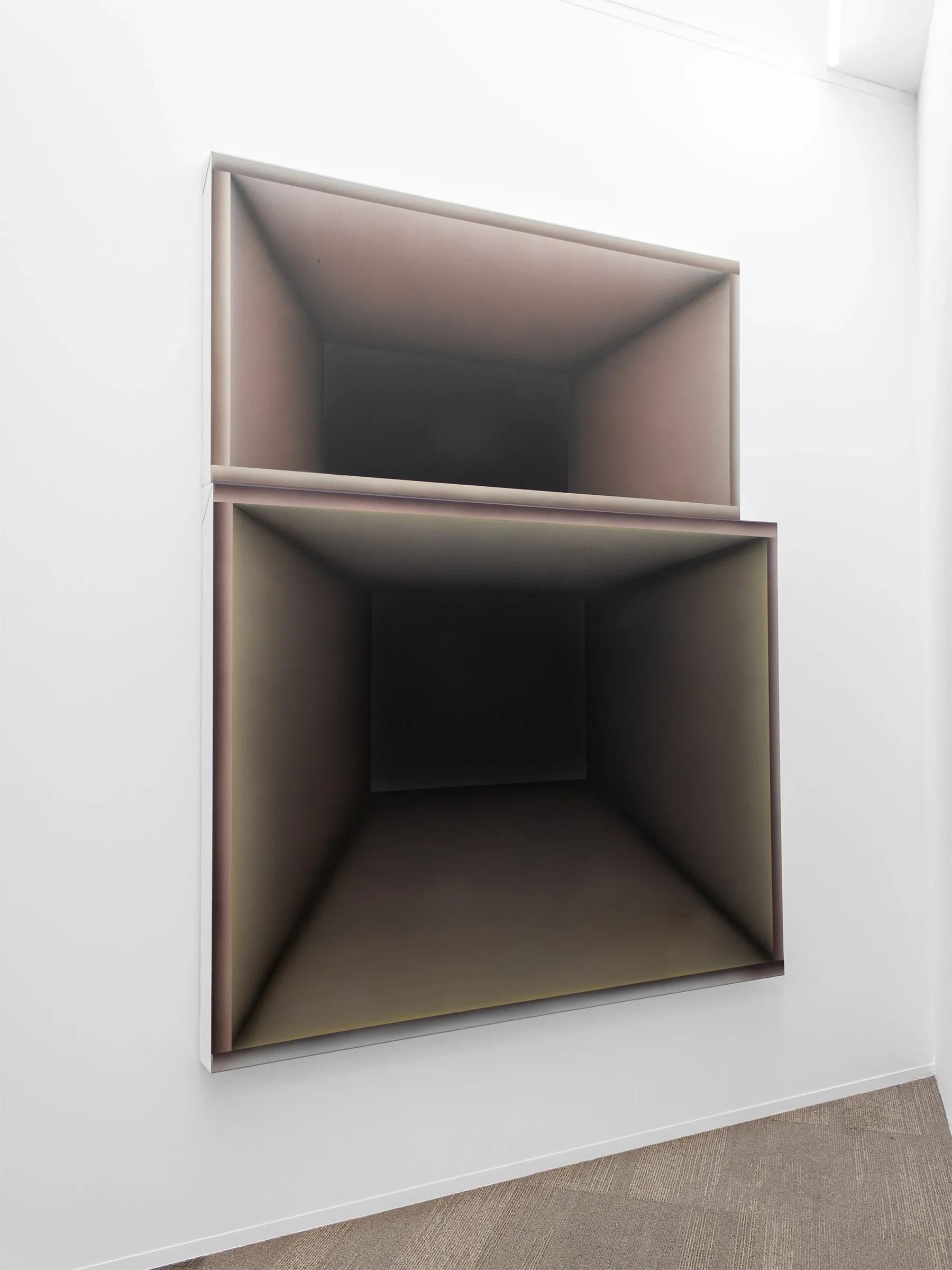
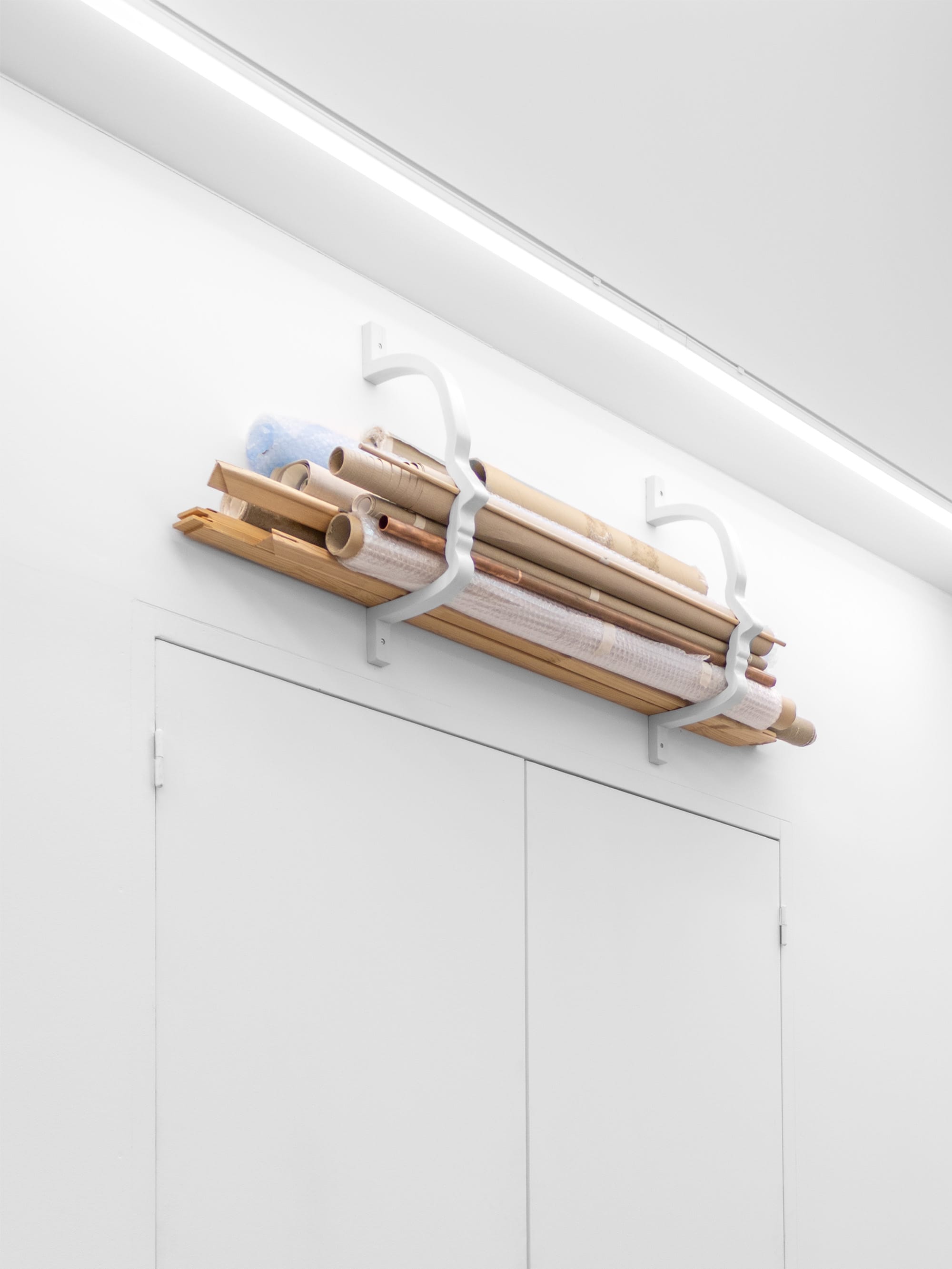
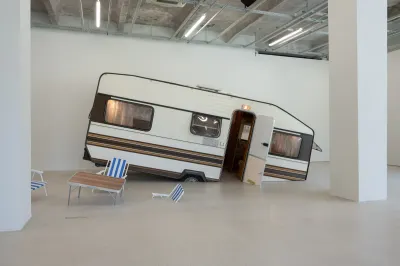
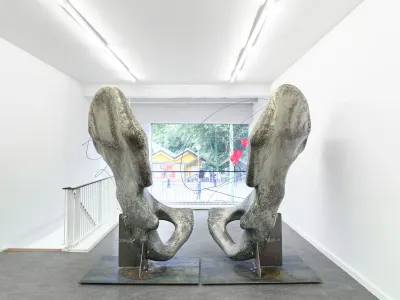
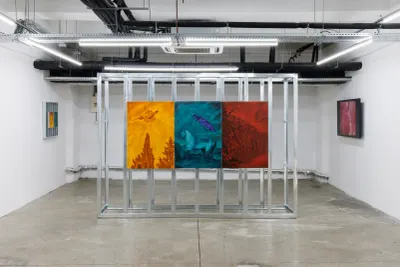
The works gathered here operate in this register. They are more interested in watching the visitors than in how they appear to them. The objects return the gaze, delay it, and distort it. Photo: Misha Gudwin
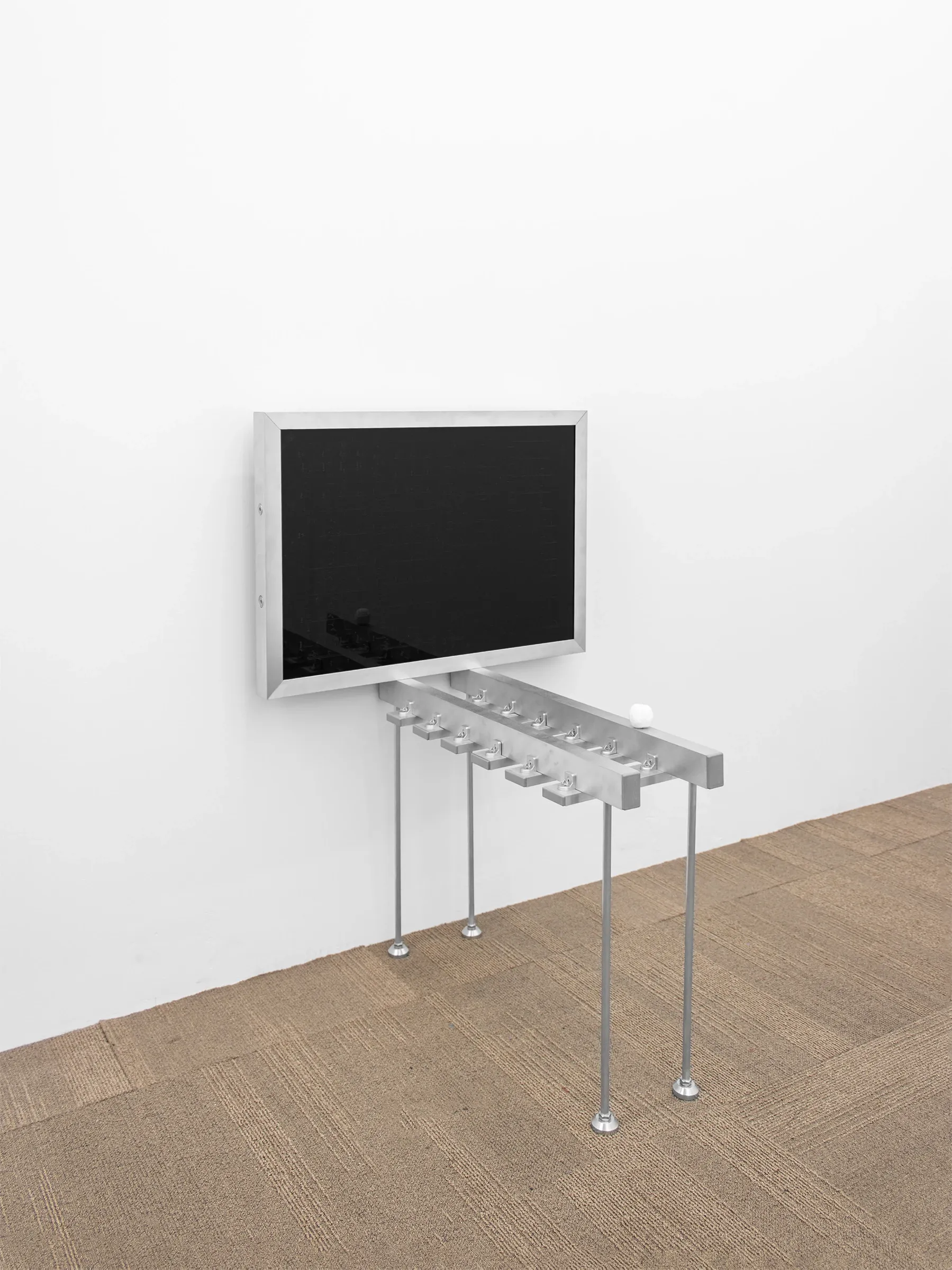
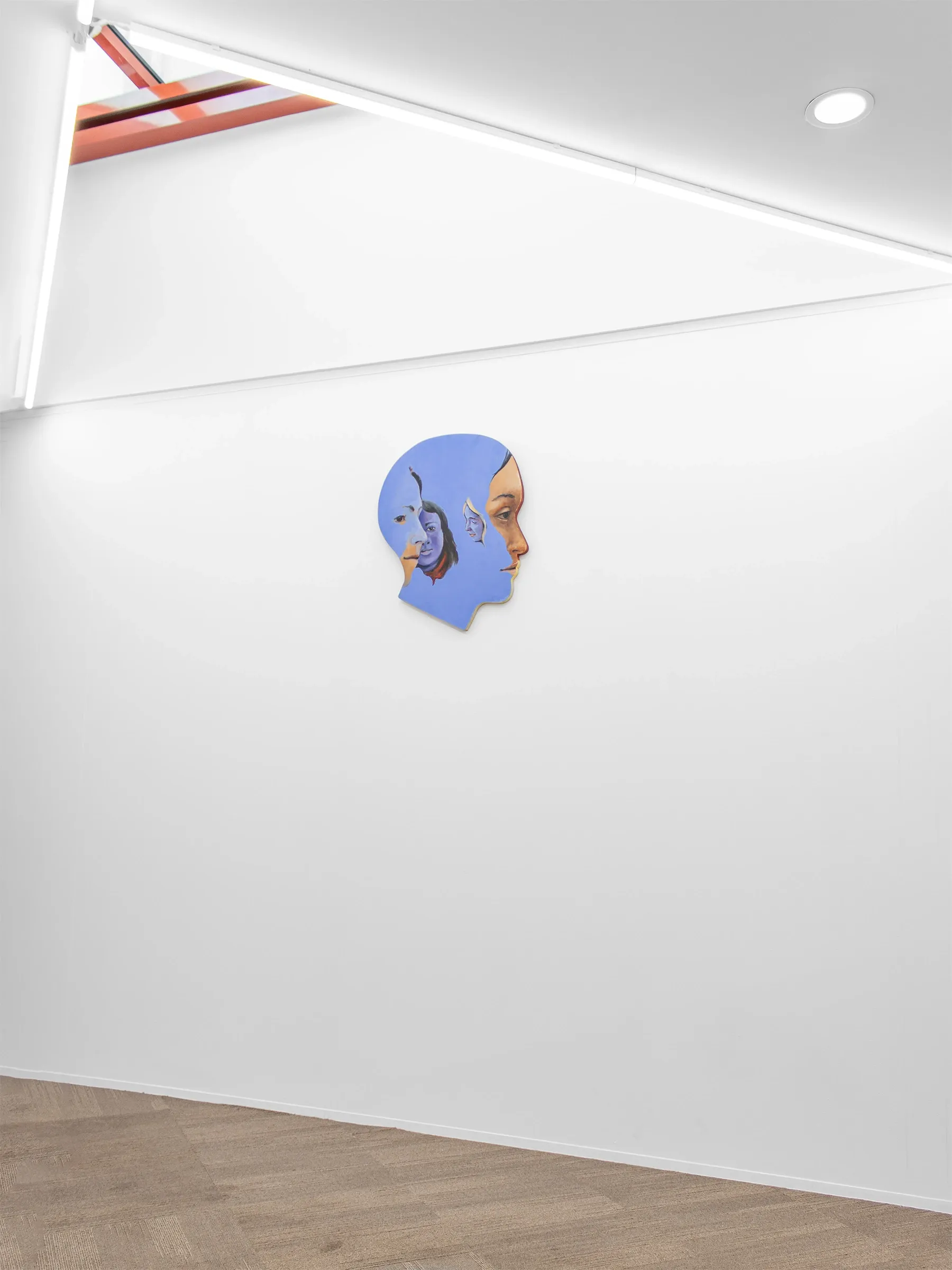
The title refers to Georges Didi-Huberman's «Ce que nous voyons, ce qui nous regarde» (1992; What We See, What Looks Back at Us), one of the first books to problematize this relation.
Didi-Huberman writes against "What you see is what you see," the credo of Minimalism that reduces the object to pure visibility, and proposes the opposite optic: precisely the mute, self-evident object is the one that opens up, holds the gaze, and returns it.
In this gaze the viewer finds their own reflection: the height of their body, its temperature, its position in space. The object is scaled to the viewer, faces them at their volume and measures them as much as they measure it.
Egor Miroshnichenko, curator
By the time the show closed on July 30, the installation photographs made the curator's argument without any further text. Jana Köhle and Dominik Münch's animatronic closet, Kabinett, sits in the room like something interrupted mid-thought, its doors caught between opening and watching.
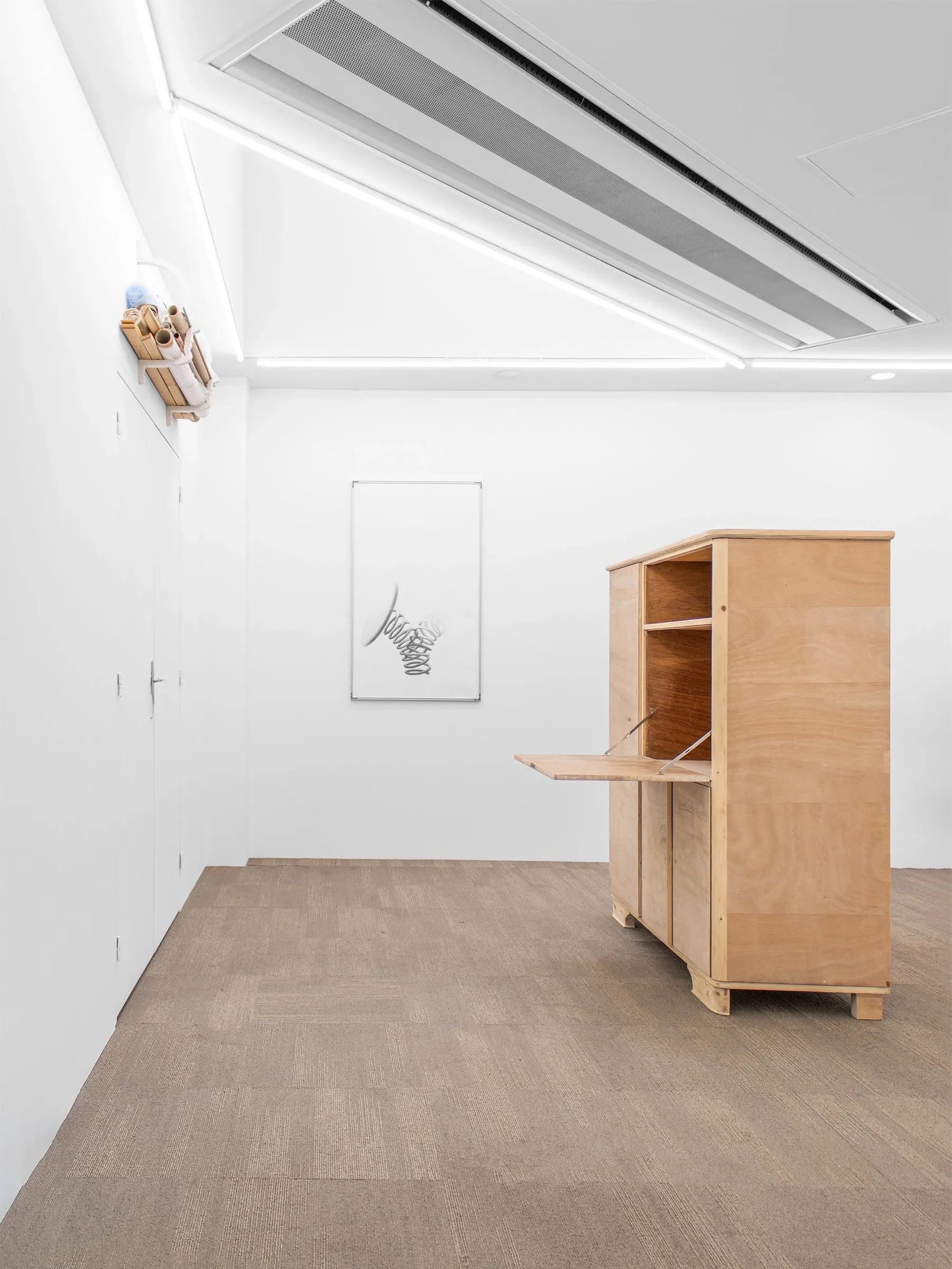
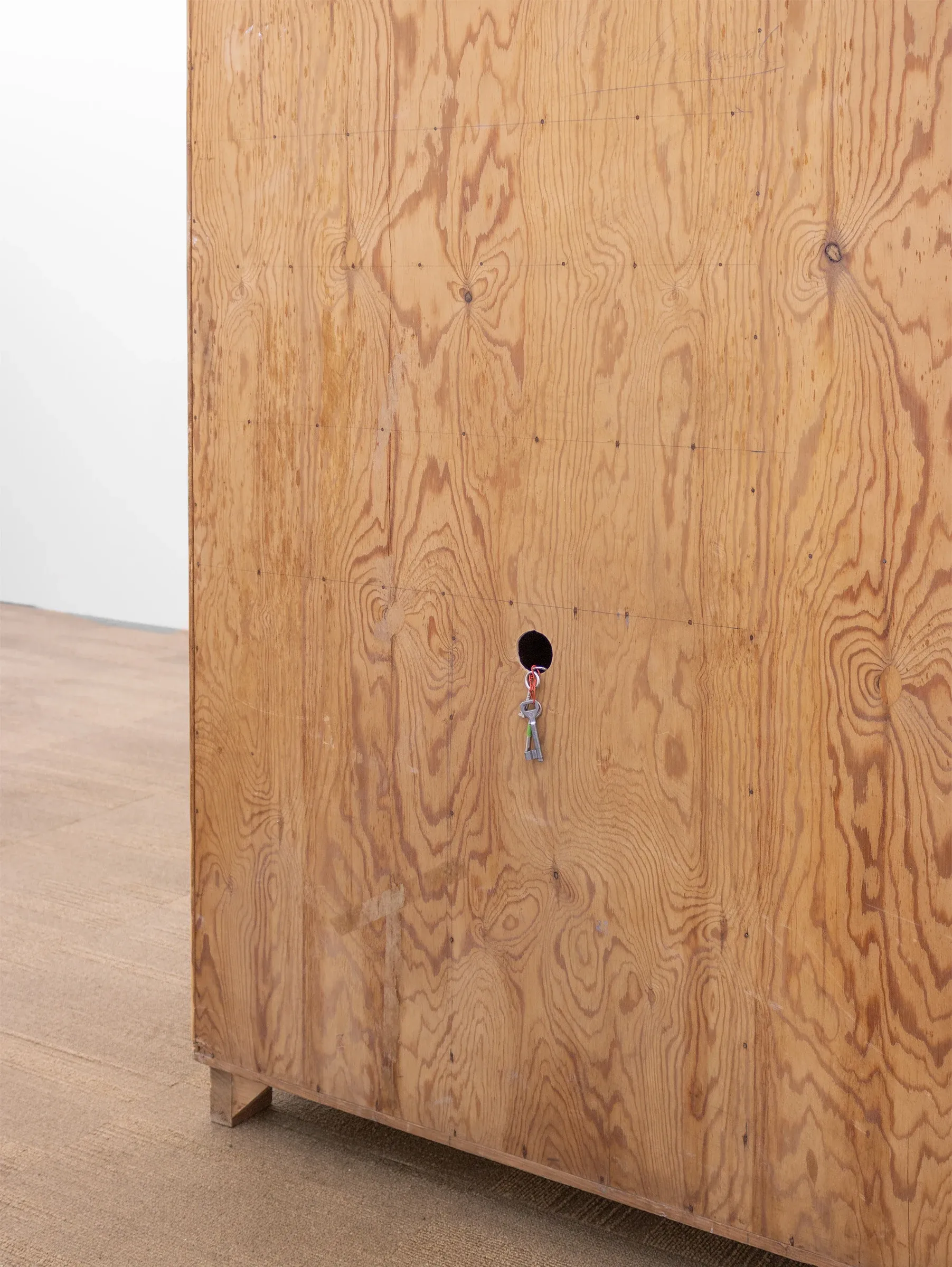
Emilio Marroquin hung his charcoal drawing backward in its frame, forcing the support itself into the position of the subject rather than the image. Nothing here asks to be admired from a fixed distance.
It asks to be met at eye level, and for three weeks at Emergency Space, that meeting apparently happened nightly.
Support and follow on Instagram:
Robert Brambora on Instagram
Emily Dietrich on Instagram
Jana Köhle on Instagram
Dominik Münch on Instagram
Emilio Marroquin on Instagram
Romain Sarrot on Instagram
Jan Van Hal on Instagram
Emergency Space on Instagram
Curator Egor Miroshnichenko on Instagram
About Catapult Contemporary - Art Platform Submission
This is a exhibition review published by Catapult — an independent editorial platform for contemporary art, based in Vienna. We publish exhibition reviews, artist features, interviews, and critical context, with a focus on emerging and mid-career practices from Europe and beyond.
catapult.art
Want to be featured? Submit your work →
![Alt Text: Patrick Bérubé, (Ce)pendant [(Now)ever], Musée d'art de Joliette, 2026, wide view exhibition view, catapult contemporary rev](https://storage.ghost.io/c/1c/24/1c2478ff-417d-4e88-8226-288af467f6b9/content/images/size/w400/2026/07/patrick-berube-cependant-museejoliette-quebec-2026-hero.webp)