Leonardo Vargas Paints the Failure of the Image

Barrancabermeja, Colombia, 1982
Strasbourg, France
Oil on Canvas, Oil on Board
PhD in Visual Arts, Université de Strasbourg (2024)
MFA, Hogeschool voor de Kunsten Utrecht (2010)
Specialist in History and Theory of Modern and Contemporary Art, Universidad de los Andes, Bogotá (2007)
Essays on Imperfection, 171 Gallery, Lucerne, 2026
Aux jardins, Galerie Bertrand Gilig, Strasbourg, 2025
Saffron Gym, Palais Universitaire de Strasbourg, Strasbourg, 2024
Galerie Bertrand Gillig, Strasbourg, France
Galerie Lessirard, PACA Region, France
171 Gallery, Switzerland
leonardovargas.art
@leonardovargas.art
Irina Sabatina
Courtesy the Artist and Galerie Bertrand Gillig
Leonardo Vargas - Strasbourg, France, Painting
A photograph arrives in the studio already carrying its own history, a fashion campaign, a nineteenth-century daguerreotype, a frame pulled from a VHS tape.
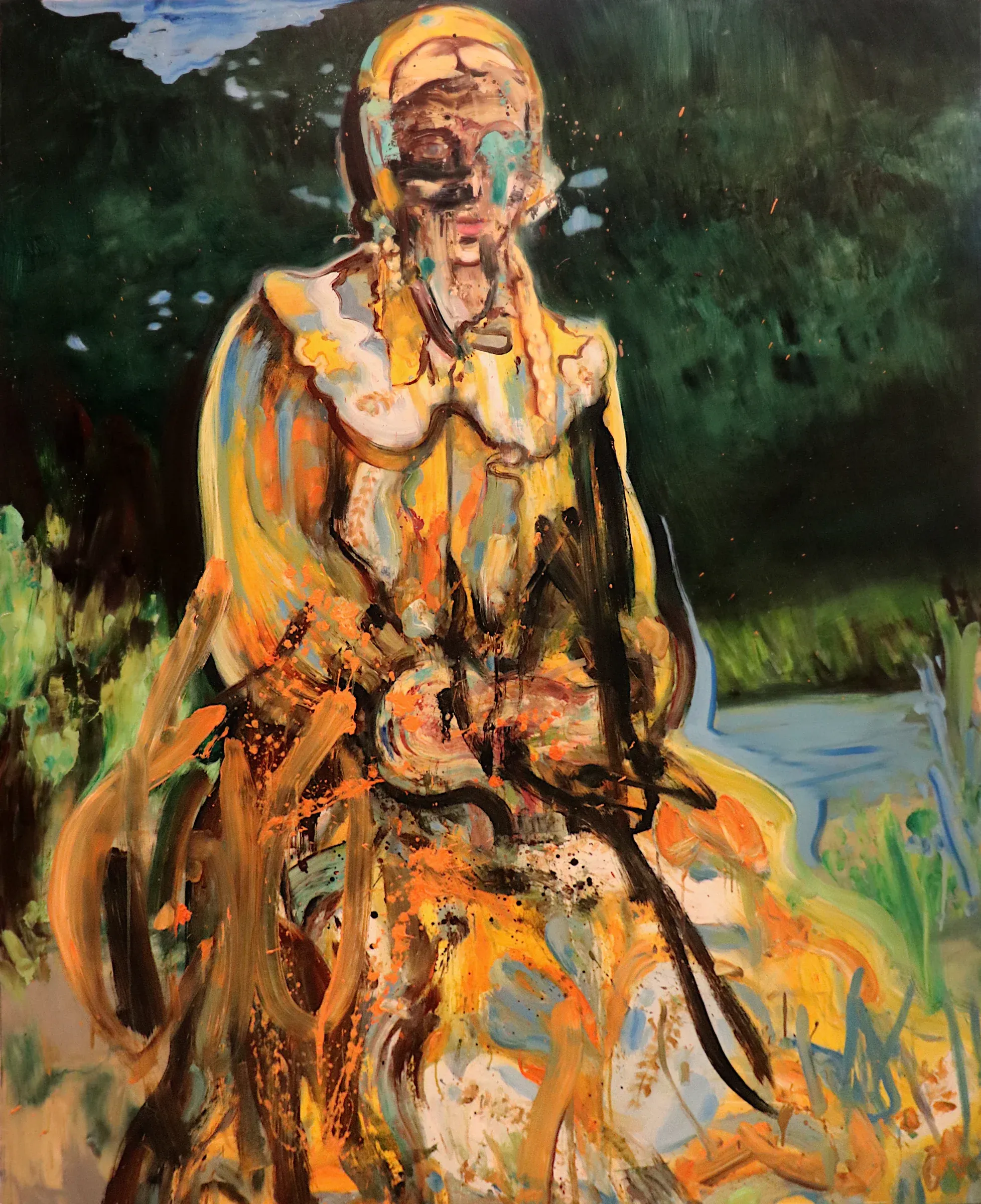
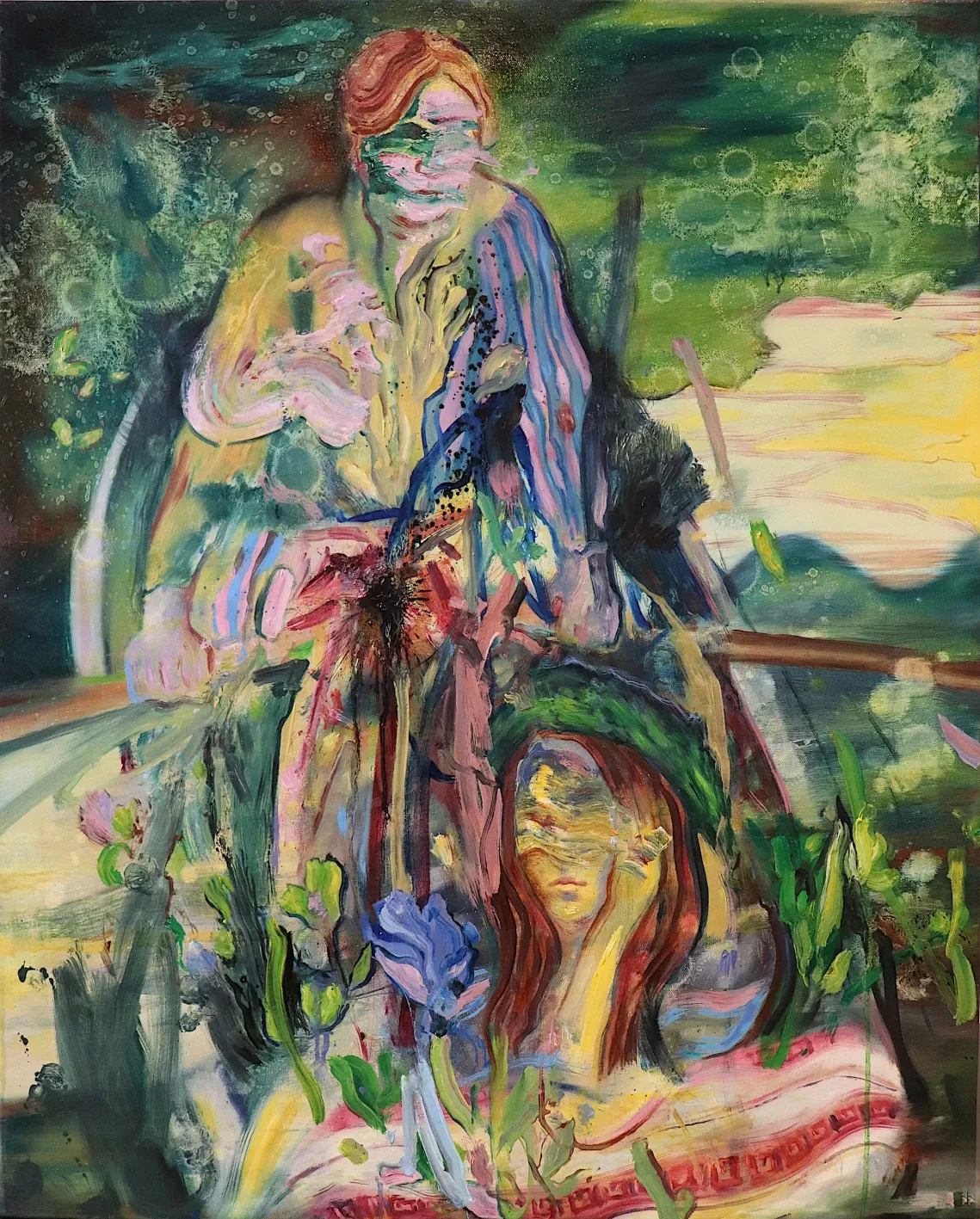
Leonardo Vargas does not reproduce it. He runs it through oil paint until the surface starts to fail, and the failure becomes the subject.
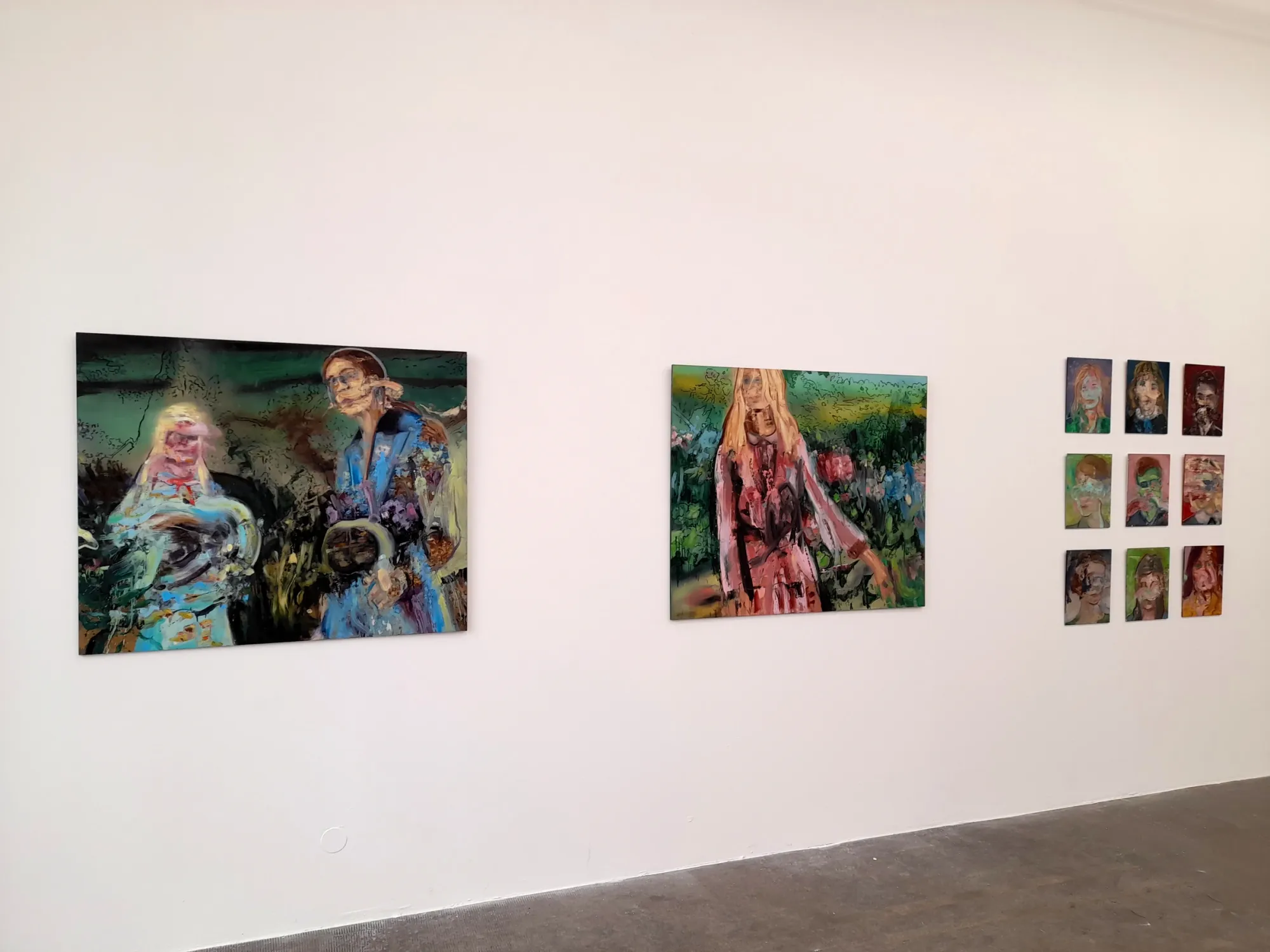
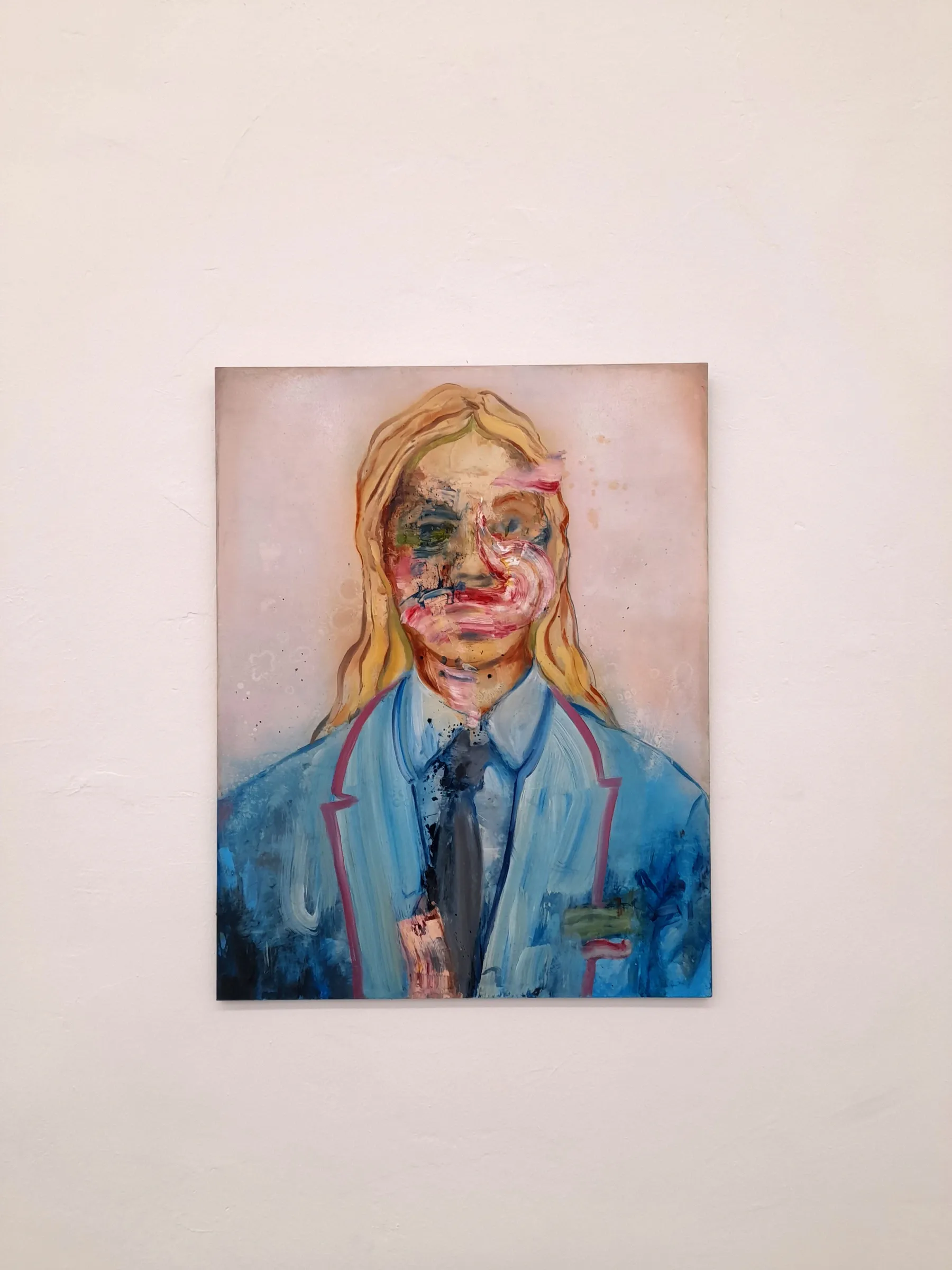
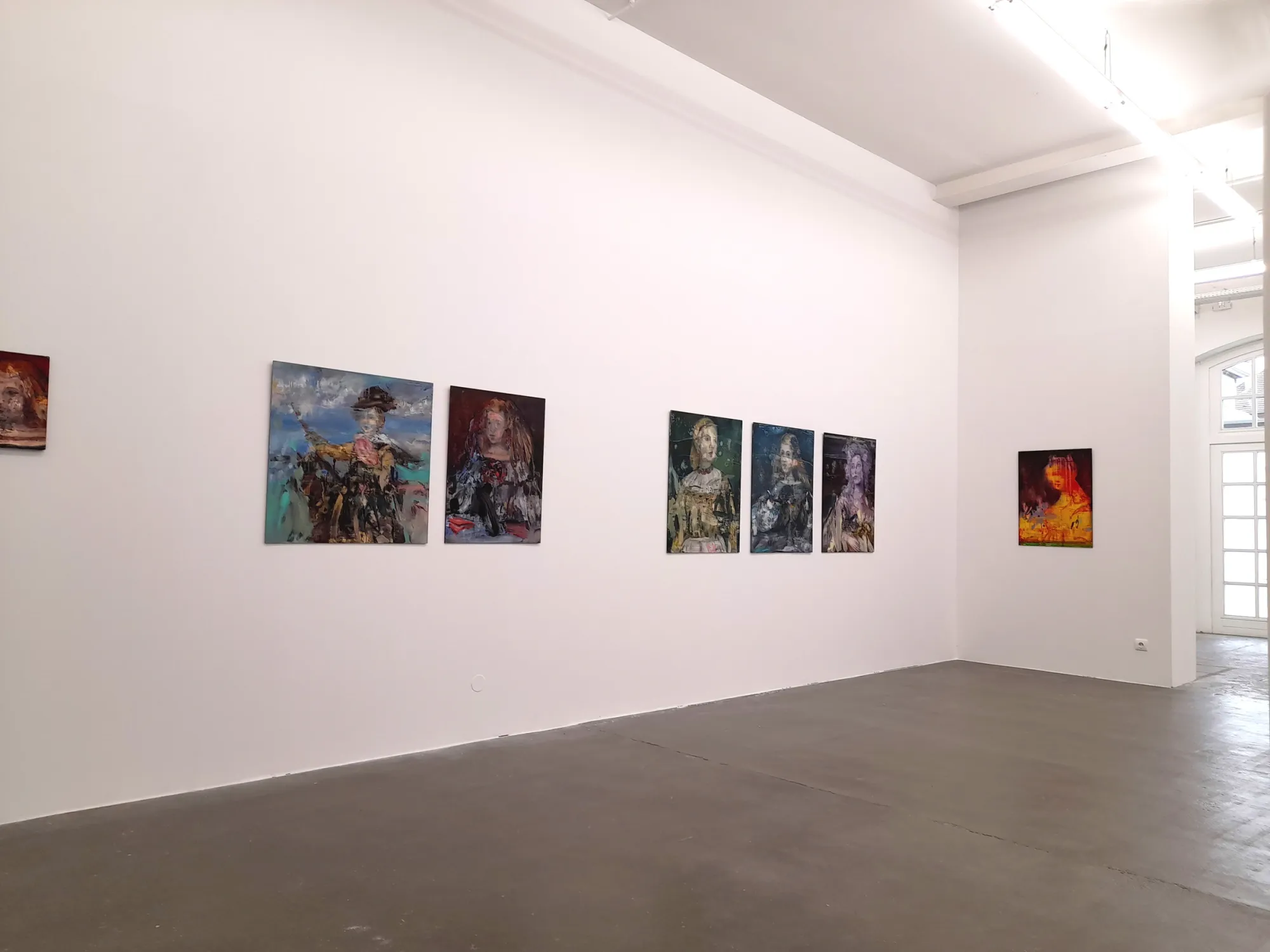
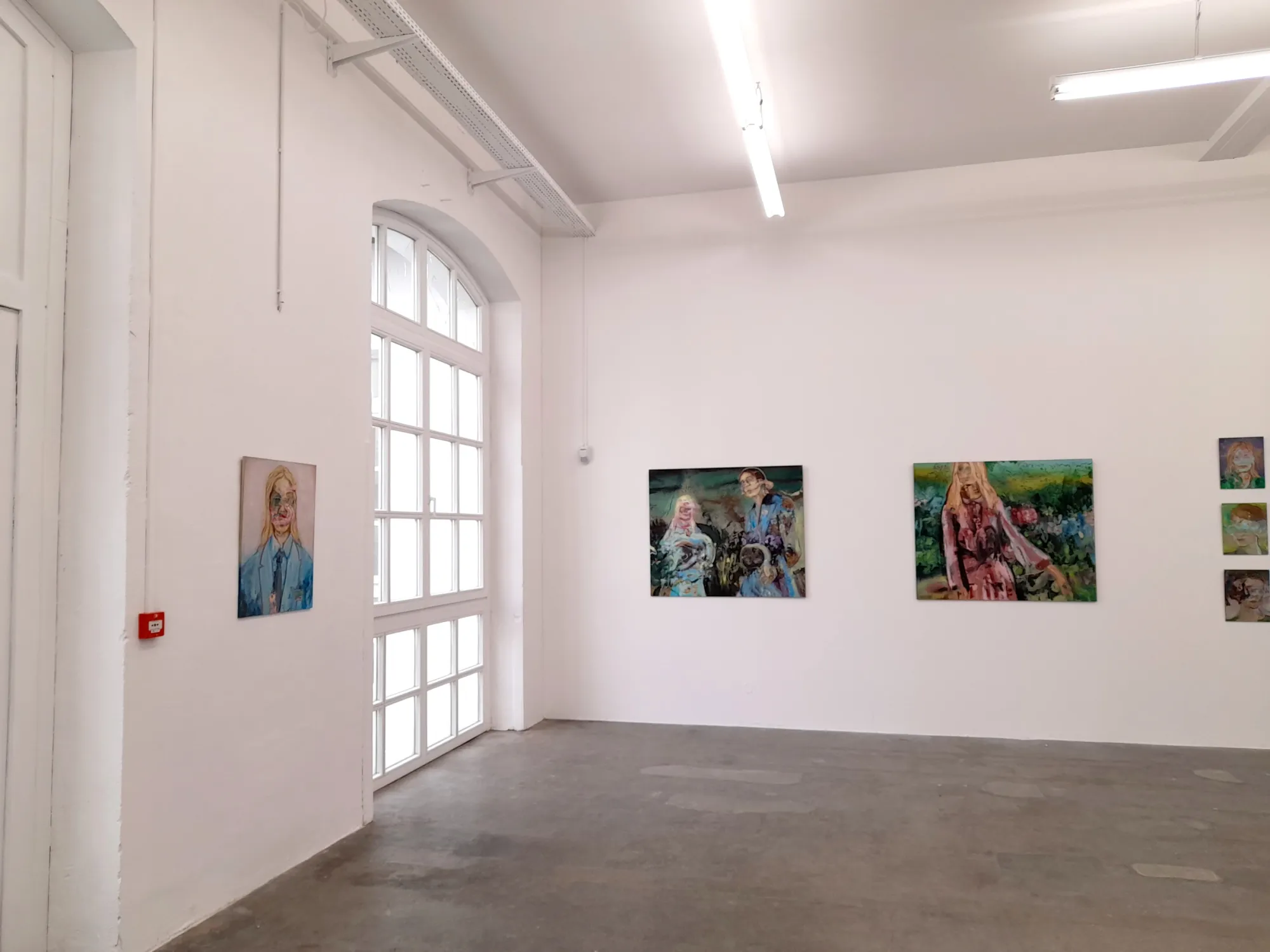
The source matters less than what happens to it. A glossy advertising image and a scratched historical plate receive the same treatment, layered pigment, deliberate blur, a hand that interrupts the mechanical eye.
What results sits between the coldness of the copied image and the warmth of the gesture that undid it.
Vargas treats the flaw as structure, not accident. Where the image stops resolving, the paint begins to hold something the photograph could not.
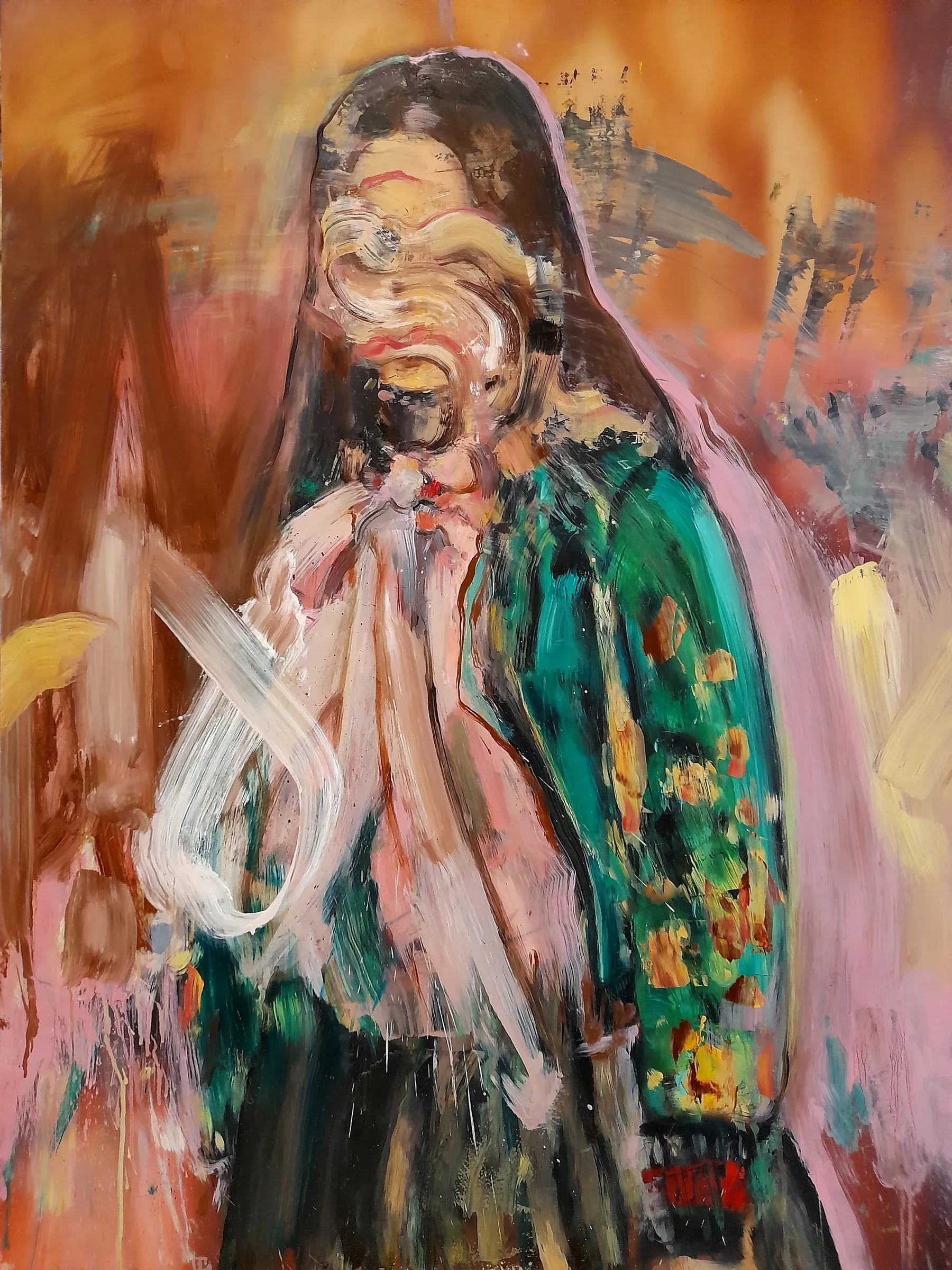
Flesh, in this practice, never settles into a fixed likeness. Faces arrive layered with brushstrokes that both build and dismantle a head at once, drips and blank passages standing in for what the source image withheld to begin with.
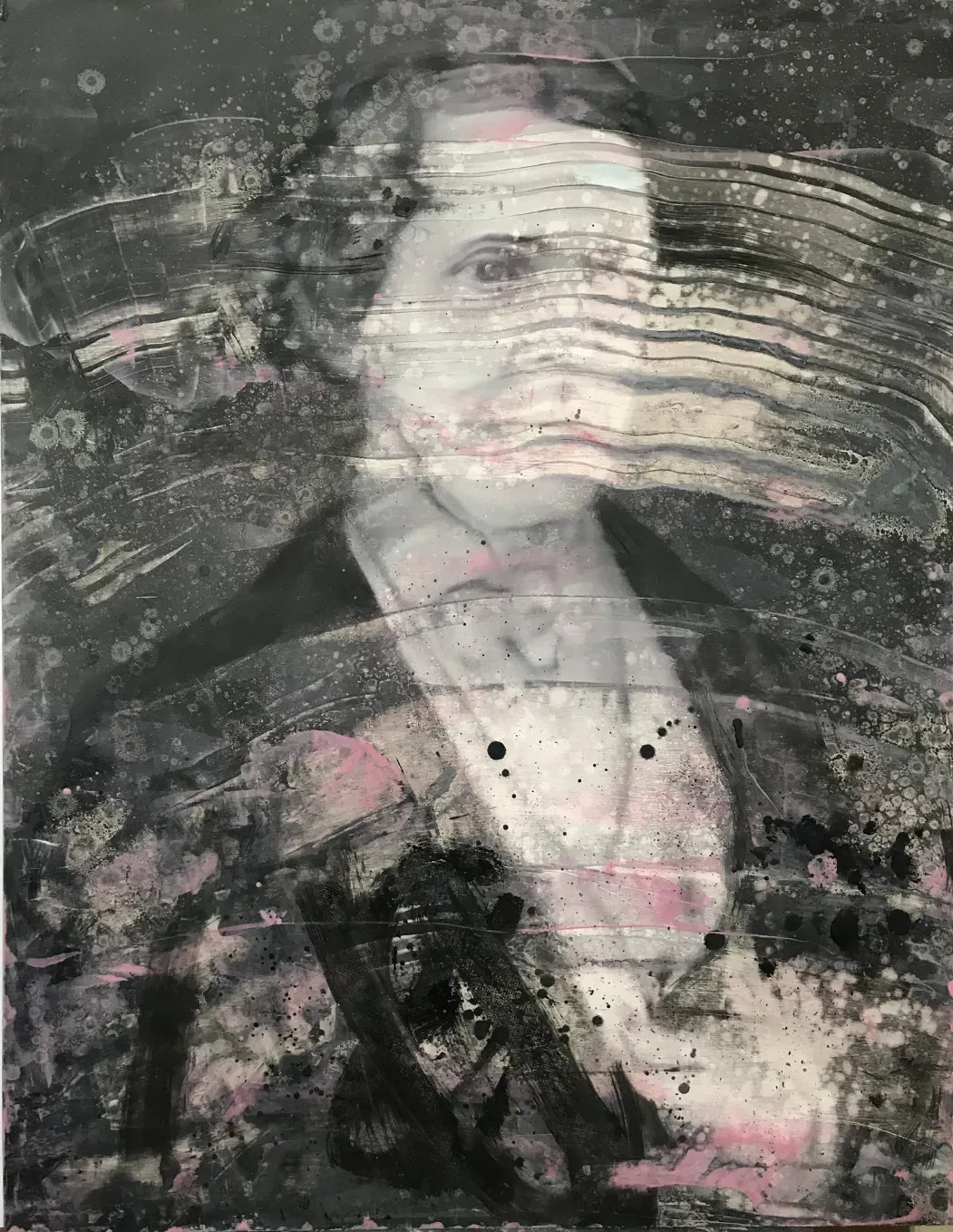
Daguerreotype, painted on board, pushes this logic against its own reference point: a nineteenth-century portrait process, already an unstable image by nature, is driven further into grain, static, and the kind of degradation associated with an object aging past legibility.
The painting does not restore the sitter it borrows from. It lets them recede instead.
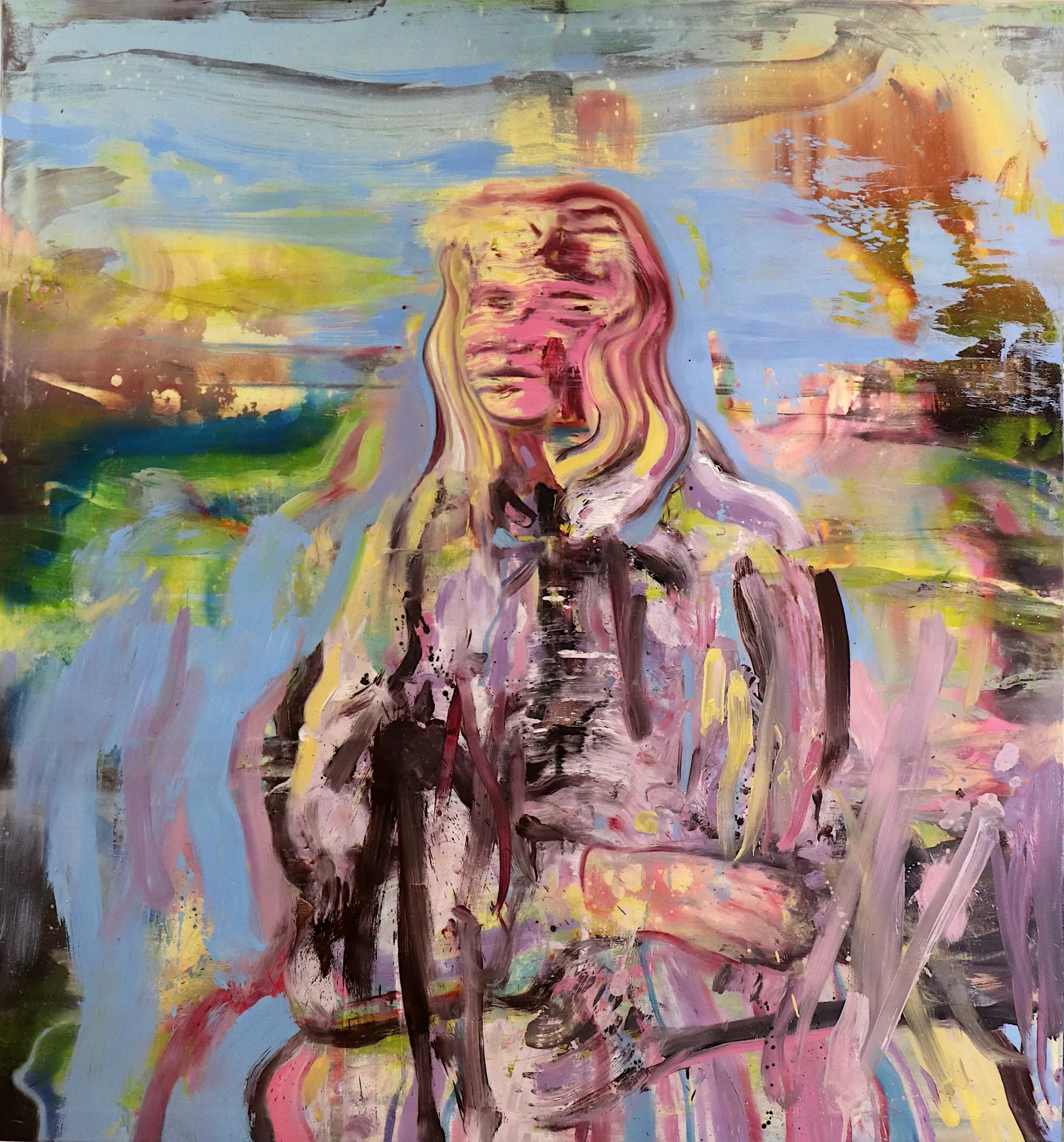
L'attente, worked from a VHS loop rather than a historical plate, carries the same argument through a different decade of image technology.
Vargas paints the tracking error, the horizontal drift a failing tape produces, as a compositional device rather than a technical accident to be smoothed over.
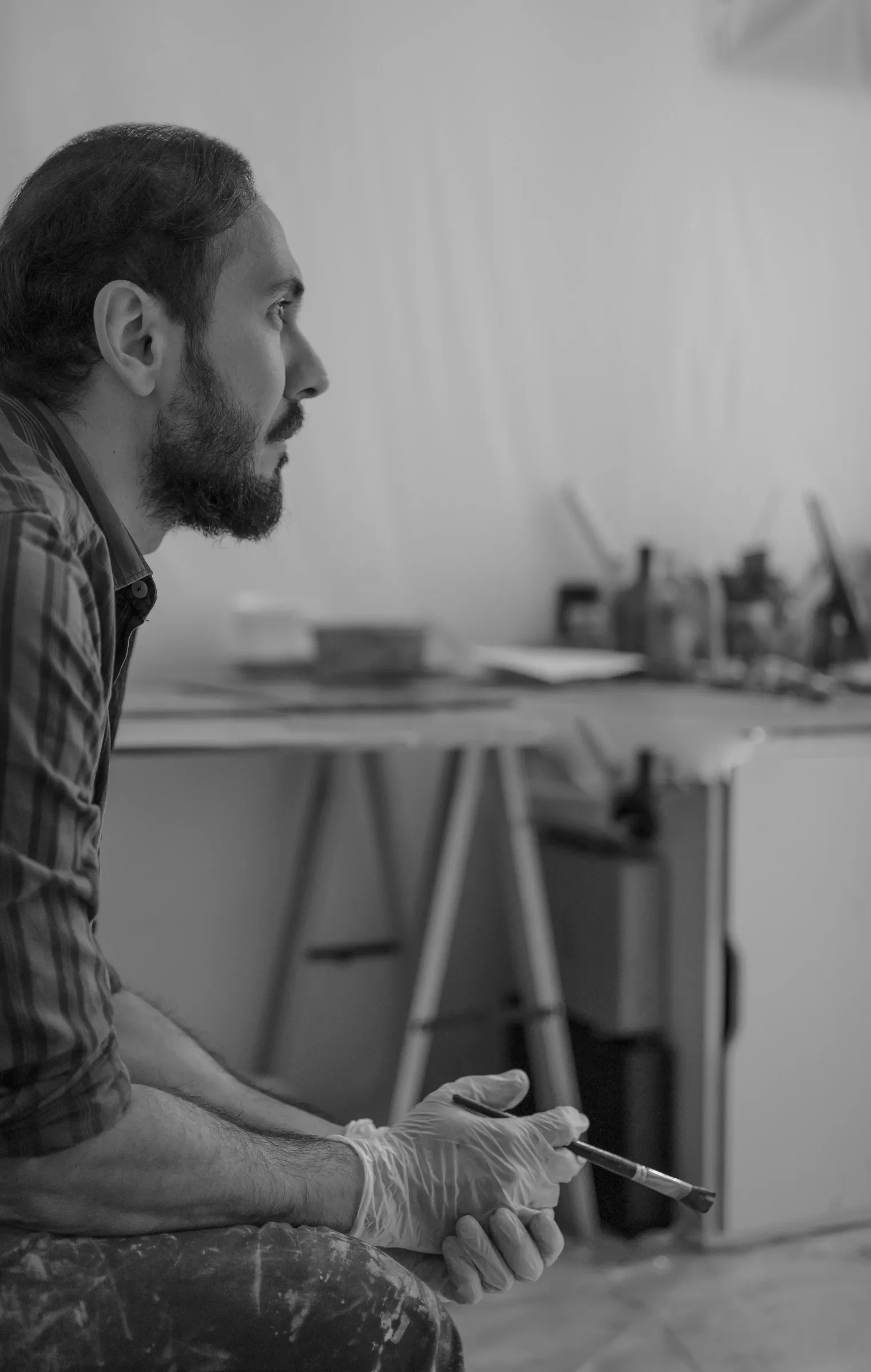
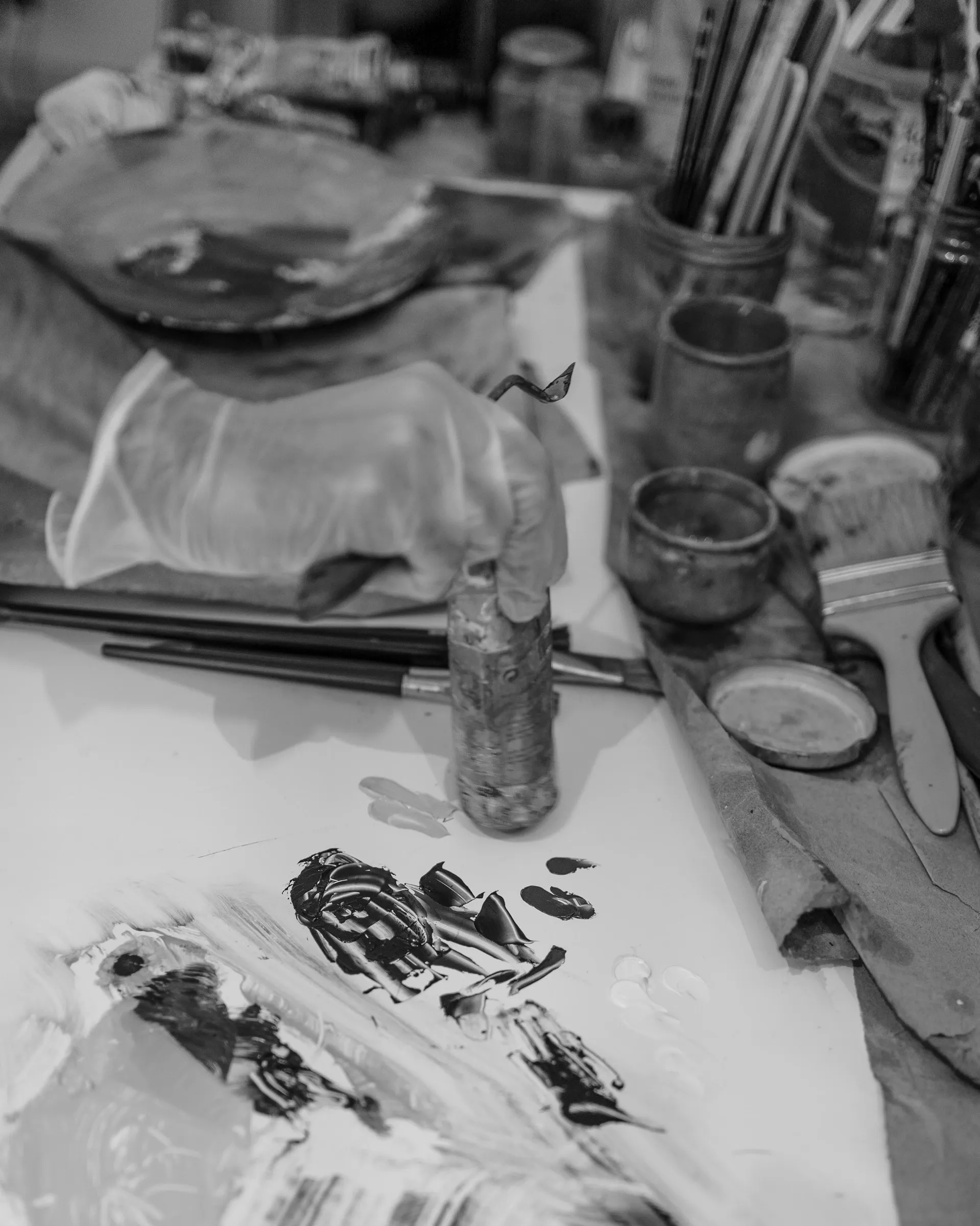
Leonardo Vargas at the studio. Photo: Irina Sabatina.
Across both bodies of work, whether the source is a fashion campaign or a corroded archive, the same operation repeats: an existing image is stripped of its authority and handed back to the hand that repaints it.
What results carries an unstable presence, a sense that the visible is only the residue of something fuller the process declined to preserve.
Vargas, born in Barrancabermeja, Colombia, trained across three cities before this became a working method rather than a subject: fine arts and art history in Bogotá, an MFA in Utrecht, and a doctorate at the Université de Strasbourg completed in 2024 with a dissertation on pictorial production in the digital age.
The research and the studio practice appear to run on the same question, tested first as an argument and later as paint.
Represented by Galerie Bertrand Gillig in Strasbourg, Galerie Lessirard in the PACA region of France, and 171 Gallery in Switzerland, he exhibits regularly across both countries, with a show titled after his method, Essays on Imperfection, opening at 171 Gallery in Lucerne this year.
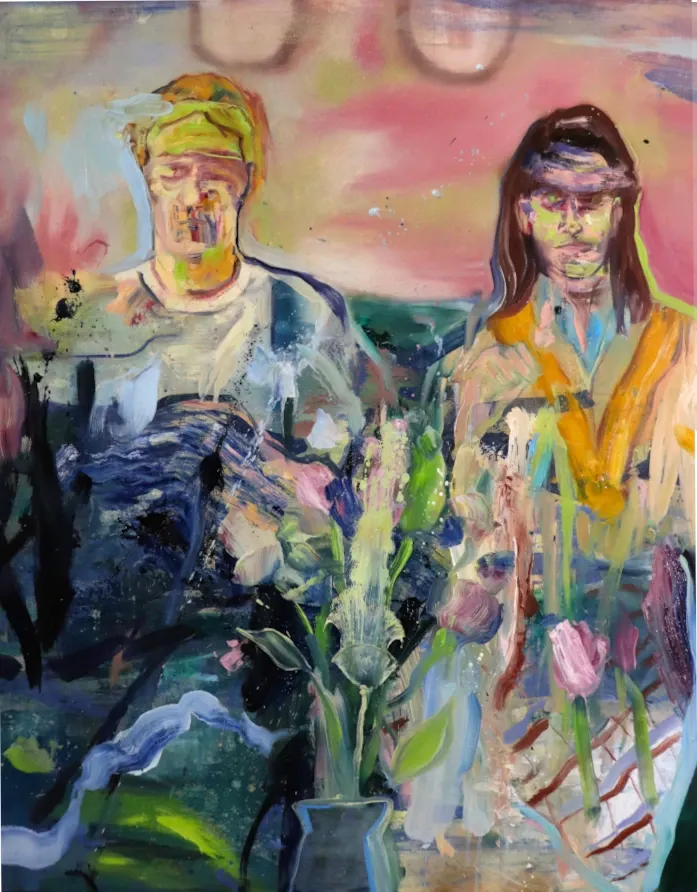
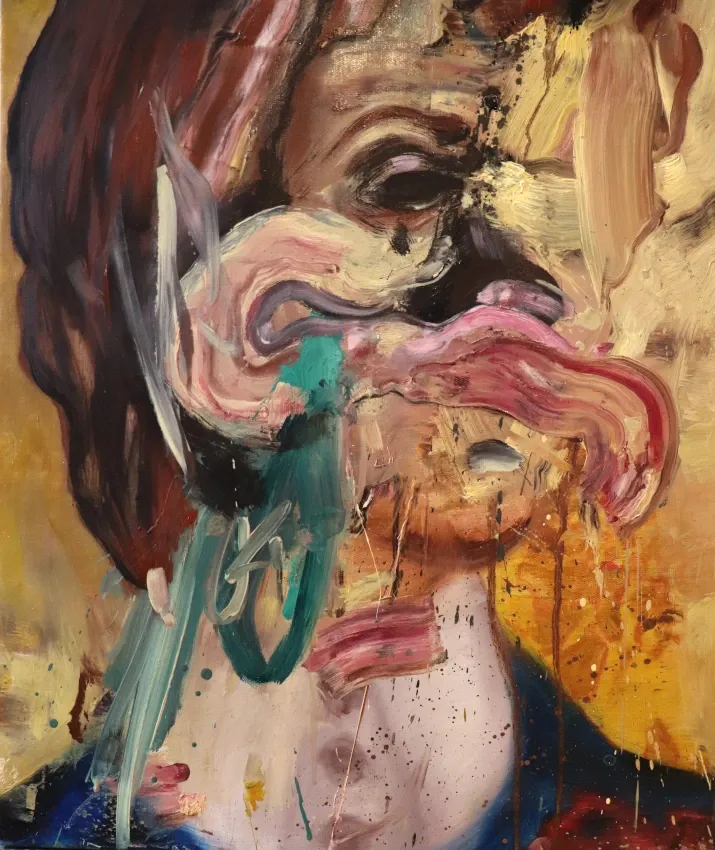
Leonardo Vargas (left), Couple, oil on canvas, 92 x 72 cm. Courtesy the Artist and Galerie Lessirard. Leonardo Vargas, (right) David (After Michelangelo), oil on canvas, 60 x 50 cm. Courtesy the Artist and Galerie Lessirard.
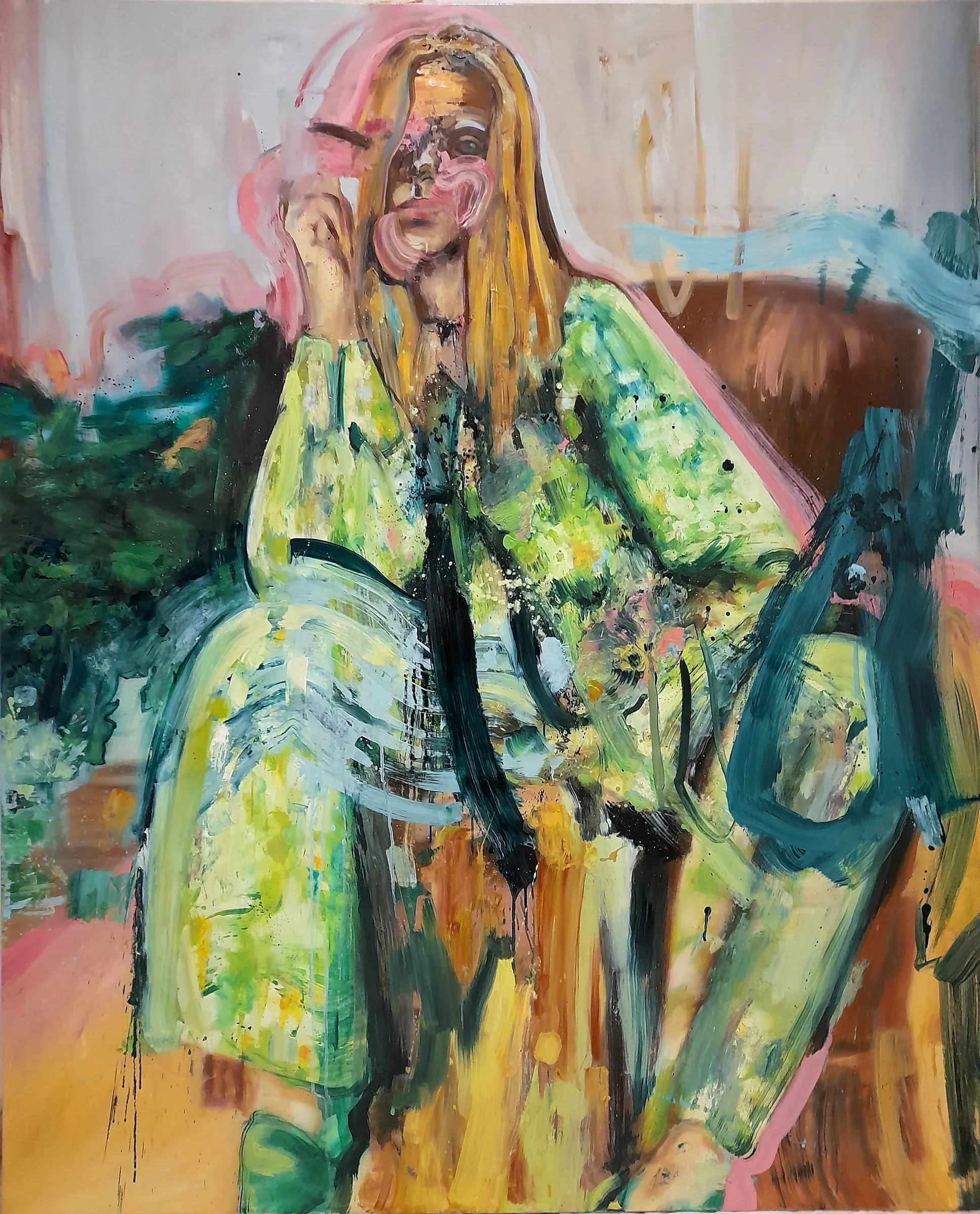
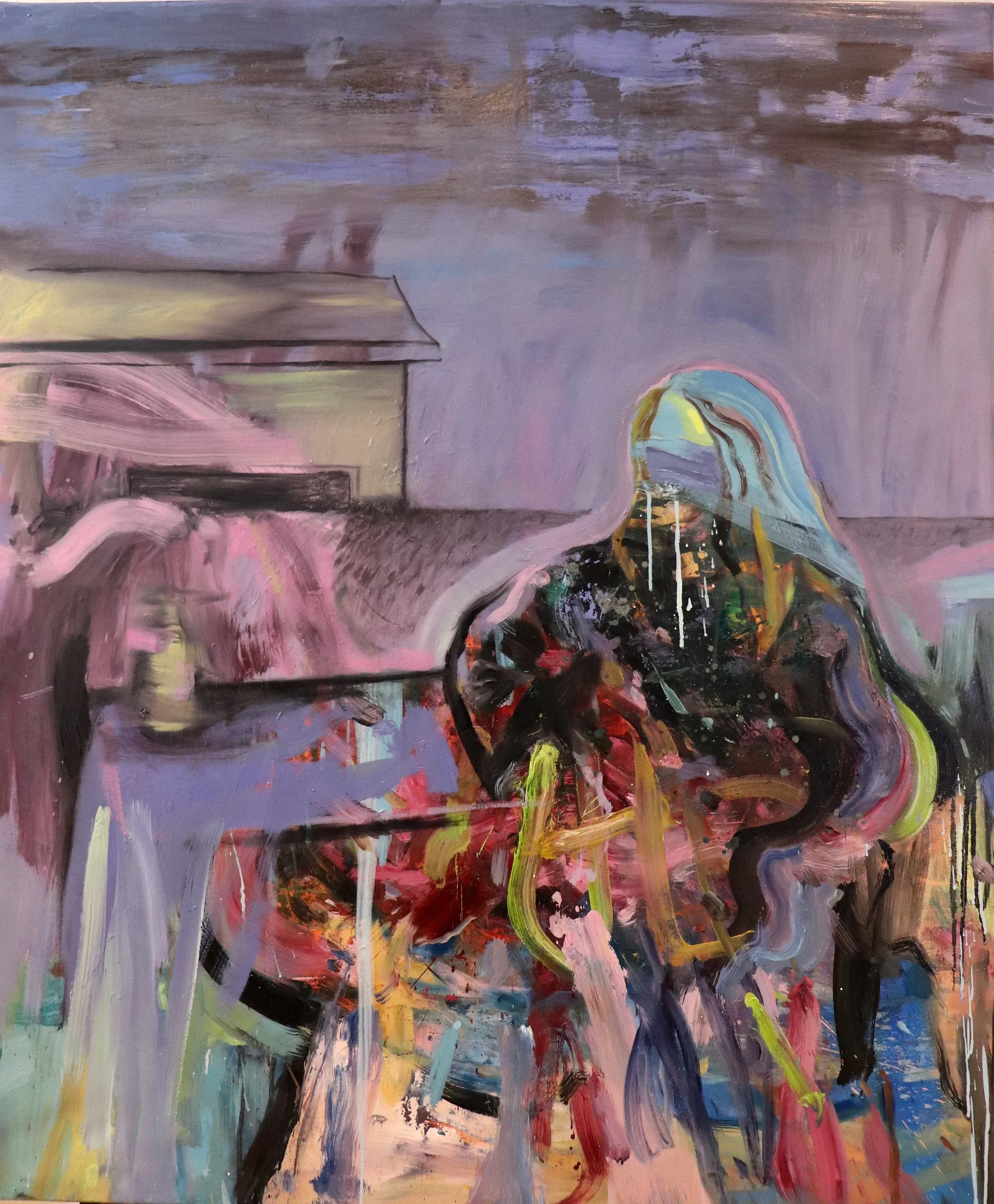
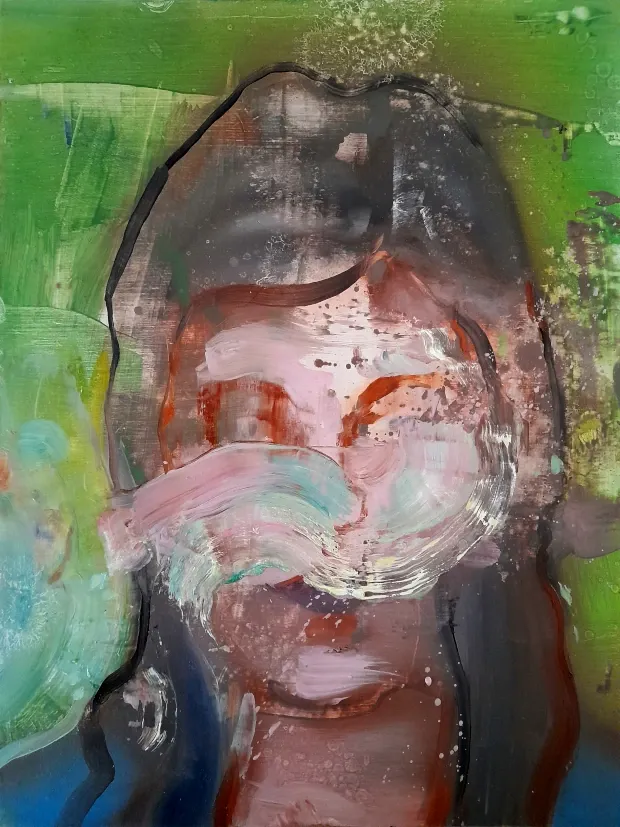
Leonardo Vargas, (left) Pause (Figure in the Field), oil on canvas, 120 x 100 cm. Courtesy the Artist and Galerie Lessirard. Leonardo Vargas, (right) portrait study, oil on board, 35 x 27 cm. Courtesy the Artist and Galerie Lessirard.
What sits on the screen or the plate before Vargas intervenes is already unstable. The painting only refuses to pretend otherwise.