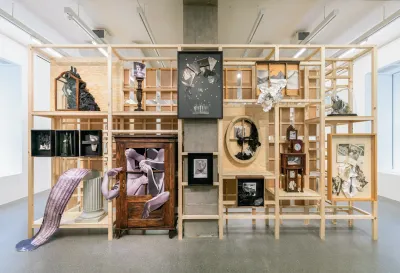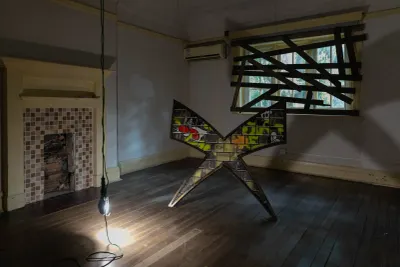
The Dead Do Not Log Off Anymore

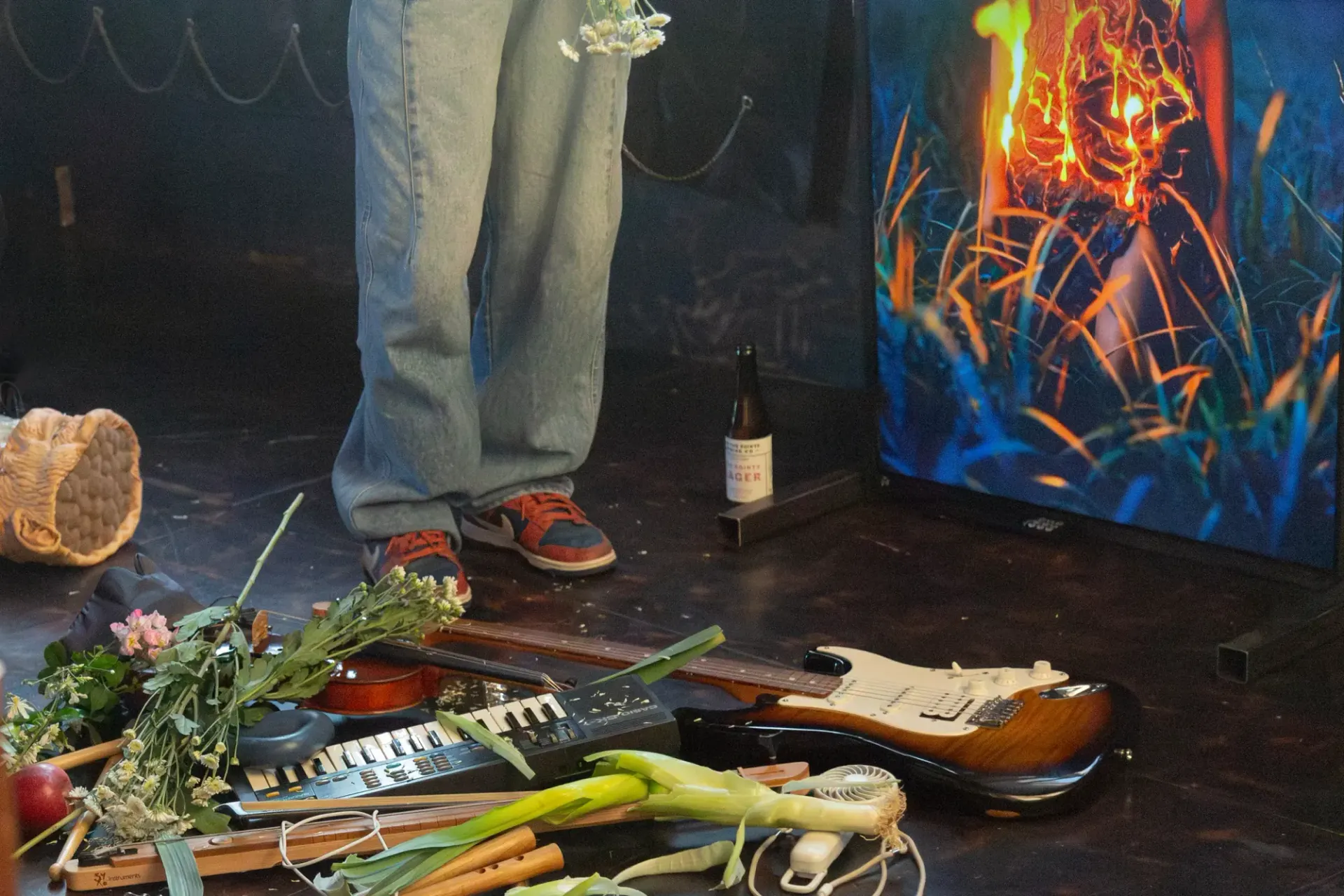
Nicola Genovese - Infinite Stage, Chapter I at Raleigh Chapel in London
Raleigh Chapel presented Nicola Genovese's solo exhibition and performance Infinite Stage, Chapter I in Stoke Newington, London, from 17 to 28 June 2026.
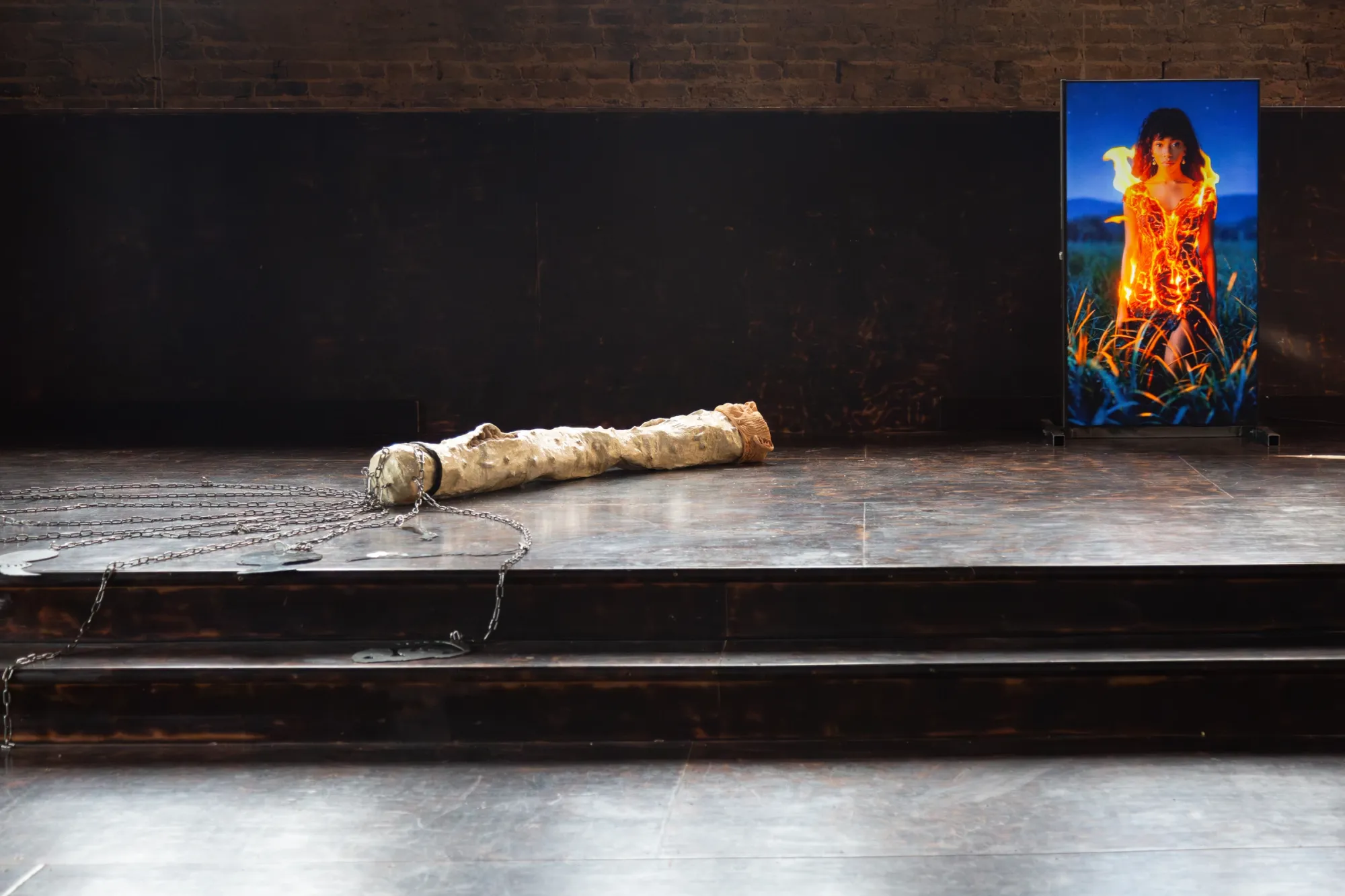
Sculptures doubled as stage props, activated twice across two live performances built from flute, violin, dance and video.
The subject underneath all of it is what happens to death once griefbots and ghostbots let the living keep talking to it.
Nicola Genovese
Infinite Stage – Chapter I
Raleigh Chapel
London, United Kingdom
–
Private View: 17 June, 6pm
Performances: 17 June, 7pm & 28 June, 6pm
Daily 18–28 June, 5–7pm
138 Church Walk, London N16 8QQ, UK
Magda Drozd, Jeonghan Yoon, Alice Köppel, Lelah Neary, Arianna Ransley, Umlilo
Francesco Pasquini
Stephanie Popoola
Courtesy Nicola Genovese and Raleigh Chapel
info@raleighchapel.org
Text by Francesco Pasquini
Imagine carrying those we have lost in our pockets, within our phones, waiting to be summoned back into presence with the swipe of a finger. In Infinite Stage – Chapter 1, we enter a near future where the dead no longer rest in graves. Instead, they linger like digital souls in virtual purgatory, switched on and off at will.
Nicola Genovese's solo exhibition at Raleigh Chapel reveals a future that has already arrived. Griefbots, hyper-realistic reconstructions of the deceased, assembled from online data, attempt to soften the rupture of death, that moment when the world falls silent yet everything trembles.
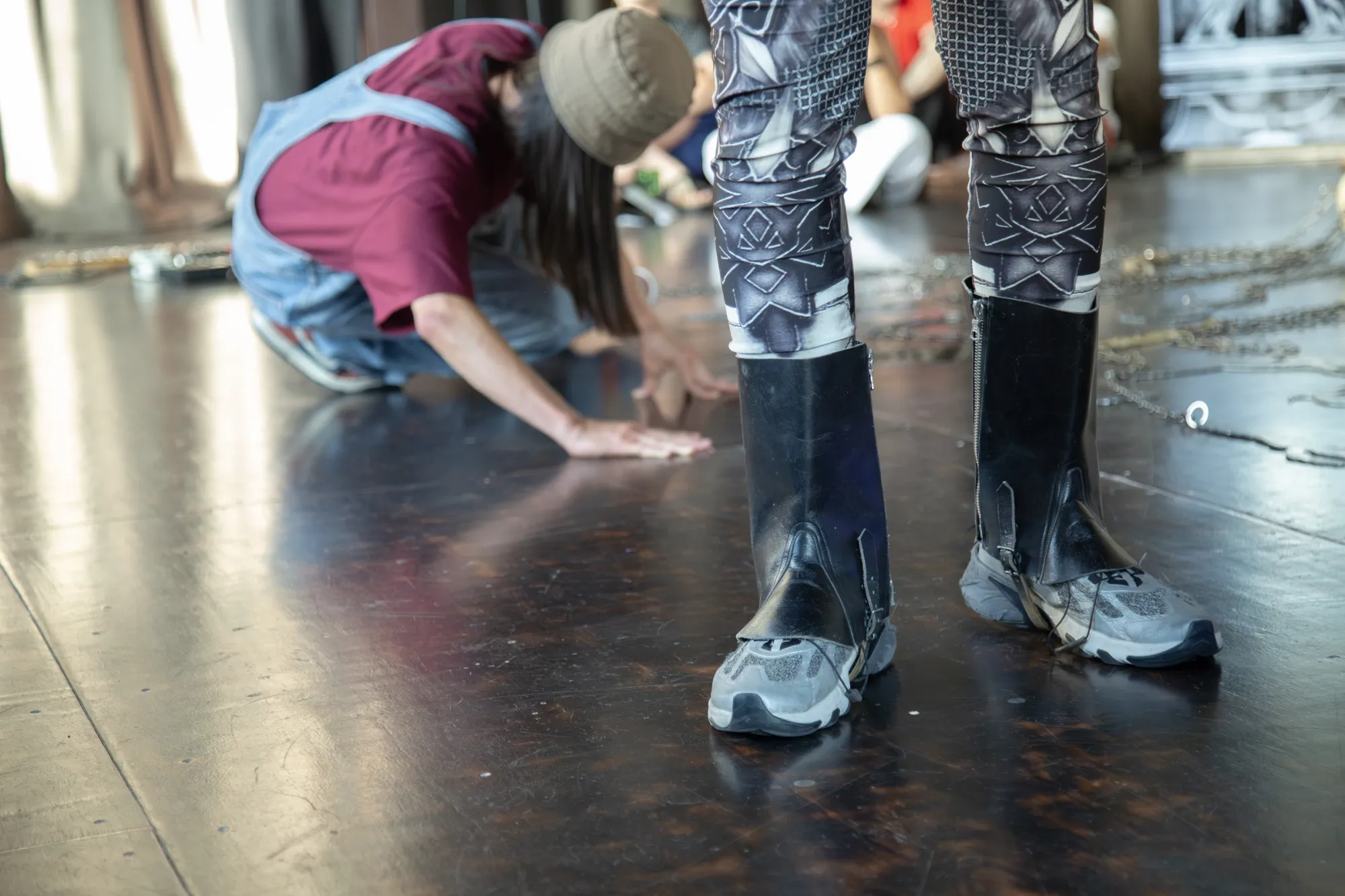
A rupture that, however painful, remains essential to understanding the privilege of being alive. In attempting to escape grief, society becomes increasingly alienated from death, ageing, and, ultimately, itself.
Working through this condition of alienation, Genovese's research explores our relationship with mortality from the Middle Ages to the present, and the perception of ageing from the Baroque period onwards, tracing a society in which the signs of bodily decline are progressively erased.
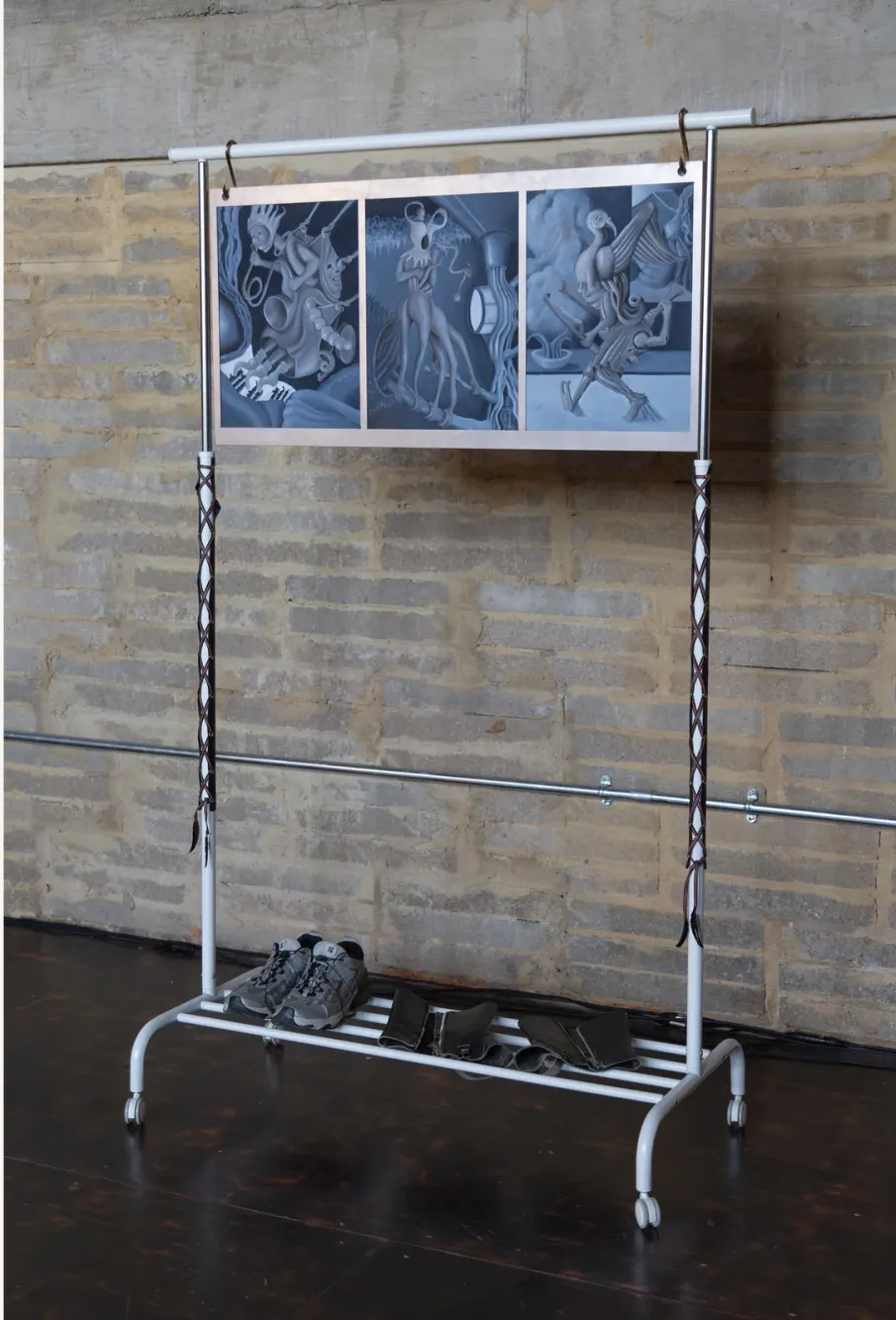
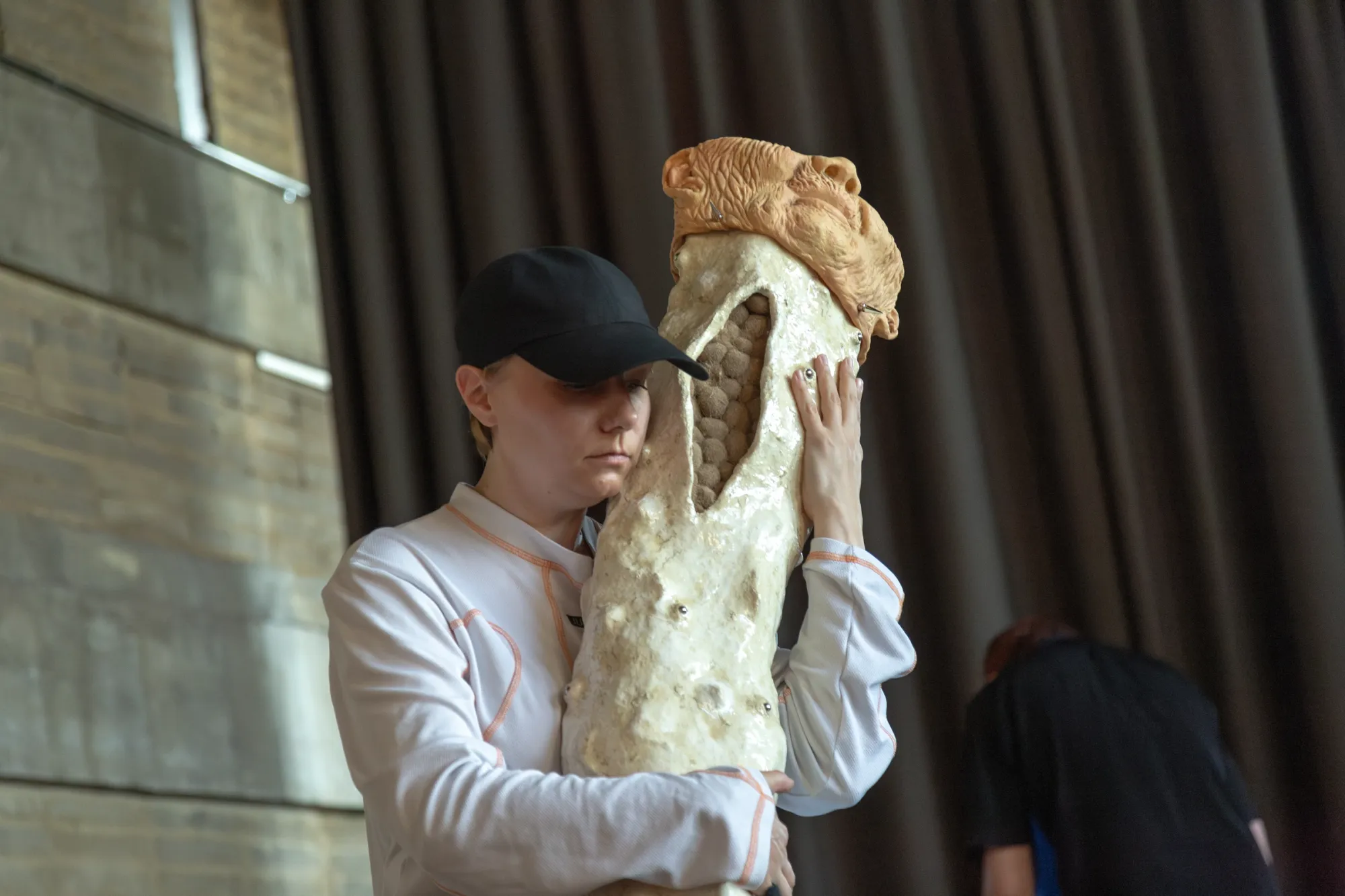
Wrinkles, sagging skin, and everything that resists dominant ideals of beauty, are banished from view; the world is filtered either through thick layers of ceruse facial powder or through an Instagram lens.
Here, a rebel group emerges in quiet resistance, leaving behind traces of aging bodies. The two anthropomorphic sculptures Exhale your last breath (2026), lie as evidence on the floor: through elderly masks, they evoke the impermanence of the body, returning us to an awareness of what we are, and what we will all inevitably become.
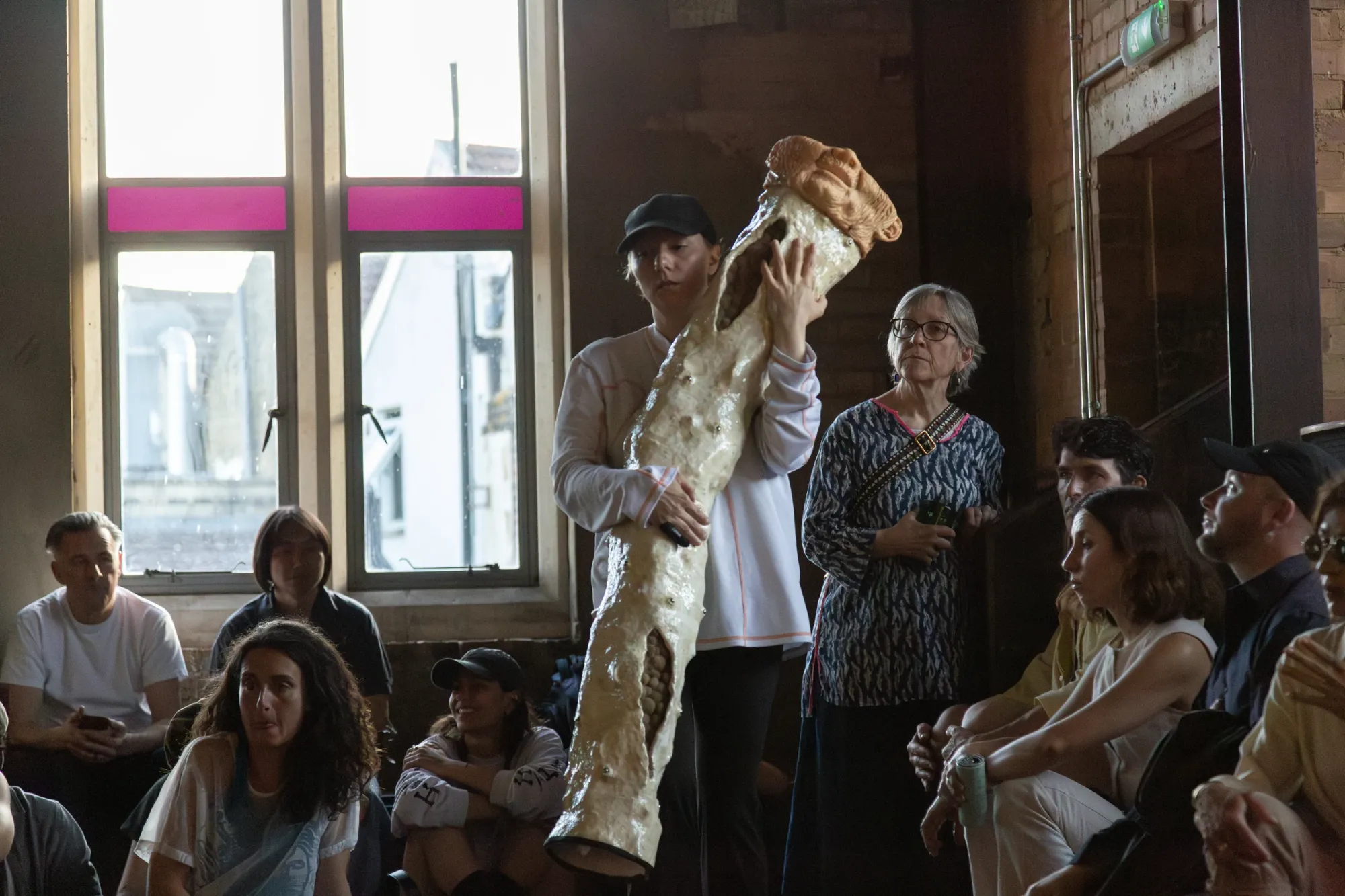
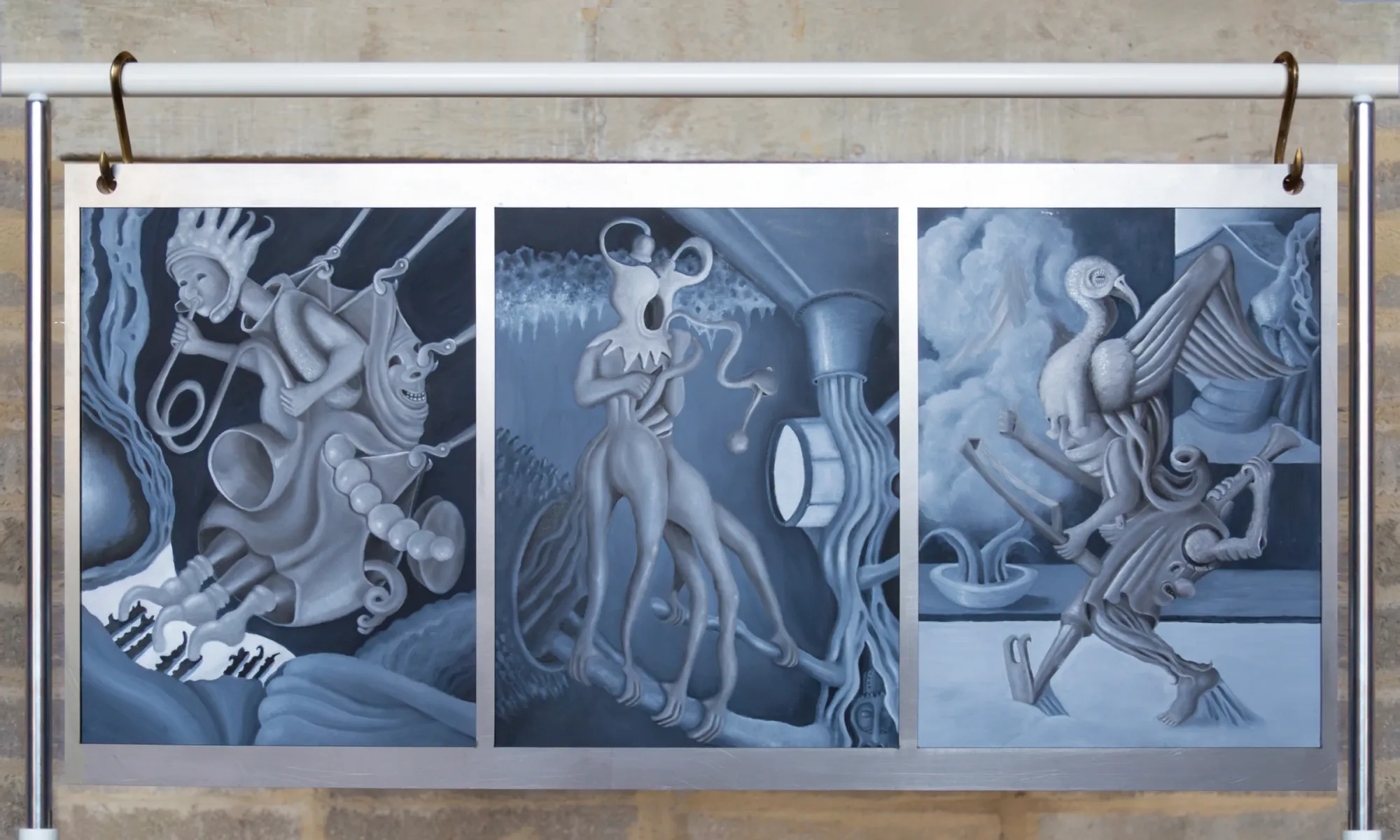
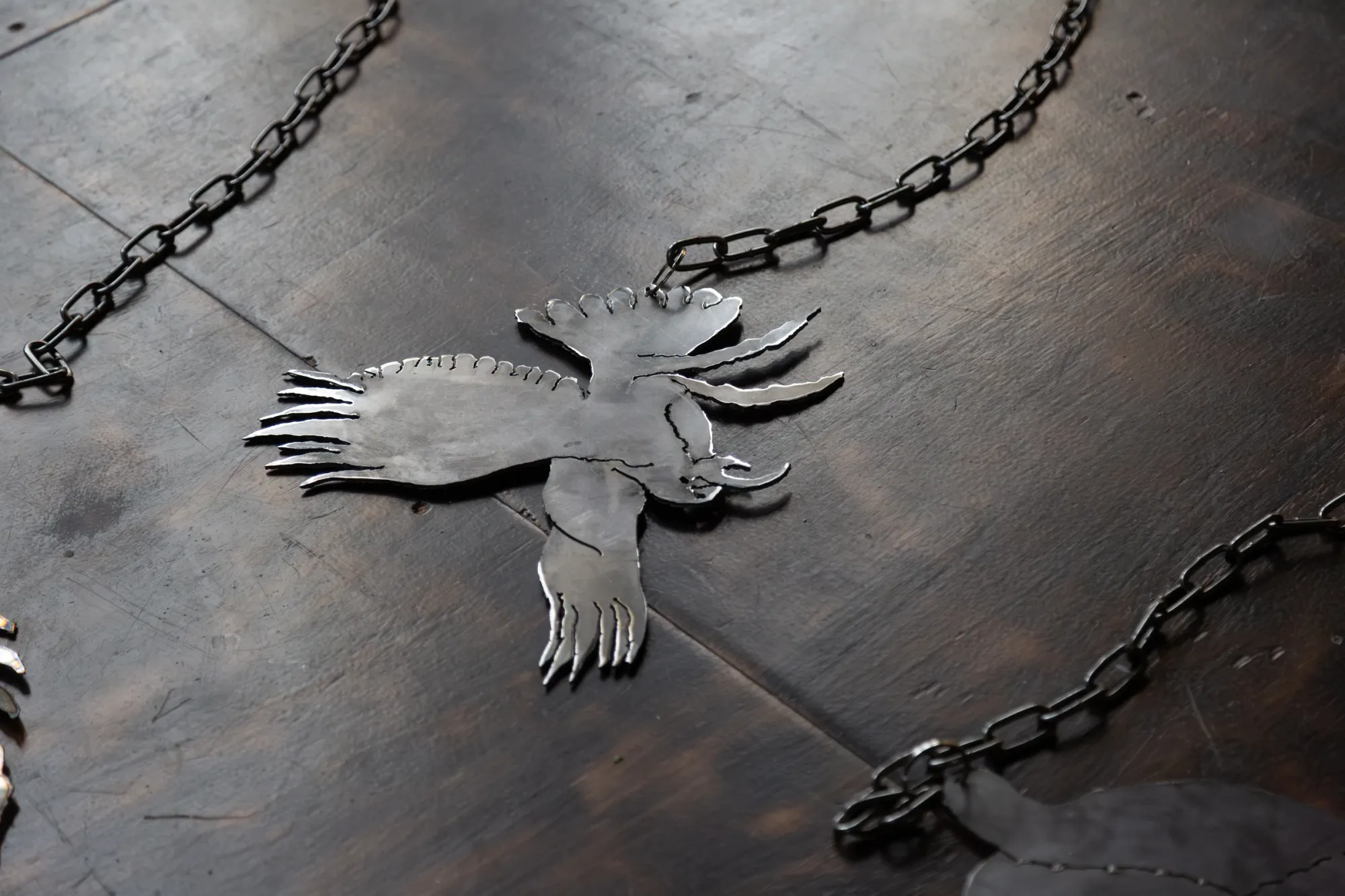
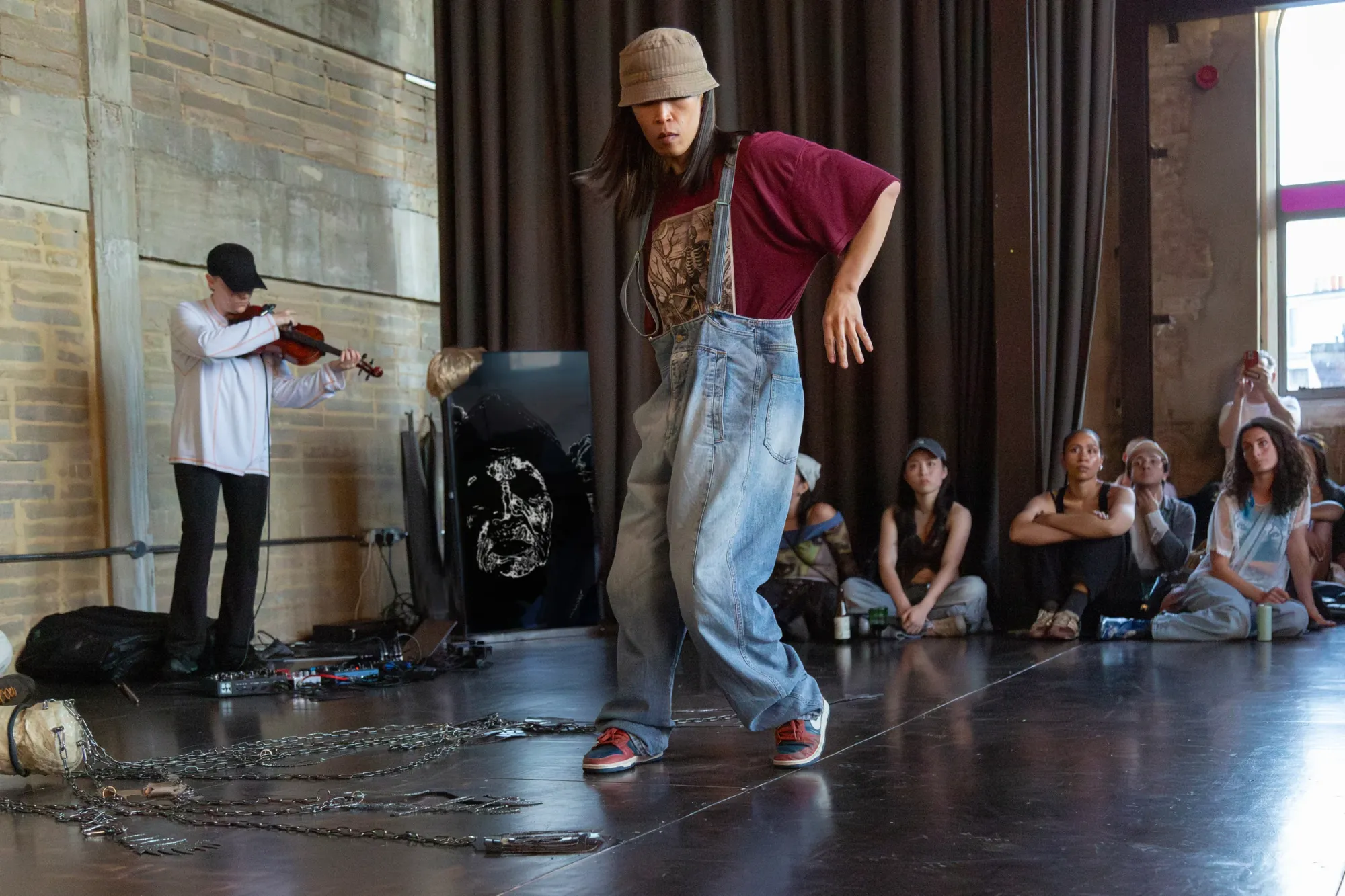
A performance composed of a sequence of acts unfolds across the space, different live musical compositions are delivered by the artists alongside other performers. Through the act of playing the flute, Genovese draws attention to breath, its fragility, its necessity.
Breath, an emblem of being alive, is here transformed into sound, into music. "Exhale, empty your lungs completely, exhale your last breath," echoes from a video in the background as the artist plays.
Throughout the exhibition, Genovese constructs a world where the technological paranoia of Black Mirror collides with the existential uncertainty of the Theatre of the Absurd: illogical juxtapositions, symbolic actions, and social critique, where rational thought gives way to deeper layers of the subconscious.
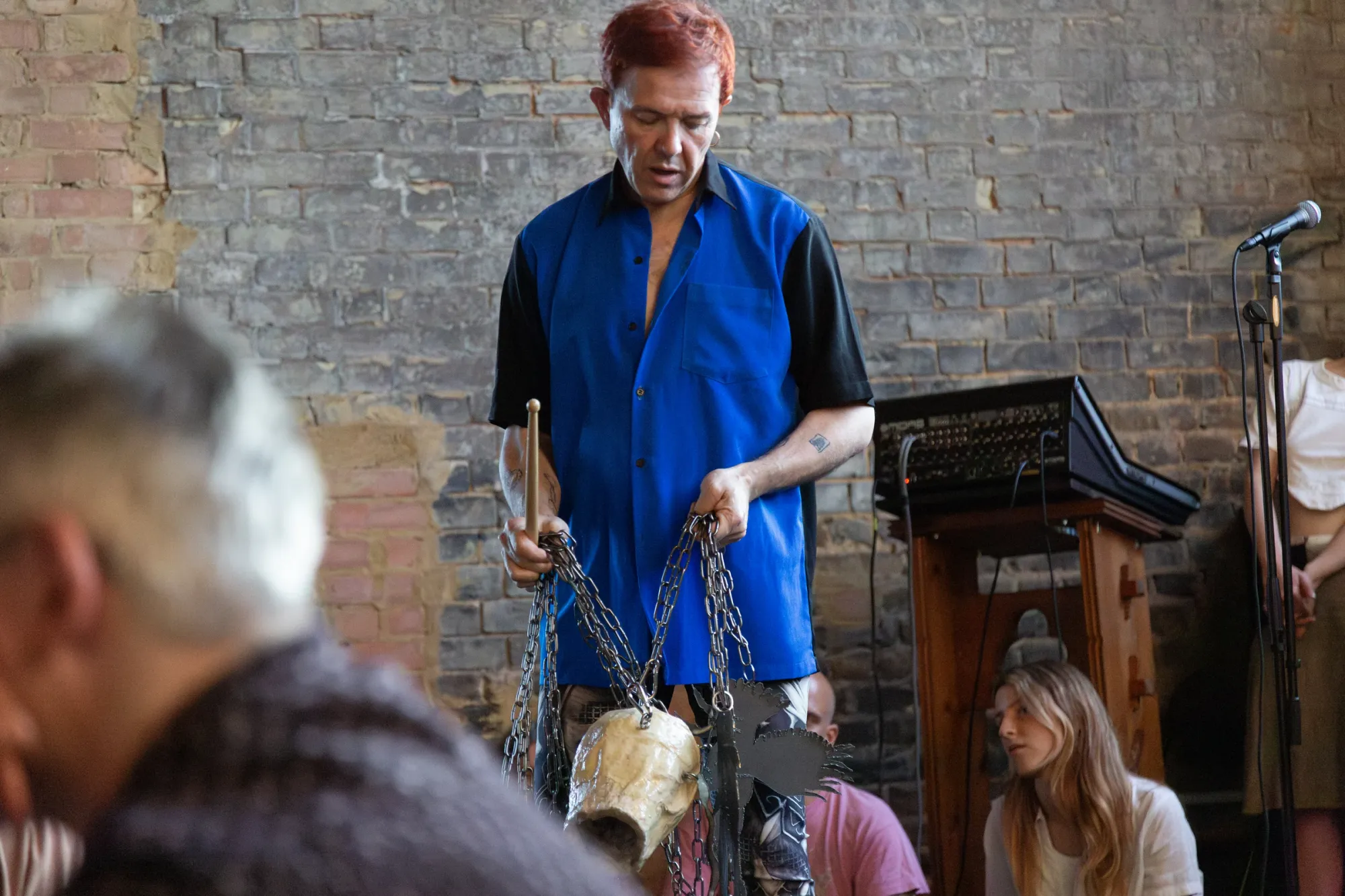
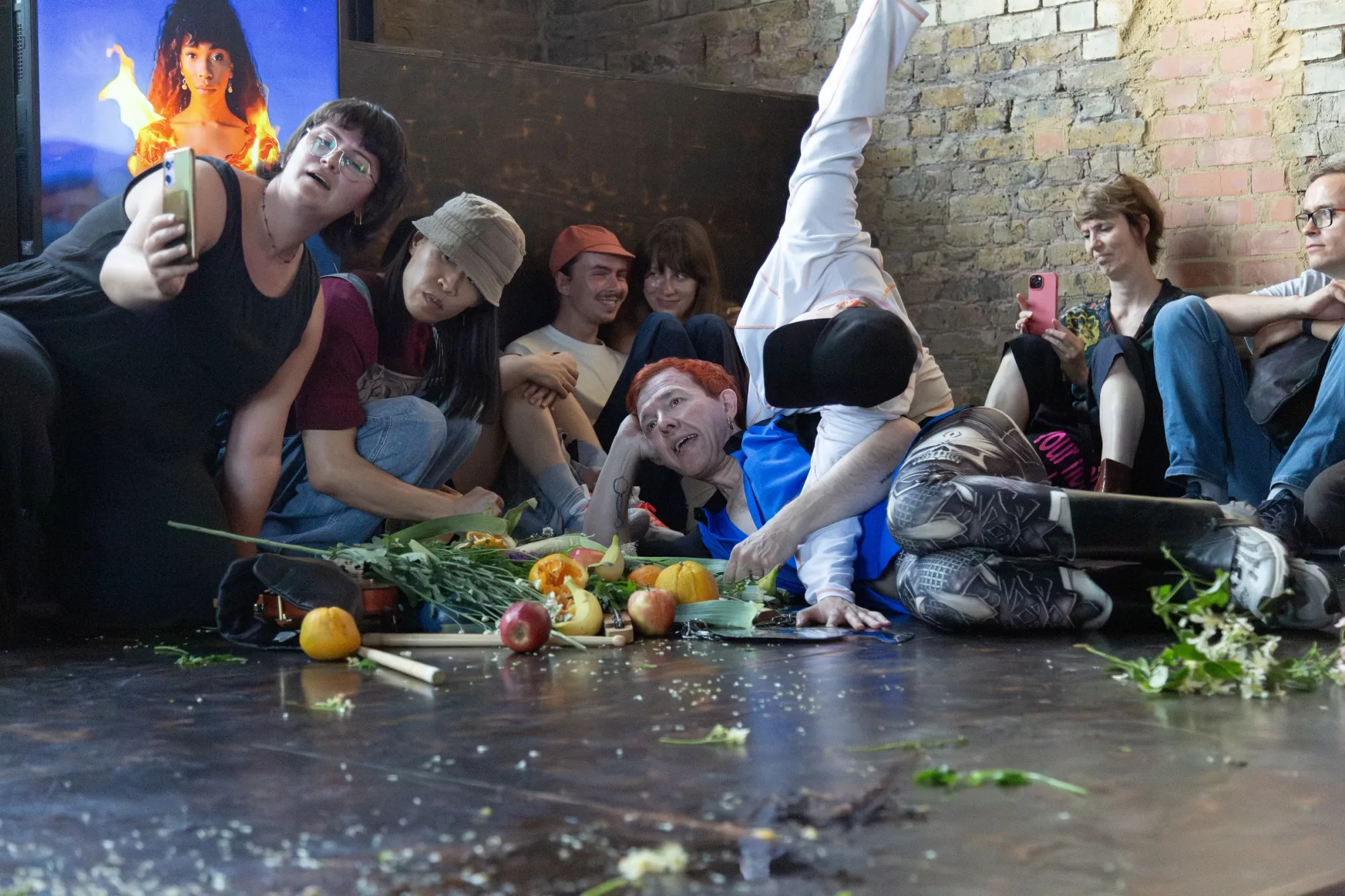
Here, sculpture oscillates from prop to relic, inhabiting a space of ambiguity. Activated through touch and movement, these forms are drawn into the performance before returning to stillness.
Poised between Baroque excess and dystopian vision, Infinite Stage – Chapter 1 is saturated with images and overlapping mediums. Everything is pushed to its limits.
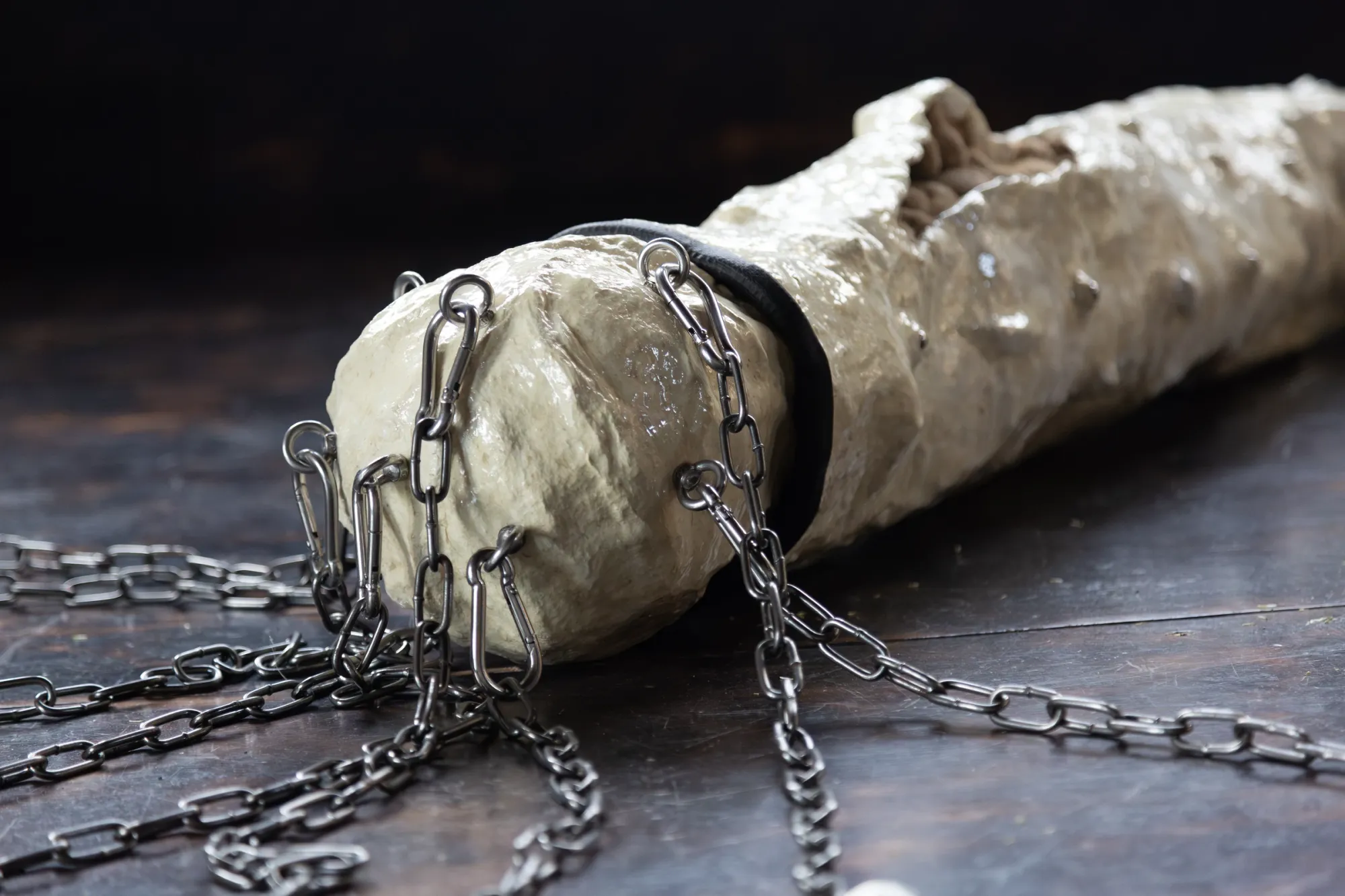
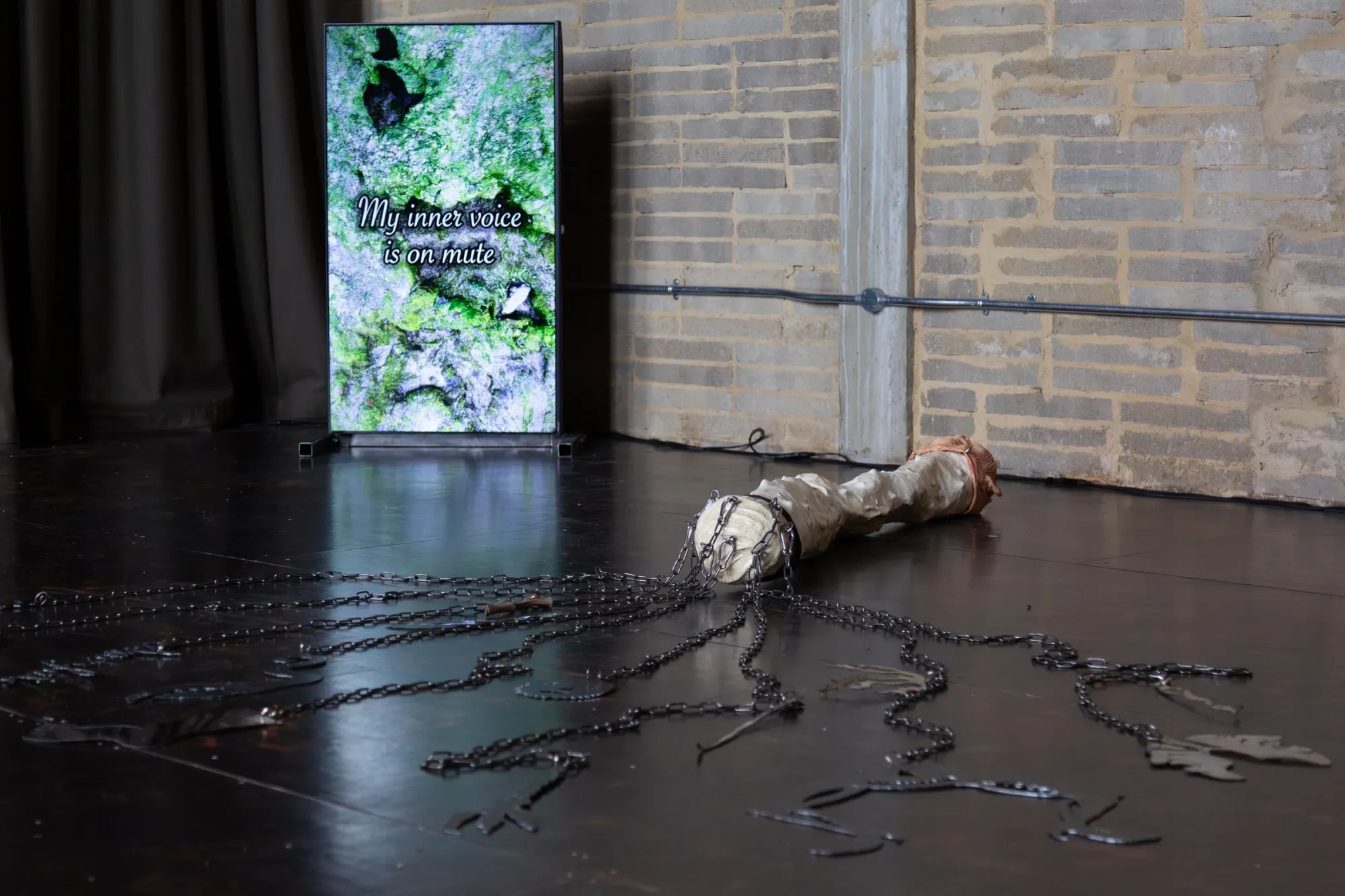
"It's a matter of generosity," says the artist. Painting and sculpture intertwine as the surreal and the real collapse into one another, and Baroque surplus merges with contemporary anxieties around ageing, without ever abandoning a subtle, underlying irony.
Through this lens, Genovese invites us to reflect not only on how death has been, but how it might come to be, perceived in a near future already marked by dystopic features like Griefbot.
Text by Francesco Pasquini
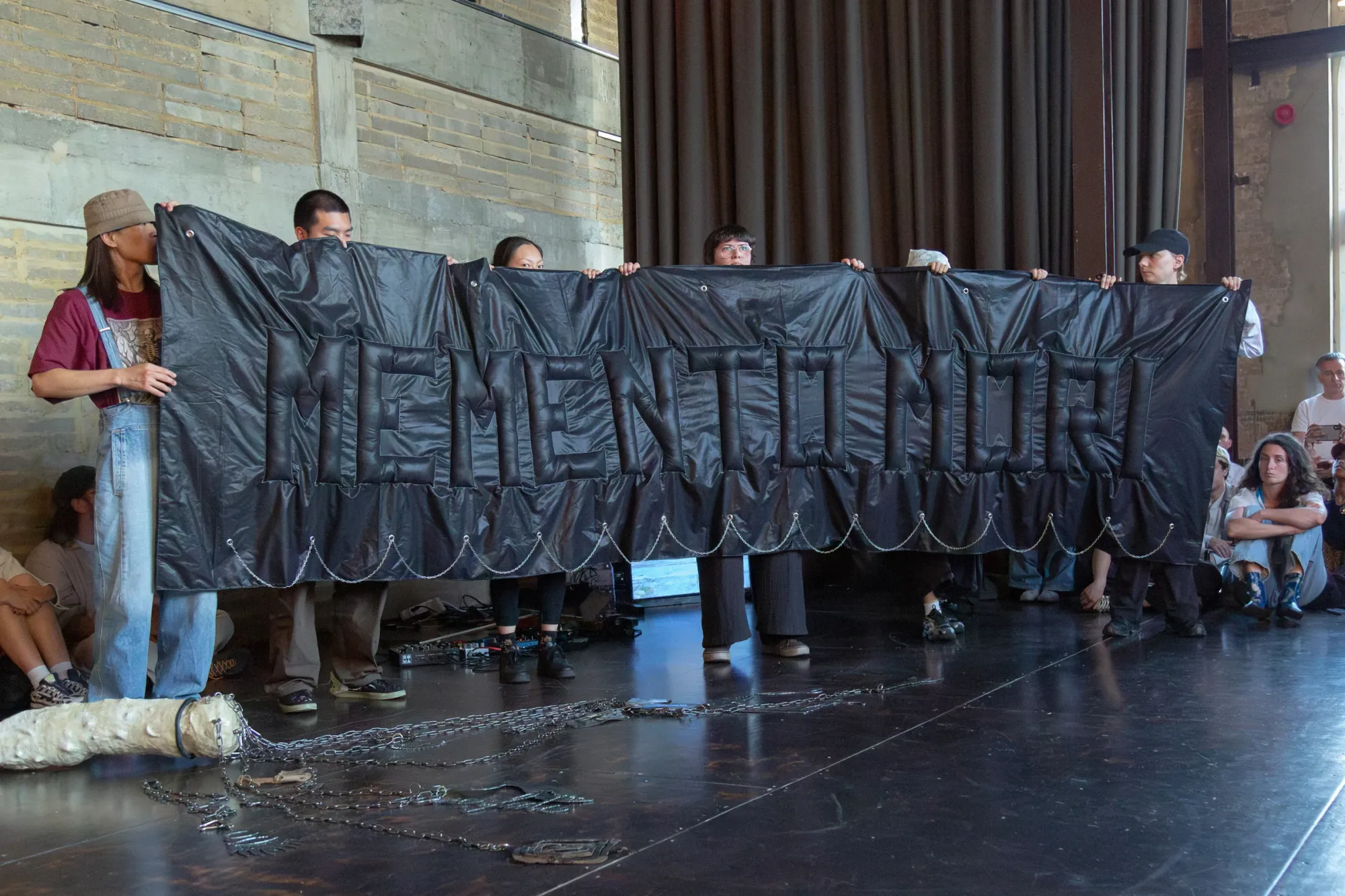
By the time the second performance closed on 28 June, the chains that had wrapped a cast limb across the chapel floor were the only thing still holding a shape.
The banner reading MEMENTO MORI, sewn from padded black fabric and carried at shoulder height through the nave, is a slogan old enough to predate the church's own Victorian walls, and blunt enough to survive being propped against them one more time.
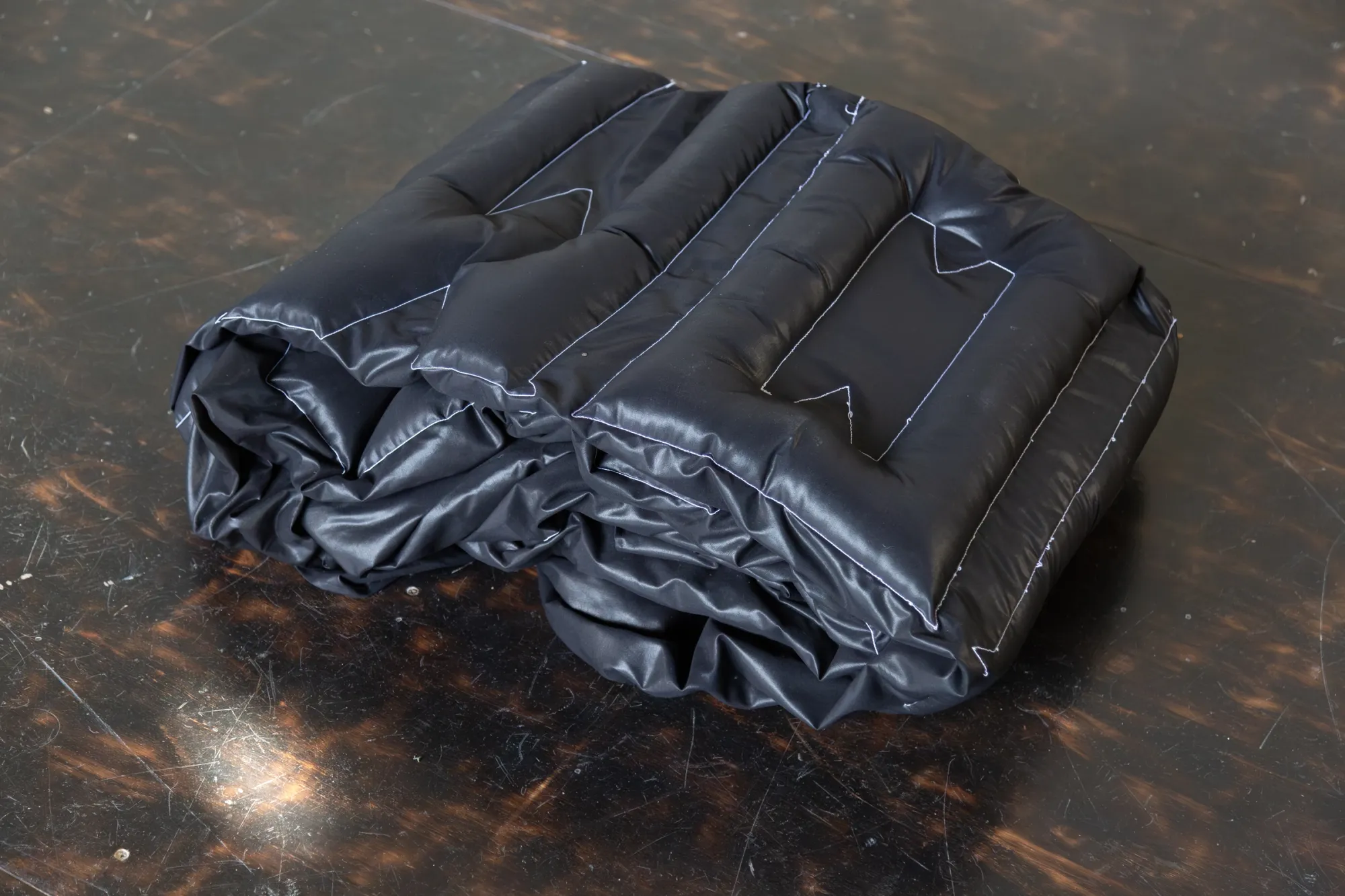
Genovese does not update the phrase so much as give it a chat window. The wrinkled prosthetic skin, folded over quilted padding on the floor, does not resolve into a single reading once the room empties out.
It stays there, unfinished, the way a conversation with a griefbot never quite ends either.
Instagram Raleigh Chapel
Nicola Genovese on Instagram
Francesco Pasquini on Instagram
About Catapult Contemporary - Art Platform Submission
This is a exhibition review published by Catapult — an independent editorial platform for contemporary art, based in Vienna. We publish exhibition reviews, artist features, interviews, and critical context, with a focus on emerging and mid-career practices from Europe and beyond.
catapult.art
Want to be featured? Submit your work →