Tillmann Lauterbach and Weseeclearly Let Stone and Fabric Answer Each Other

Factory Eleven Hosted Field Work in Milan
Tillmann Lauterbach and Weseeclearly presented Field Work at Factory Eleven in Milan, with curatorial development and production by Veronica Albio, on view from September 9 through September 18, 2026.
Tillmann Lauterbach, Weseeclearly (Winston Chmielinski)
Field Work
Factory Eleven
Milan, Italy
–
Daily, 17:00–21:00, and by appointment
Via Padova 11, 20127 Milan
Veronica Albio
Lorenzo Palmieri
Courtesy the artists
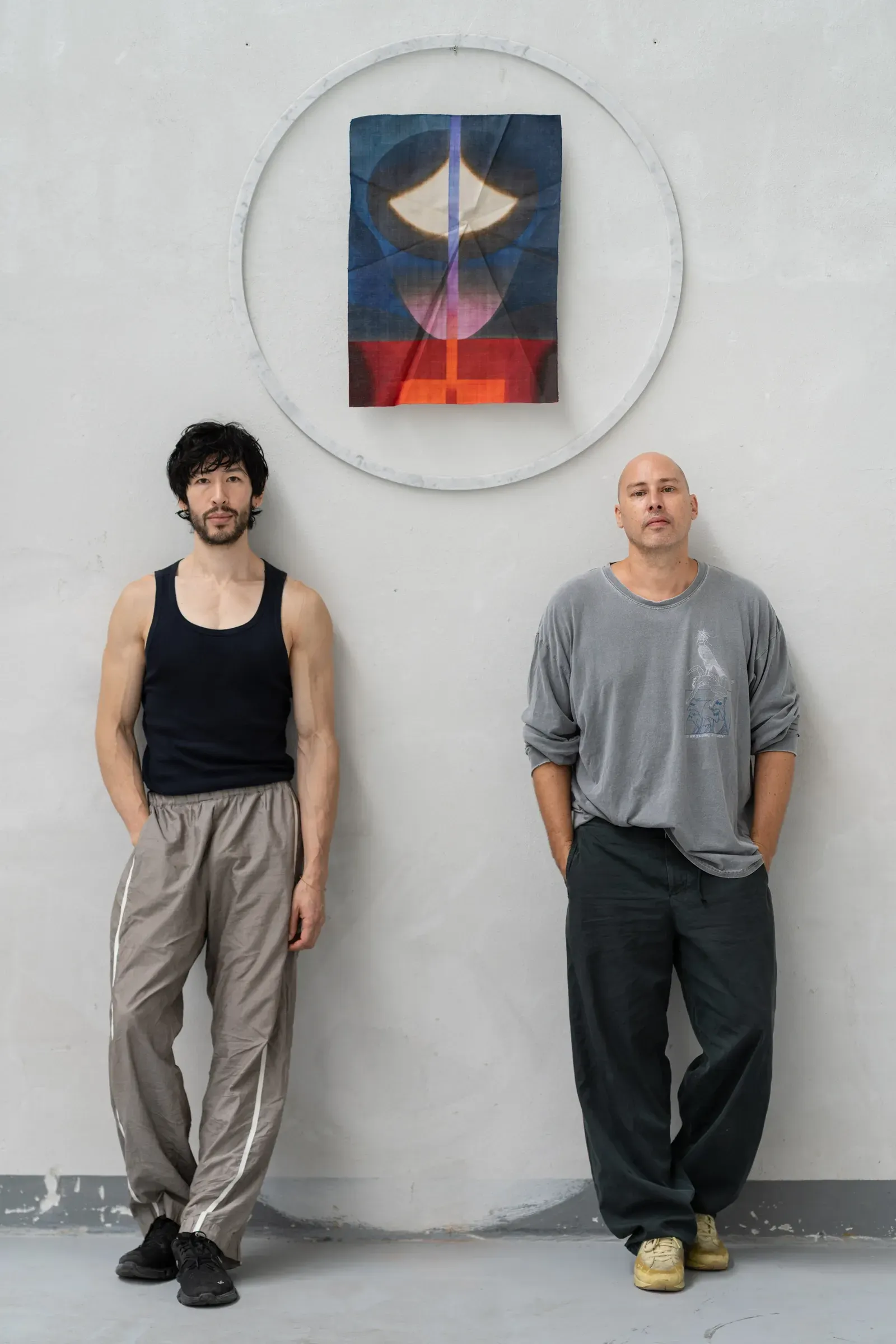
Field Work was a two-person exhibition by Tillmann Lauterbach, the German sculptor based in Milan, and Winston Chmielinski, the Berlin-based artist working as Weseeclearly, set in a post-industrial hall at Via Padova 11.
Lauterbach works with discarded stone, wood, metal and found objects, recovering matter that has already been used and building it into forms based on harmonic proportion.
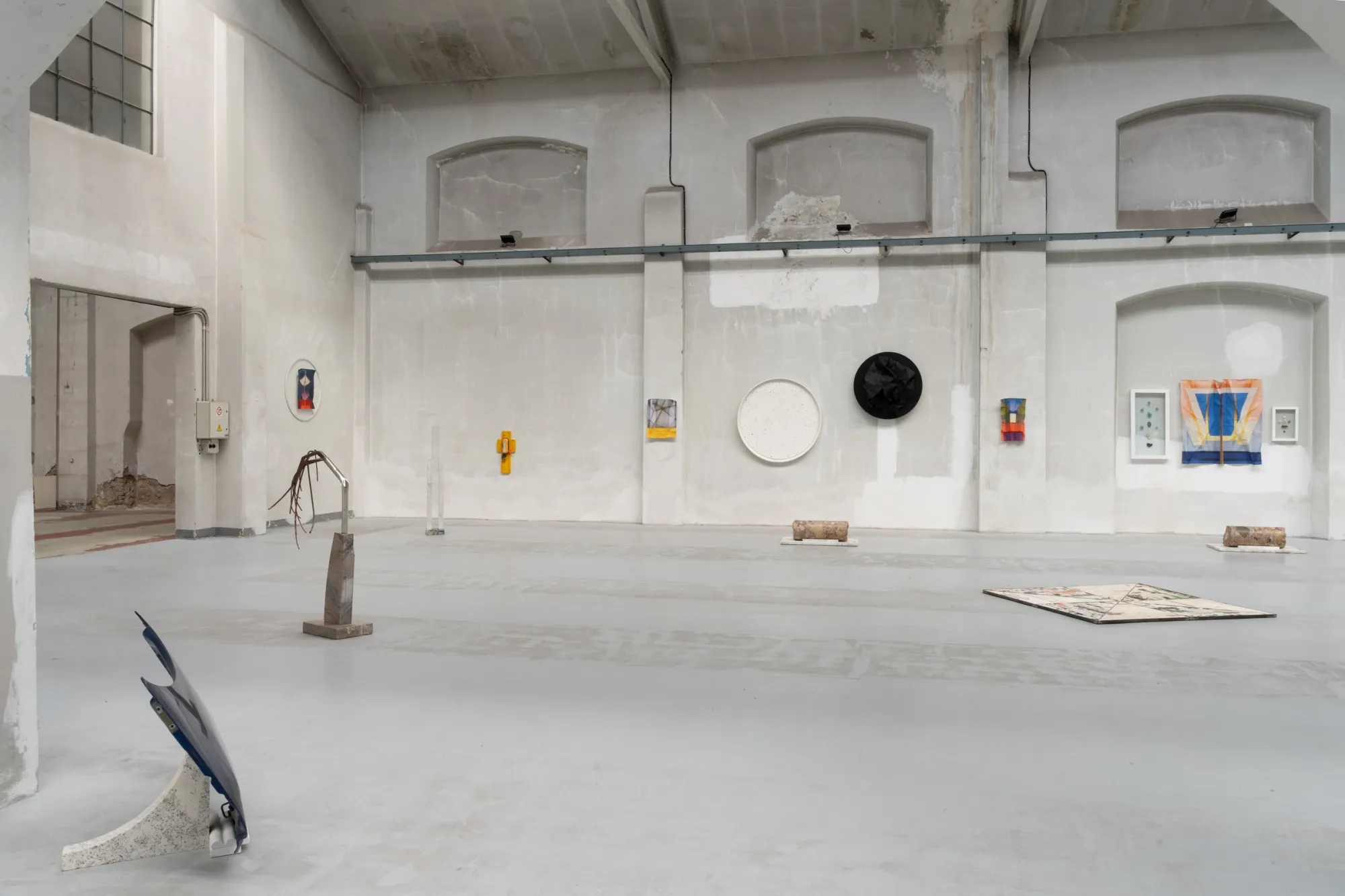
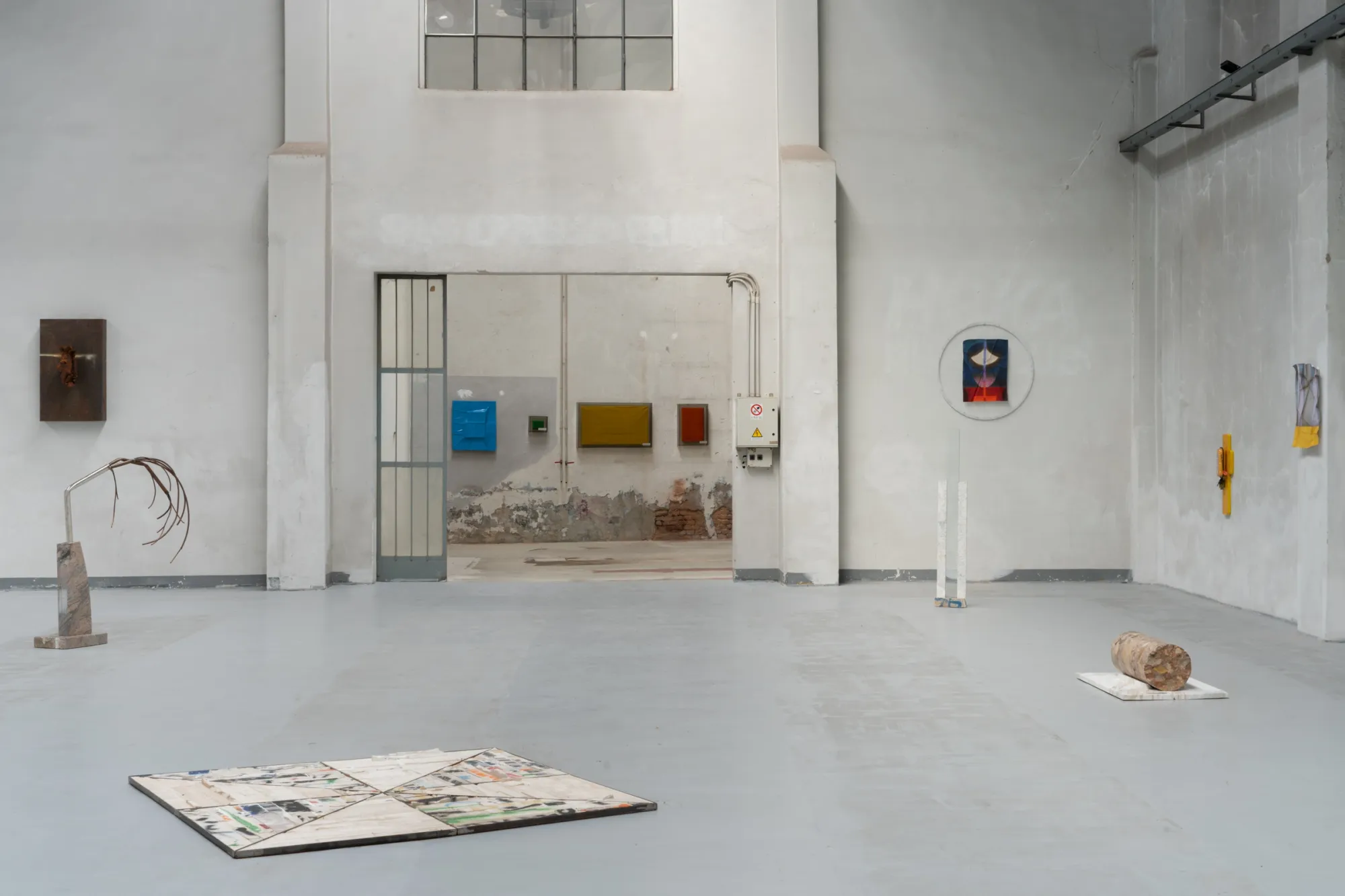
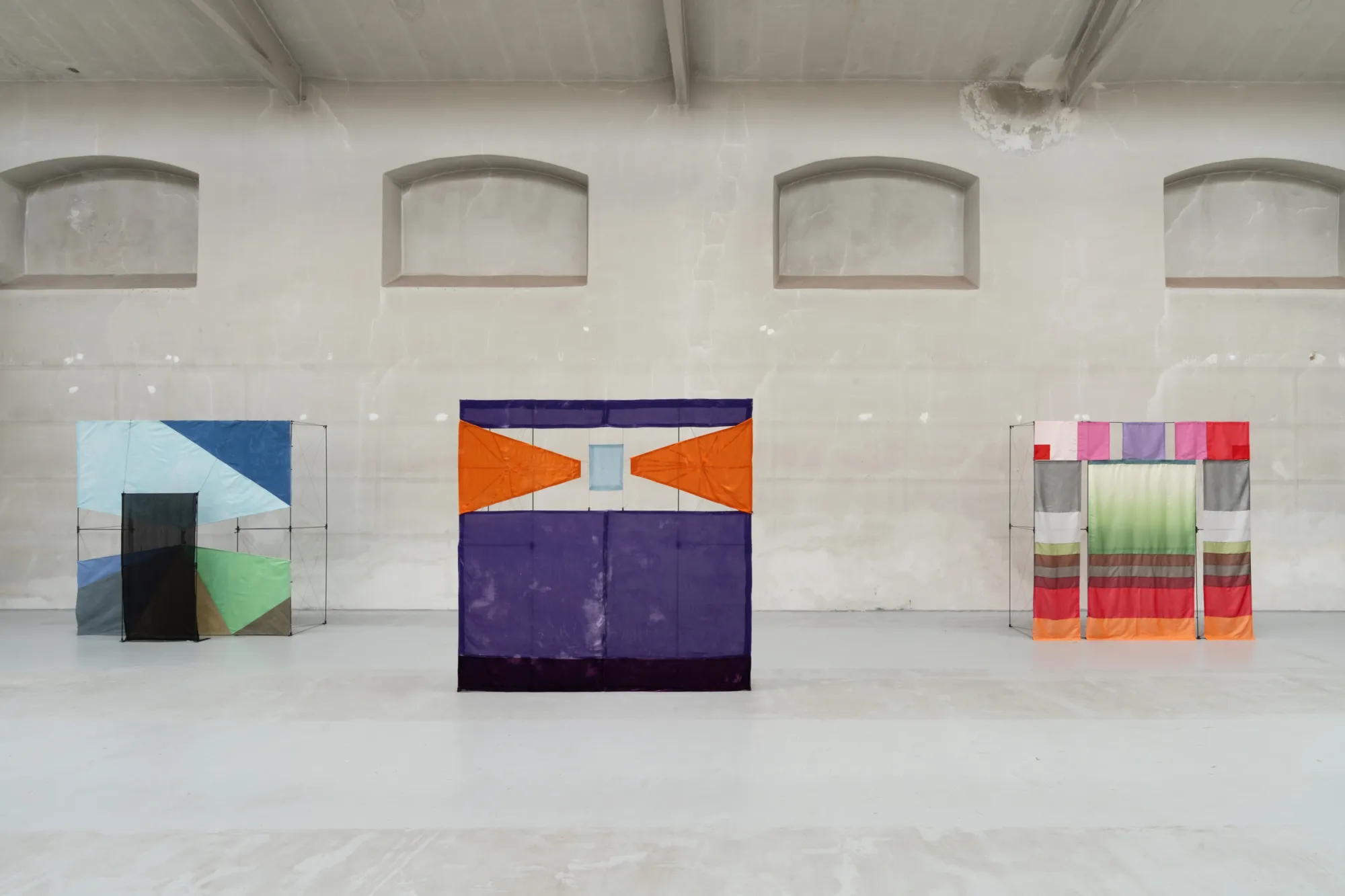
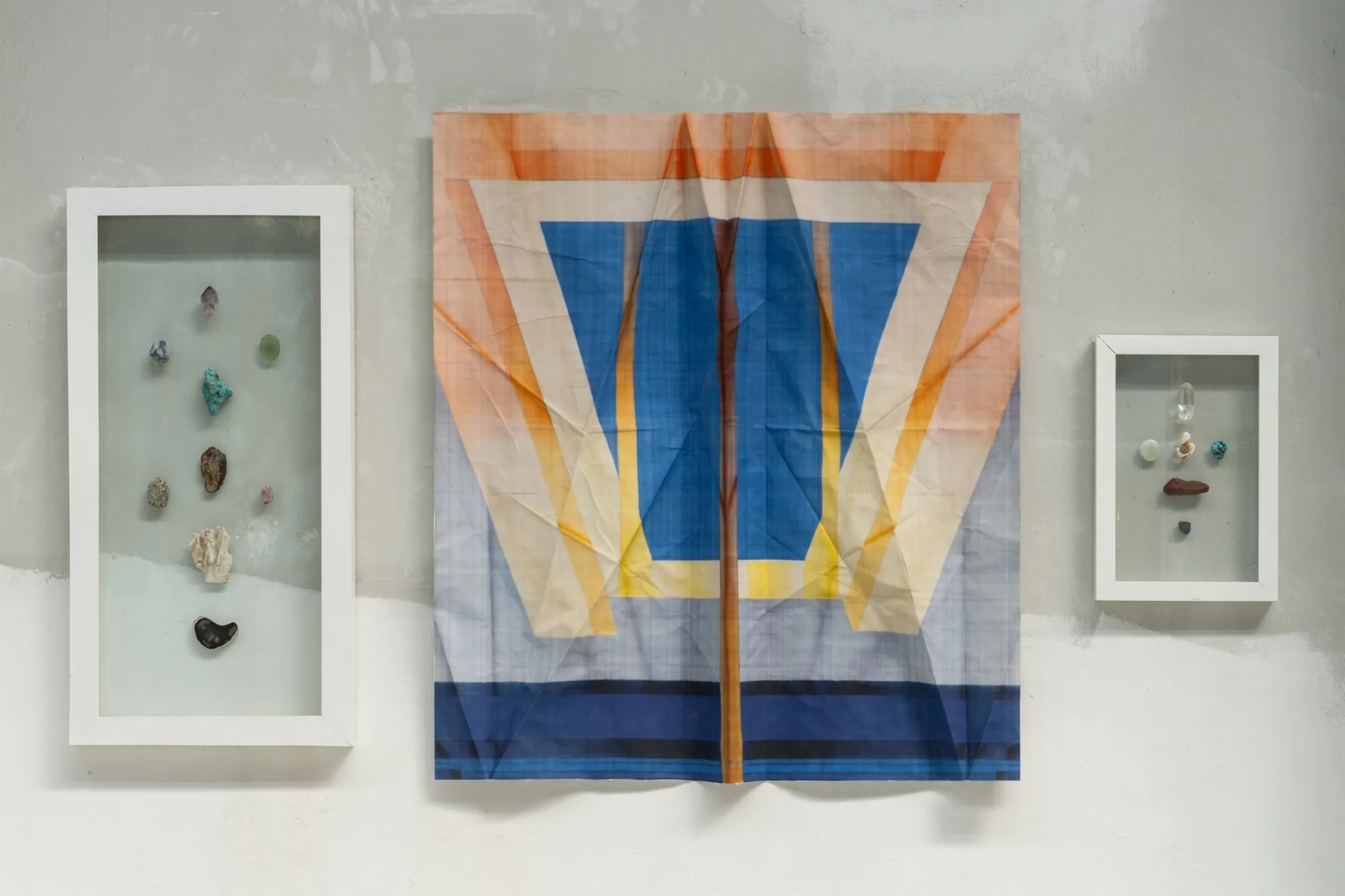
Weseeclearly stretches dyed fabric across hinged wooden frames, producing freestanding translucent screens derived from projective geometry and reverse perspective.

Tillmann Lauterbach
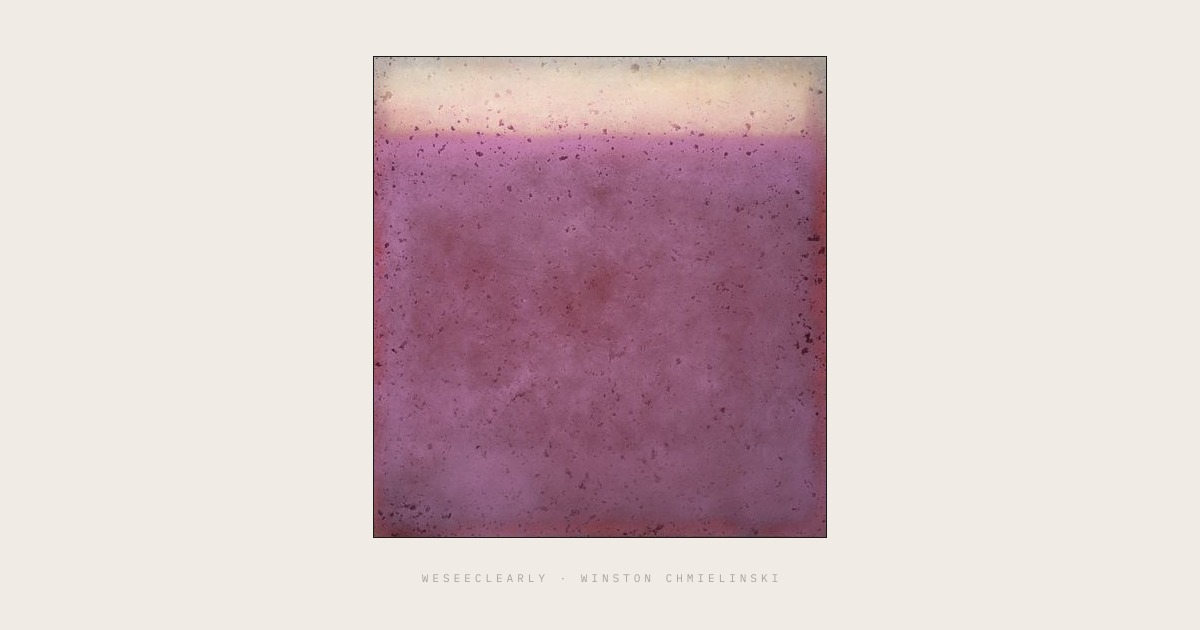
Weseeclearly official
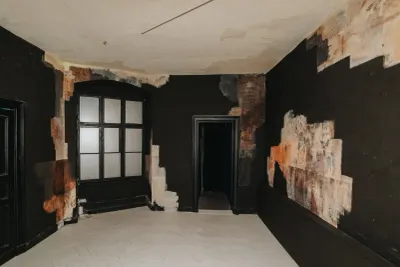
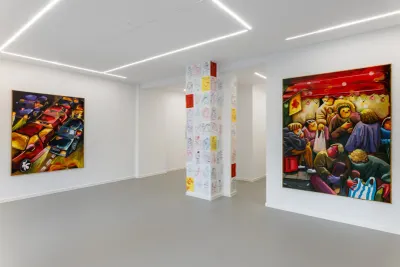
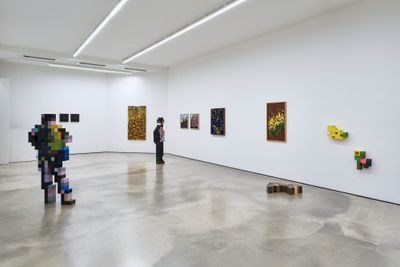
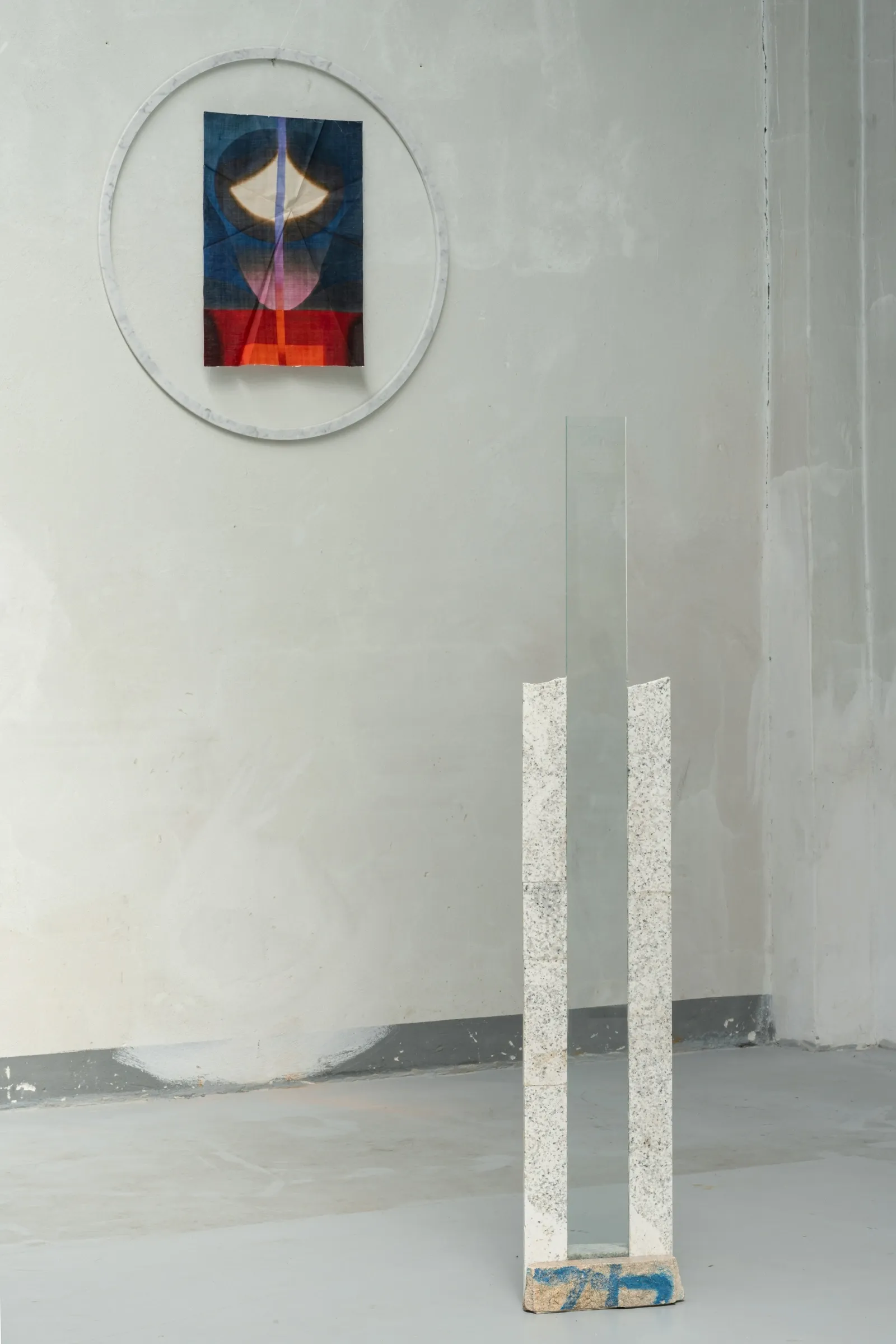
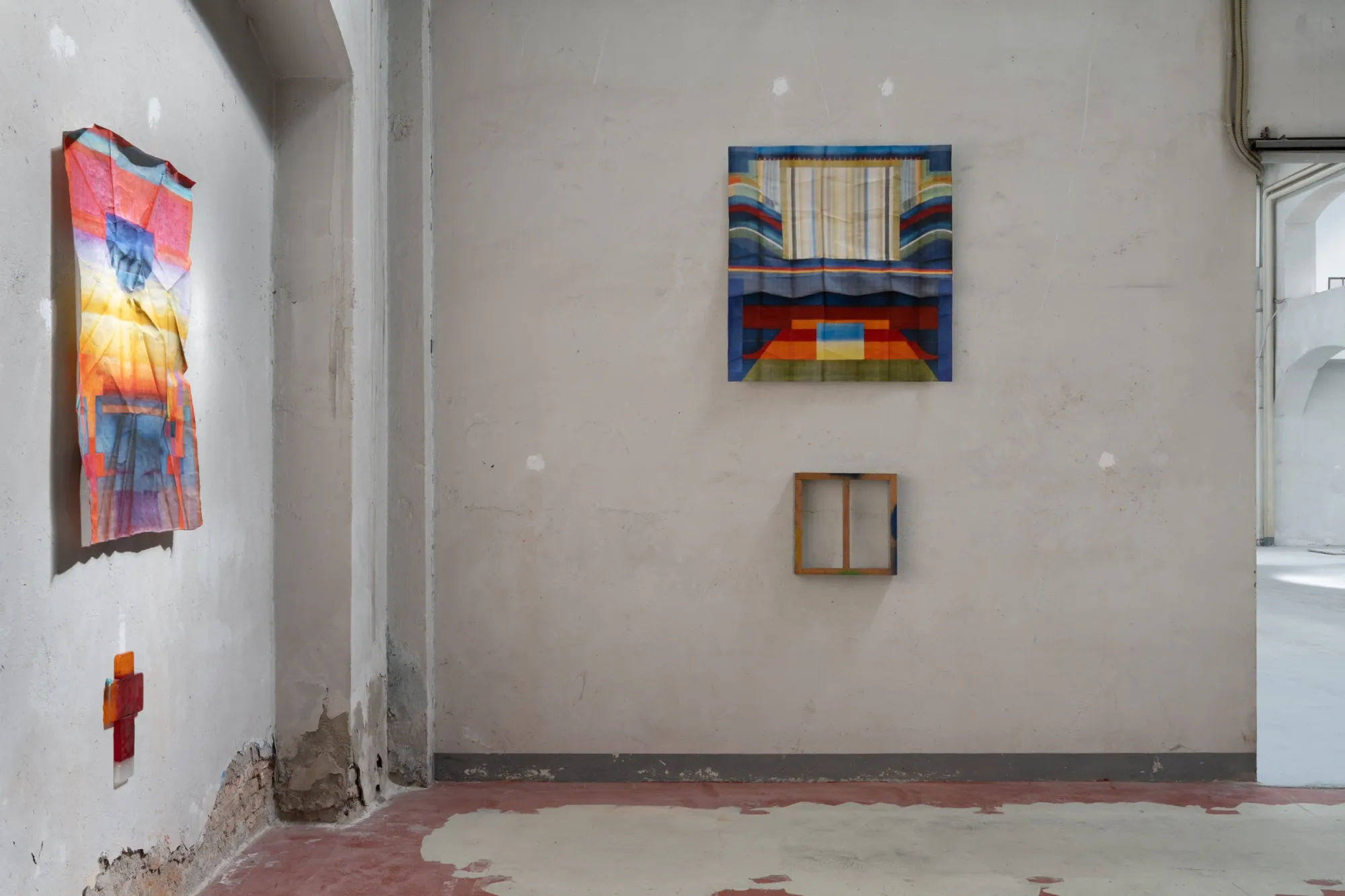
The installation views show those screens standing free in the hall, alongside stone cylinders on pale stone slabs, a stack of marble discs on the floor, large circular wall pieces and fabric works hung flat against the concrete, while visitors could also feed their own input into a generative digital work.
Below, the exhibition text sets out the question both practices were built around.
What do we perceive before we understand?
Set within a vast industrial space in Milan, Field Work unfolds through a sequence of spatial situations that may be experienced as stages within a larger journey.
The works form an open system of interconnected fields, each retaining its own identity while contributing to a unified environment. Inviting visitors to wander, linger, and reflect at their own pace, the exhibition draws attention to what is already present.
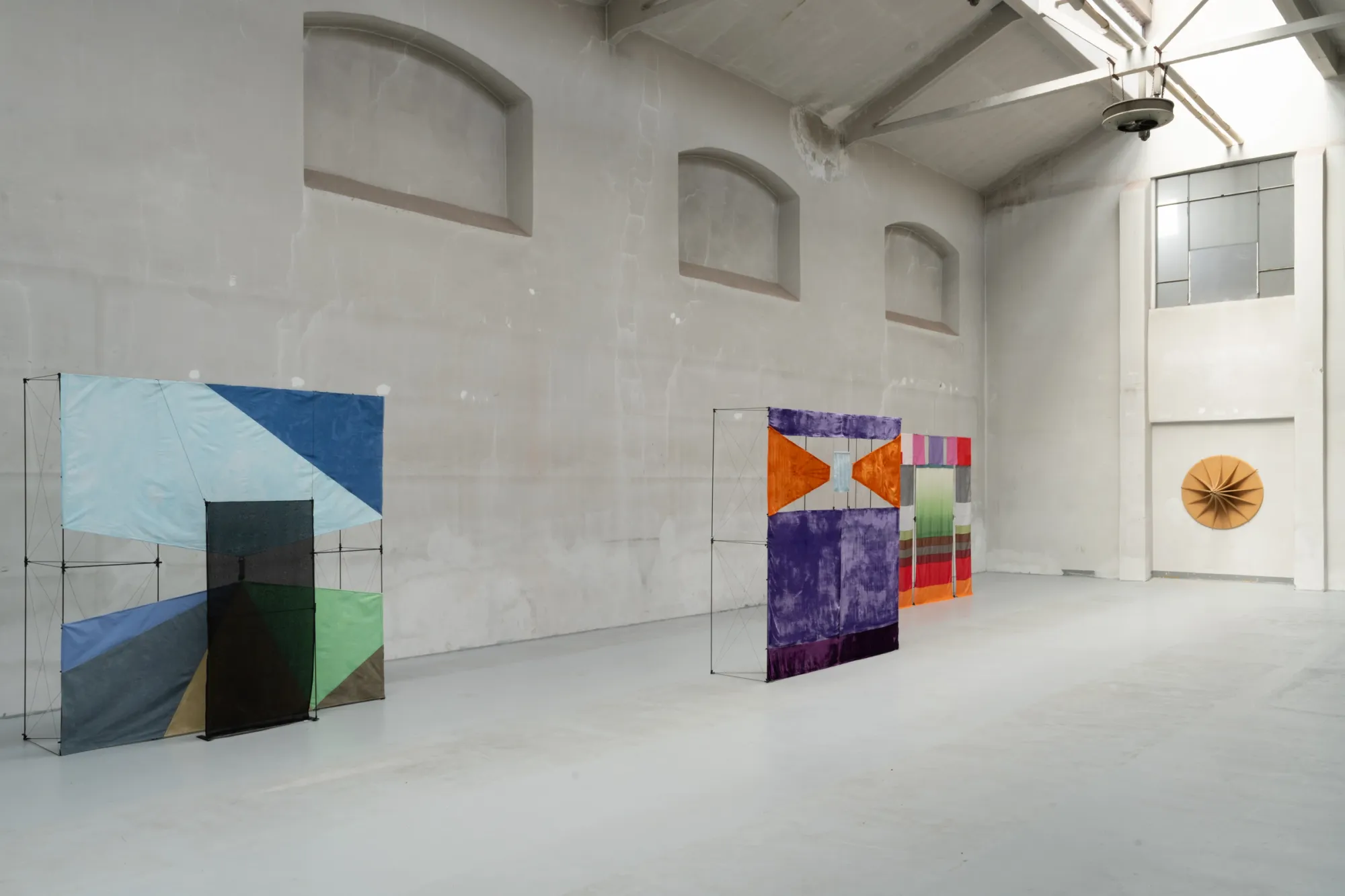
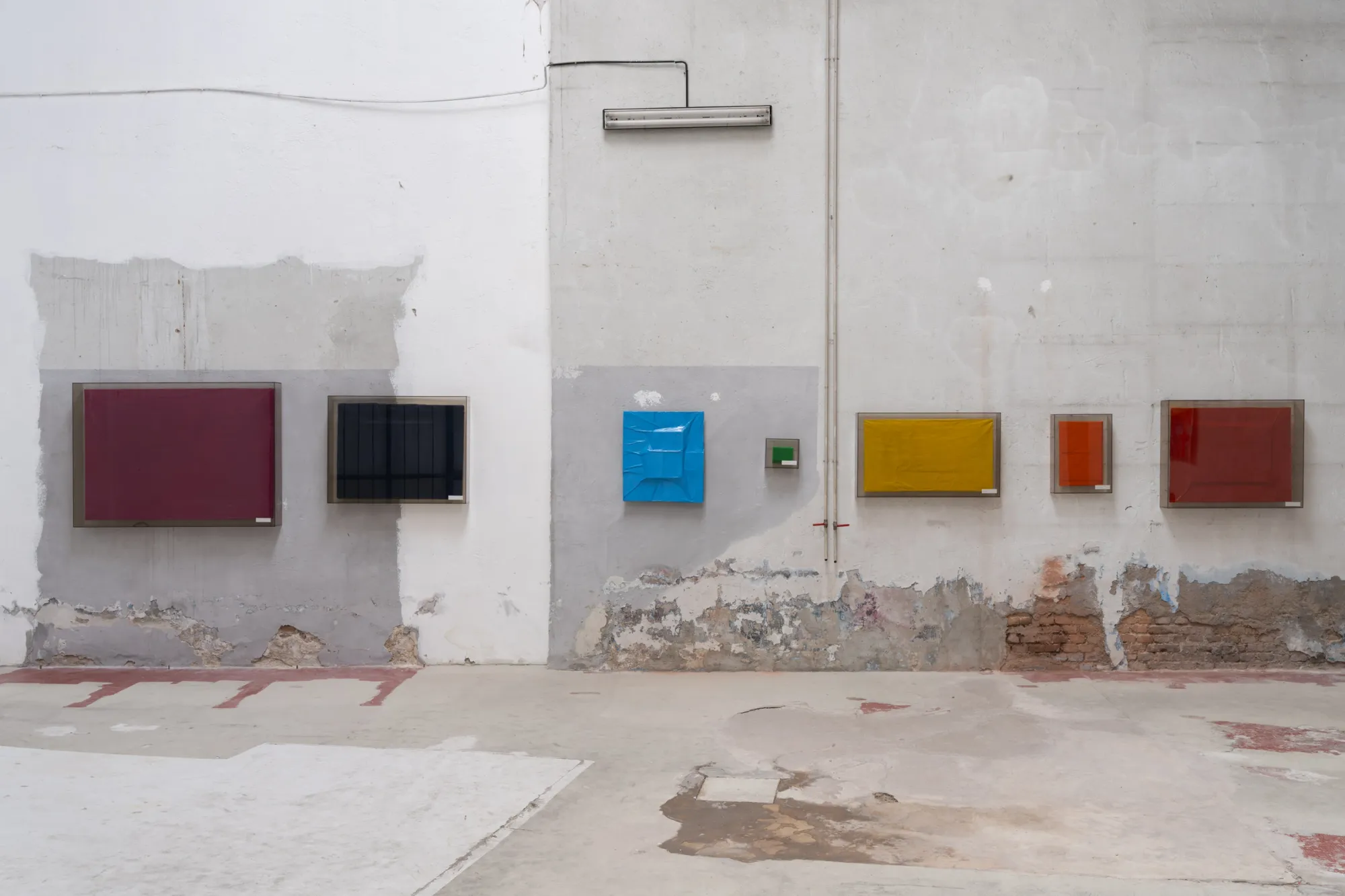
Presenting new and selected works by Tillmann Lauterbach and Weseeclearly, Field Work brings together two practices concerned with the underlying structures through which reality becomes perceptible.
Both artists trace recurring patterns across different fields of knowledge, giving rise to works with distinct internal logics. Their works point towards forms of knowledge that may be intuitively sensed before they are consciously understood.
The works enter into dialogue through contrasting materials, processes, and states of matter. Lauterbach's practice is rooted in the transformation and recontextualisation of stone, wood, metal, and found objects, whose surfaces retain traces of time, labour, and previous use.
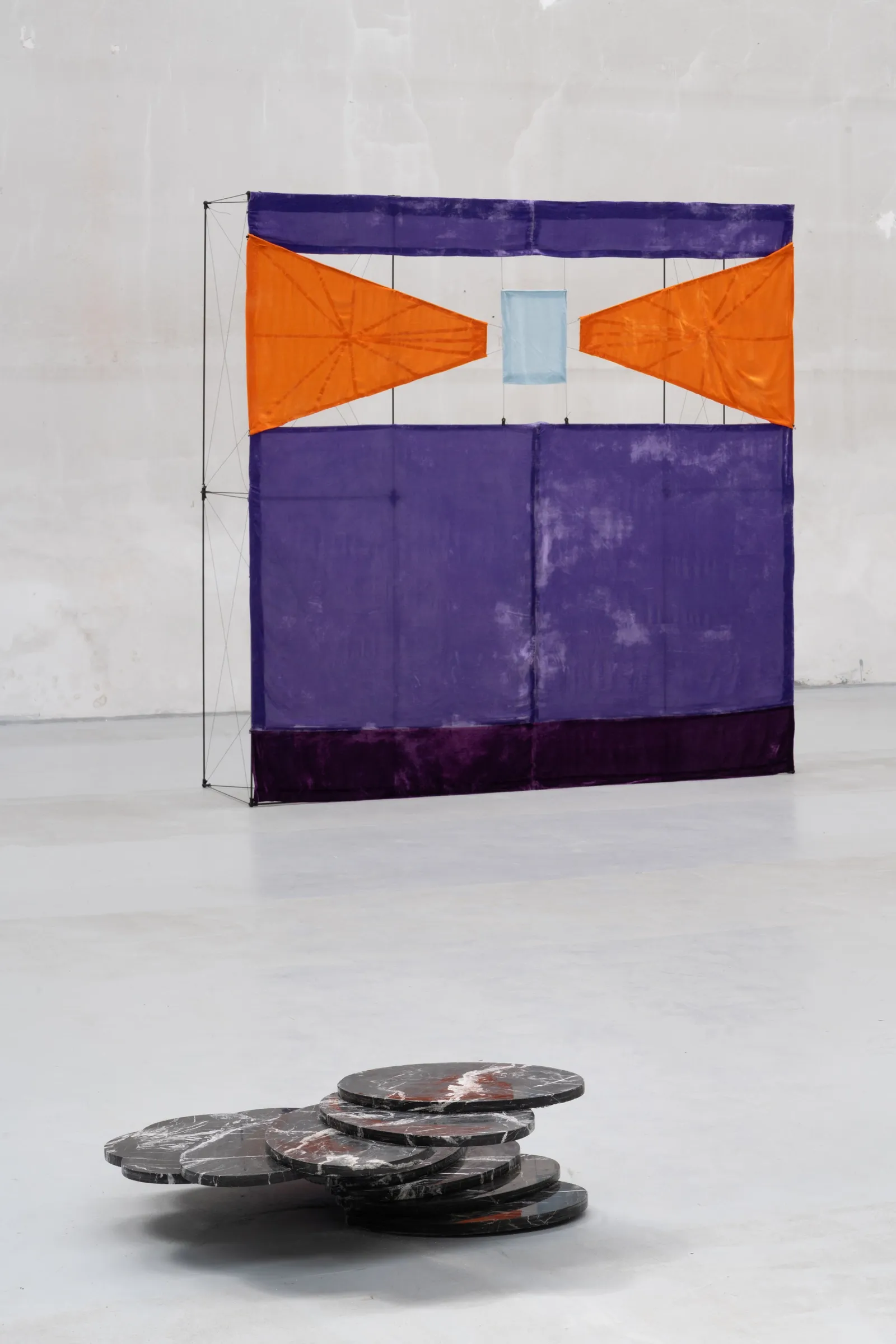
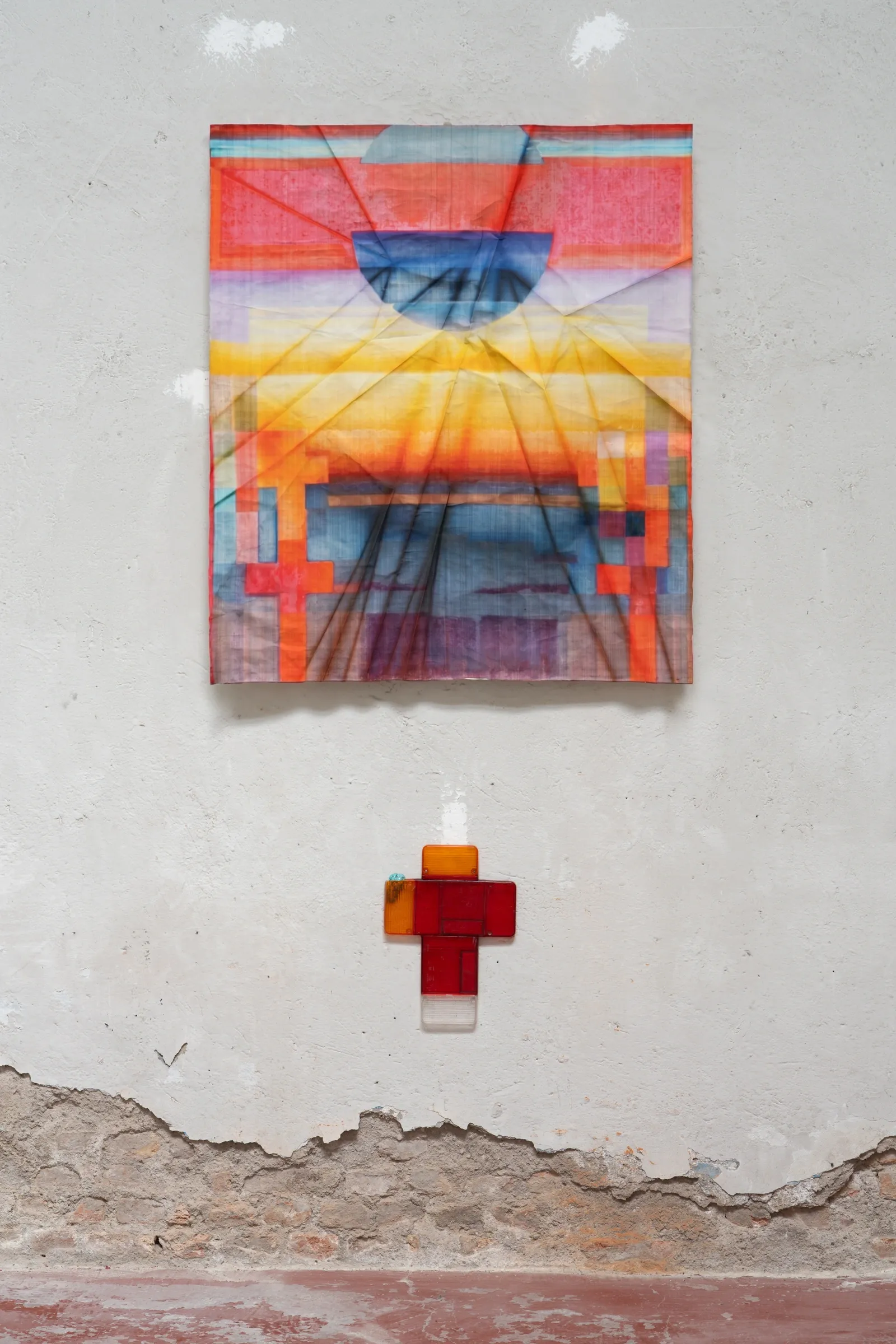
Tillmann Lauterbach and Weseeclearly, Field Work, installation view, Factory Eleven, Milan, 2026. Photo: Lorenzo Palmieri. Courtesy the artists.
Through selection, reduction, and recomposition, these materials become vessels for questions of memory, perception, and the relationship between matter and meaning.
Weseeclearly approaches related questions through translucent fabric, geometry, light, and digital processes, exploring permeability, information, automation, and immaterial form.
While Lauterbach's works emphasise density and duration, Weseeclearly introduces lightness, rhythm, and flux. Together, the two practices create a shifting balance between the analogue and the digital, the tangible and the intangible, permanence and transformation.
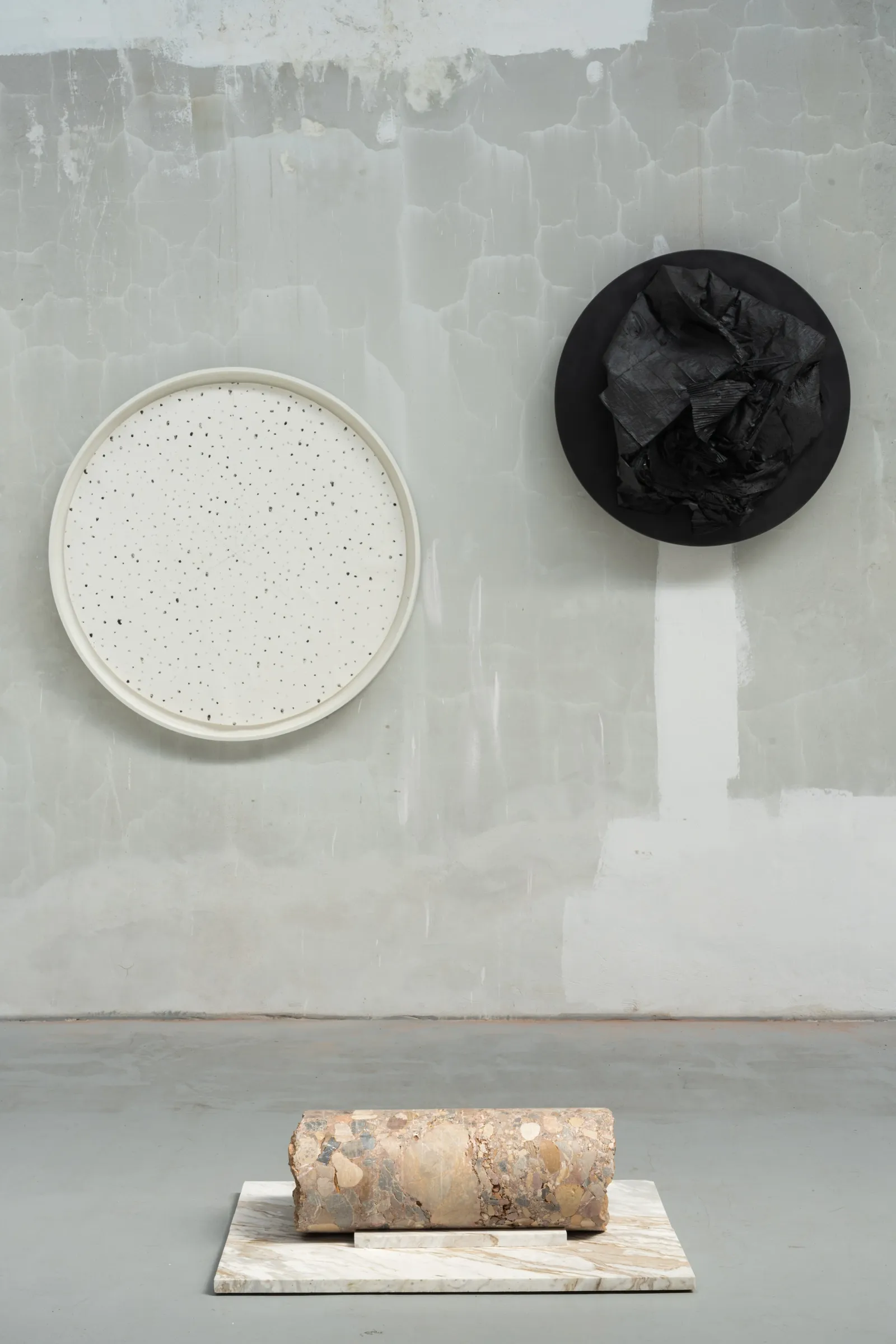
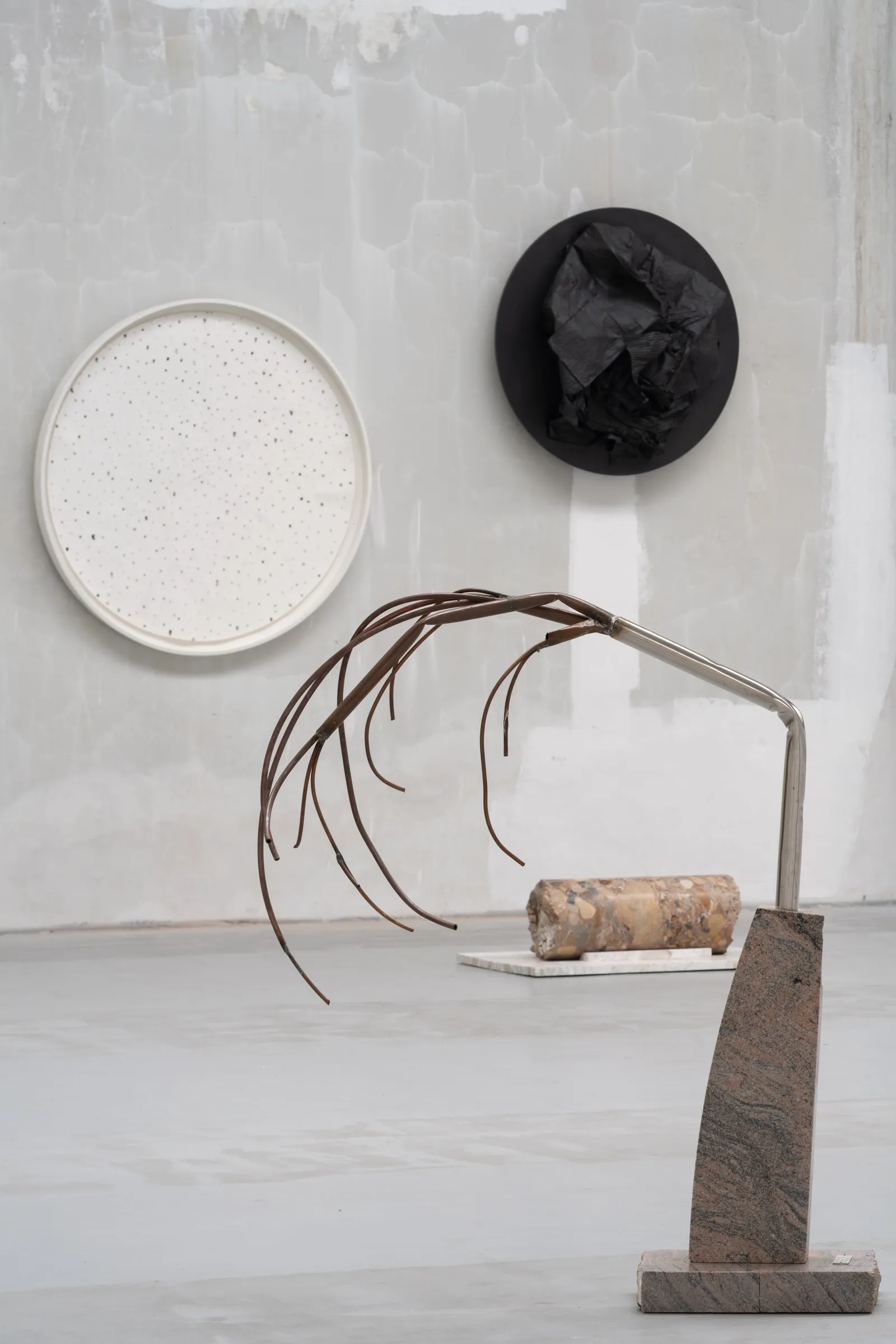
Tillmann Lauterbach and Weseeclearly, Field Work, installation view, Factory Eleven, Milan, 2026. Photo: Lorenzo Palmieri. Courtesy the artists.
Both artists are deeply invested in the processes through which their works take shape, remaining attentive to the unexpected moments from which meaning may emerge.
This openness extends to visitors, who participate through their own perceptions and interpretations and, more directly, by contributing input to a generative digital work. The exhibition therefore functions as an experiential framework in which meaning remains open, emerging in response to the visitor's encounter with the works.
About Catapult Contemporary - Art Platform Submission
This is an exhibition review published by Catapult — an independent editorial platform for contemporary art, based in Vienna. We publish exhibition reviews, artist features, interviews, and critical context, with a focus on emerging and mid-career practices from Europe and beyond.
catapult-platform.art · Instagram
Want to be featured? Submit your work →