Aubrey Theobald and Kristina Popov Look for Phantoms in the Ordinary Details of a Cemetery

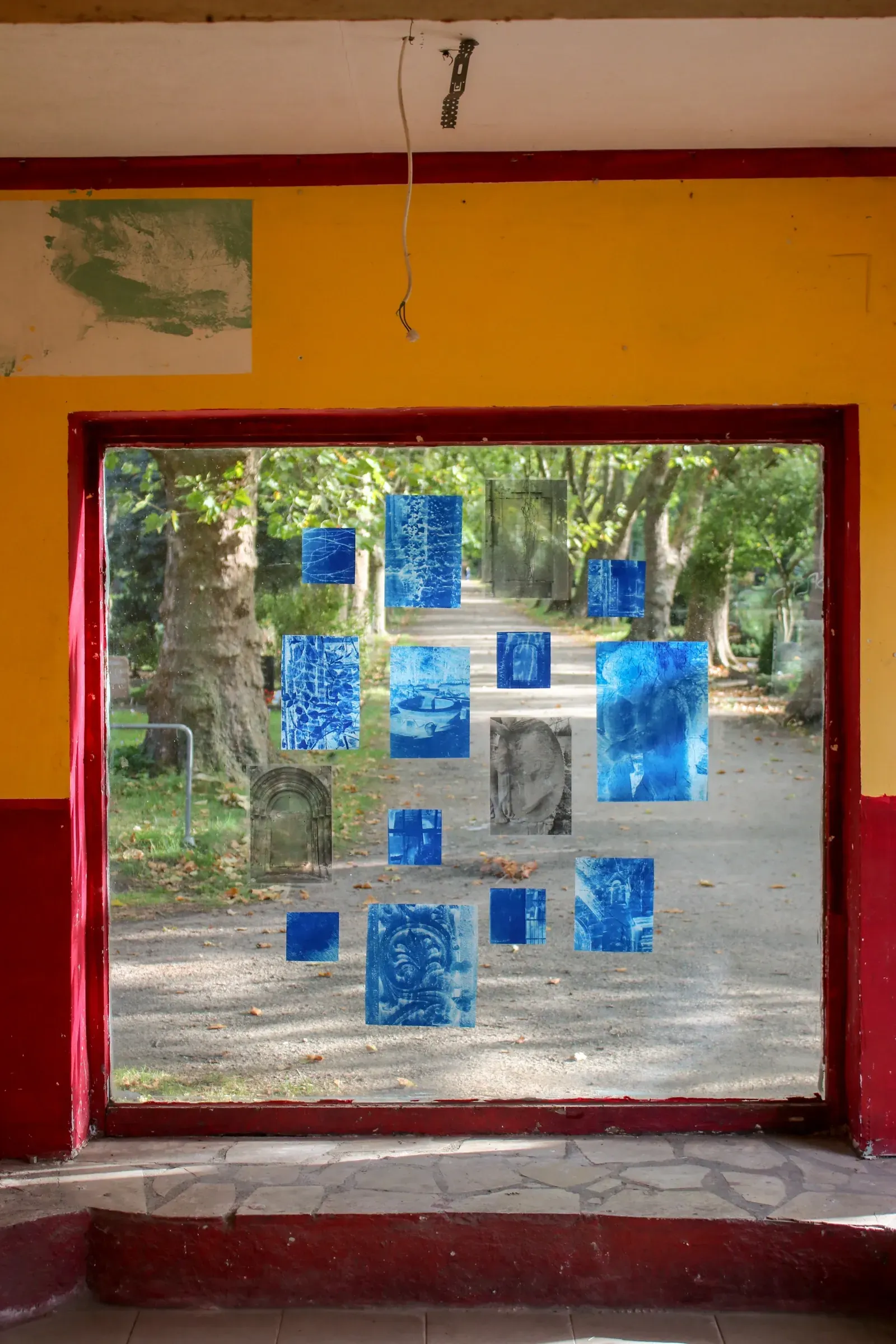
Phantom Pförtnerhaus Presents Chapter 3 in Berlin
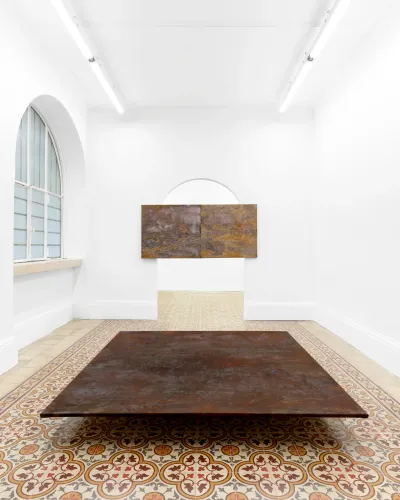
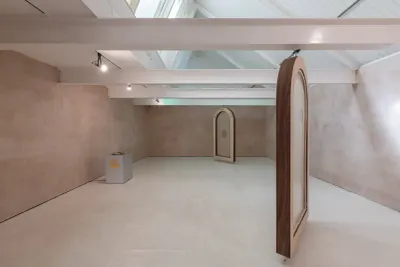
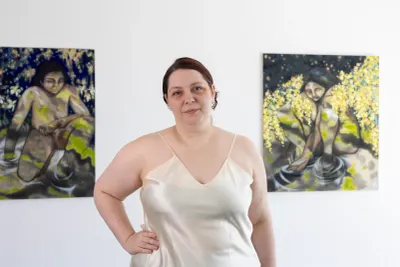
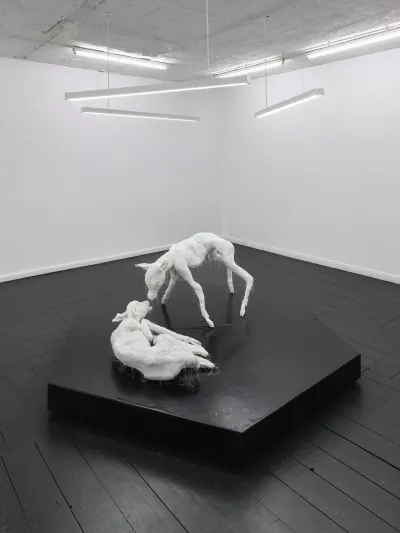
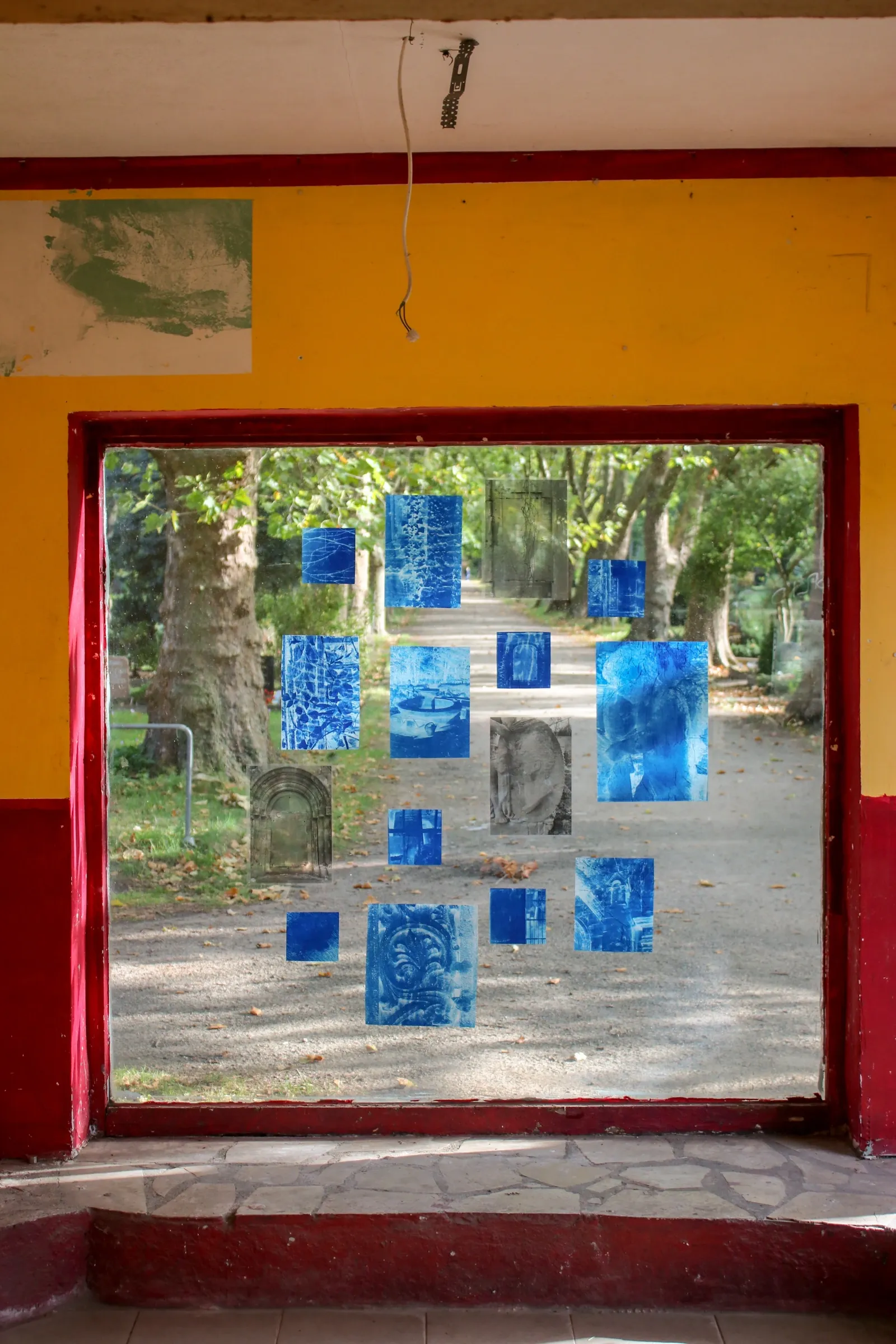
Aubrey Theobald and Kristina Popov showed Phantom Pförtnerhaus | Chapter 3 in Berlin, curated by Iana Pitenko, on view through September 26, 2026.
Aubrey Theobald, Kristina Popov
Phantom Pförtnerhaus | Chapter 3
Phantom Pförtnerhaus
Berlin, Germany
–
Georgen-Parochial-Friedhof II, Friedenstraße 80, 10249 Berlin
Iana Pitenko
Chroma Studio Berlin, Aubrey Theobald, Iana Pitenko
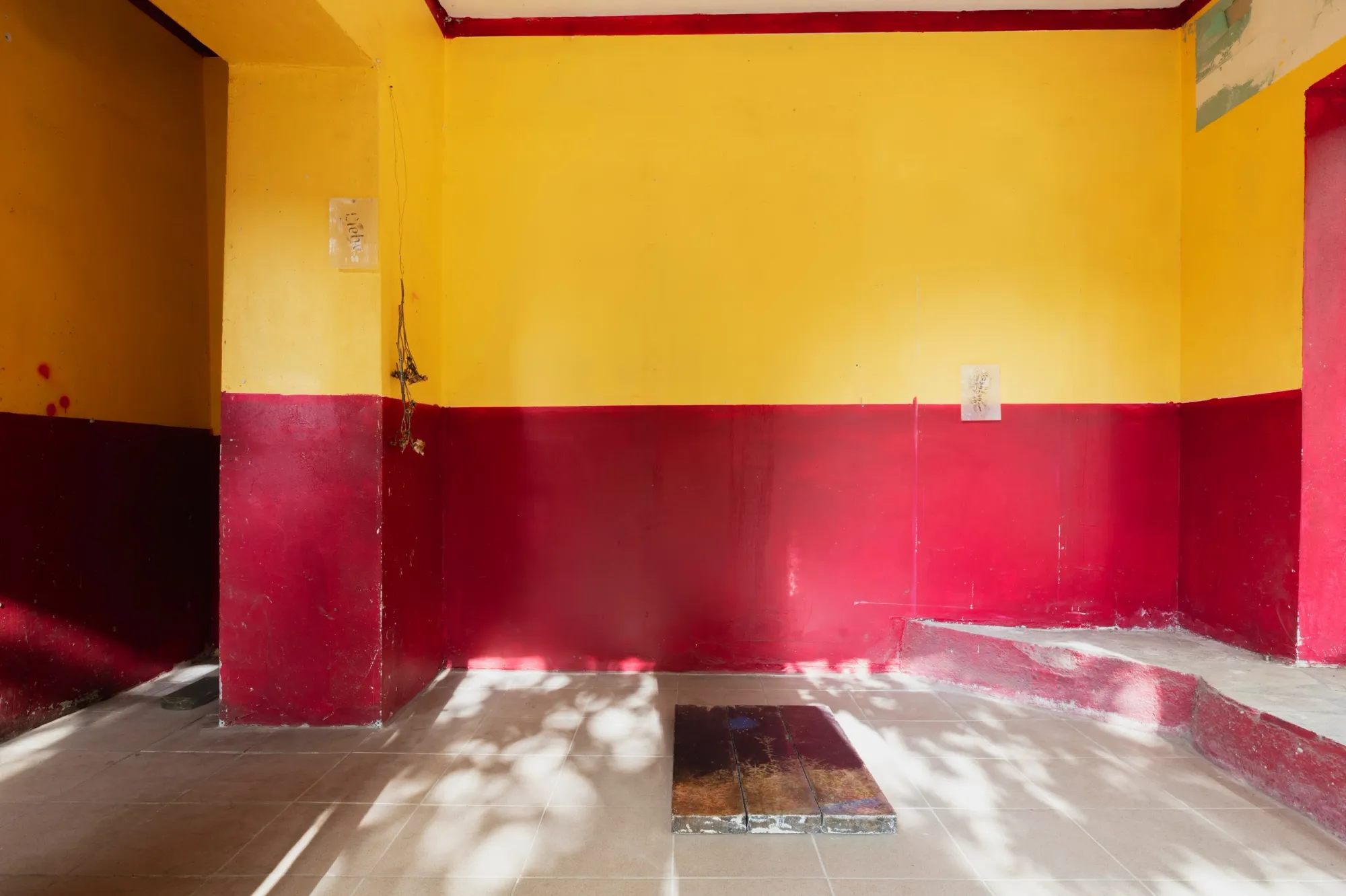
The starting point is the cemetery as a garden against time, after Olivia Laing's book, where barely visible World War II bullet holes and dried bouquets record the same passage of time.
Working with found objects, field recordings, experimental photographic processes and sensory installation, the two artists respond to the details of the site at Georgen-Parochial-Friedhof II.
Below, curator Iana Pitenko explains how the chapter reads the cemetery as an affective archive.
The Cemetery as an Affective Archive
This chapter approaches the cemetery as "a garden against time," echoing the title of Olivia Laing's book, and as an affective archive: a place where ritual, nature, memory, and everyday gestures accumulate.
As Laing writes, a garden can serve as "a time capsule as well as a portal out of time", where different temporalities coexist through cycles of growth, decay, preservation, and renewal.
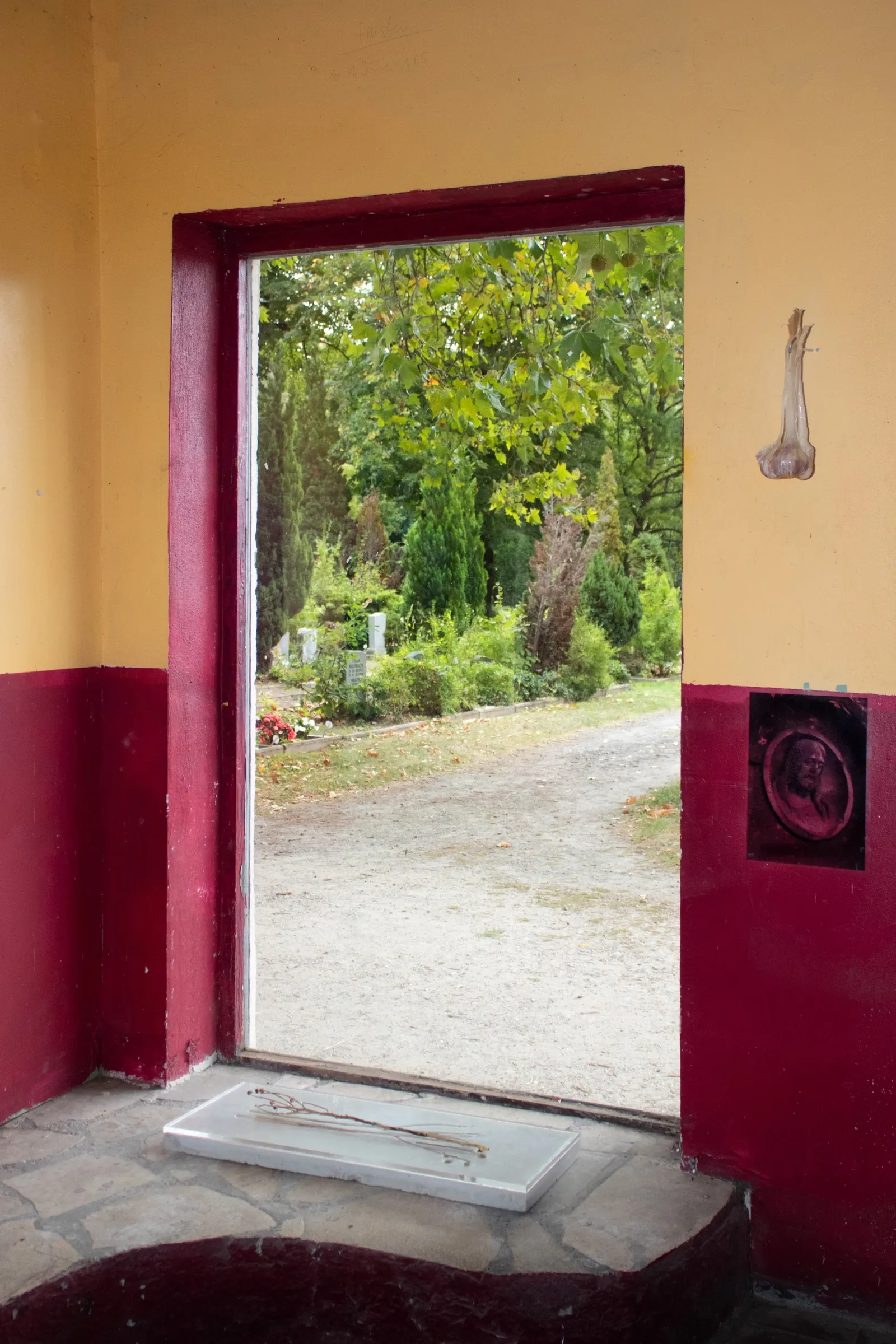
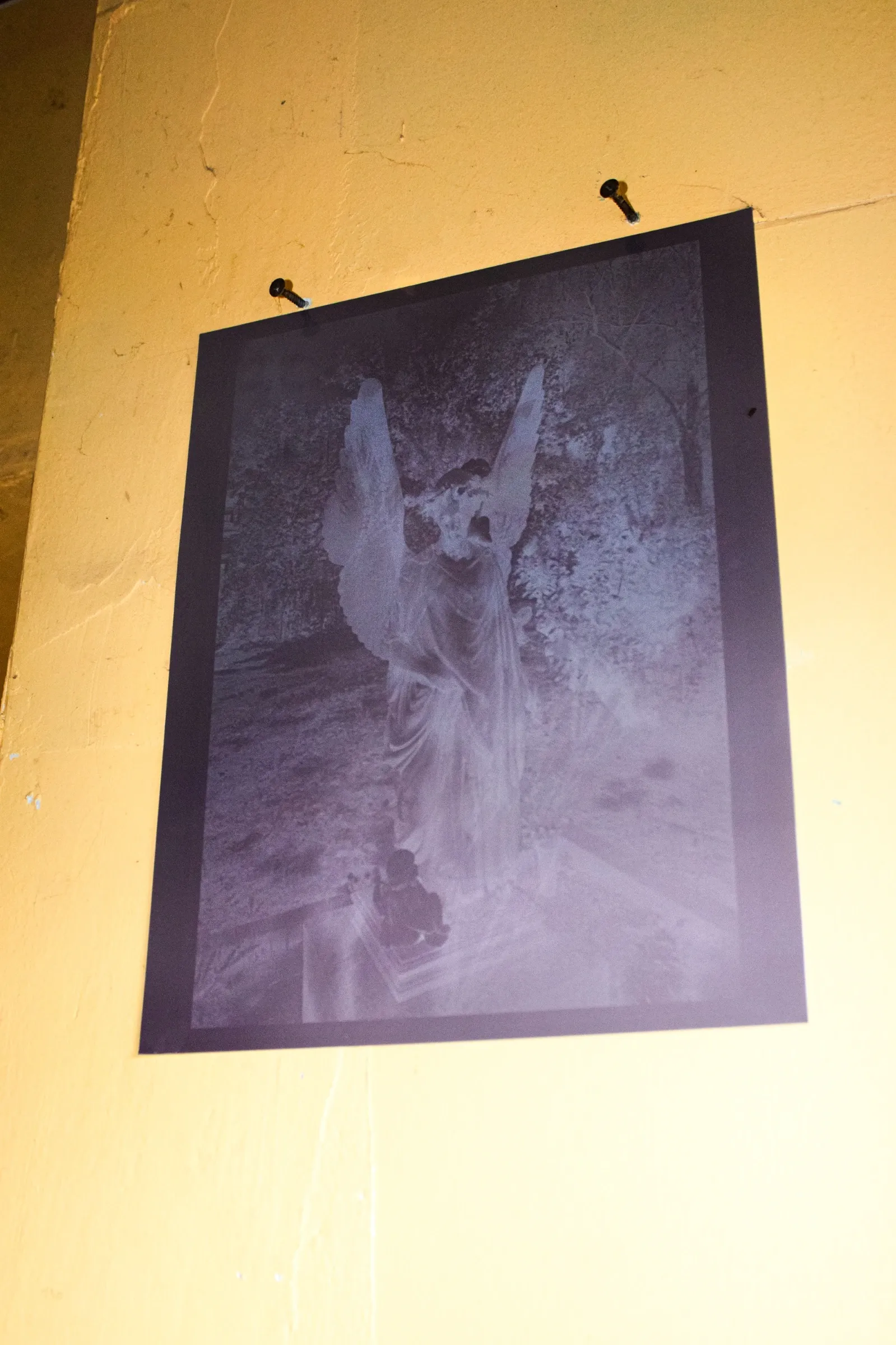
Rather than a passive repository of history, the cemetery becomes a record of visceral, intimate lived experience.
Floral tributes placed on graves and later discarded carry the passage of time: photographs of loved ones fade, inscriptions weather, and plants grow through untended gravestones.
Each grave marks a private garden plot within a larger landscape, where intimate stories and collective histories remain in conversation.
Barely visible bullet holes endure as a quiet reminder of WWII, inscribed into the surroundings alongside dried bouquets that once marked acts of commemoration and now carry grief, tension, and remembrance.
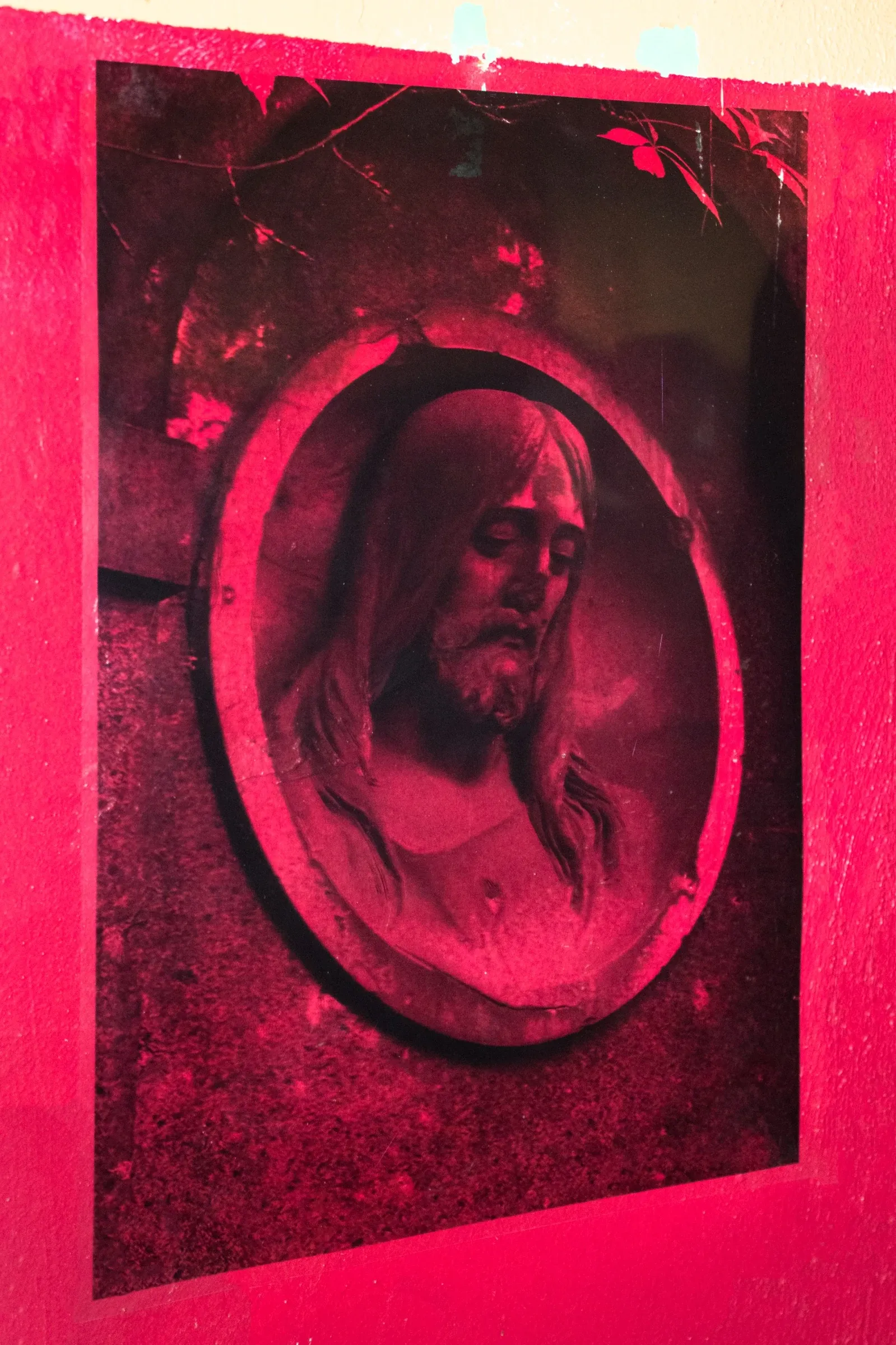
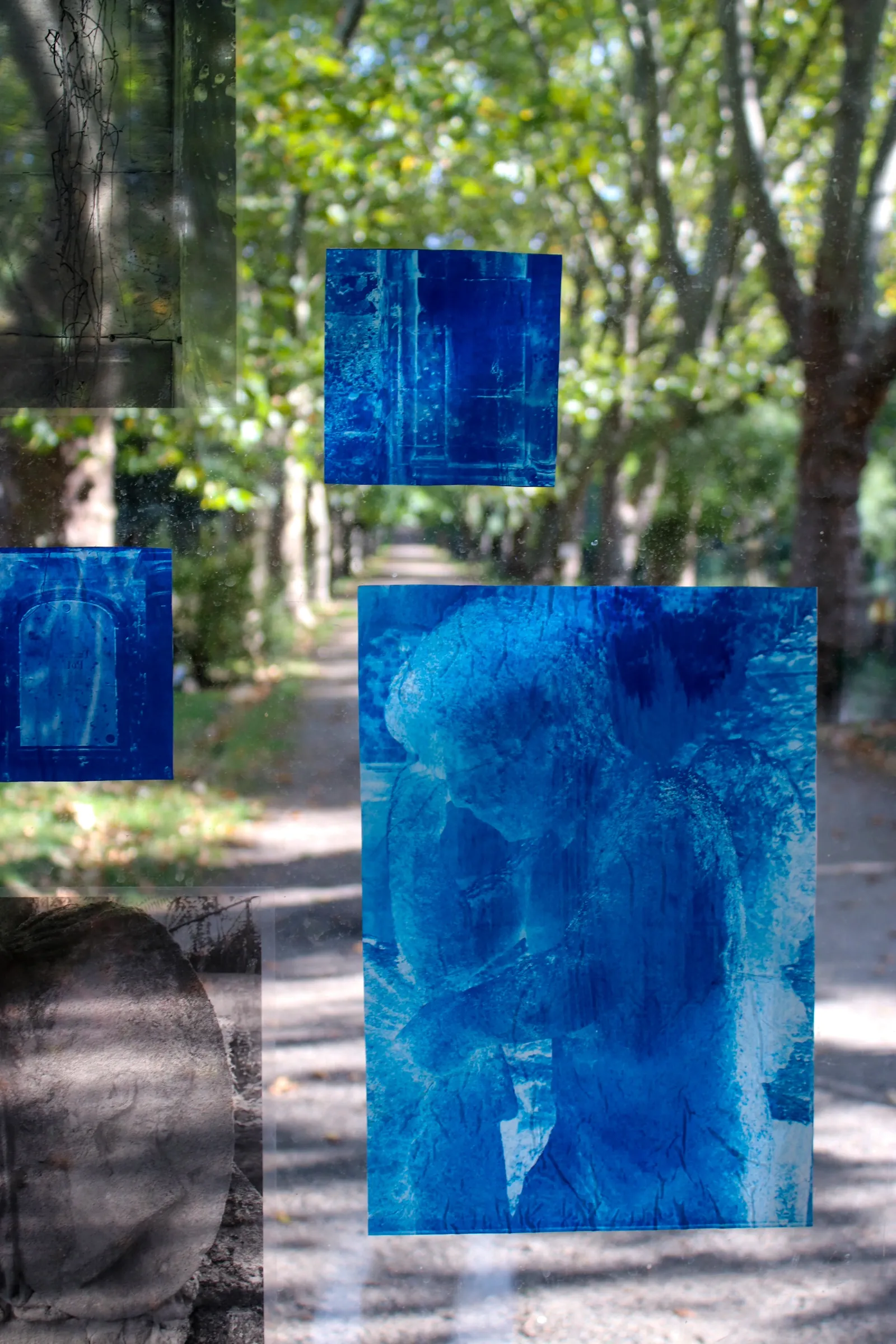
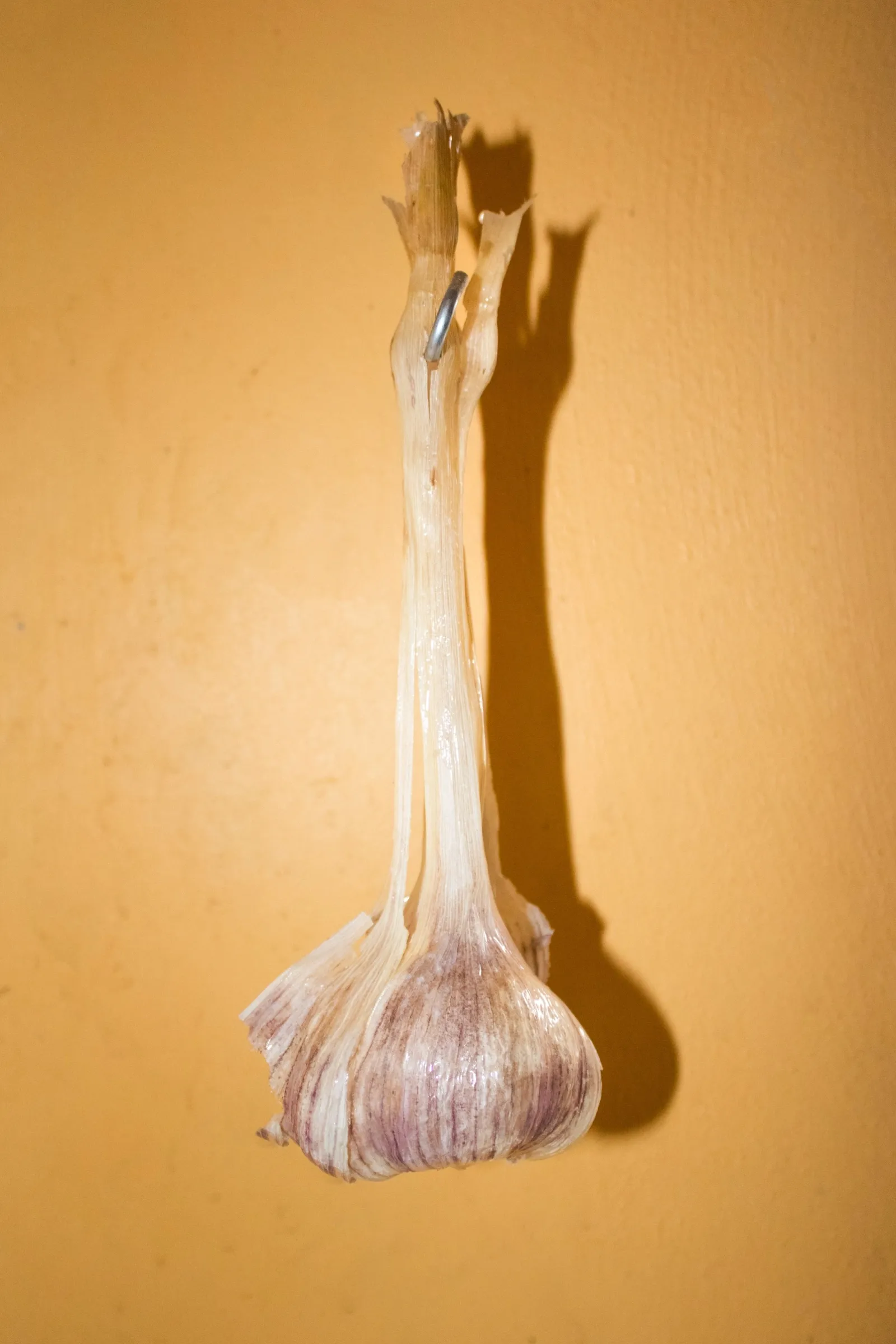
Kathleen Stewart describes ordinary affects as "things that happen in impulses, sensations, expectations, daydreams, encounters, and habits of relating."
The chapter turns toward these scattered and seemingly insignificant moments that often escape attention.
Within them, phantoms emerge as lingering forms through which what has passed continues to resonate in the present.
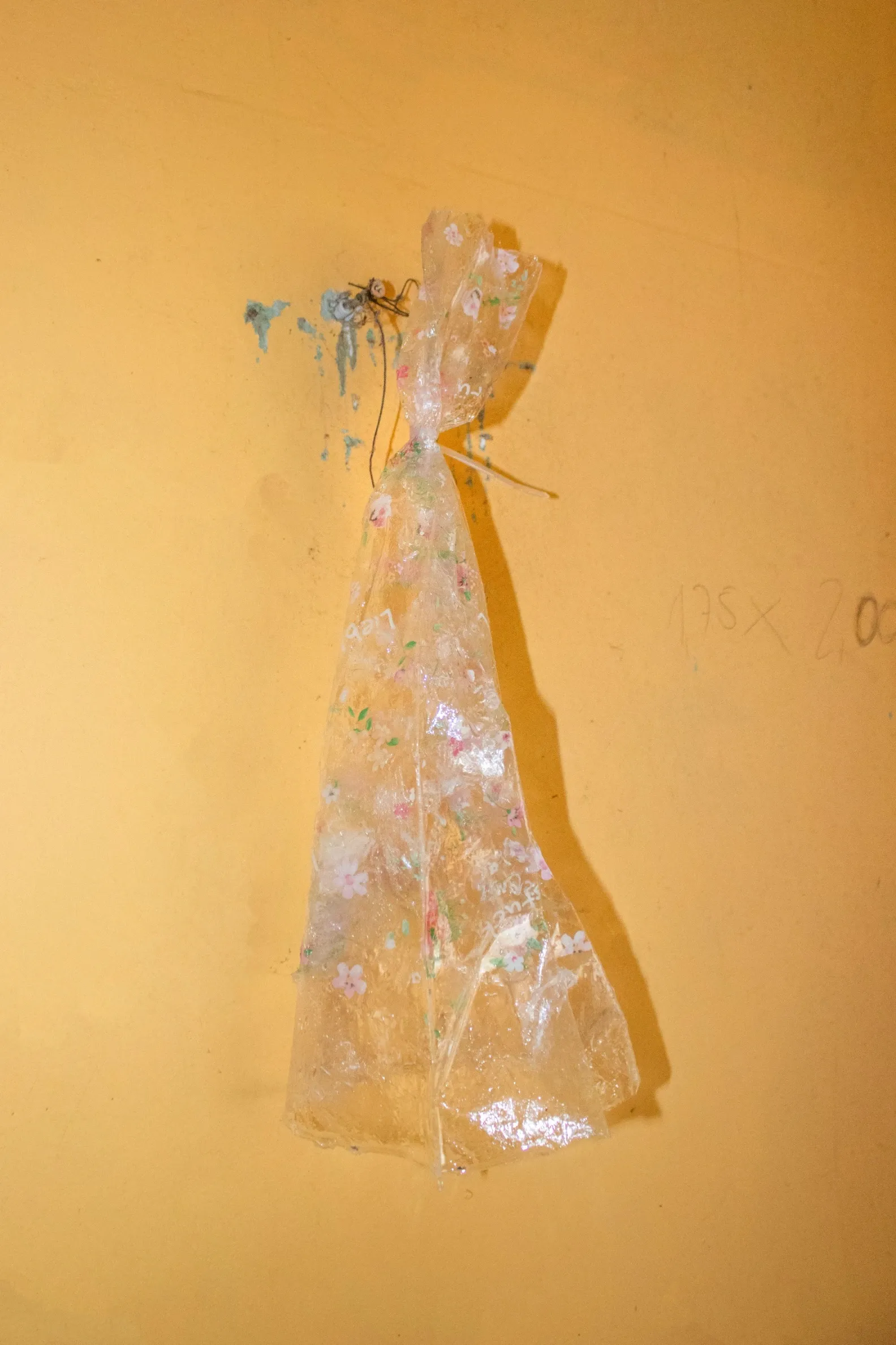
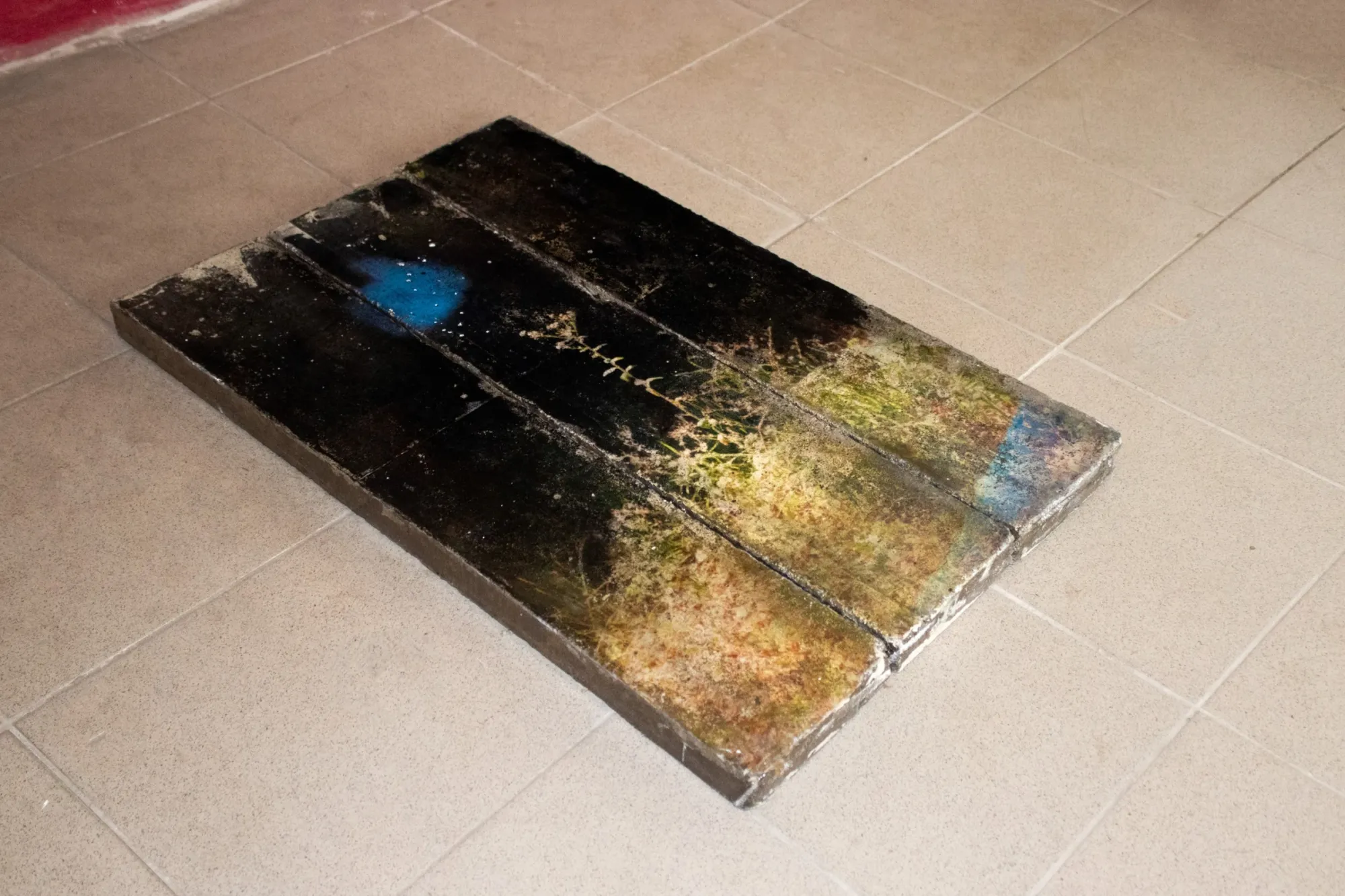
Here, Aubrey Theobald and Kristina Popov explore the cemetery environment through their own artistic practices, attuning themselves to its subtle resonances and ordinary affects.
Working with found objects, field recordings, experimental photographic processes, and sensory installation, they attend to the site's affective details and fragments, giving form to ephemeral presences.
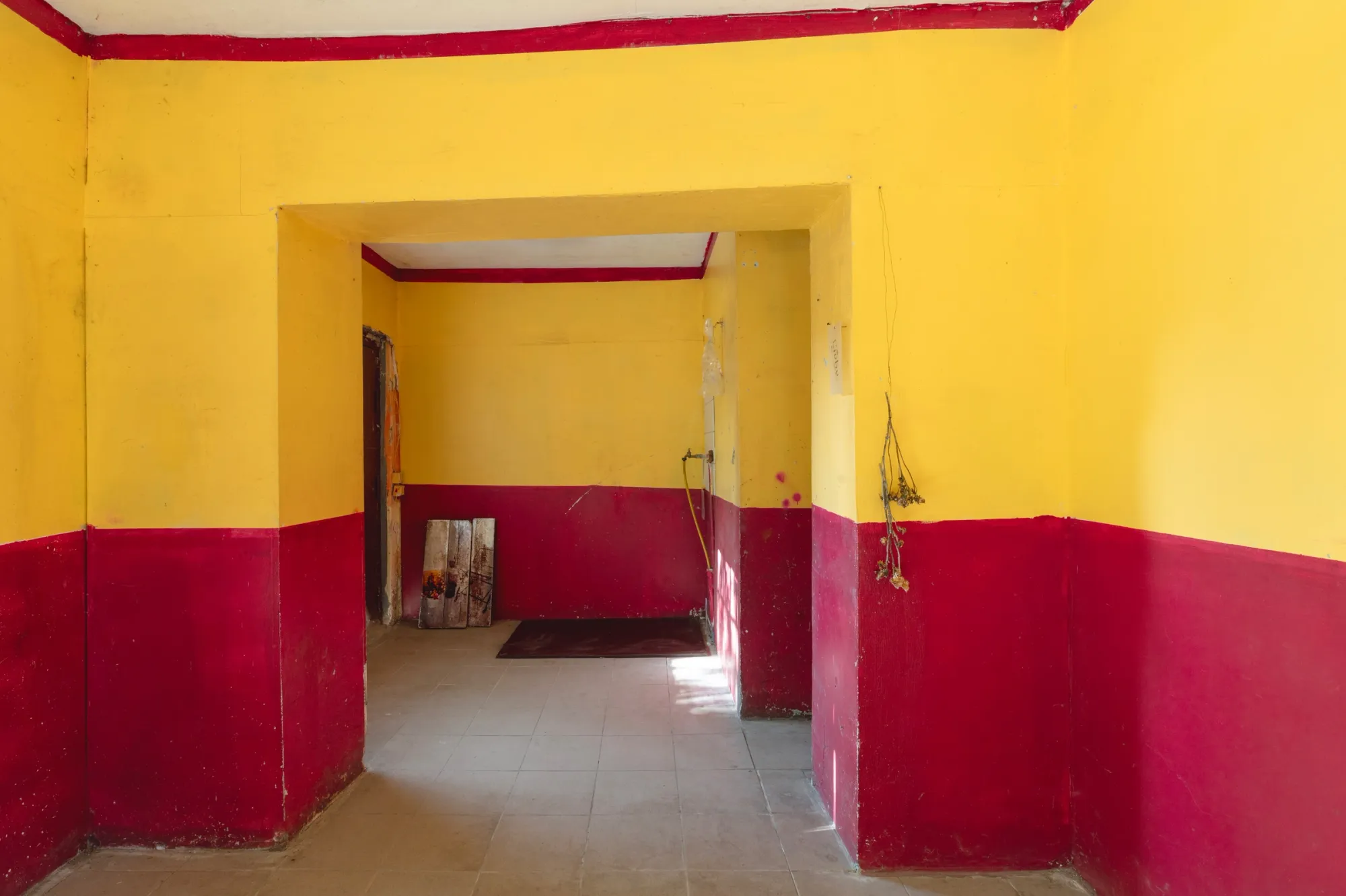
Bringing these into dialogue with the Pförtnerhaus, itself layered with histories of use, destruction, reconstruction, and change, the exhibition considers the cemetery as a living environment where history persists in the ordinary: in matter, nature, atmosphere, memory, and affect.
Curatorial text by Iana Pitenko (@according_to_iana)
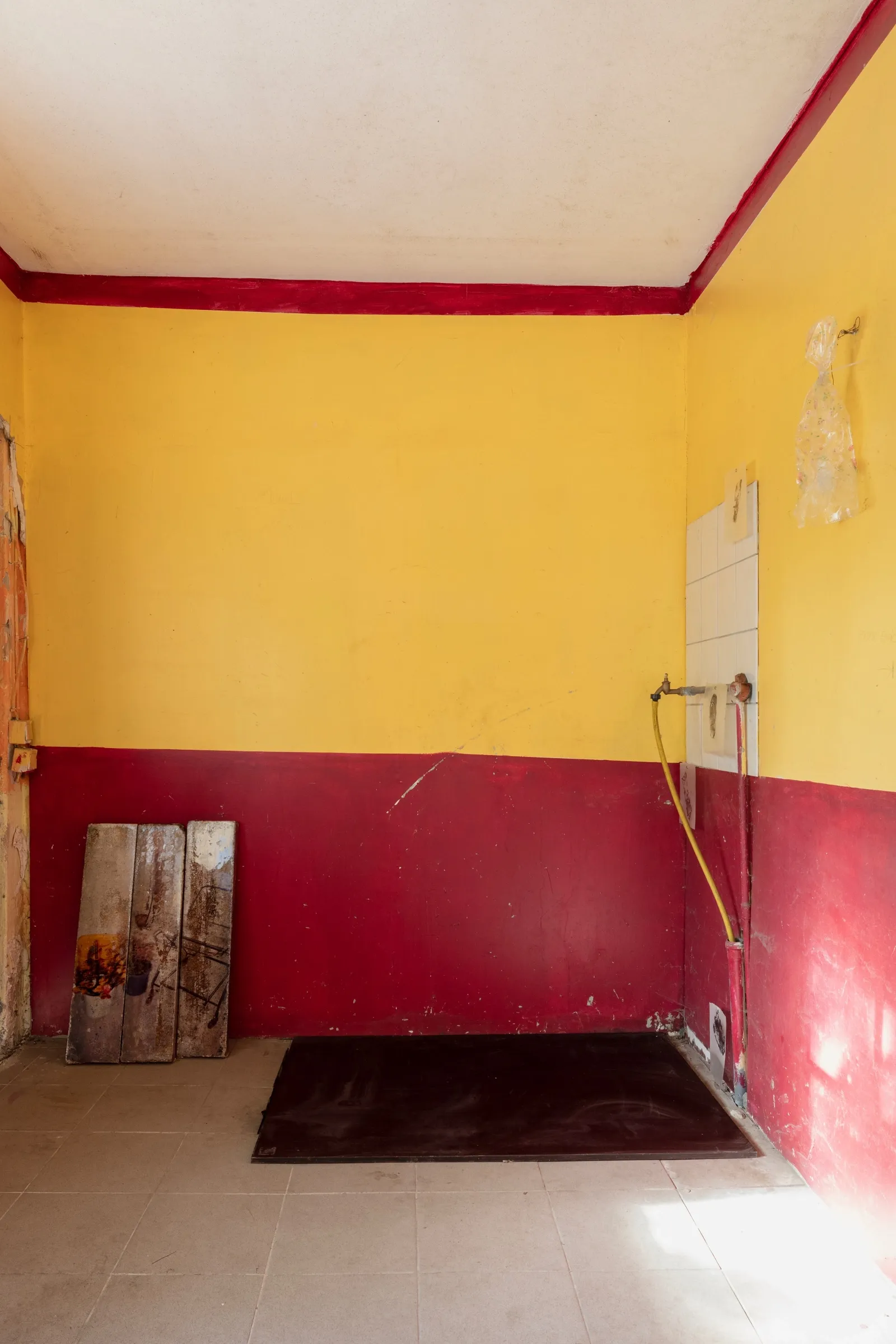
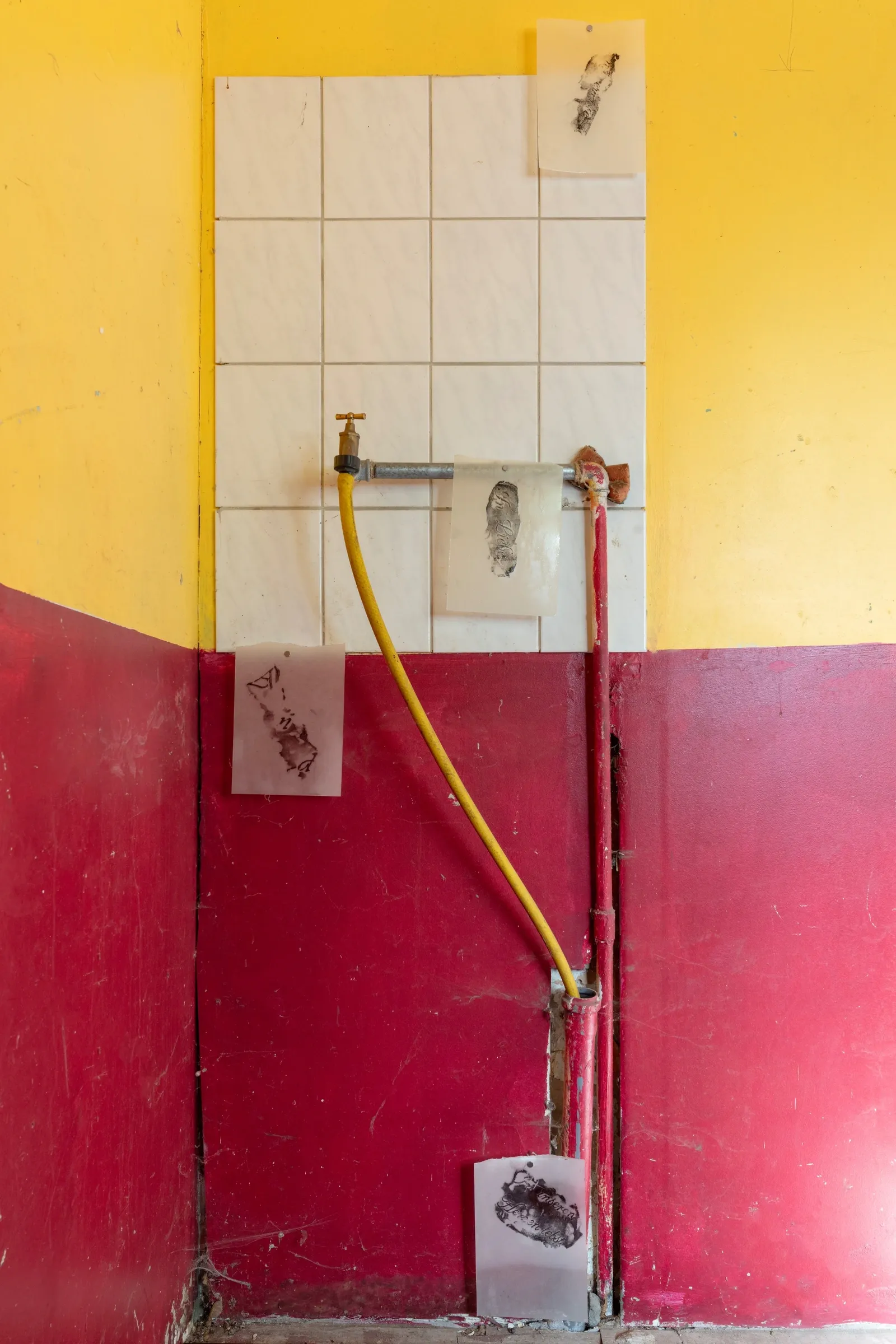
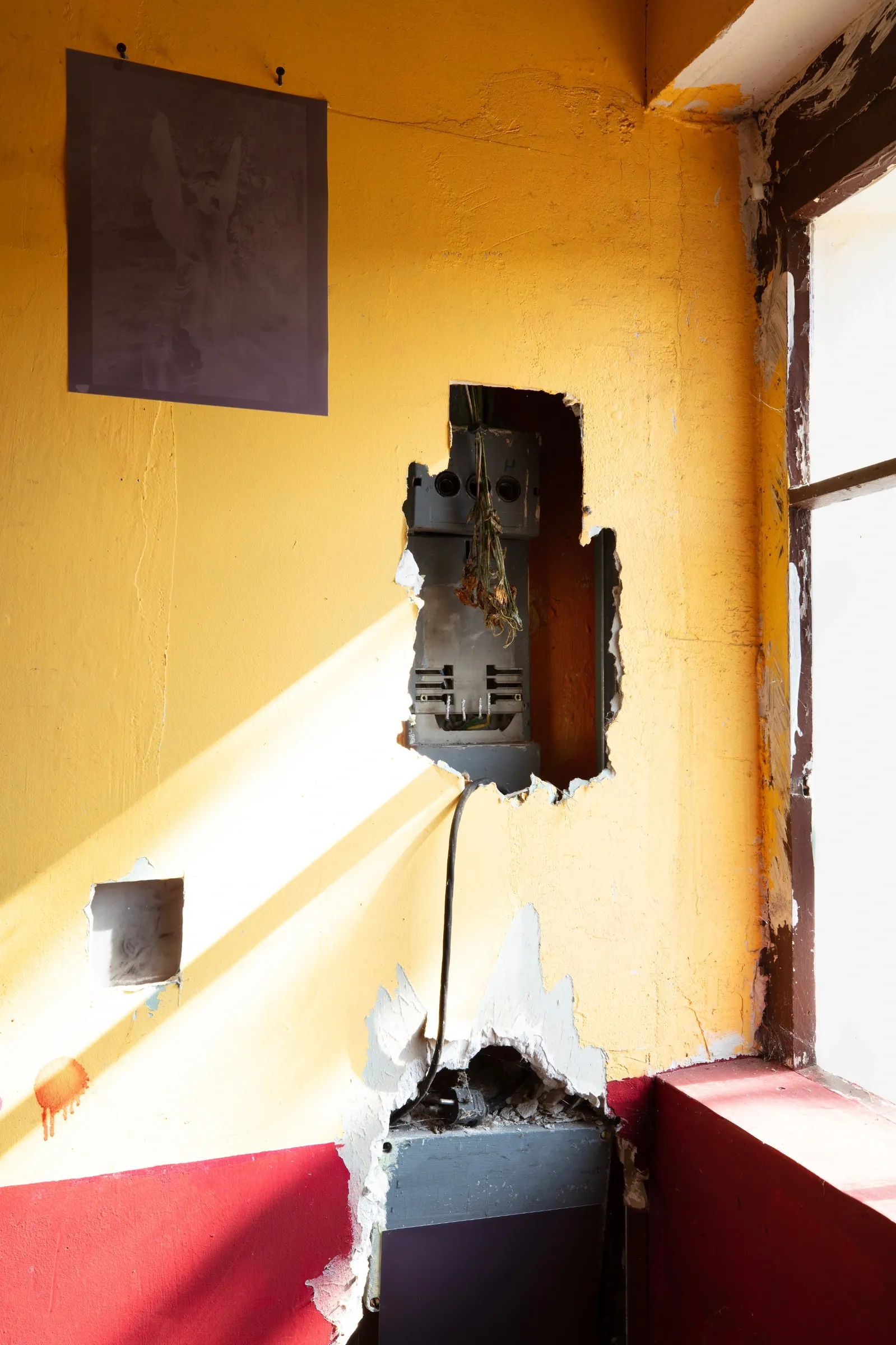
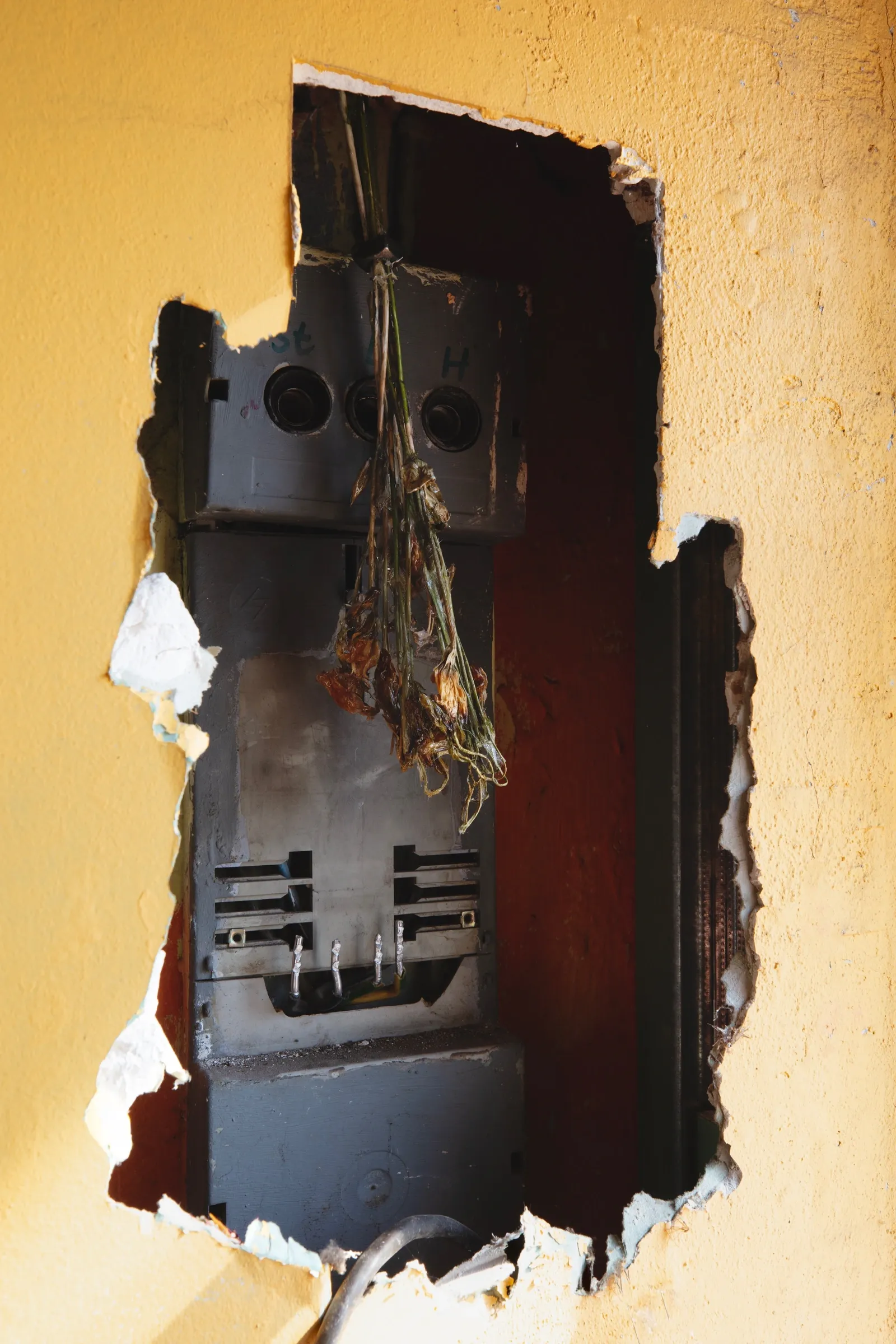
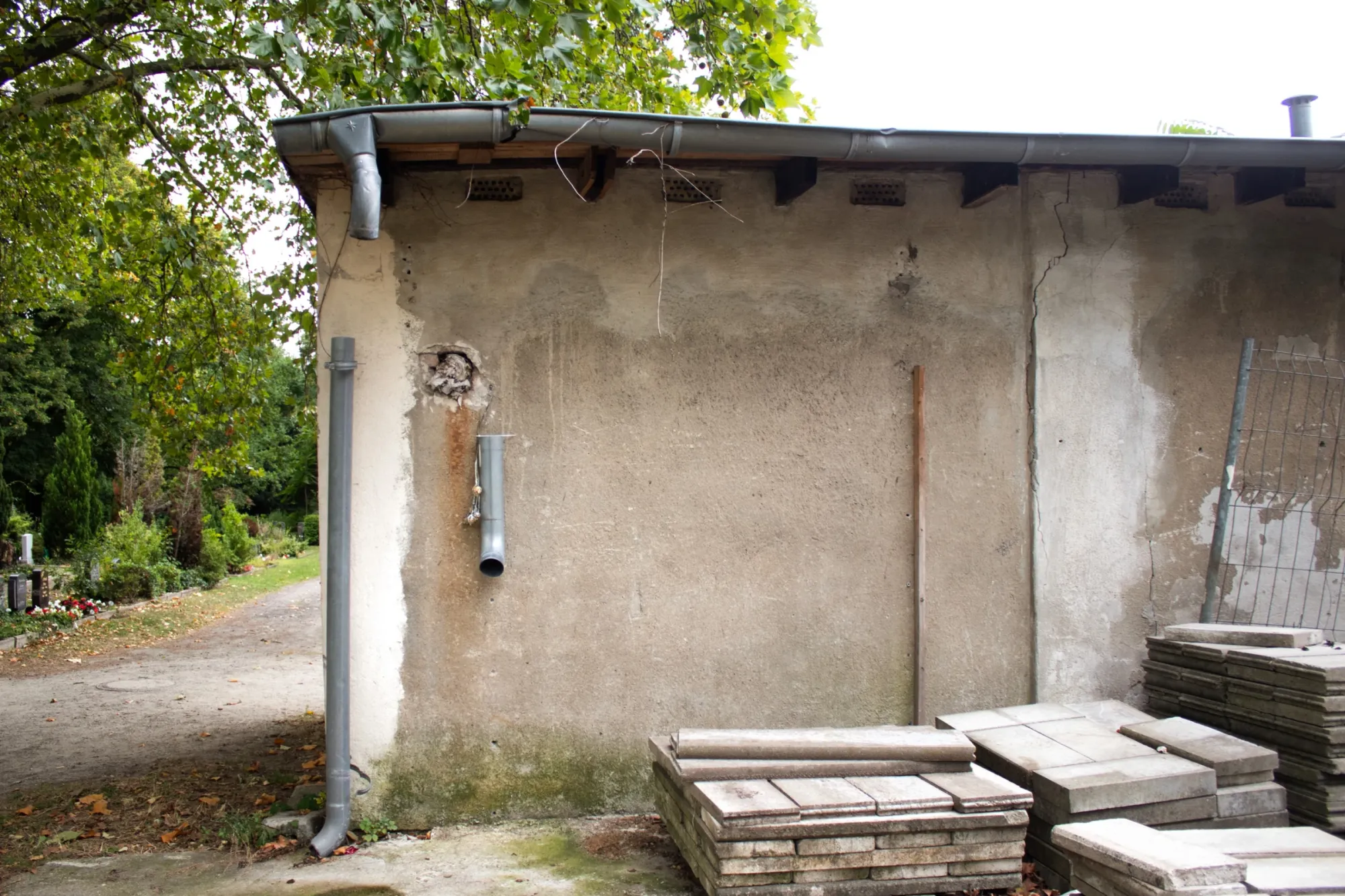
A Pförtnerhaus (gatehouse) at Georgen-Parochial-Friedhof II, Friedenstraße 80, run as a project space.
About Catapult Contemporary
This is an exhibition feature published by Catapult Contemporary, an independent editorial platform for contemporary art, based in Vienna. We publish exhibition reviews, artist features, interviews, and critical context, with a focus on emerging and mid-career practices from Europe and beyond.
catapult-platform.art ·
Instagram
Want to be featured? Submit your work →