Eglė Budvytytė and Espace Aygo Lean on Each Other Instead of Climbing
Jester Presents A Womb of Things to Be and a Tomb of Things That Were in Genk
Jester presents A Womb of Things to Be and a Tomb of Things That Were, curated by Karel Op 't Eynde, through January 10, 2027.
Eglė Budvytytė, Espace Aygo
A Womb of Things to Be and a Tomb of Things That Were
Jester
Genk, Belgium
–
Wed-Sun, 1-6 pm
Schachtboklaan 11, 3600 Genk
Karel Op 't Eynde
Silvia Cappellari
Courtesy the artists
A show about structures that collapse comes with a number attached: curator Karel Op 't Eynde sets it against a thirty per cent cut in Flemish funding for heritage organisations and regional museums.
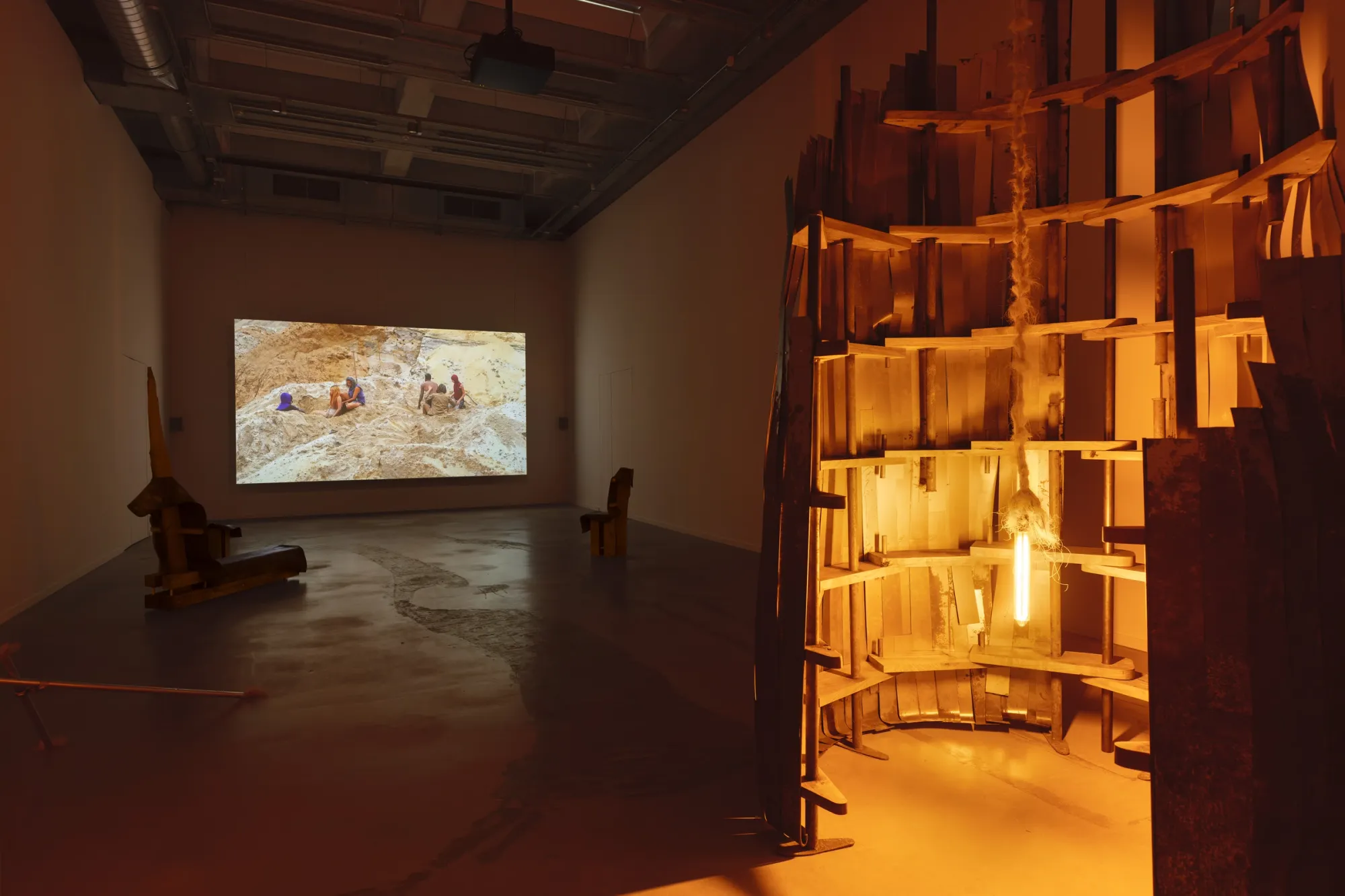
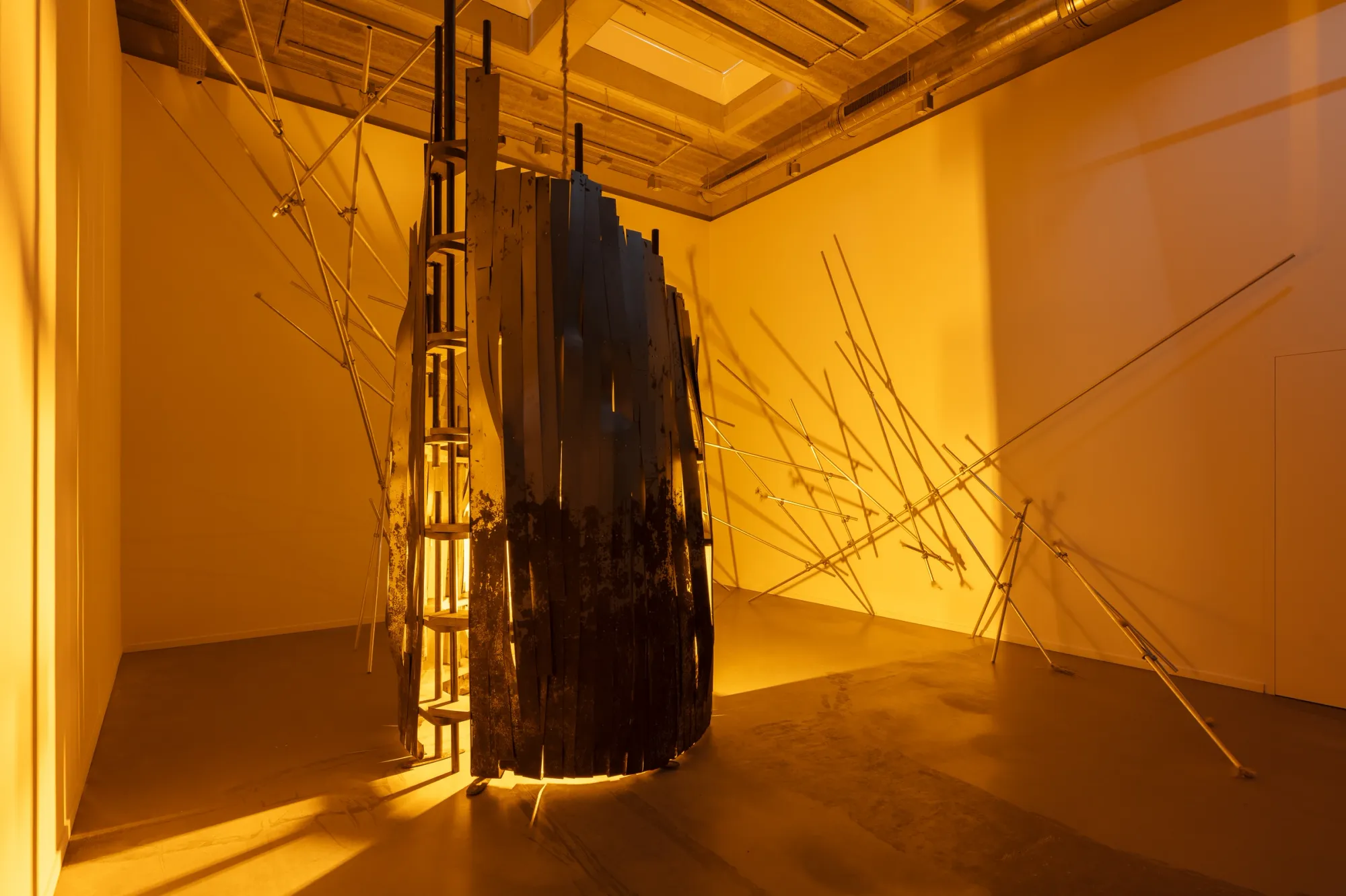
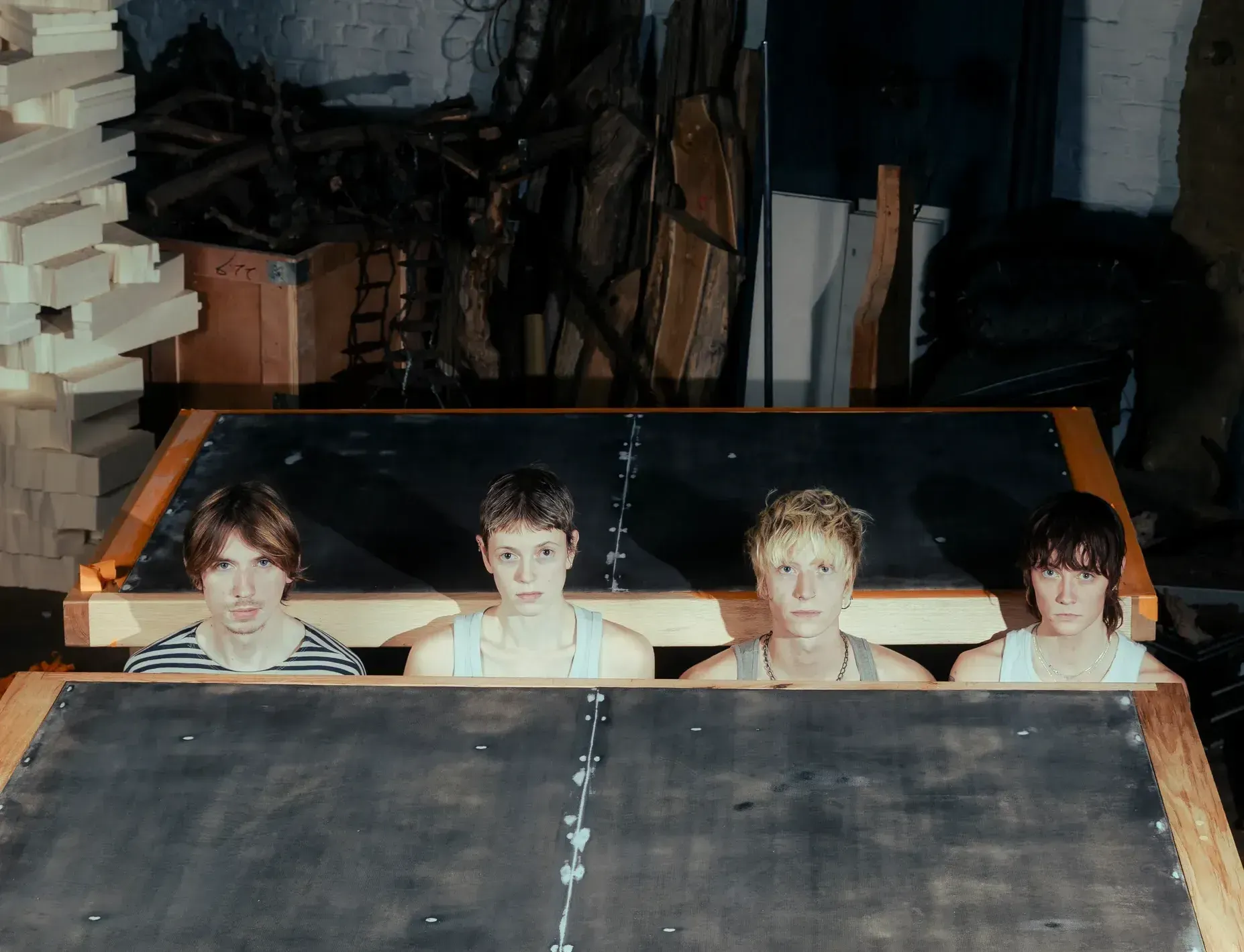
Espace Aygo, a Brussels collective of four who share a home and studio, builds the collapsed structures. Eglė Budvytytė's films, set in the dunes of the Curonian Spit and in quarries, follow bodies that stop being separate.
Exhibition Text by Jester and Curatorial Note by Karel Op 't Eynde
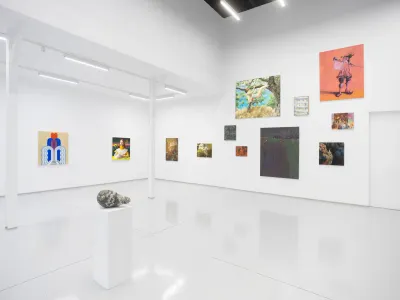
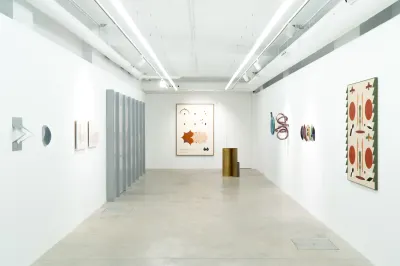
A Womb of Things to Be and a Tomb of Things That Were is an exhibition presenting a dialogue between the work of the Amsterdam- and Vilnius-based visual artist Eglė Budvytytė and the Brussels-based artist and designer collective Espace Aygo.
Budvytytė’s moving-image work, with its focus on the body’s entanglement with other forms of life, meets Espace Aygo’s large-scale installation, where human-made structures appear to lose their vertical stability.
The exhibition asks what becomes possible when the impulse to build, grow and look upward falters and gives way to horizontality and other forms of mutual dependence.
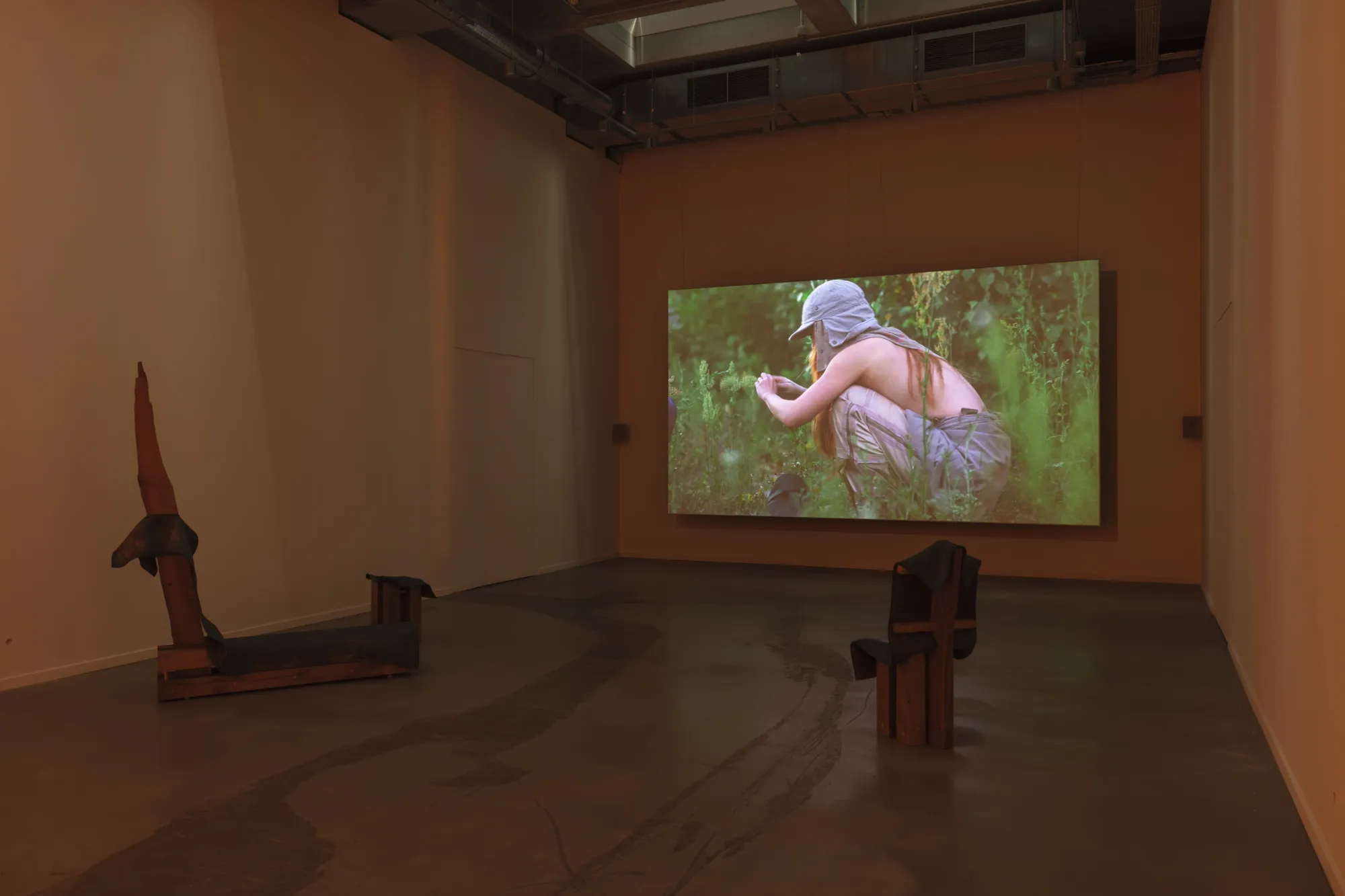
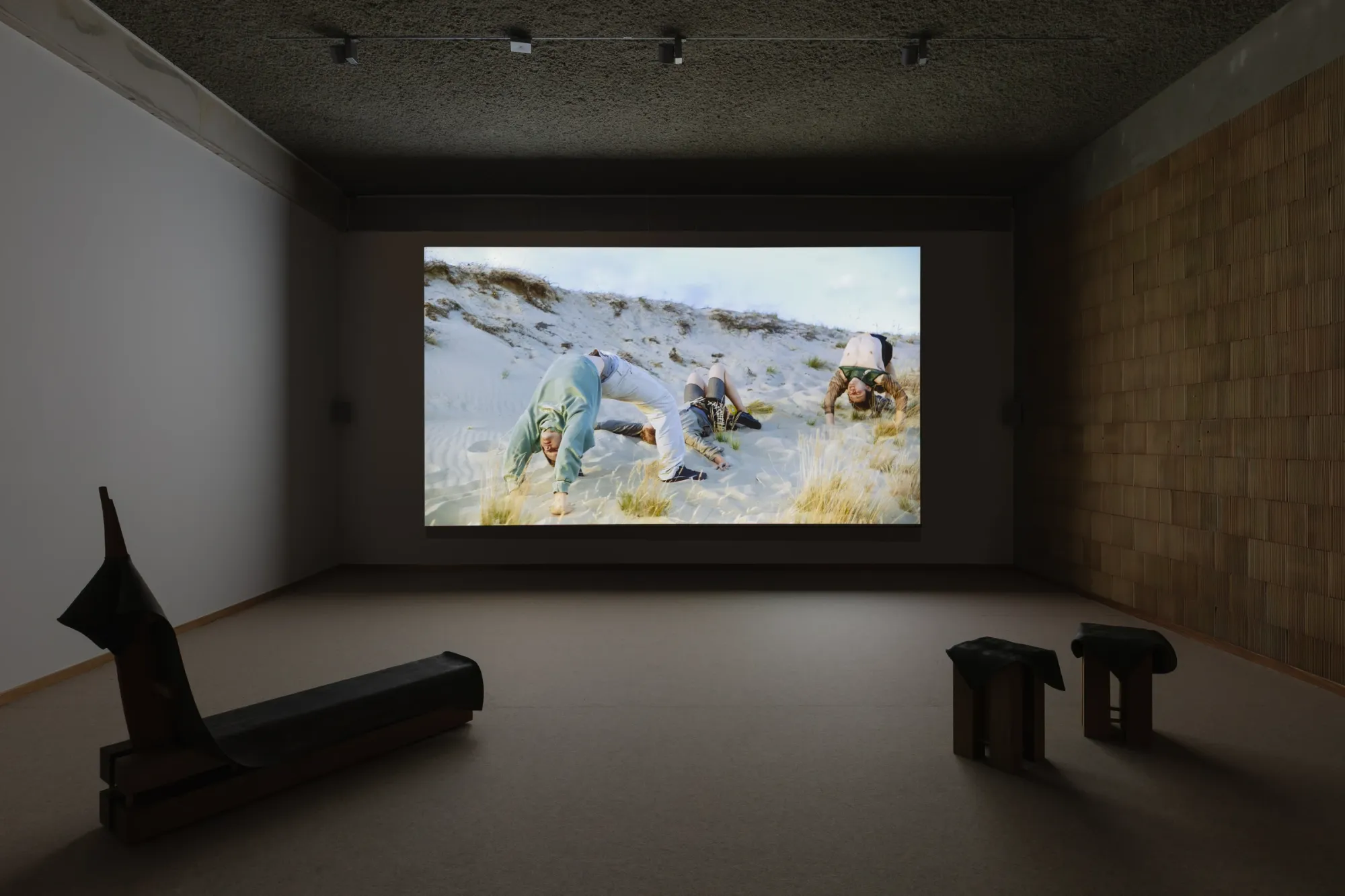
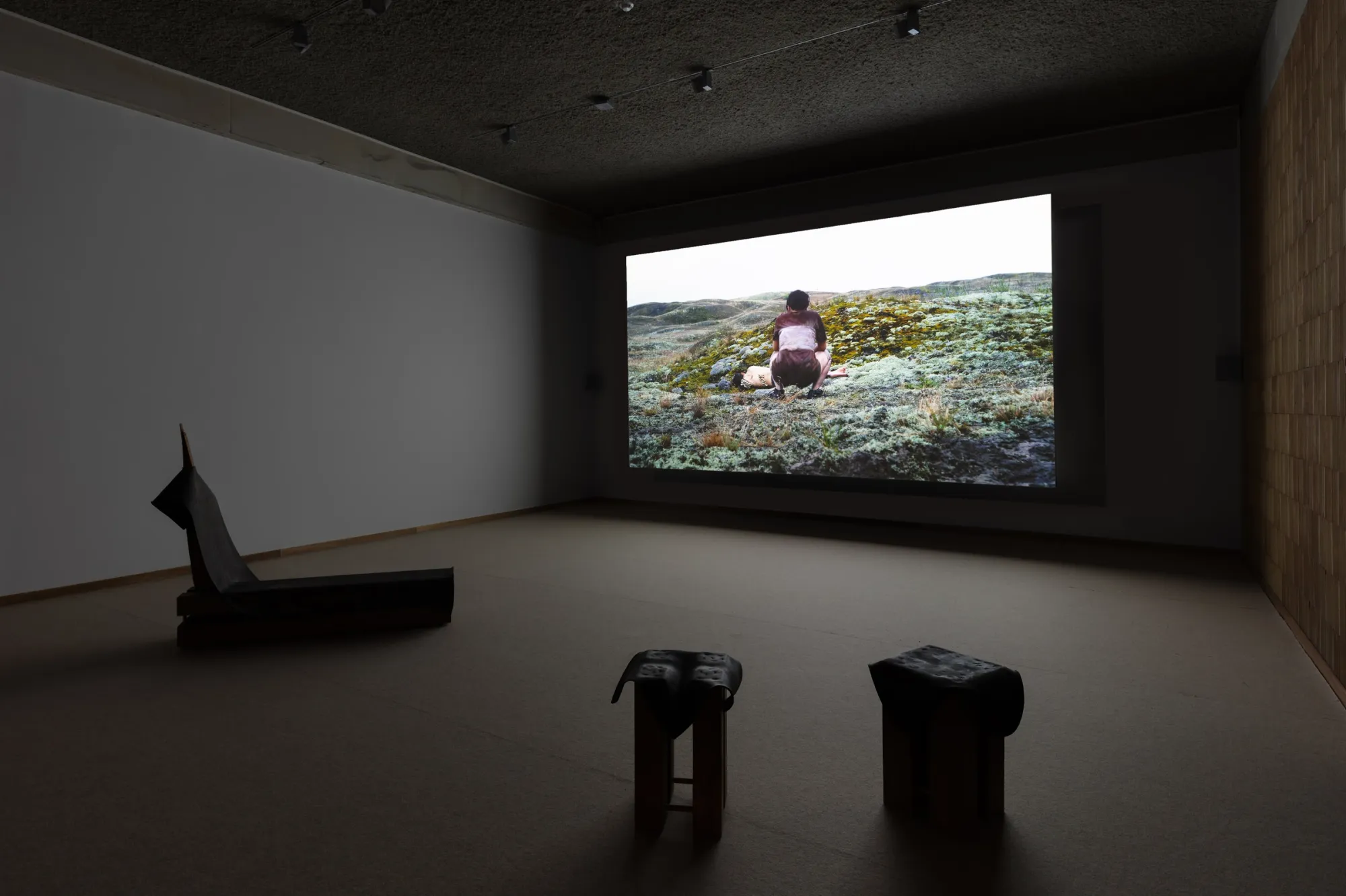
The title of the exhibition reinterprets a line from Ursula K. Le Guin’s The Carrier Bag Theory of Fiction (1986), in which she describes the universe as “a womb of things to be and tomb of things that were”, an ever-unfinished realm where what has been and what might still become are held closely together.
In Budvytytė’s films, this fluidity between past and future is expressed through the human body losing its separateness. In Songs from the Compost: Mutating Bodies, Imploding Stars (2020), performers move through the forests and dunes of the Curonian Spit, a narrow sand peninsula separating the Baltic Sea from the Curonian Lagoon. Song and choreography show processes of symbiosis, while a shapeshifting voice moves between genders and human and nonhuman forms.
Warmblooded and Earthbound (2024) engages with the intimacy between body and land through communal rituals, connecting life and death, moving across riverbanks and quarries. The film draws on archaeologist Marija Gimbutas’s research into Neolithic matrilineal societies and burial practices, bringing ancient forms of togetherness into contact with present bodies. The films shows how decay can open passages between different forms of life and time.
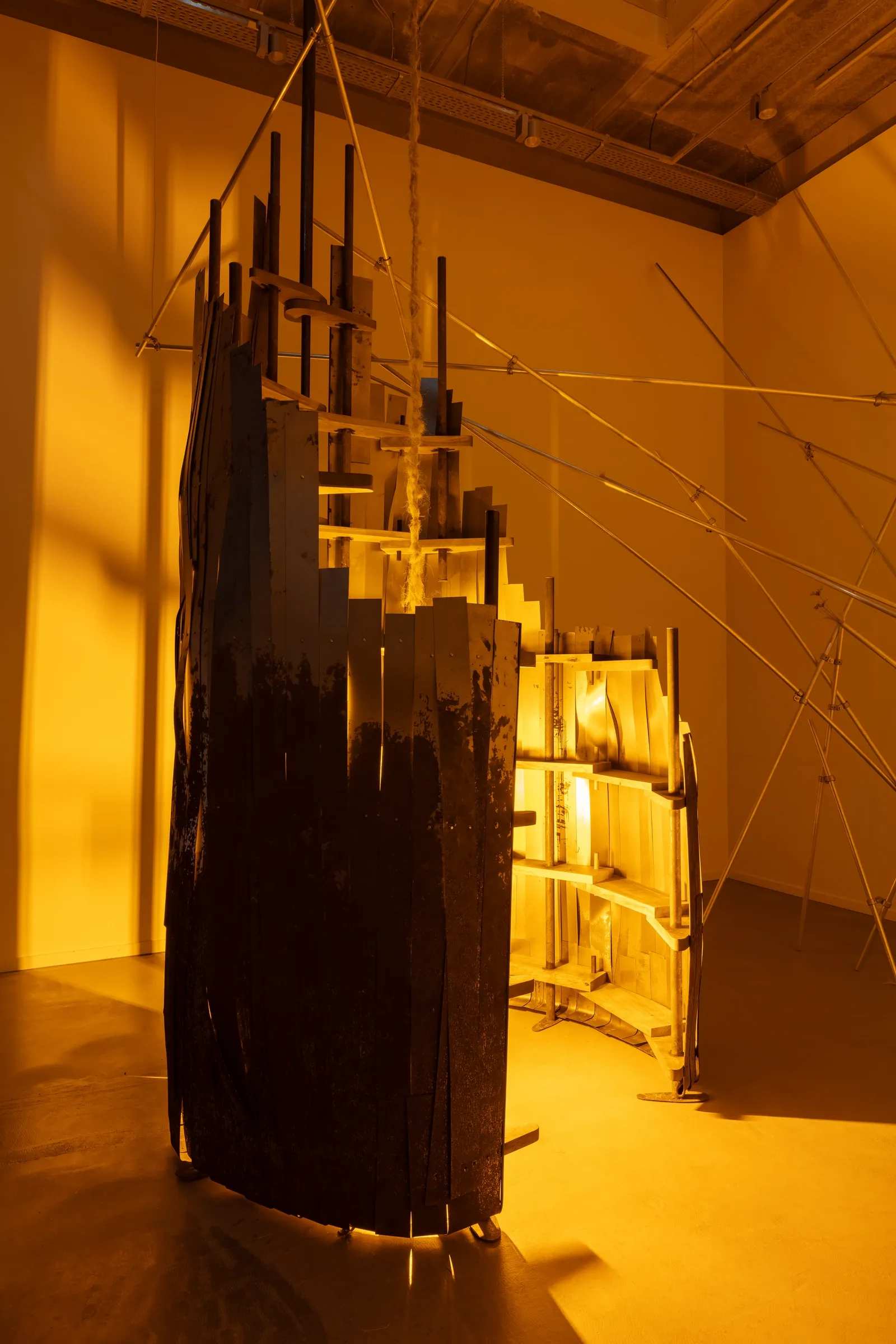
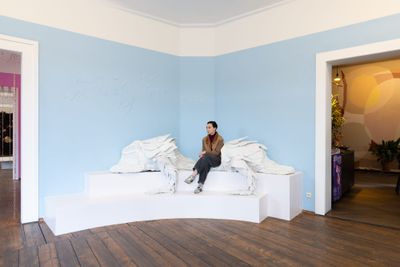
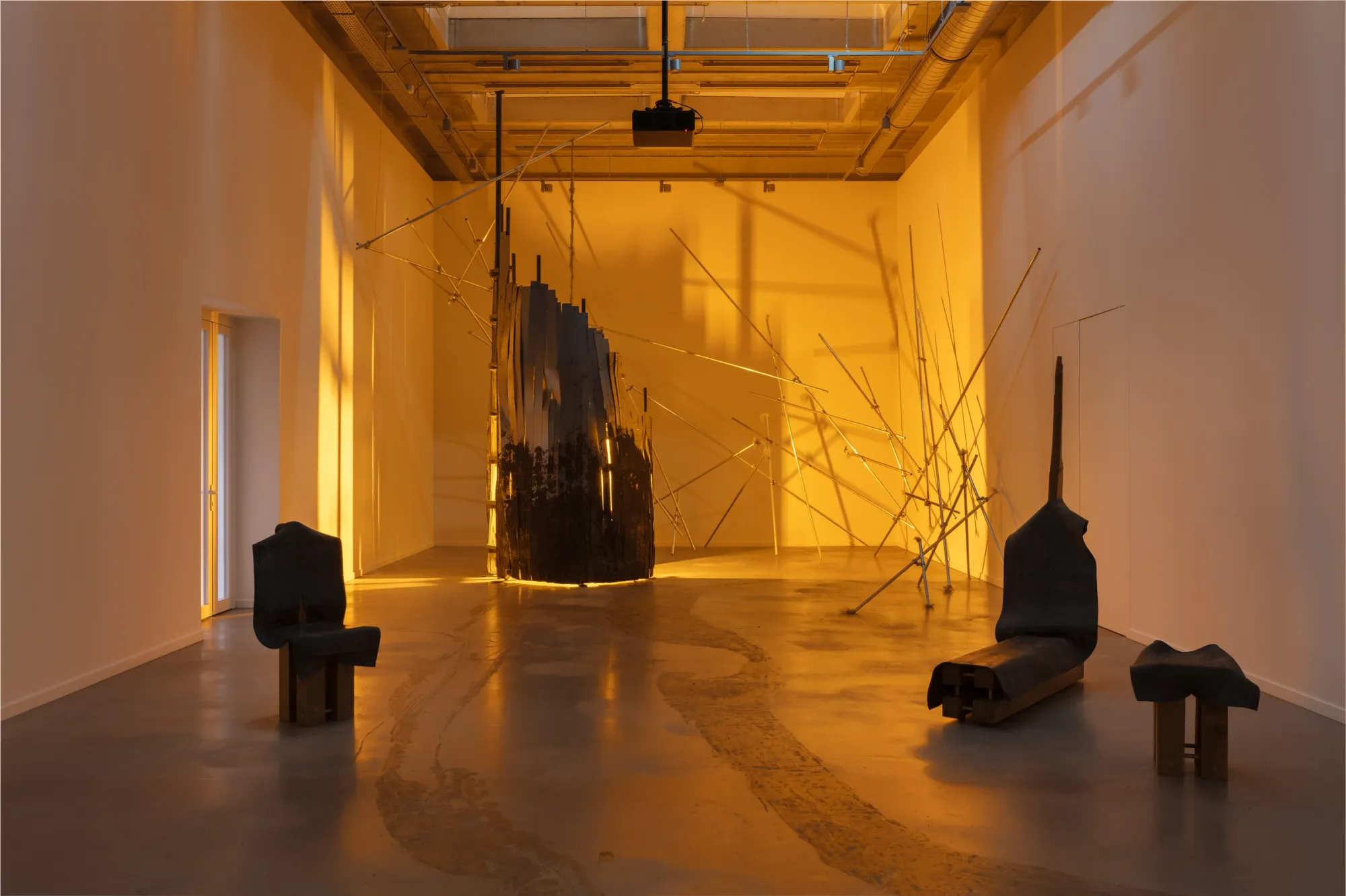
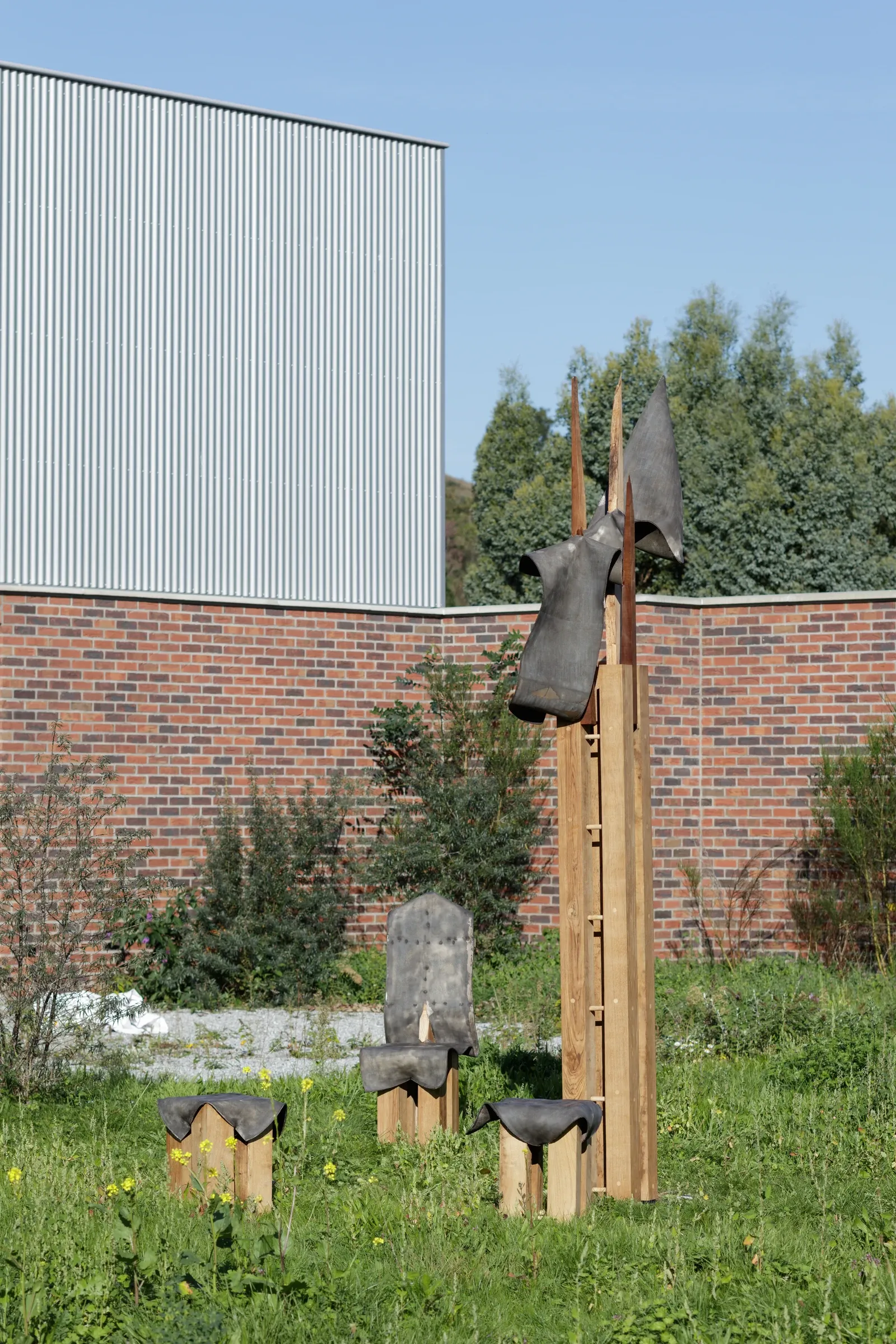
Espace Aygo’s collapsed architectural structures challenge a sense of vertical monumentality and instead offer something closer to a ground, a support, a place for gathering, extending beyond the Kunsthal’s usual confines, out into the open and into neighbouring institutions. When a structure collapses, it opens new sightlines.
A view reserved for those able to reach the top becomes accessible from different positions on the ground, making room for a group and its many perspectives. In the arts, survival is often presented as a climb, a supposedly linear path towards recognition, with space at the top for only a happy few.
The works in this exhibition question this model of constant ascent and consider how artistic practices might be sustained through mutual support, friendship and the possibilities artists open for one another.
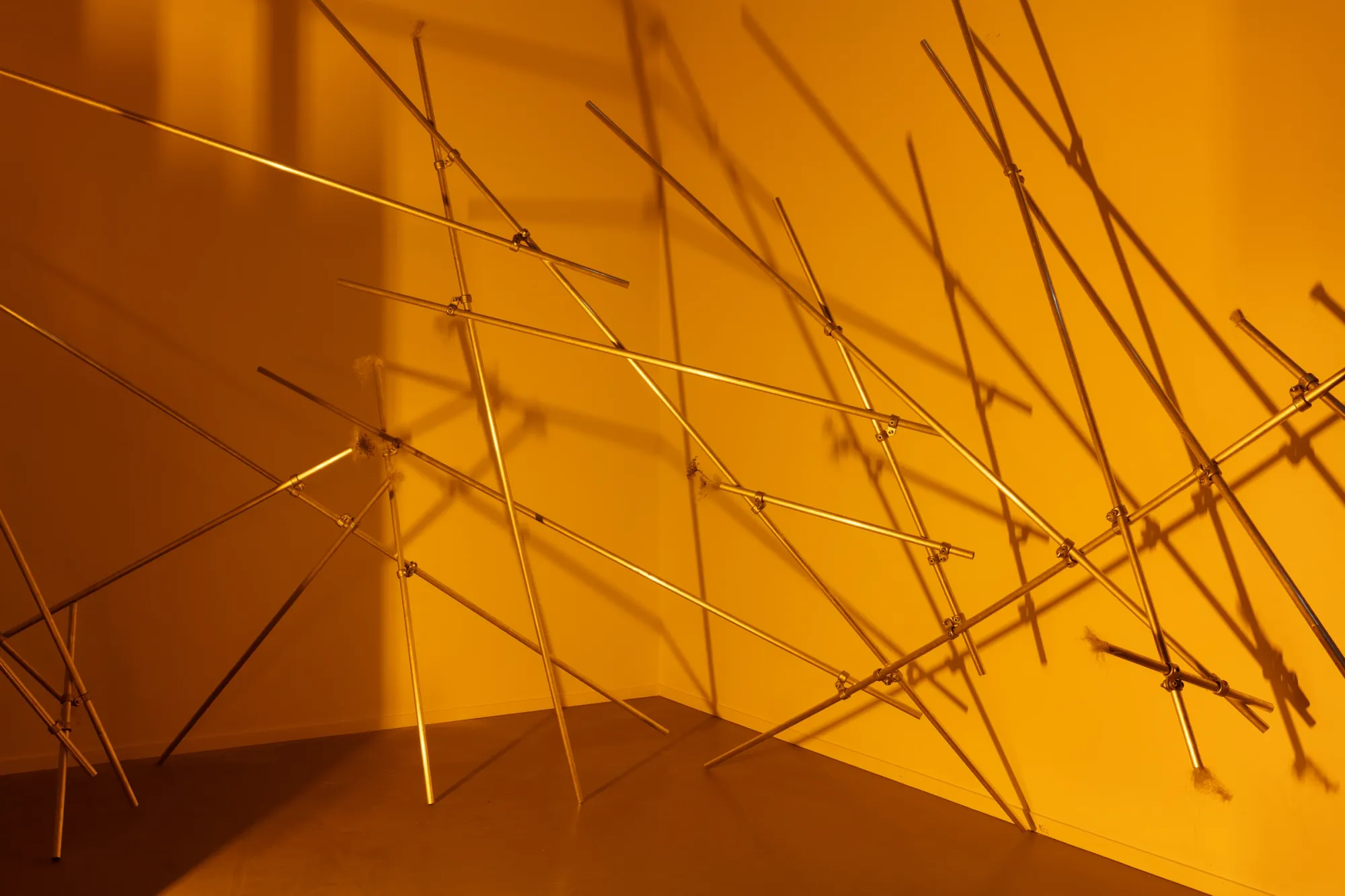
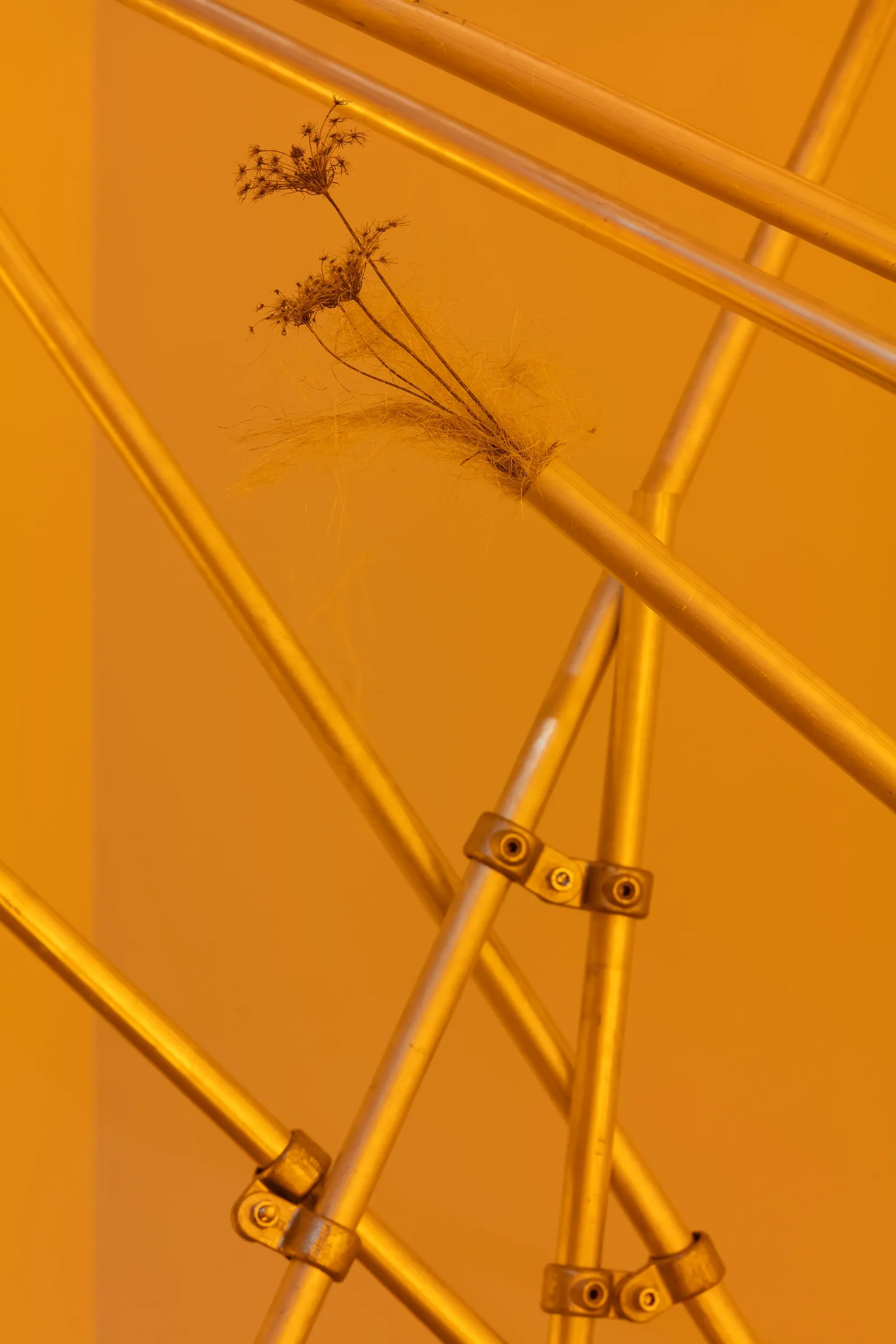
This exhibition is generously supported by the Embassy of the Kingdom of the Netherlands in Belgium, and Espace Aygo’s contribution has been developed in co-production with RendezVous – Brussels Art Week.
Curatorial note
In bringing these practices together, I was drawn to a connection that reaches beyond visual resonance. What I value in Jester’s duo exhibition format is that artists at different stages of their practice can offer each other new ways of seeing their work and challenge each other.
Budvytytė’s films engage with bodies whose boundaries are porous, shaped by other bodies. Symbiosis and vulnerability unsettle the idea of a self-sufficient individual. I read these works as an invitation to consider how we live with dependence, what forms of togetherness it might make possible.
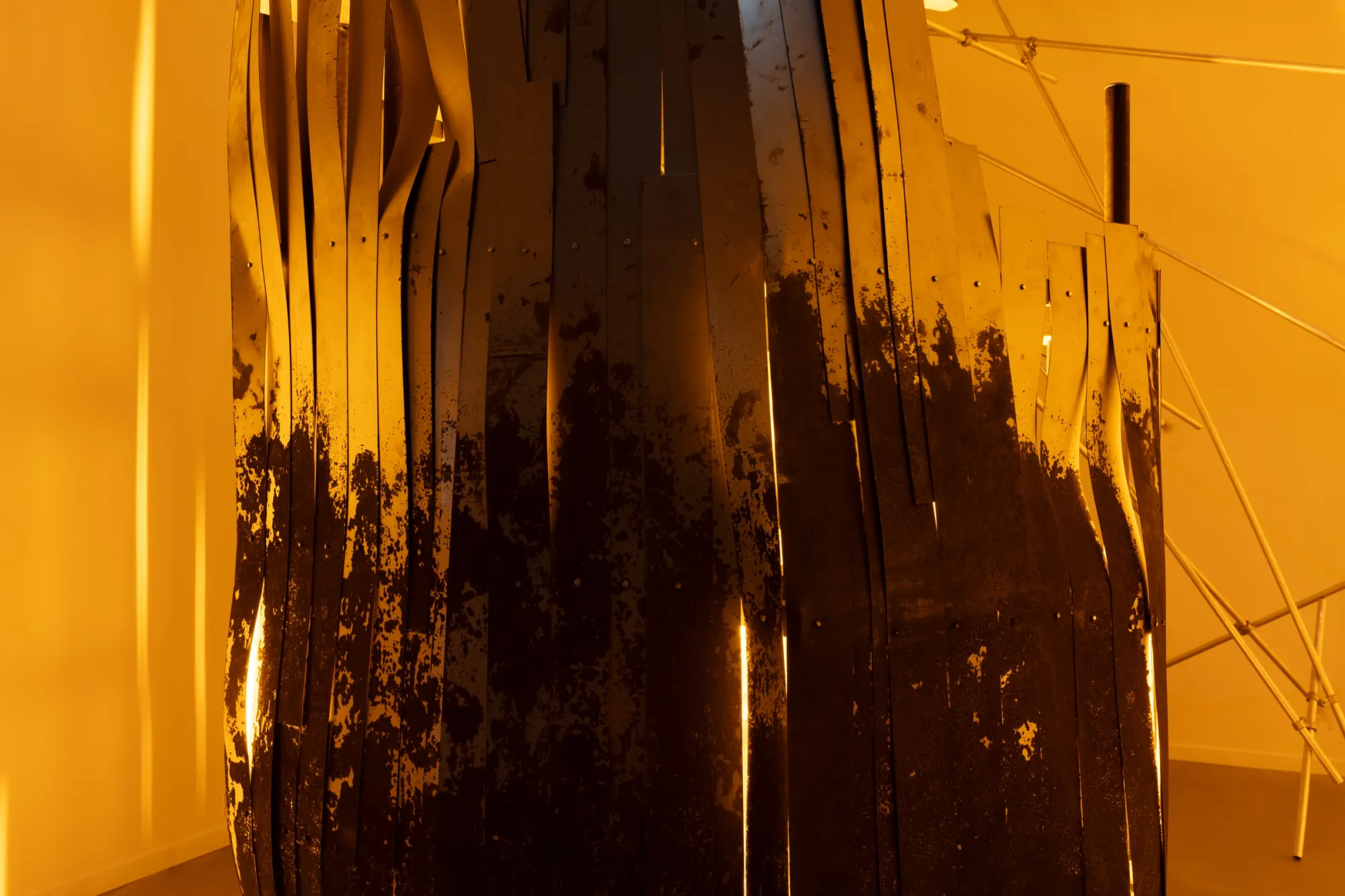
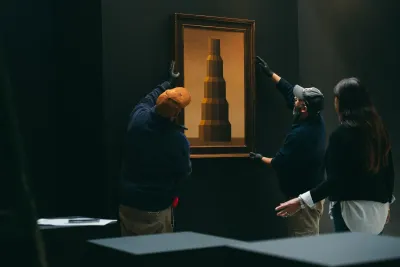
Espace Aygo, The Shepards Pinnacle (detail), 2026. Courtesy the artists. Photo: Silvia Cappellari
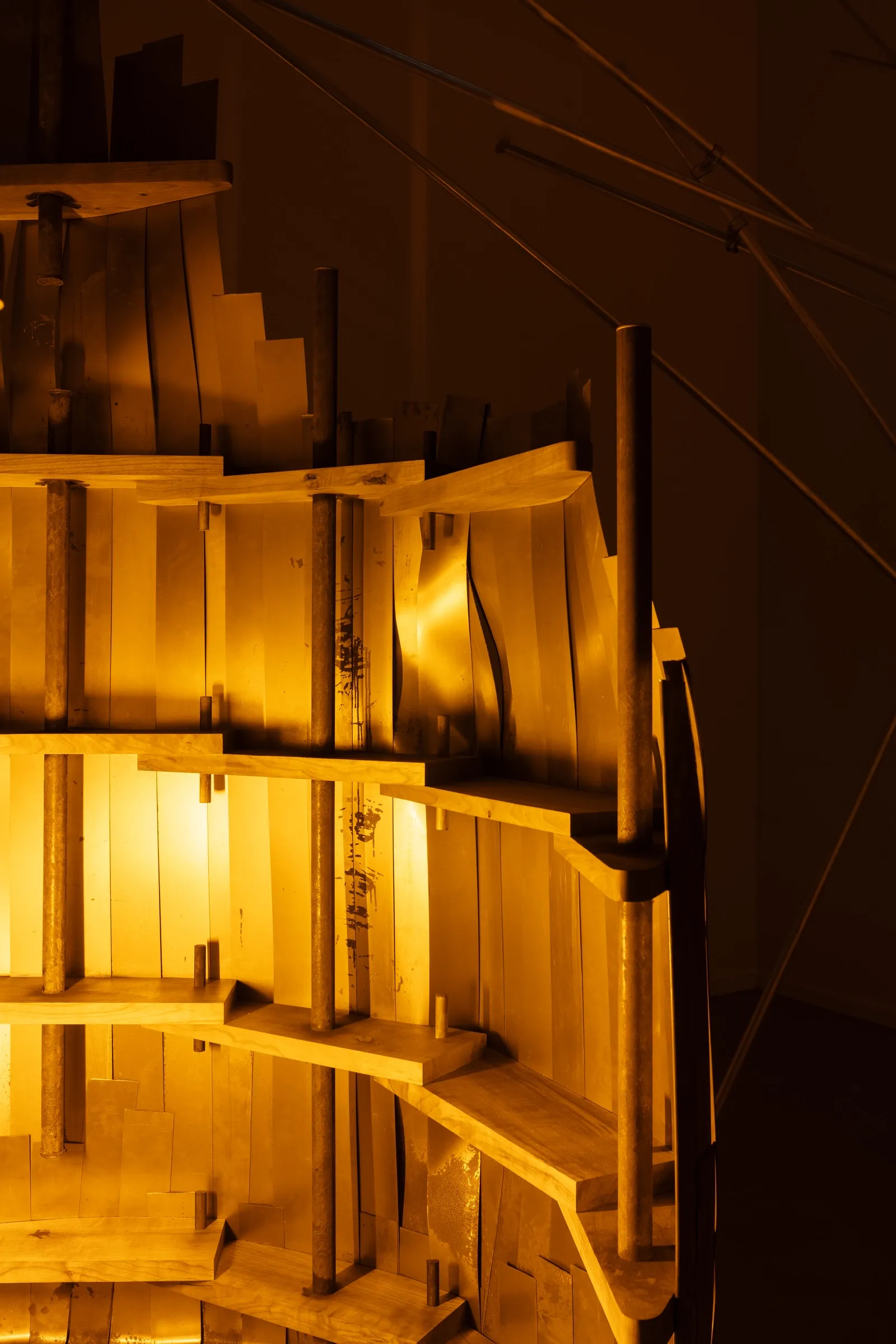
That question feels tangible in the way Espace Aygo works and moves. Their shared life and practice, their ties to a wider community, and their engagement with existing materials makes this interdependence incredibly tangible.
It takes shape in sharing space and skills, leaning on one another, and allowing the materials at hand to influence what is made. Their attention to materials also raises a question about the pressure to keep producing. What needs to be made, and what is already enough?
I notice a sense of uncertainty among some young people that can, at times, harden into fatalism. I recognise it in myself too, the feeling that our efforts might make little difference when the world seems to be collapsing around us. A thirty per cent cut in Flemish funding for heritage organisations and regional museums.
Yet another round of cuts to the socio-cultural sector. Hope is starting to taste bitter, and the future we were promised slips ever further below the horizon. But I keep returning to the image of people leaning on one another’s shoulders, visible in both practices presented here at Jester. In an art world where we often instrumentalise relationships for individual advancement, I wonder what happens when we allow them to become central to the work itself.
- Karel Op ’t Eynde, curator at Jester
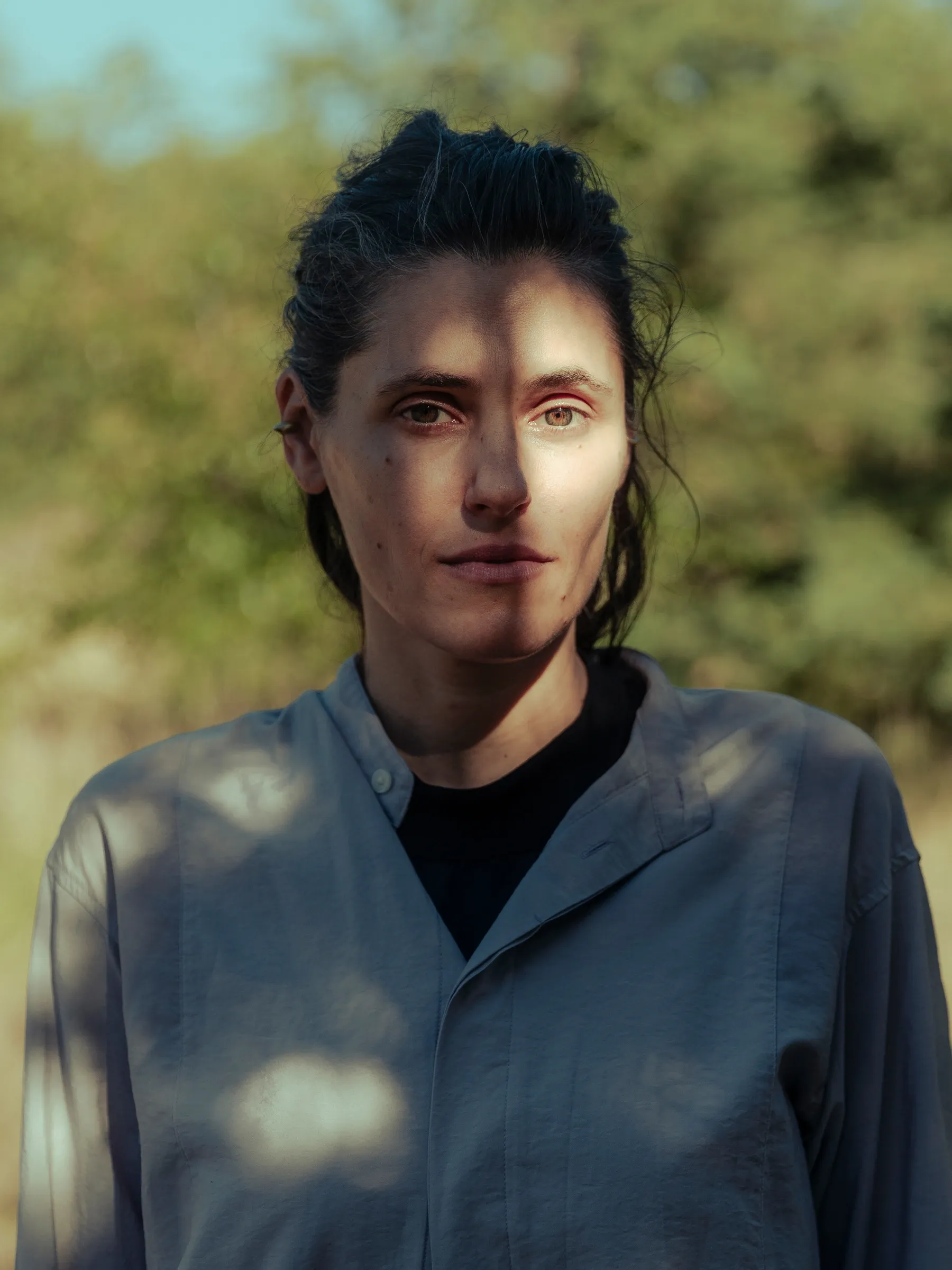
Born in 1981 in Lithuania, lives and works in Vilnius and Amsterdam. Works across song, poetry, video and performance. Her work has been shown at the Venice Biennale, Frac Île-de-France in Paris and Vleeshal in Middelburg.
Brussels collective of Salomé Sperling, Line Murken, Sijmen Vellekoop and Jaime Le Bleu. Works at the intersection of art, design, architecture and everyday life and treats its shared home and workplace as an evolving artwork.
Curator at Jester in Genk. Curated the exhibition and wrote its curatorial note.
About Catapult Contemporary
This is an exhibition review published by Catapult Contemporary, an independent editorial platform for contemporary art, based in Vienna. We publish exhibition reviews, artist features, interviews, and critical context, with a focus on emerging and mid-career practices from Europe and beyond.
catapult-platform.art ·
Instagram
Want to be featured? Submit your work →
No spam, no sharing to third party. Only you and me.