Emmélie Lempert Hangs Her Own Sewn Garments Between Panes of Glass

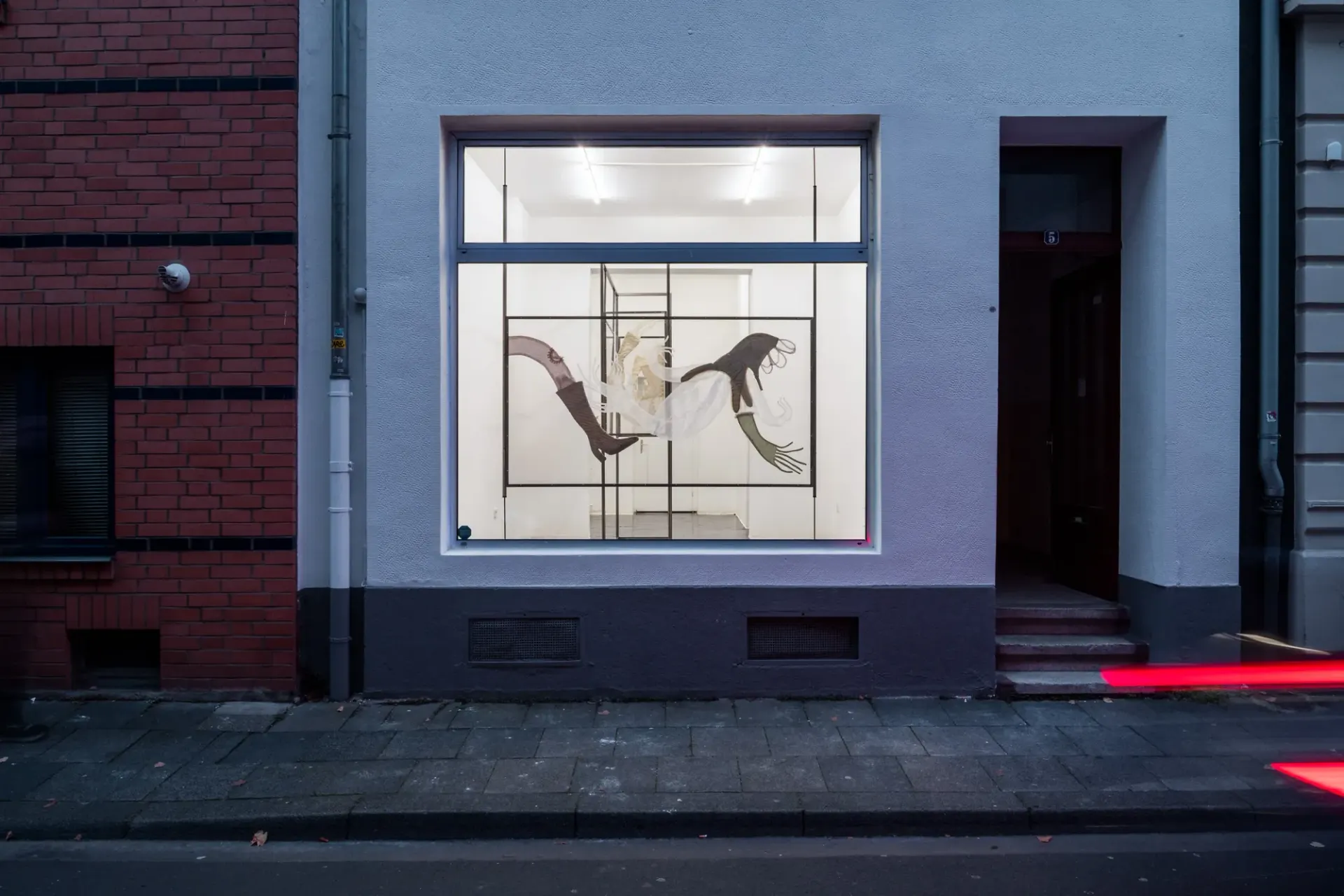
buvac contemporary Presents stay, stray, stay in Cologne
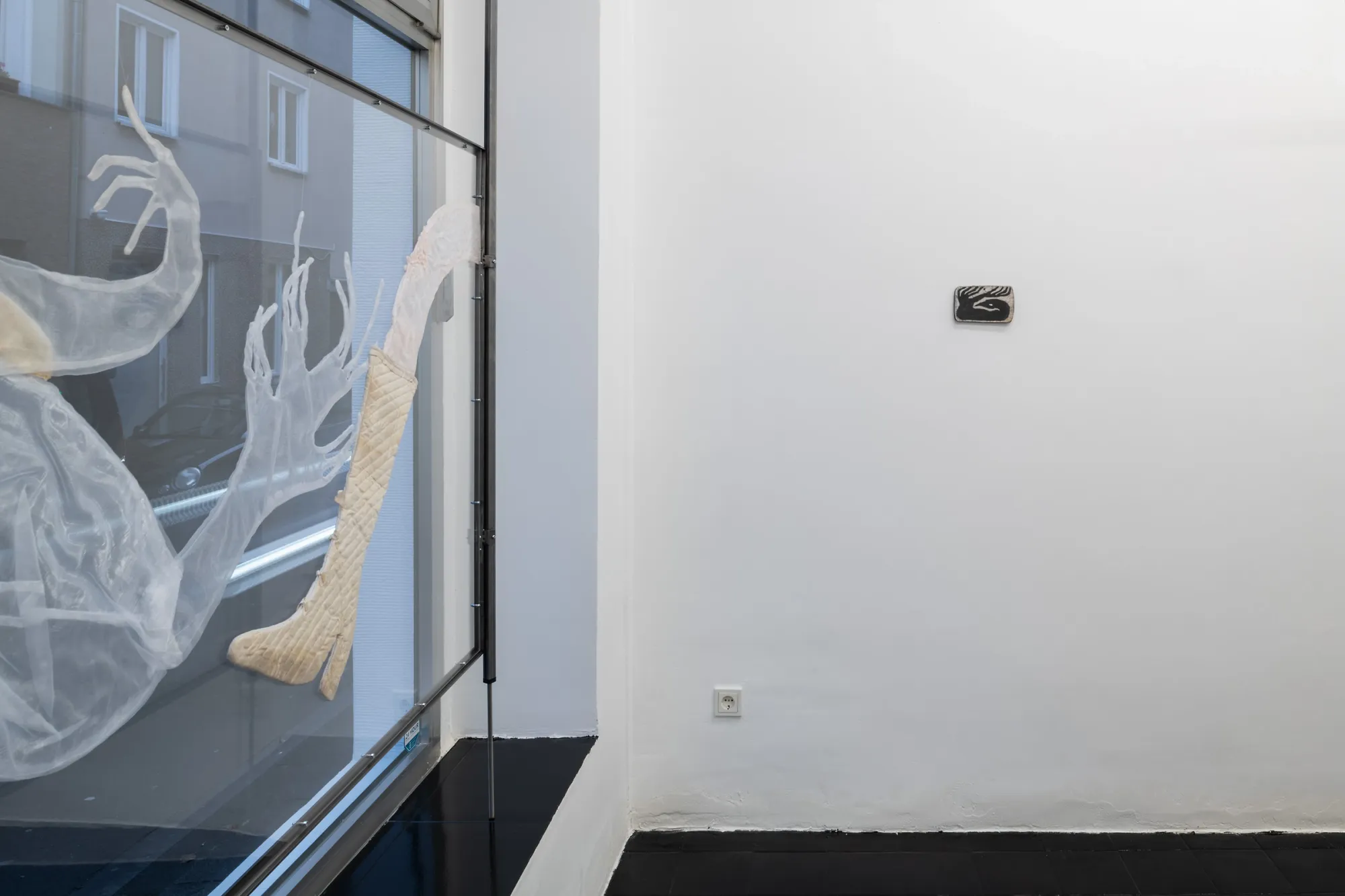
Underwear, shapewear, gloves and nightwear aren't the first things you'd expect to find preserved behind acrylic glass.
Yet in stay, stray, stay, Emmélie Lempert turns garments she has sewn herself into works that retain the traces of their making and use. Dirt, stretching and tears remain visible rather than being concealed.
Emmélie Lempert
stay, stray, stay
buvac contemporary
Cologne, Germany
–
By appointment
Probsteigasse 5, 50670 Cologne
David Ertl
Courtesy of buvac contemporary and the artist
Two of the textile works carry Czech titles, husí kůže (goosebumps) and zrudnutí (blushing). For Lempert, a German-Czech artist, these bodily reactions find an unexpected counterpart in fabric, something worn close to the skin and now held at a distance behind glass.
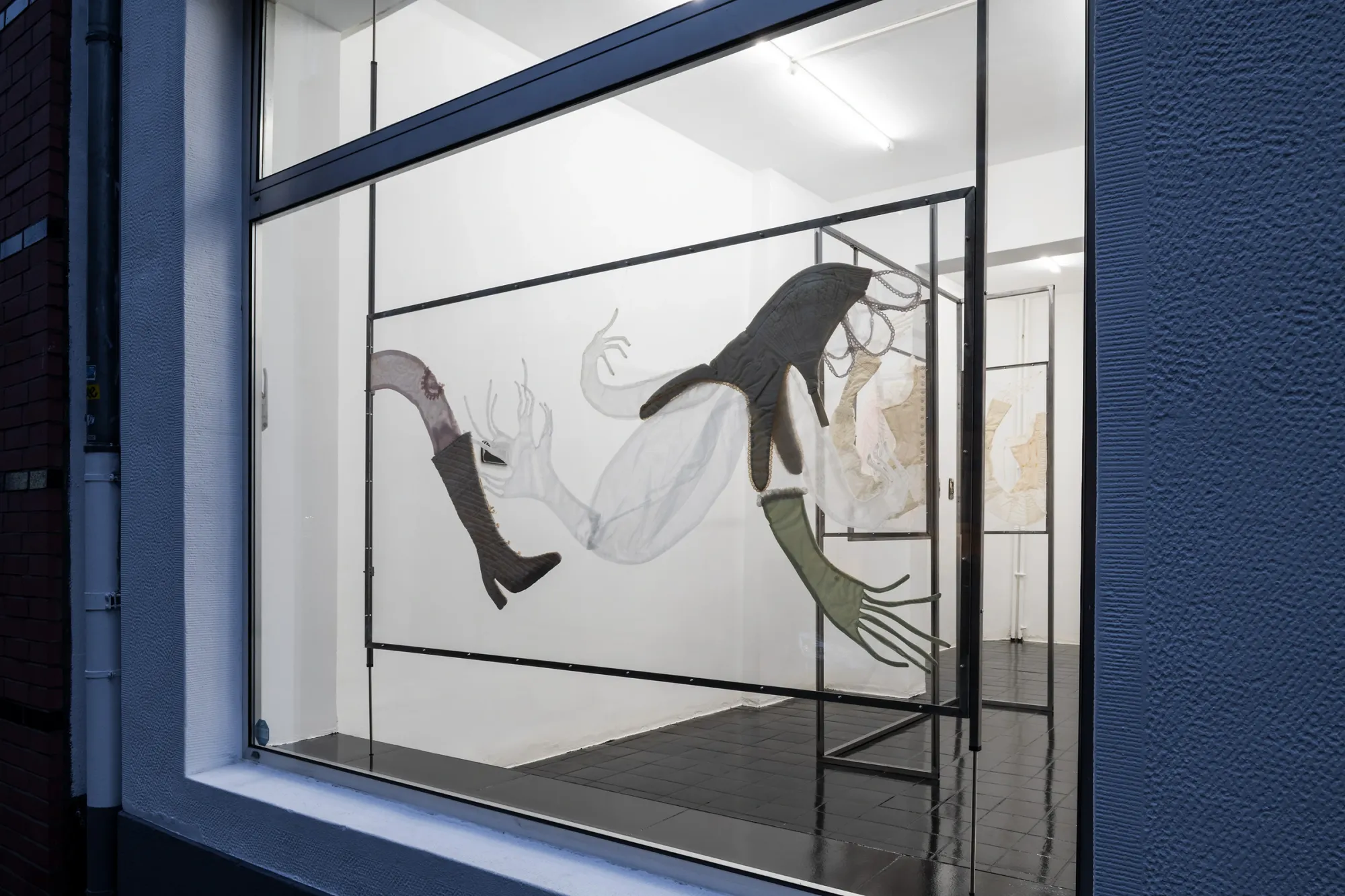
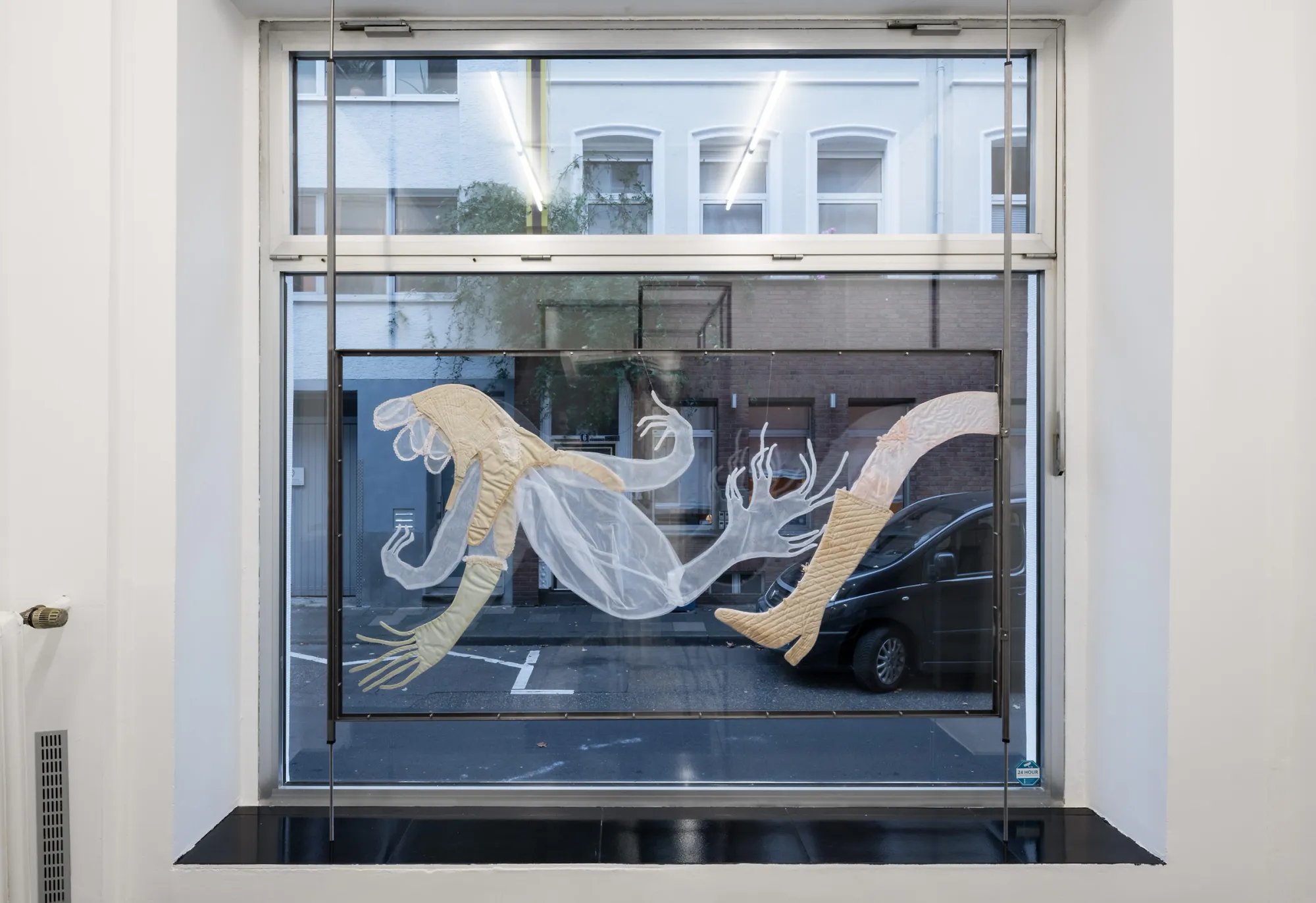
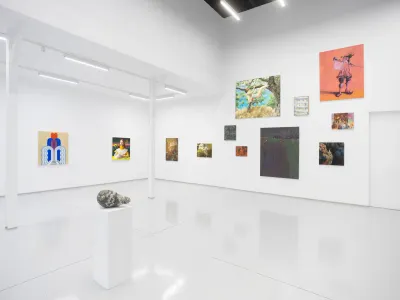
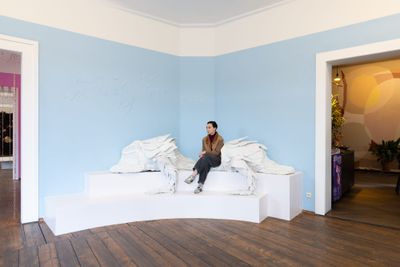
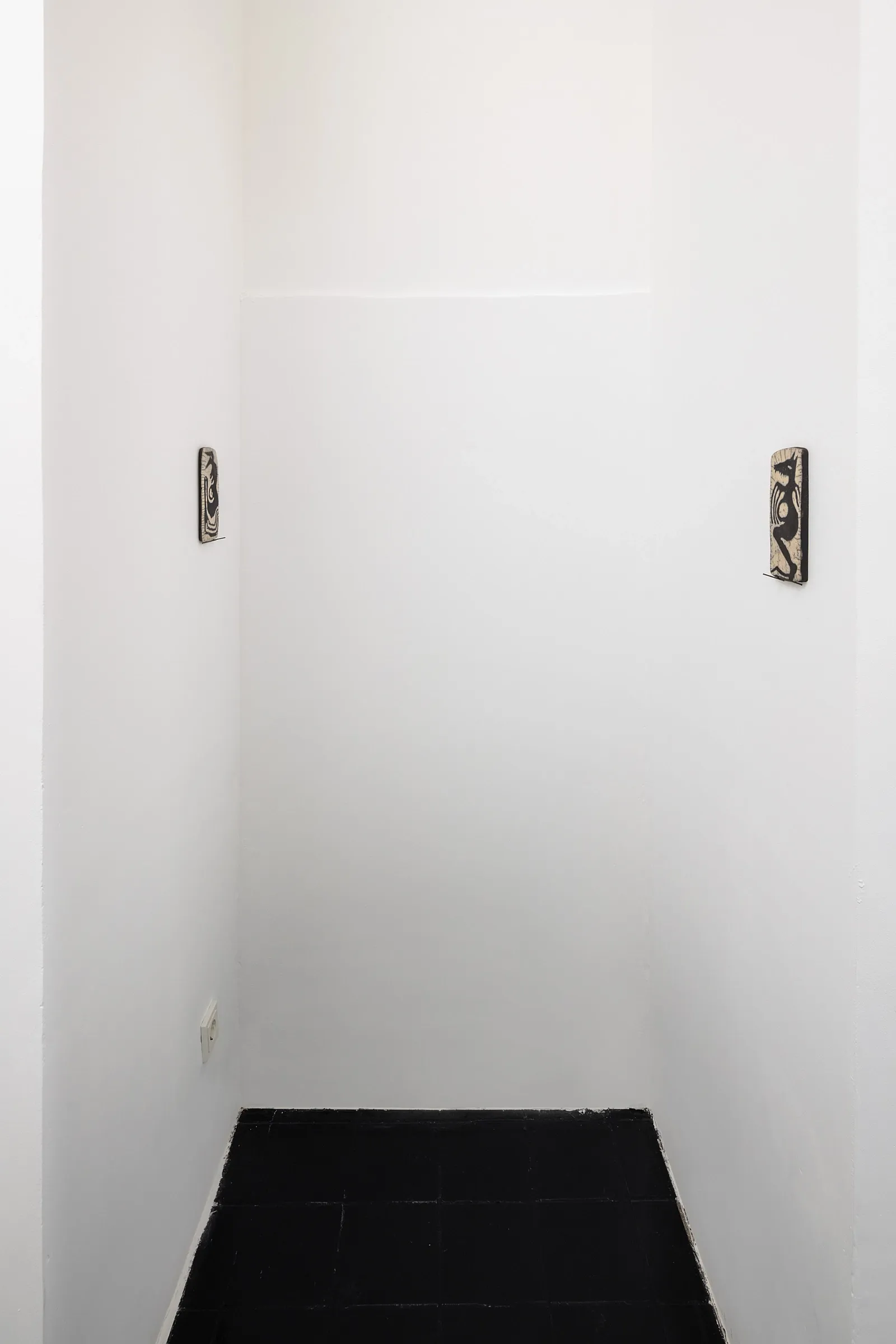
At buvac contemporary in Cologne, the exhibition brings together textiles from 2026 with raku ceramics dating from 2020 and 2023. stay, stray, stay runs through 17 January 2027.
Exhibition Text by Larissa Kikol
Emmélie Lempert’s works move between textile art, sculpture and painting. Her practice is united by themes of bodily transformation, constructs of female identity and surreal mutations between humans and animal-like beings.
The exhibition title stay, stray, stay refers to remaining in and straying from states, to a rhythmic process of change, of drifting away, returning and remaining open. This is where Lempert’s physical beings reside. Behind the glass panes, her textile objects seem to float.
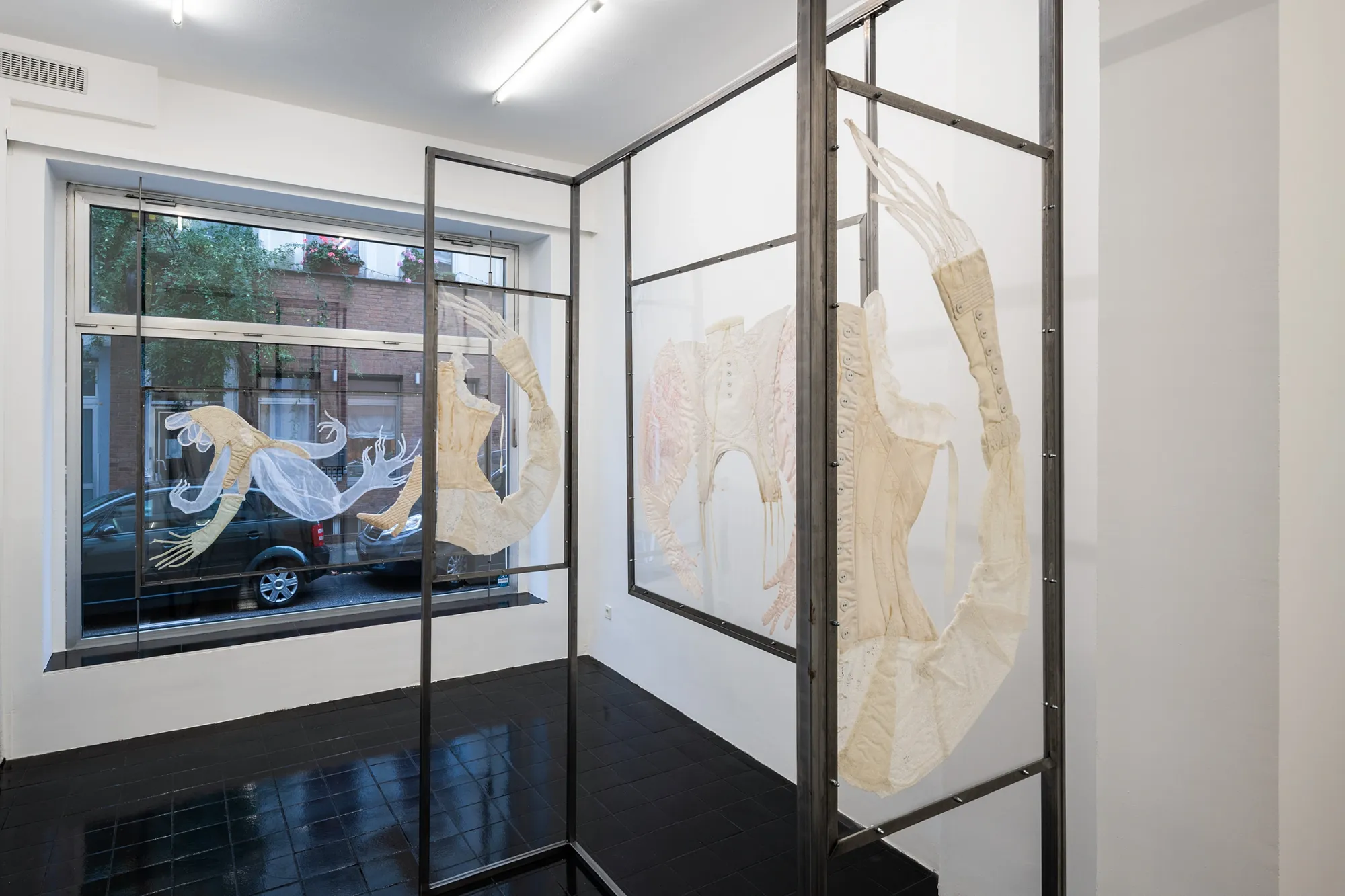
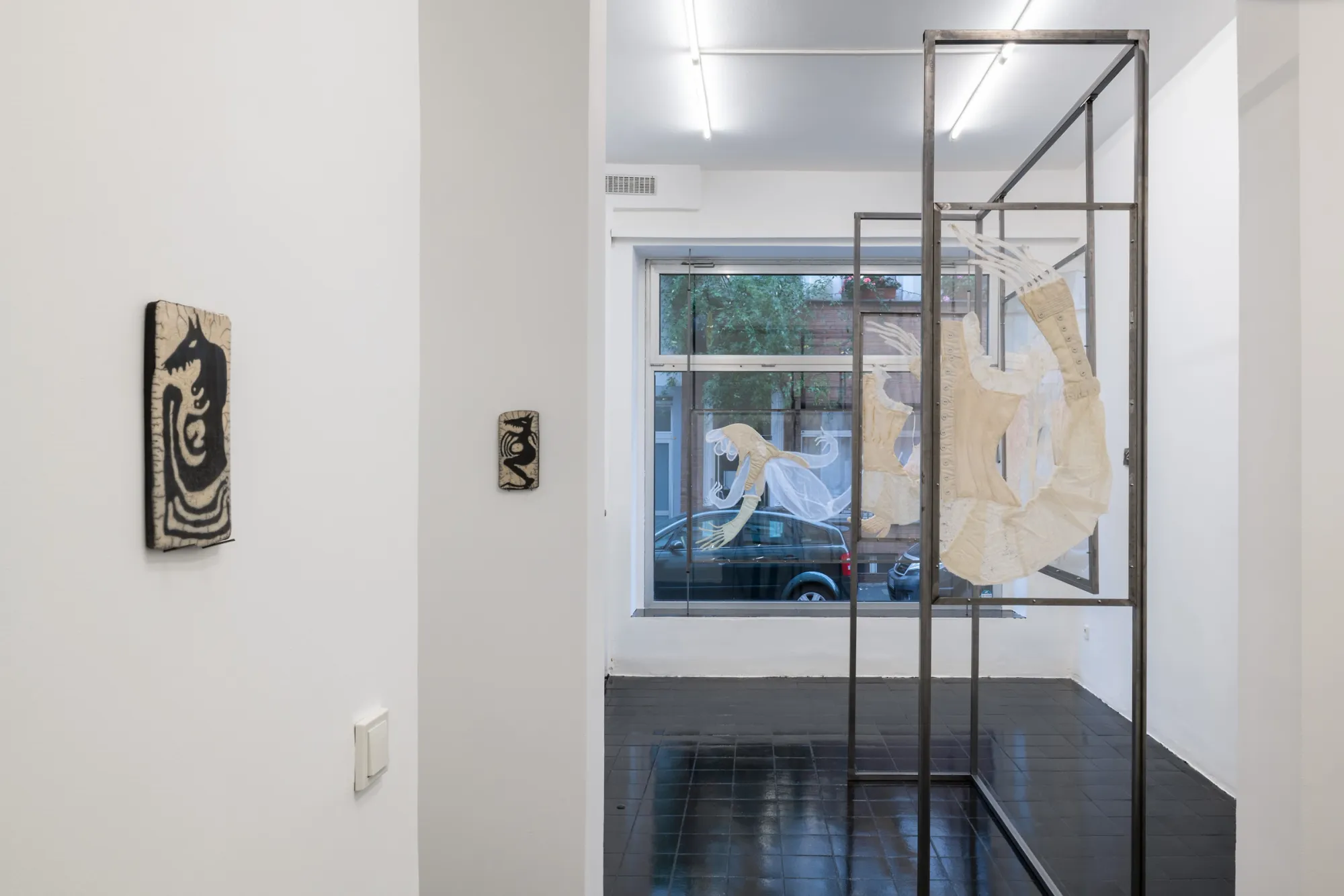
They recall many-armed octopuses, historical costumes and alien-like female bodies. Without strong colours, contrasts or superficial outcries, the works seem to whisper, unfolding magically like a shadow play without shadows. Lempert’s language is made up of words like delicate, organic forms; her grammar is tone on tone, and seams, creases and folds open up the contexts of meaning.
She sews every garment herself. These are pieces usually felt directly against the skin, such as underwear, shapewear, gloves or nightwear. “They already carry within them ideas of how a body should be shaped, covered, disciplined or presented.” The pieces have been worn, used and in some cases slightly soiled. Dirt, stretching, tears and particles of earth remain.
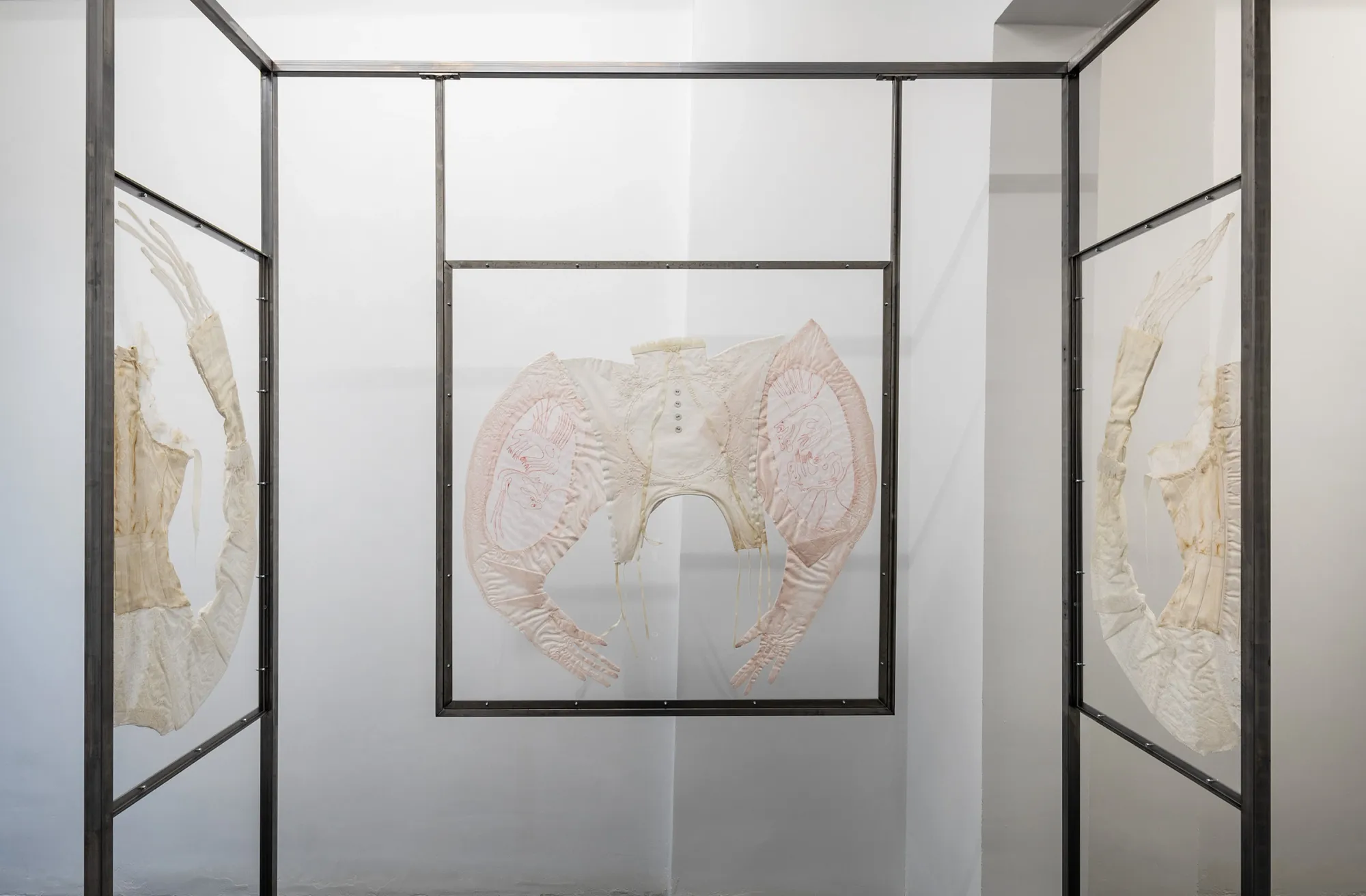
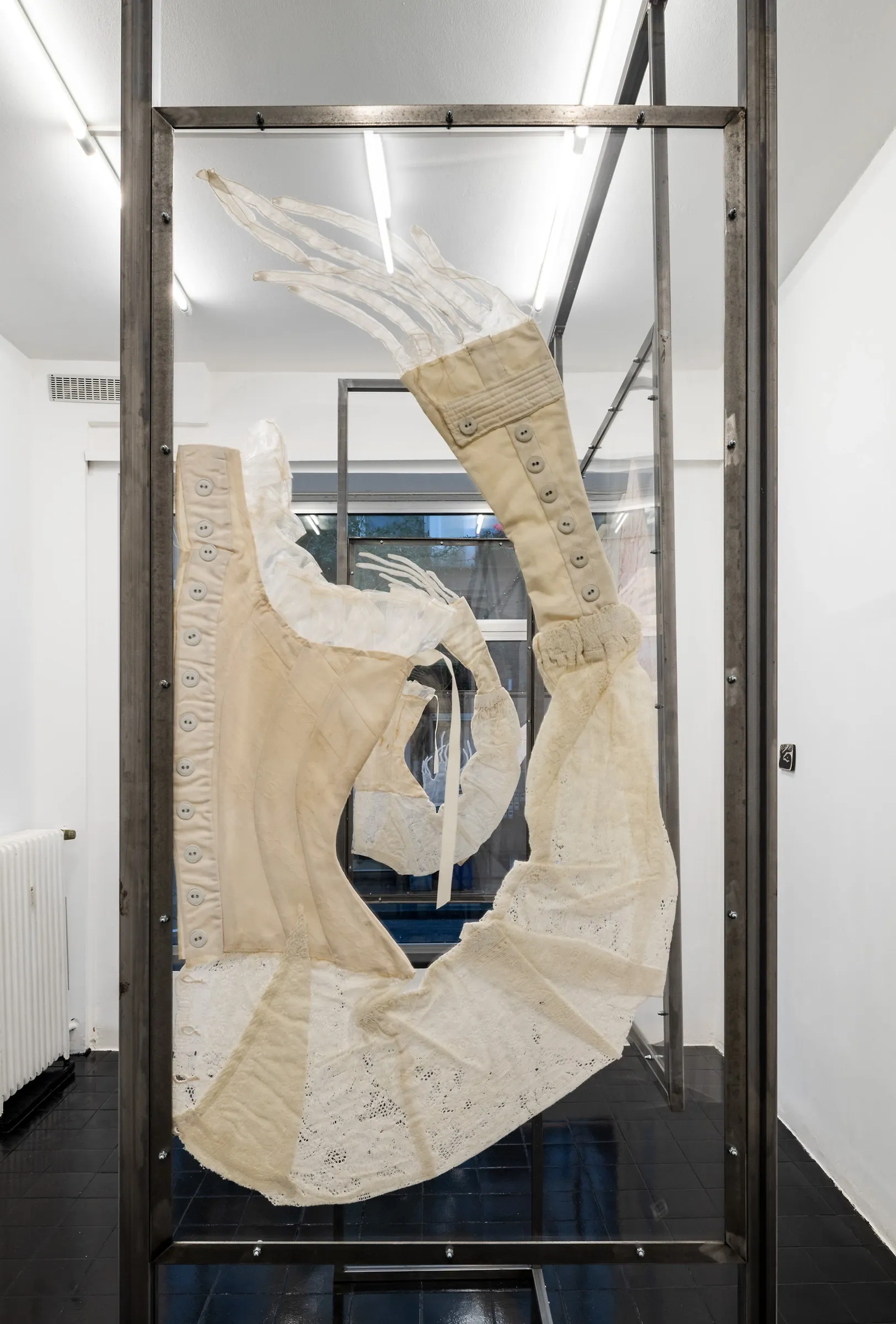
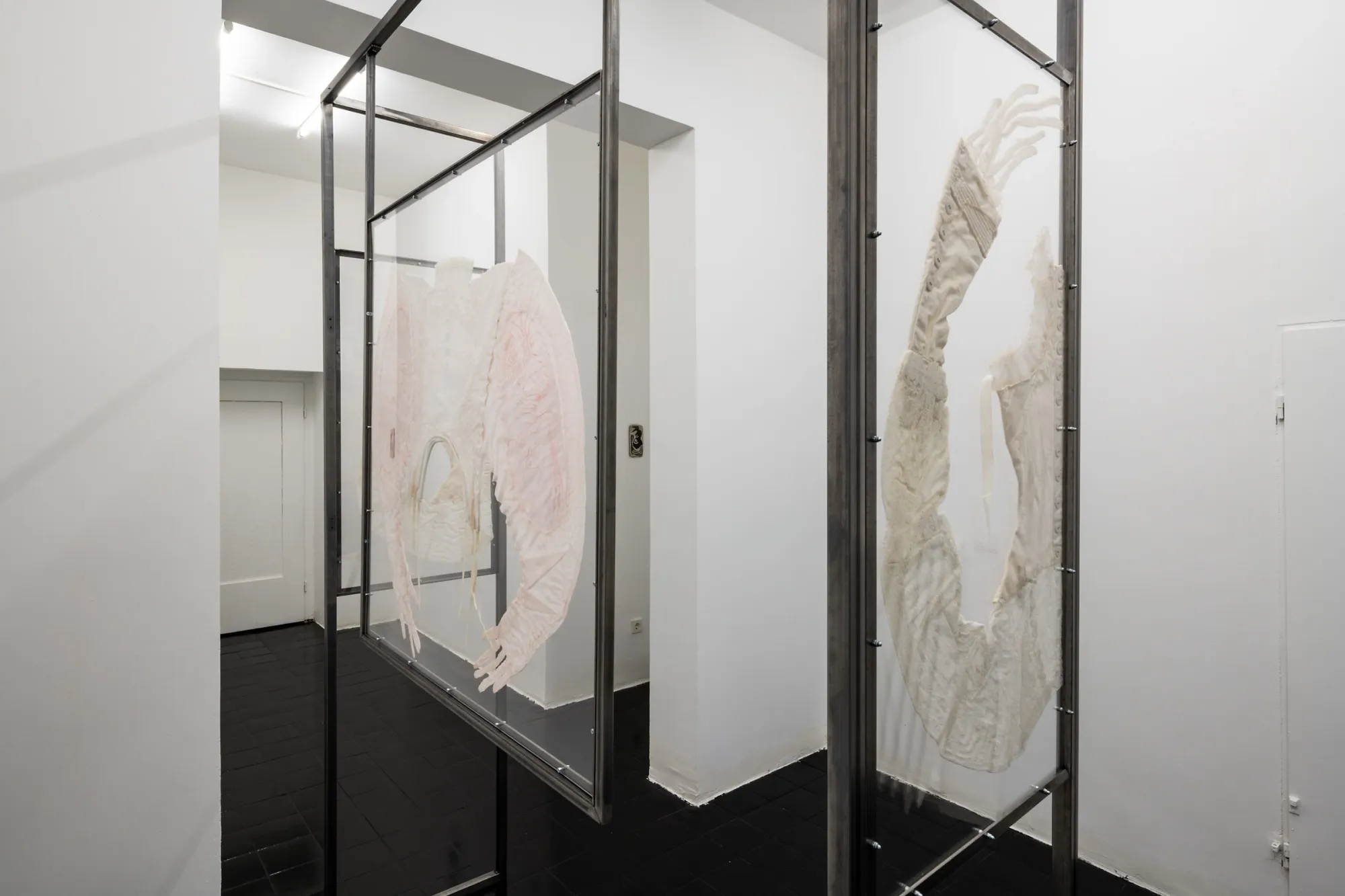
Neither practical nor “fashion” – these pieces are not made to serve ideals; they are fragments somewhere between bodily references and autonomous objects. In this state, Lempert places them in their final arrangement between glass panes.
As in examination under a light microscope, where a specimen is placed or dripped between slide and cover glass. This fixes it and presses it into a wafer-thin, even layer that lets light through, so that cells, pathogens or viruses, for example, can be analysed. Presented in this way, removed from bodies and everyday use, Lempert’s textile bodies likewise take on a new objectivity that invites an investigative gaze.
When all volume is withdrawn, when the wearers disappear, these distorted garments awaken to an independent aesthetic.
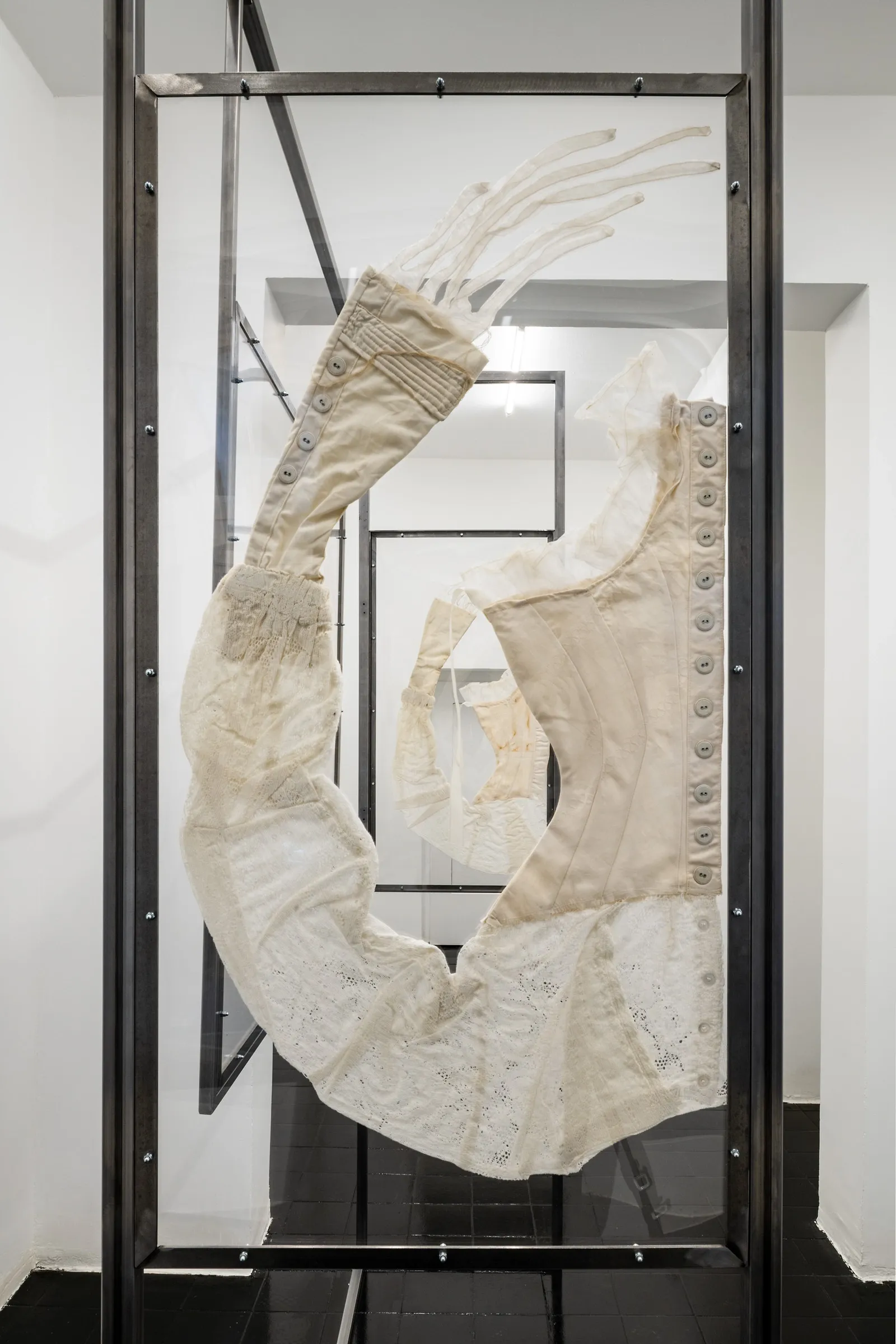
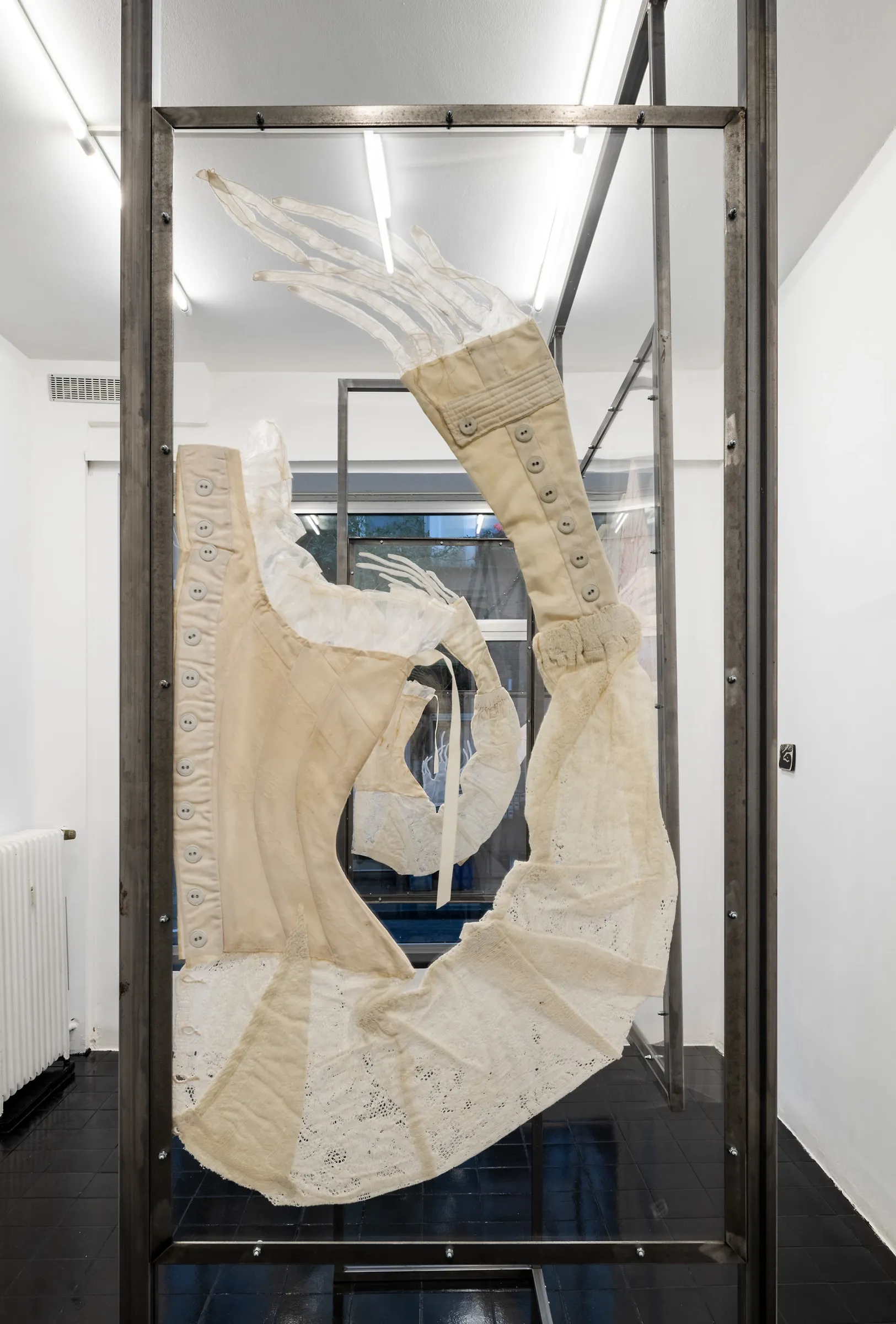
Emmélie Lempert, stay, stray, stay, textile work in steel and glass frame, buvac contemporary, Cologne, 2026. Photo: David Ertl. Courtesy of buvac contemporary and the artist.
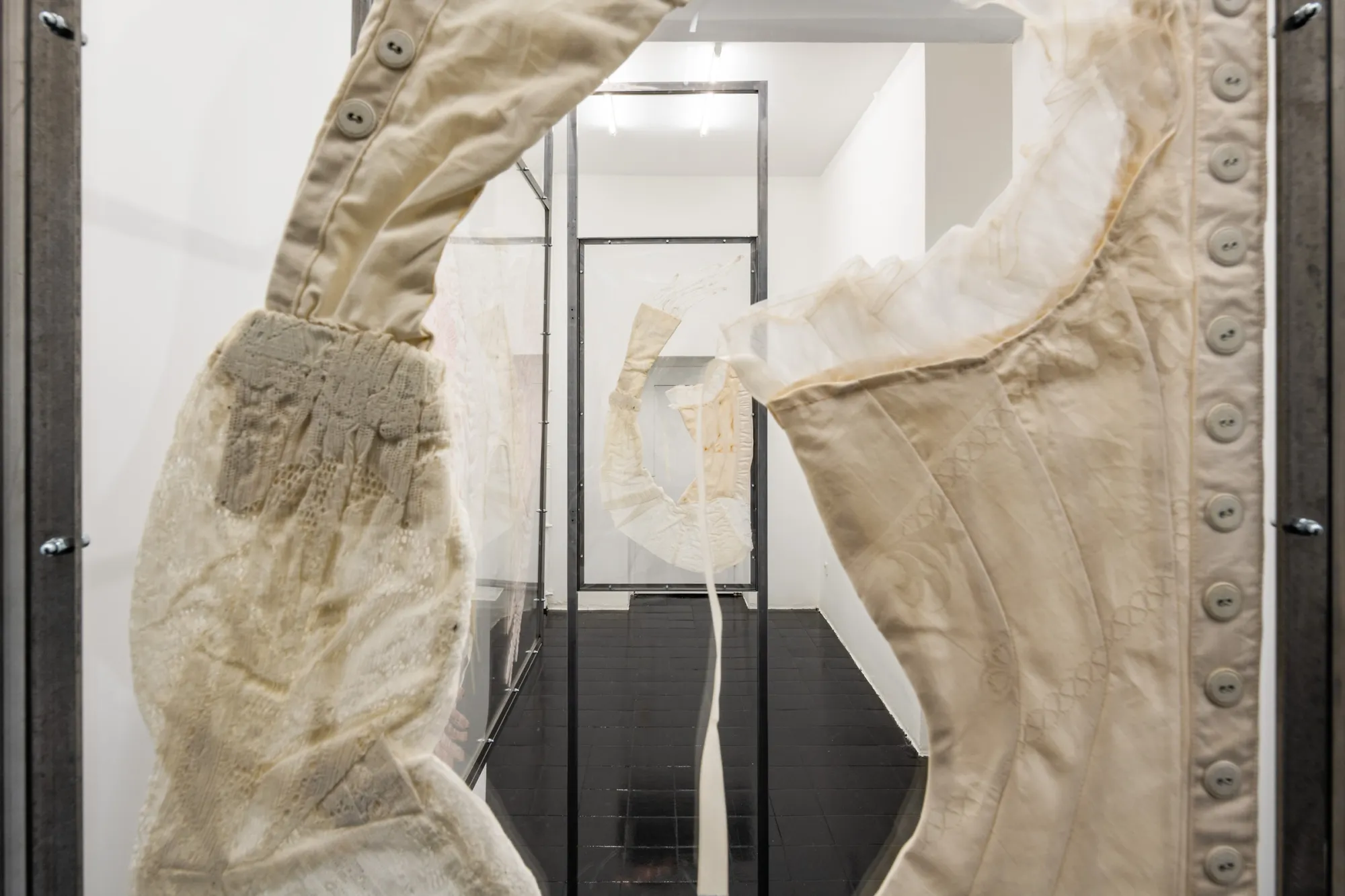
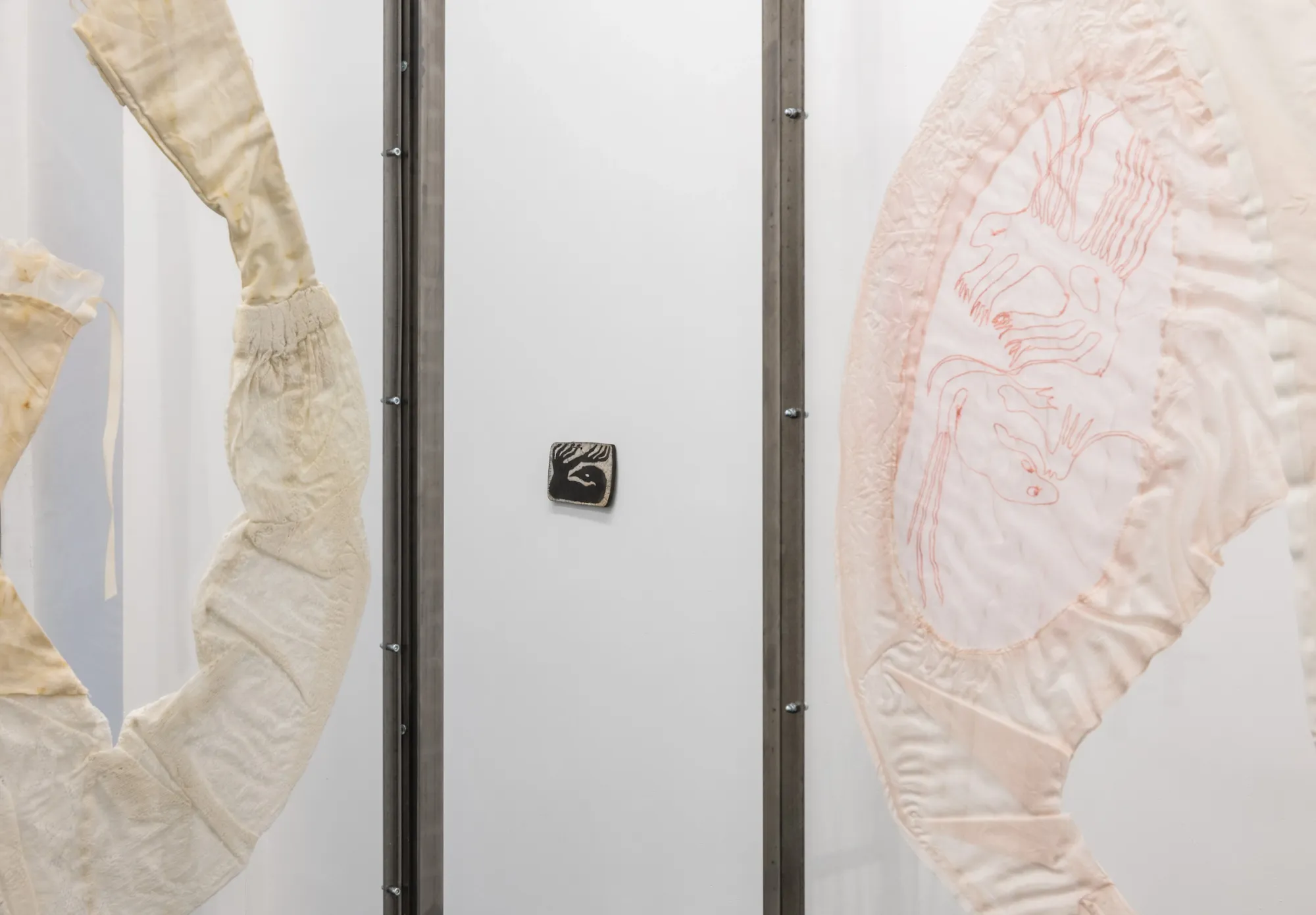
And this reveals how closely animal and human bodies can lie together – indeed, how quickly a fold, a twist or an extra finger can destabilise what we took to be our outward identity. The ceramic works show animal-like figures, like fossil imprints from mystical times, or rather like ritual tributes to higher beings and goddesses. These beings live with multiple limbs and enchanted bodily distortions, as if they were a genie seeking its way out of the bottle into freedom, stretched in the process. “The figures emerge intuitively from the question:
How does a particular bodily state feel, and what form or gesture could embody it?” as the artist puts it. Some of them have a round belly in which an embryo is growing. The fertility of these mother-beings nourishes their process of transformation. Physically, of course, but also emotionally and mentally, hardly any other life event changes one’s self as irrevocably as pregnancy.
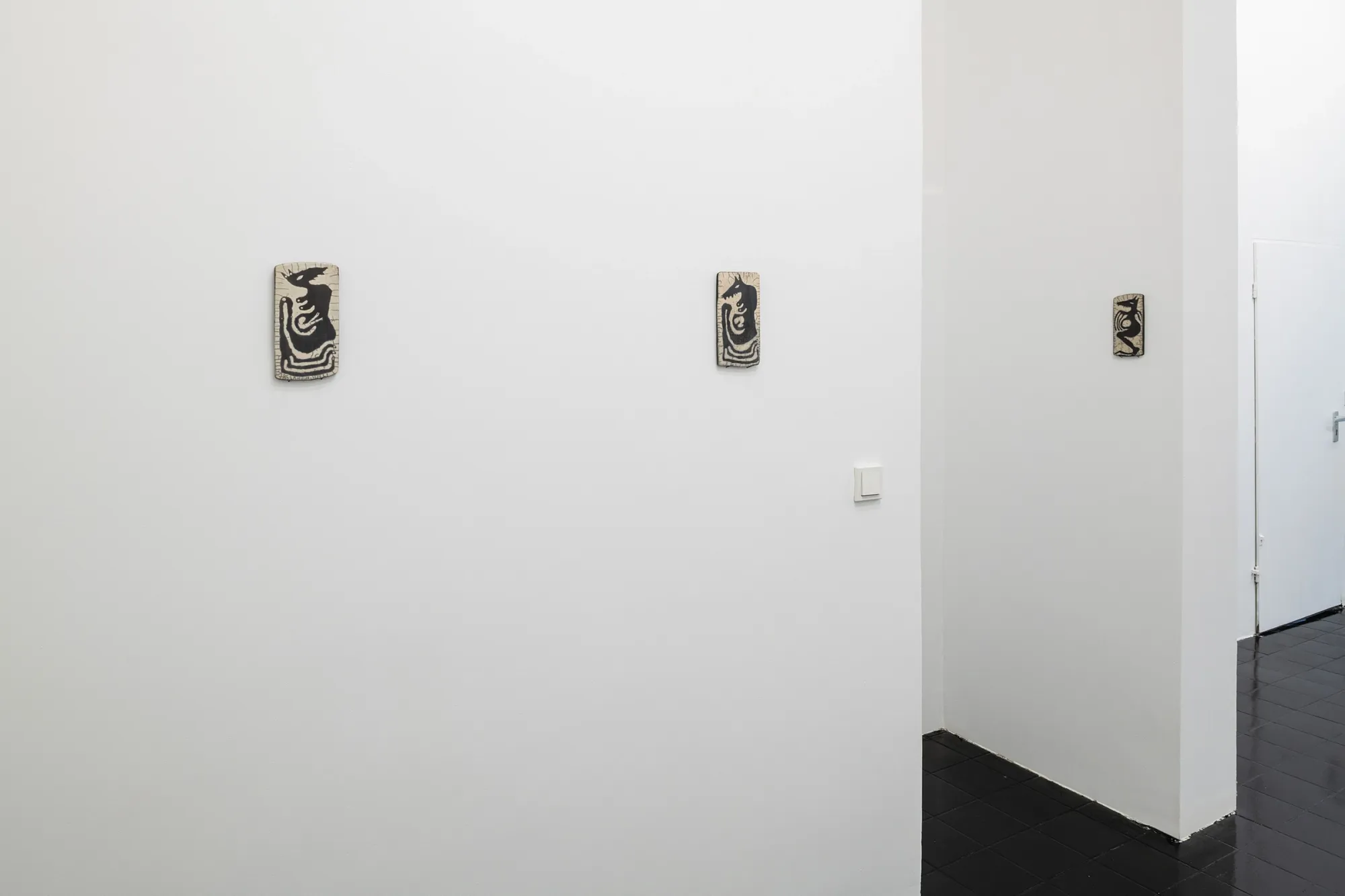
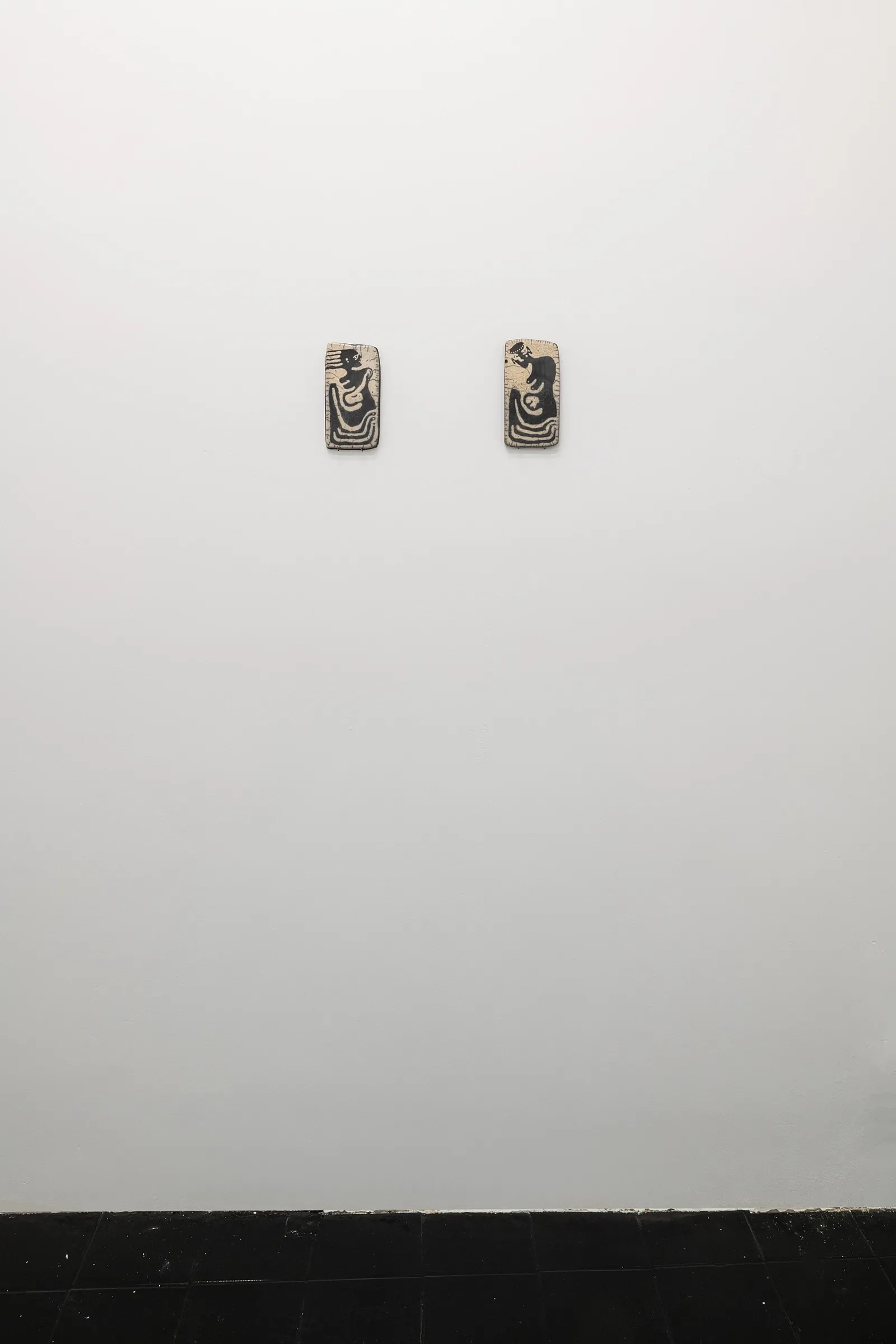
A magical process, yet one that also holds intense growing pains. Other works show a different lineage of figures; they could be surreal insects or animalistic runes. Their bodily growths initially leave open whether they make life more difficult, or whether this is merely an assumption born of our limited imagination.
For in Lempert’s visual worlds, the body loses its familiar anatomical unity, but gains a potential for mutation that seems to adapt even to difficult times. The many limbs might serve to give real form to the deep inner labyrinths, so that the self can reorder itself anew. – Larissa Kikol
German-Czech artist working across textile, sculpture and painting. Studied fine arts at the Kunstakademie Düsseldorf from 2018 to 2024 and graduated as Meisterschülerin of Peter Piller. Received the NRW Förderpreis for artists in 2025 and the Kallmann Prize in 2026.
Website · Instagram
About Catapult Contemporary
This is an exhibition review published by Catapult Contemporary, an independent editorial platform for contemporary art, based in Vienna. We publish exhibition reviews, artist features, interviews, and critical context, with a focus on emerging and mid-career practices from Europe and beyond.
catapult-platform.art ·
Instagram
Want to be featured? Submit your work →
No spam, no sharing to third party. Only you and me.