Devotion Begins Where Function Runs Out

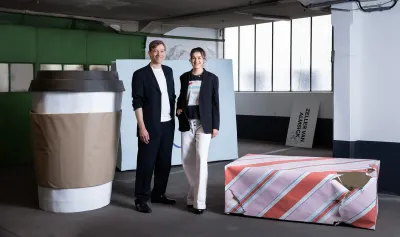
Object of Devotion at Skånes Konstförening Malmö with Ville Laurinkoski and Matti Sumari
Skånes konstförening presents Object of Devotion, curated by Tawanda Appiah, through 14 June 2026.
A ventilation duct does not usually ask to be looked at. Neither does a bookshelf, a urinal divider, or a stretch of scrap metal left to rust behind a factory.
Here, all of them do, worn surfaces first, meaning arriving late if it arrives at all.
Ville Laurinkoski, Matti Sumari
Object of Devotion
Skånes konstförening
Malmö, Sweden
–
Wed–Fri 13:00–17:00, Sat–Sun 12:00–16:00
Bragegatan 15, 214 30 Malmö, Sweden
Tawanda Appiah
LCB, Ville Laurinkoski
Courtesy Skånes konstförening, Ville Laurinkoski, Matti Sumari
info@skaneskonst.se
Devotion, in this context, means something closer to return than to reverence.
The same gesture gets repeated on different material until the material starts answering back.
What gets left over from that repetition, weld marks, dents, glue residue, becomes the actual subject.
An object of devotion is not chosen once. It is chosen again every time someone bothers to pick it back up.
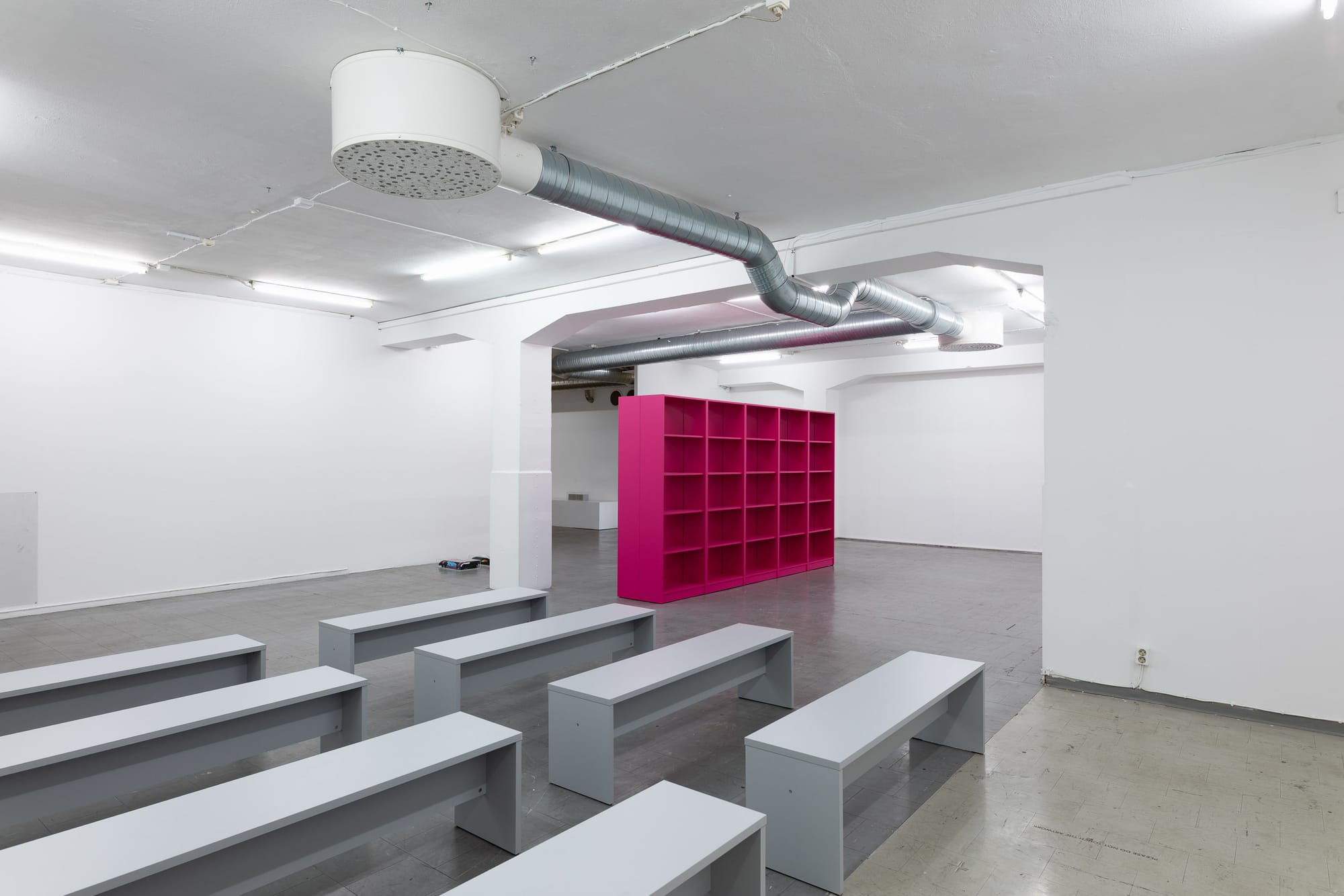
Skånes konstförening occupies the upper floor of a former textile mill in Malmö, a building whose own ventilation system, exposed pipework running along white ceilings, becomes an unplanned accomplice to the show.
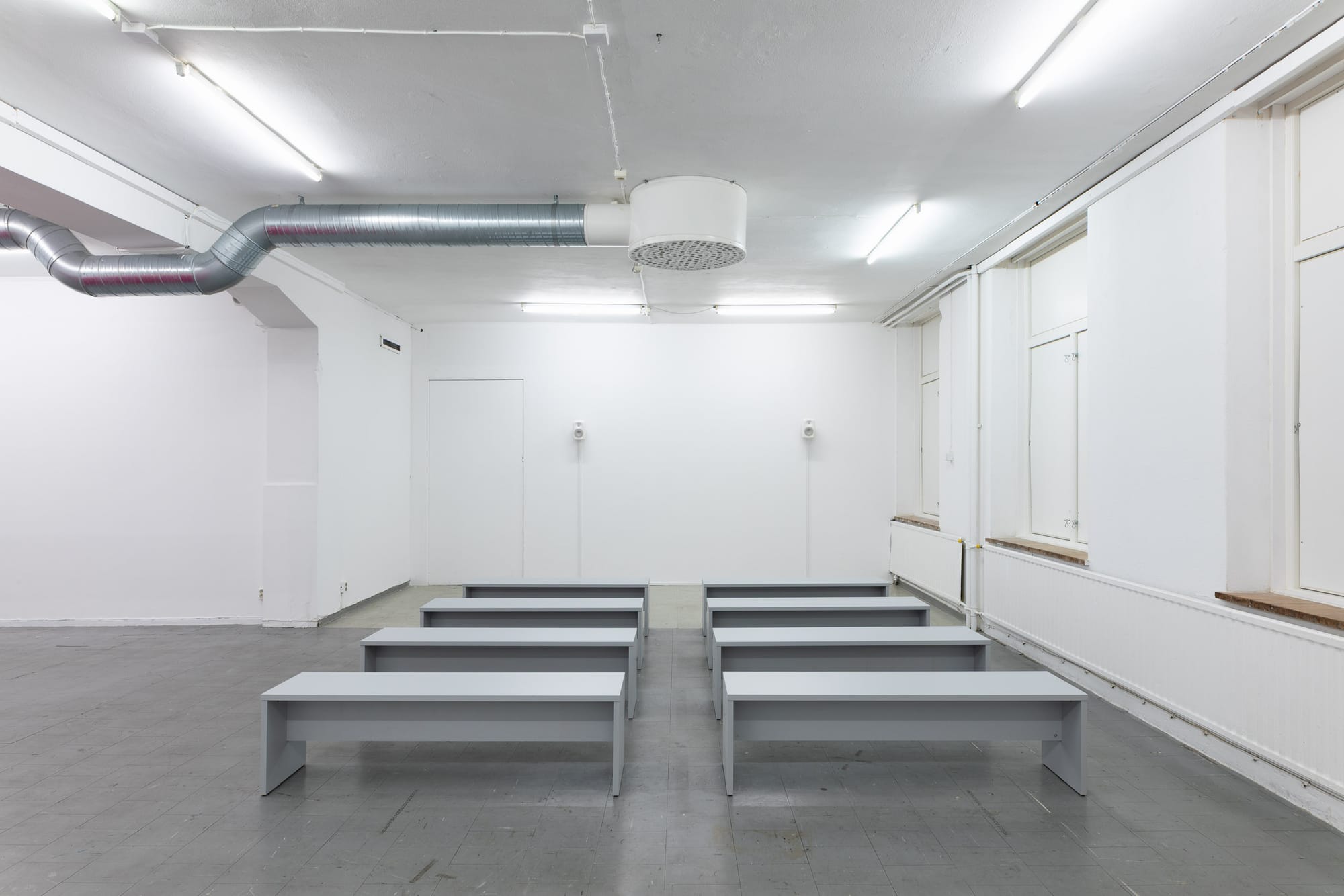
The rooms are plain, the floor grey, the light even. Nothing about the architecture asks to be noticed, which is exactly why the industrial material inside the works keeps catching the eye instead.
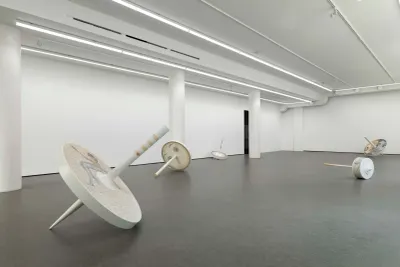
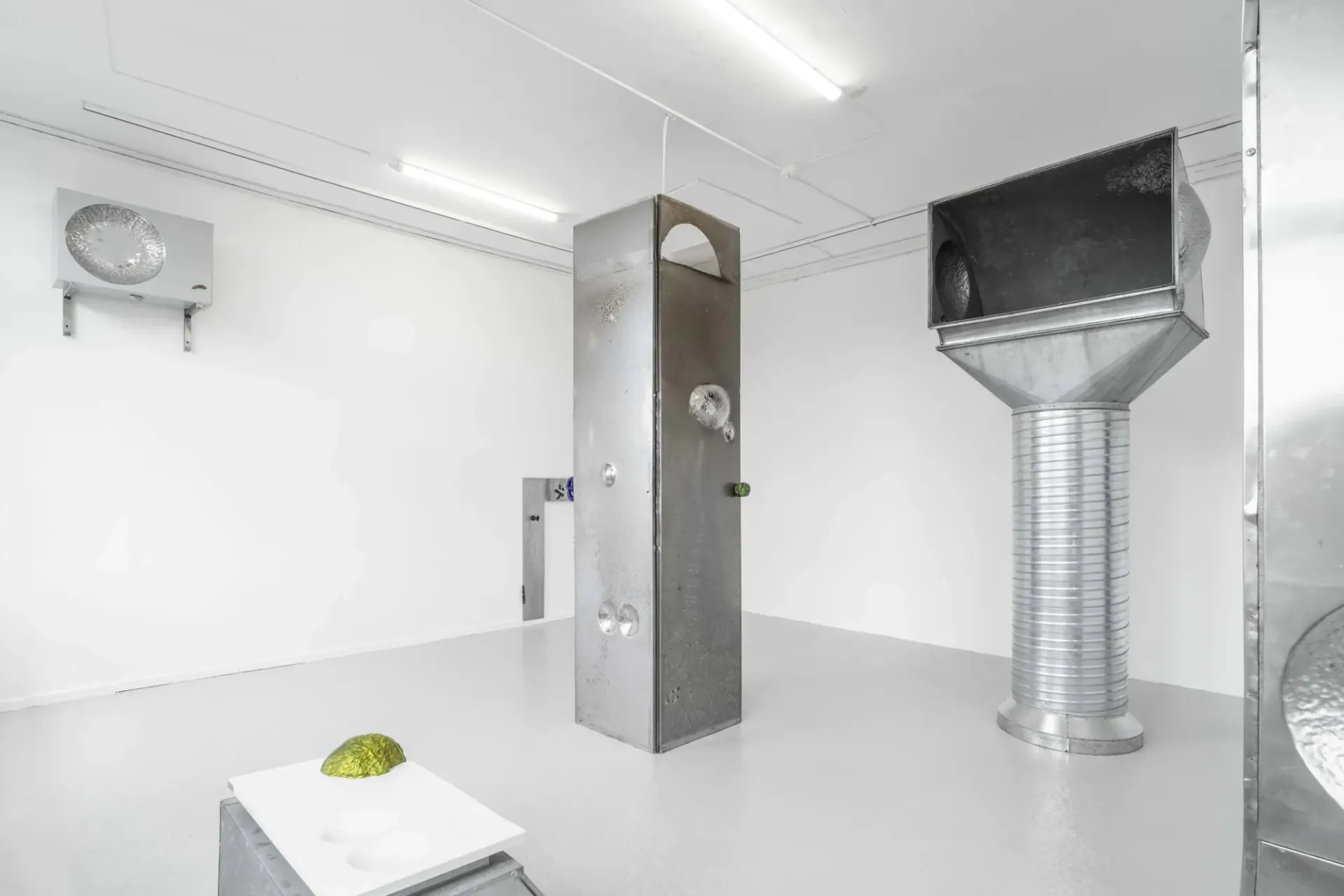
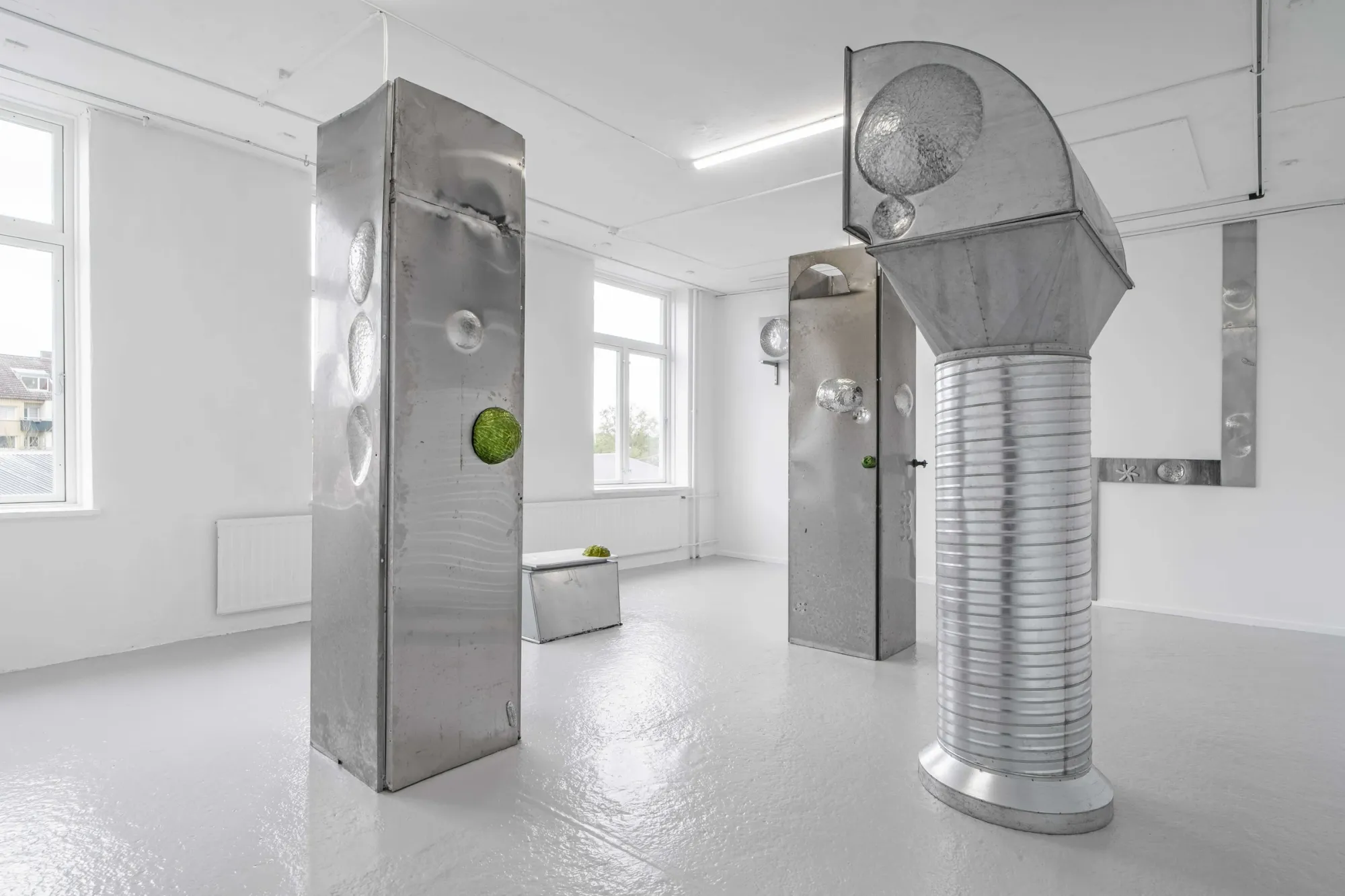
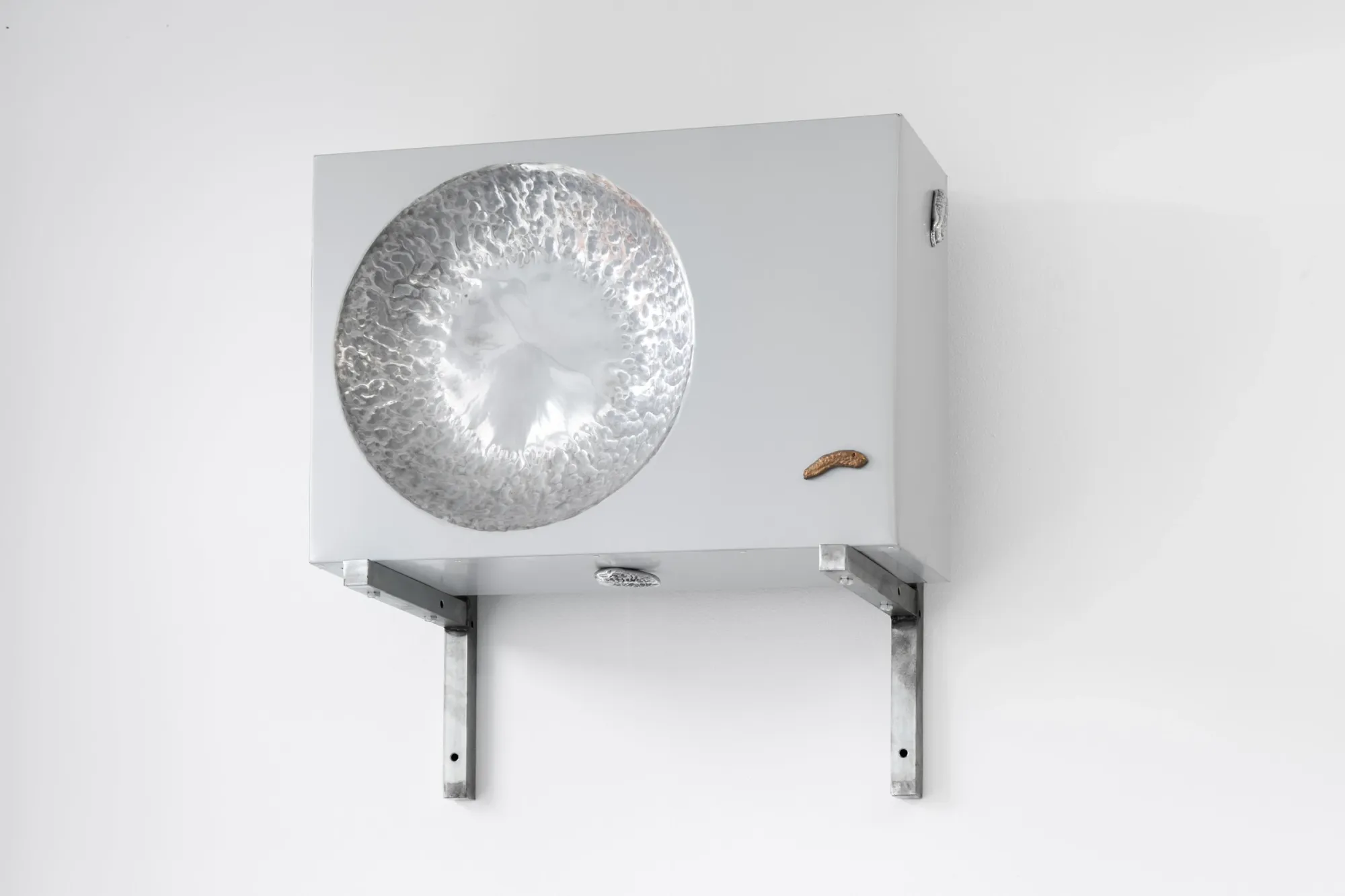
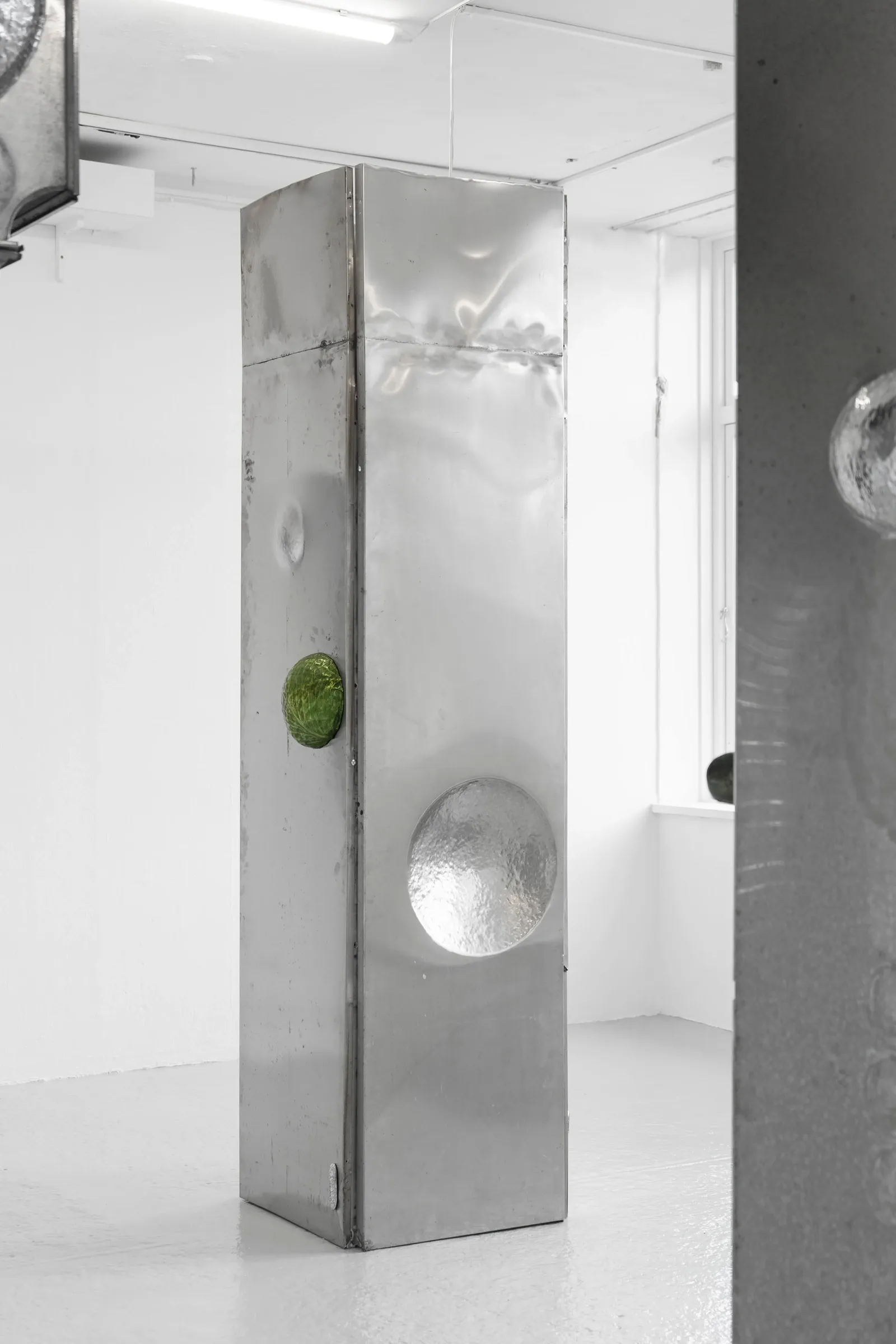
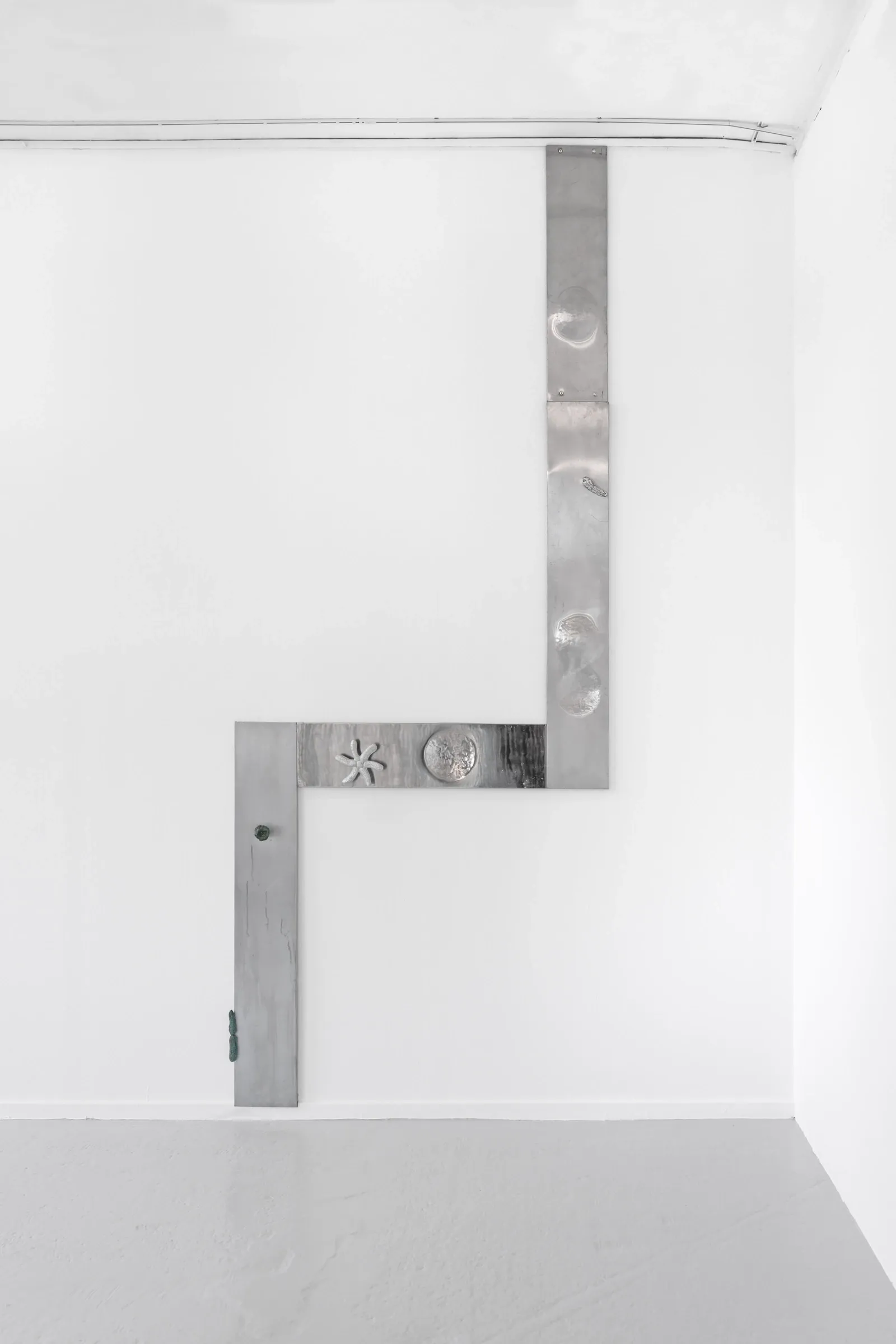
Sumari's We can’t sing but we do gathers ventilation infrastructure, stainless steel, anodised aluminium, bronze, and found materials into a cluster of standing, faintly anthropomorphic forms. A ribbed steel tube widens into a duct elbow that bends overhead like a head turning to look.
 Catapult Submissions Team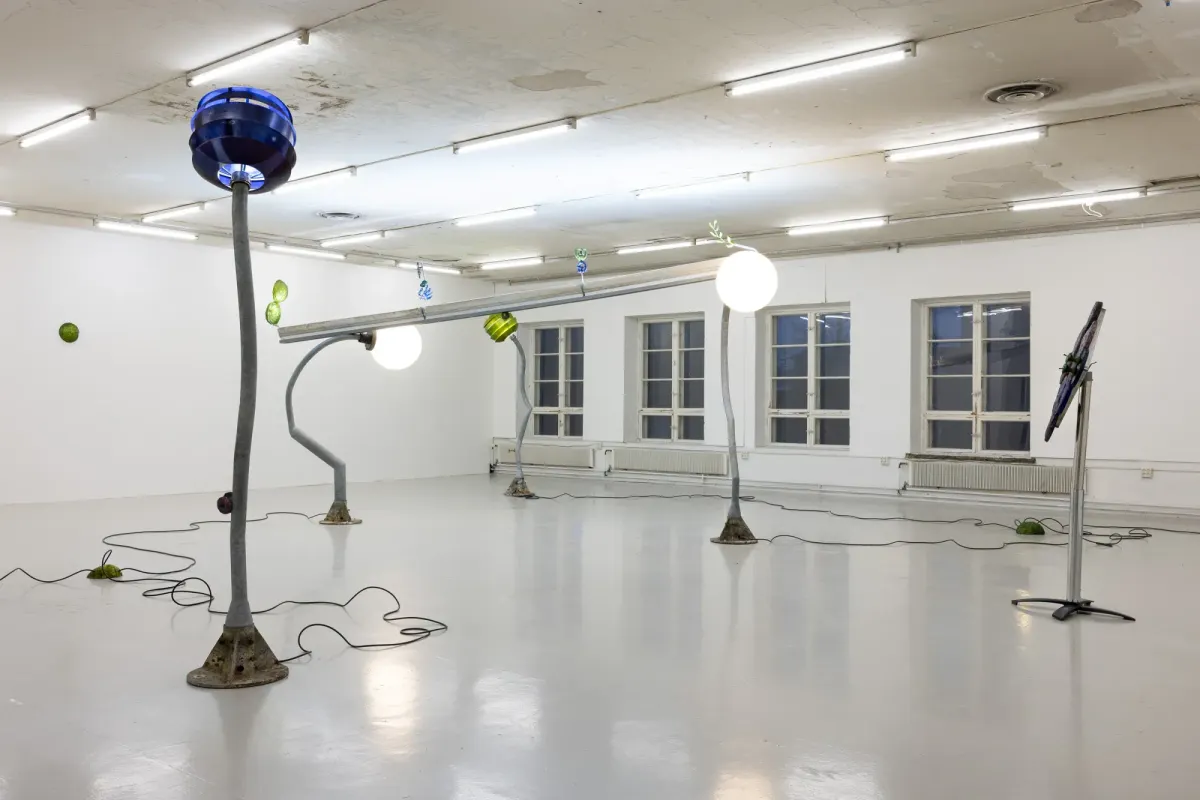
Previews Exhibiton - Matti Sumari
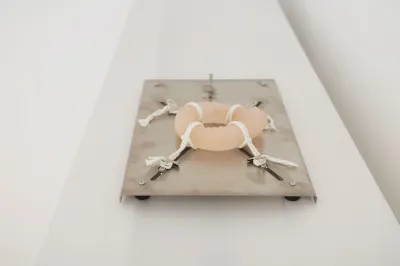
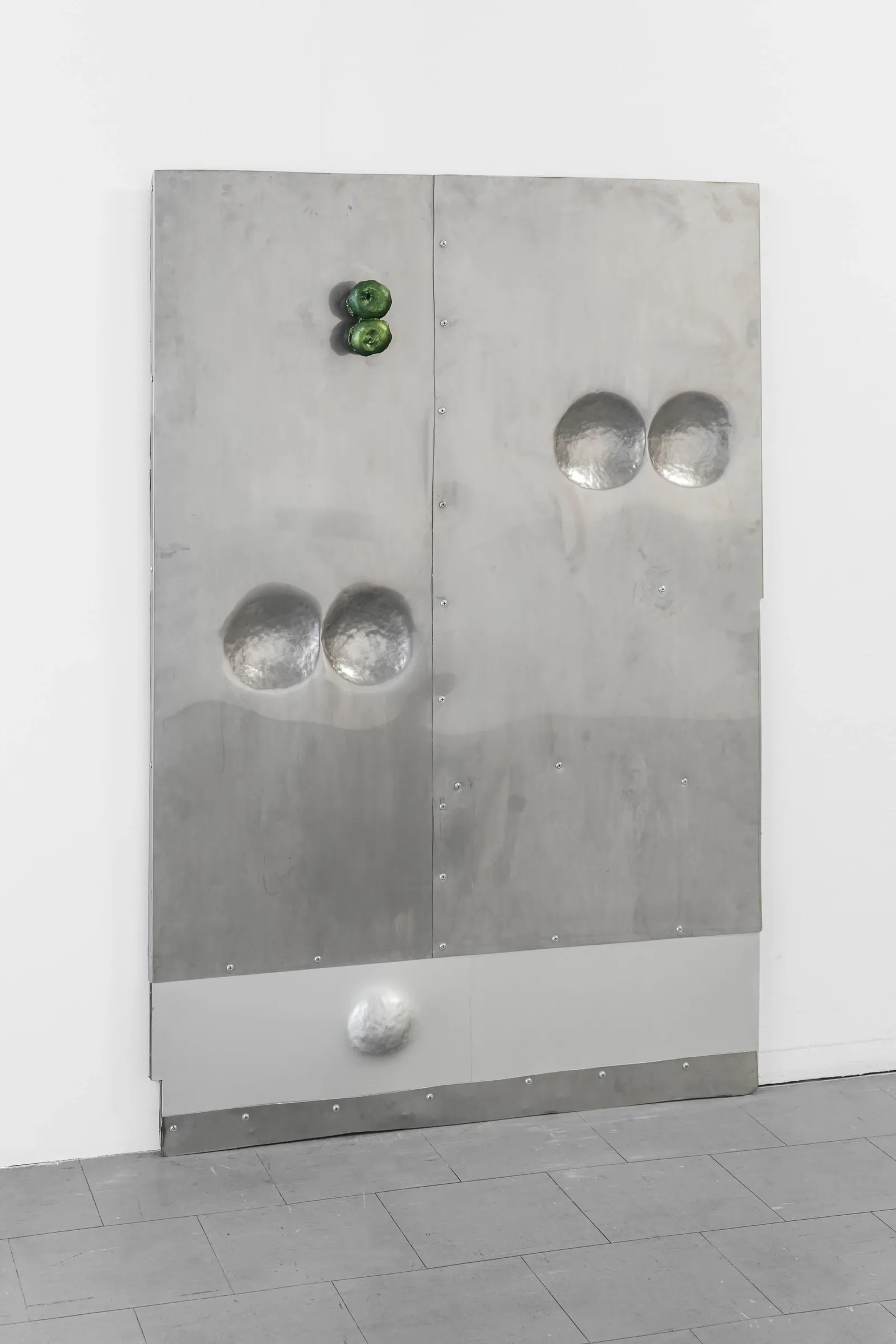
Dented aluminium panels lean at angles, pocked with small circular impressions, some smooth, some crusted white, as if the metal had weathered before it was ever art. Tiny cast elements, a nub of green patinated bronze among them, punctuate the larger surfaces, small enough to require getting close.
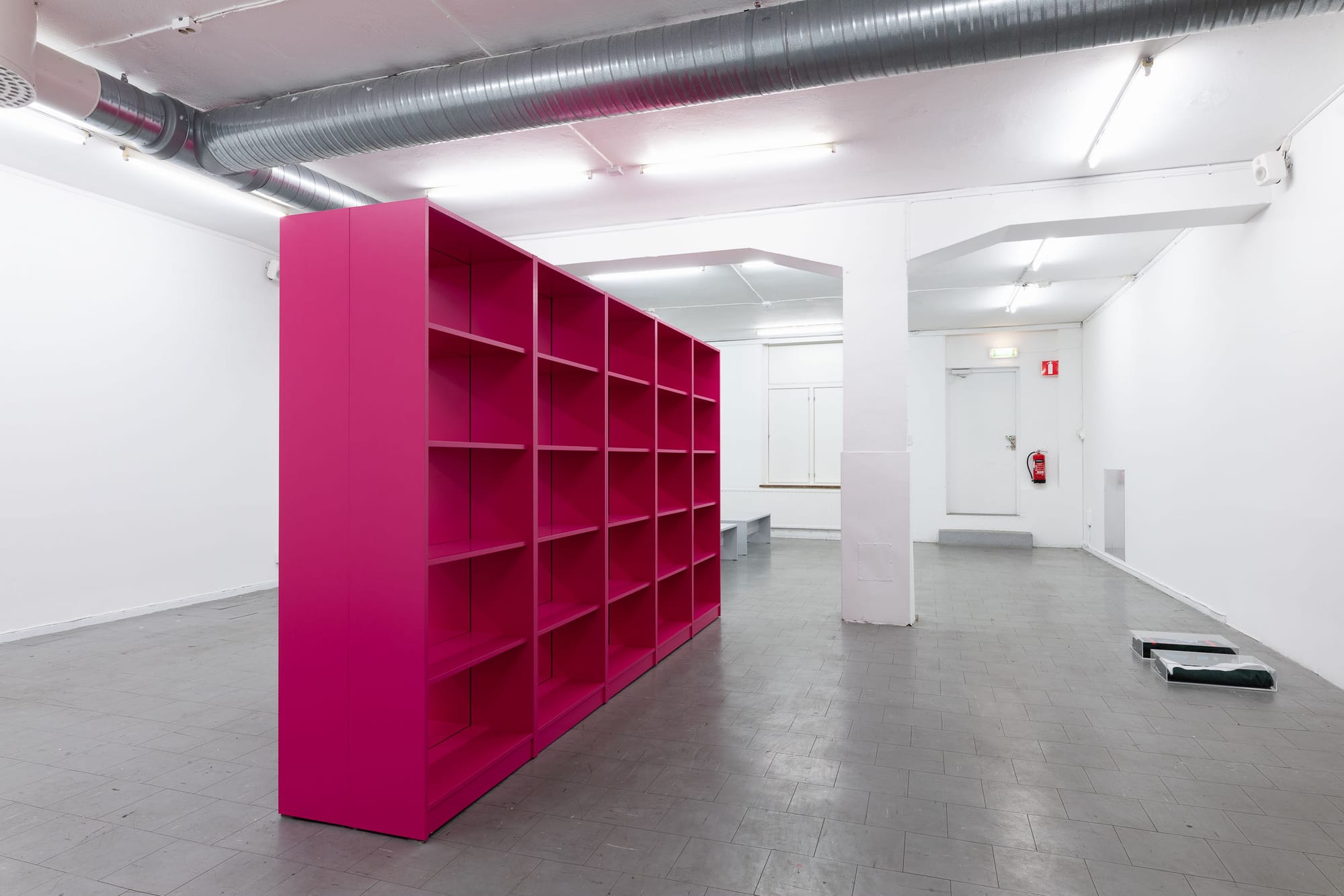
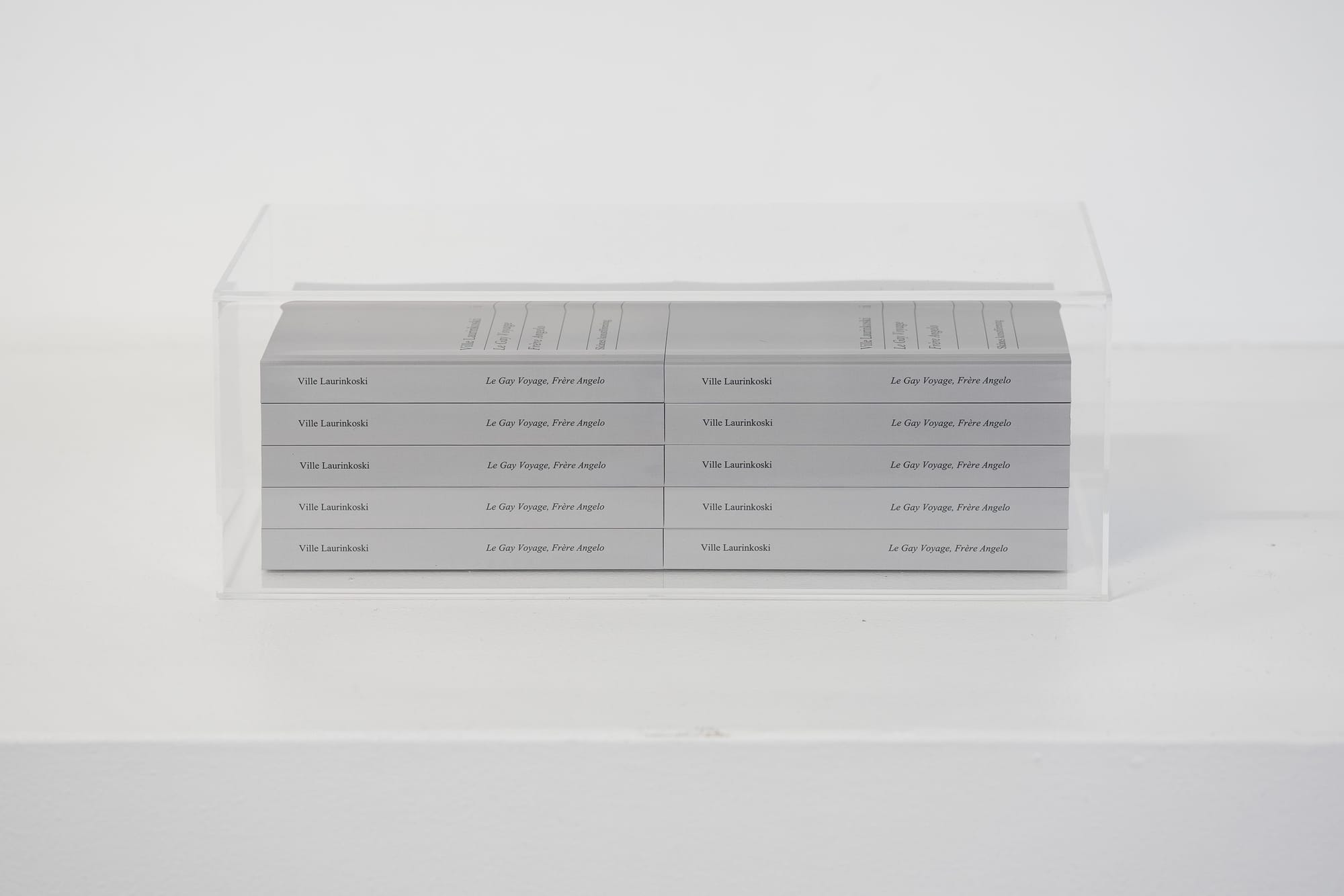
Laurinkoski's contribution, gathered under the title Le Gay Voyage, Frère Angelo, turns domestic and public furniture into a stage set. A run of bookshelves painted an unapologetic magenta stands empty, its grid of compartments repeating down the room like a filing system for nothing in particular.
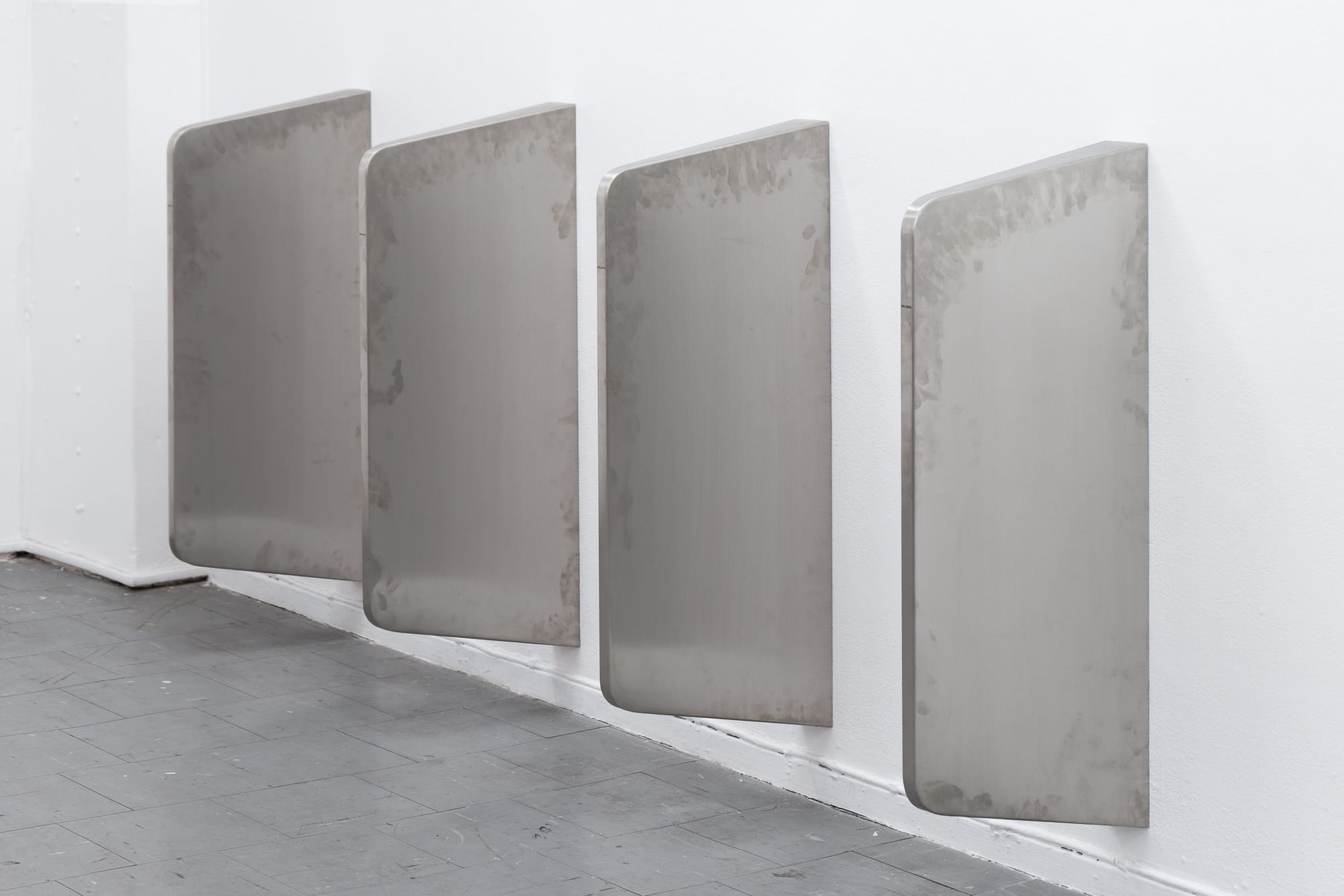
Nearby, stainless steel partitions of the kind found in public restrooms lean against the wall at a slight tilt, brushed metal catching whatever light the windows allow.
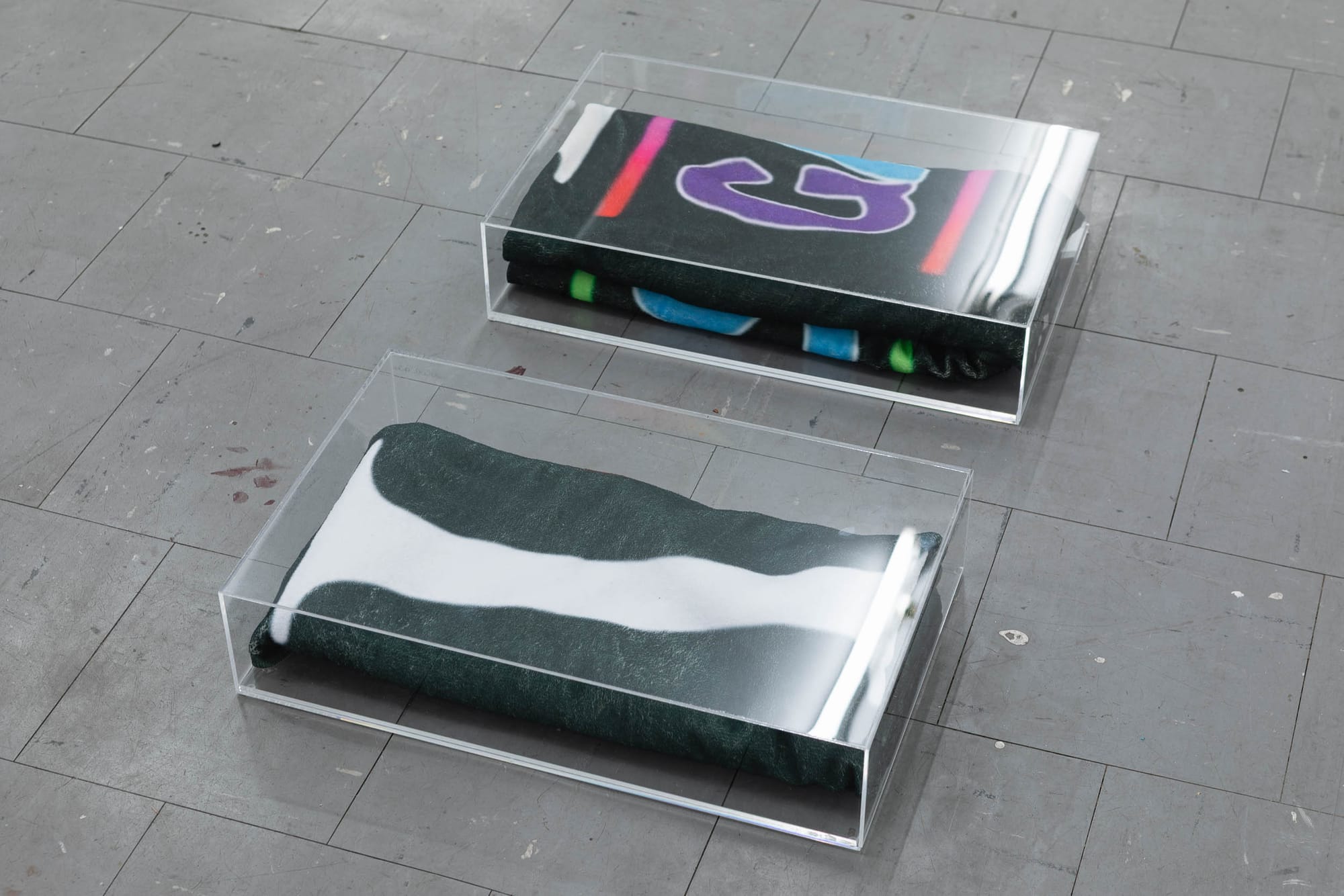
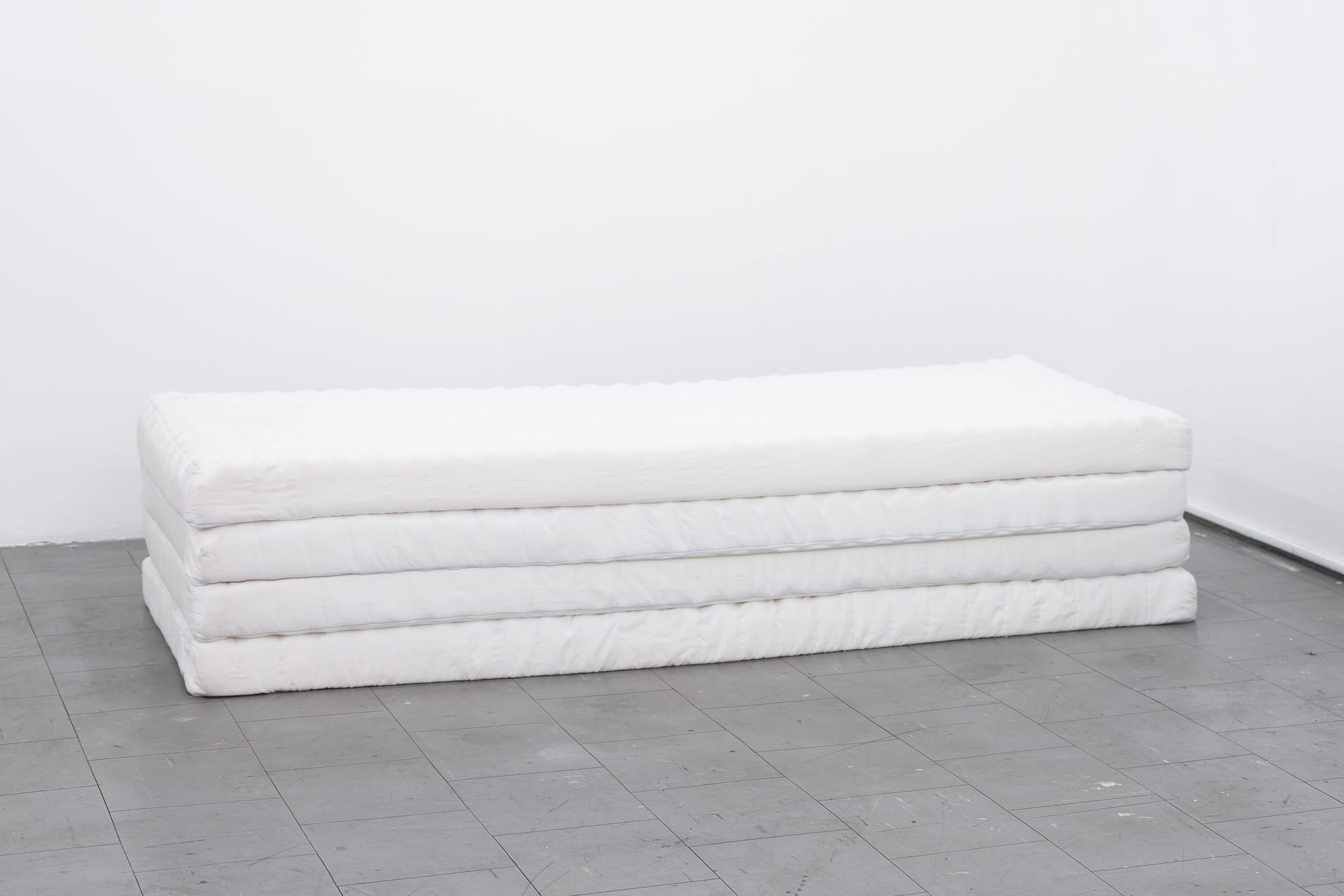
Foam mattresses, vitrines, books, towels, sound, and performance extend the installation beyond furniture into a larger choreography of use, memory, and return. The furniture stays recognisably what it was built to be, which is what makes its presence here feel deliberate.
A third element runs underneath the first two without merging with either. Evankeliumi, a Finnish youth hymn, loops somewhere in the building, folded into a voice reading fragments of Guy Hocquenghem's writing on the AIDS epidemic and its Christian imagery.
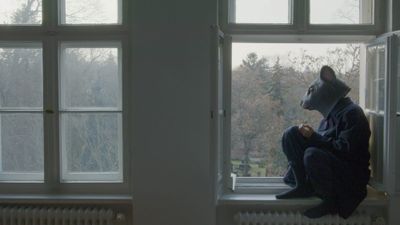
Laurinkoski's performance Les voyages et aventures extraordinaires du frère Angelo activates that material through voice, lecture, and staged presence. The work is illegible from a distance and specifically queer up close.
Malmö's post-industrial edges, the landfill, the disused ketchup factory where Sumari keeps his studio, are not backdrop here so much as supply chain. That a European city still produces enough functional waste to build sculpture from says something about consumption on its own.
Laurinkoski works a different kind of leftover, a novel written during the AIDS crisis, a hymn from a Lutheran childhood, furniture designed to organise or separate bodies.
Both artists take what a system finished using and ask what else it might still be good for. Object of Devotion lands at a moment when reuse reads as both aesthetic and necessity.
By the far end of the room, the duct elbow overhead and the empty magenta shelving start to look like they are having the same conversation from different sides.
Neither structure asks to be believed as art rather than infrastructure, and that refusal is the point. The scrap does not resolve into metaphor. It sits there, welded and dented and slightly absurd, waiting to be picked up again.
stay connected, keep the art in motion
Instagram Skånes konstförening
Instagram Ville Laurinkoski
Instagram Matti Sumari
About Catapult Contemporary - Art Platform Submission
This is a exhibition review published by Catapult — an independent editorial platform for contemporary art, based in Vienna. We publish exhibition reviews, artist features, interviews, and critical context, with a focus on emerging and mid-career practices from Europe and beyond.
catapult.art
Want to be featured? Submit your work →