Four Artists in Warsaw Treat Time as Raw Material

MISE EN Presents The Orange and The Rope in Warsaw
MISE EN presents The Orange and The Rope, curated by Marianna Łomża, through October 25, 2026.
Paulina Gutkowska, Cyprian Szablak, Ała Wierzbicka, Amelia Woroszył
The Orange and The Rope (Pomarańcza i Sznur)
MISE EN
Warsaw, Poland
–
ul. Niekłańska 34/4, Warsaw
Marianna Łomża
Courtesy MISE EN
MISE EN presents The Orange and The Rope (Pomarańcza i Sznur) at ul. Niekłańska 34/4 in Warsaw, on view through October 25, 2026, with works by Paulina Gutkowska, Cyprian Szablak, Ała Wierzbicka and Amelia Woroszył.
The title comes from Louis Aragon's Paris Peasant, published in 1926, a surrealist text about an imagination that sets seemingly incompatible elements side by side.
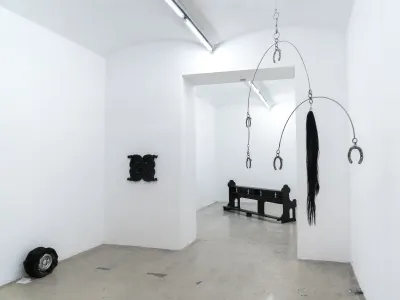
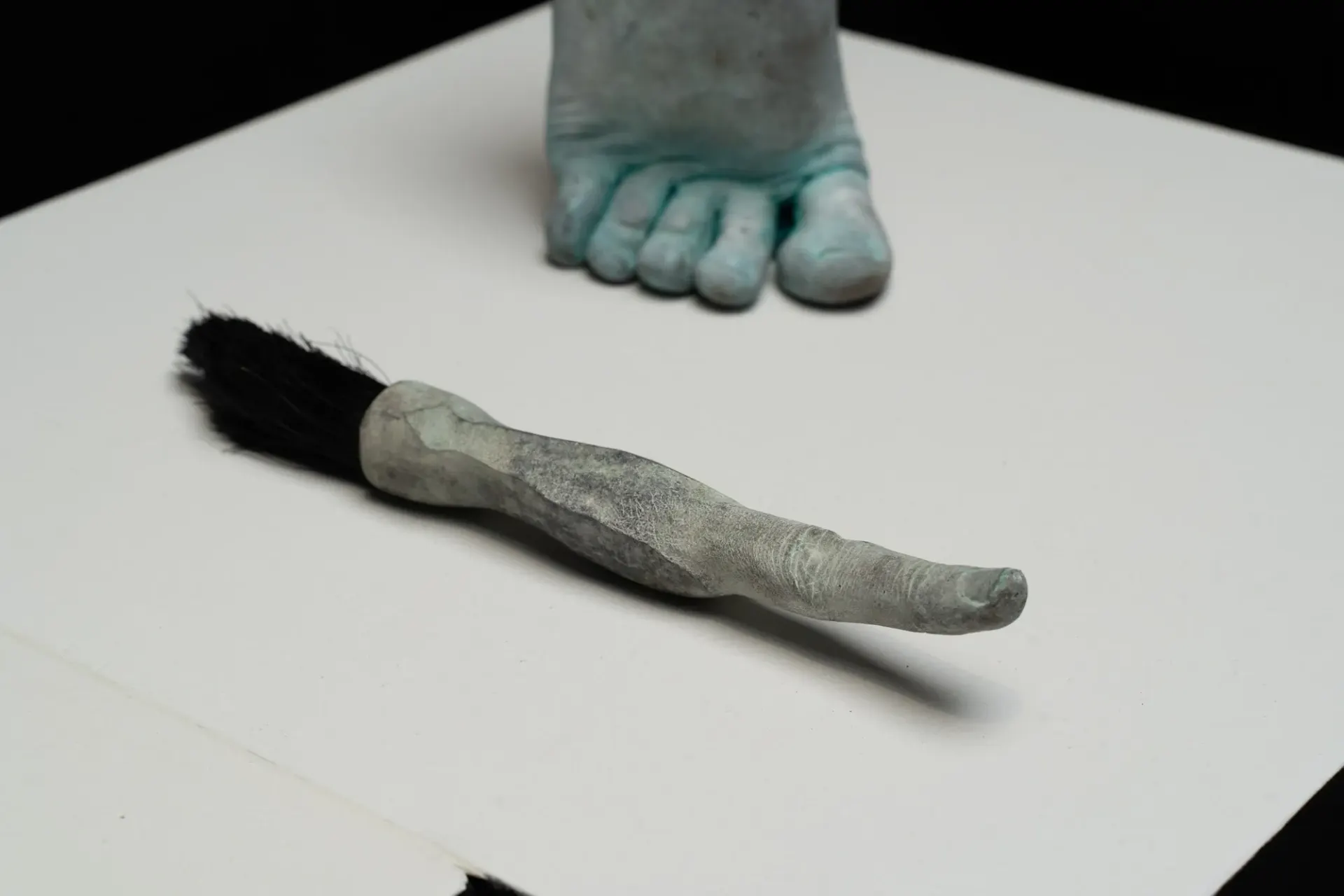
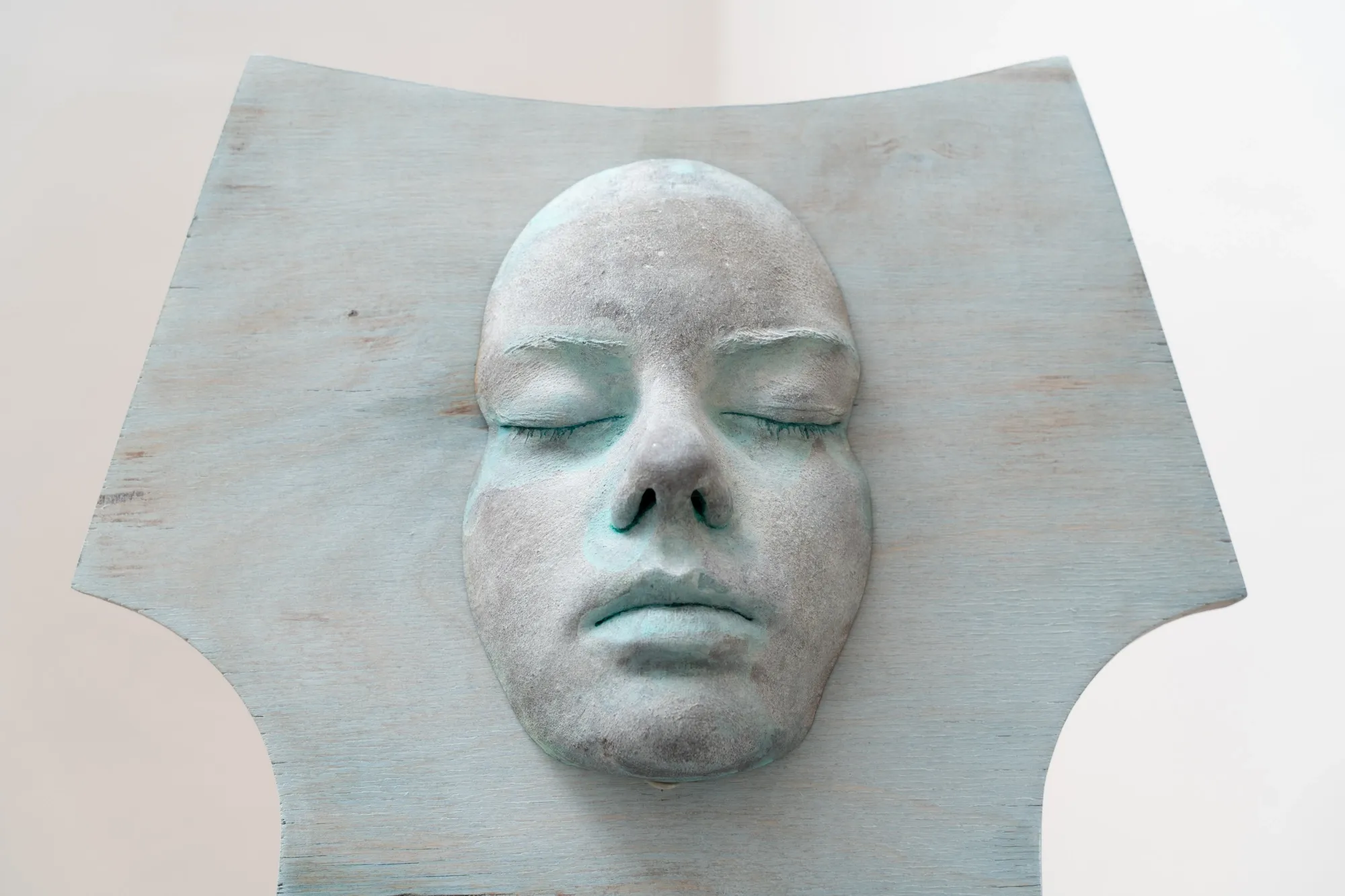
Ała Wierzbicka's contribution consists of bronze casts of body parts, made as quasi-functional relics.
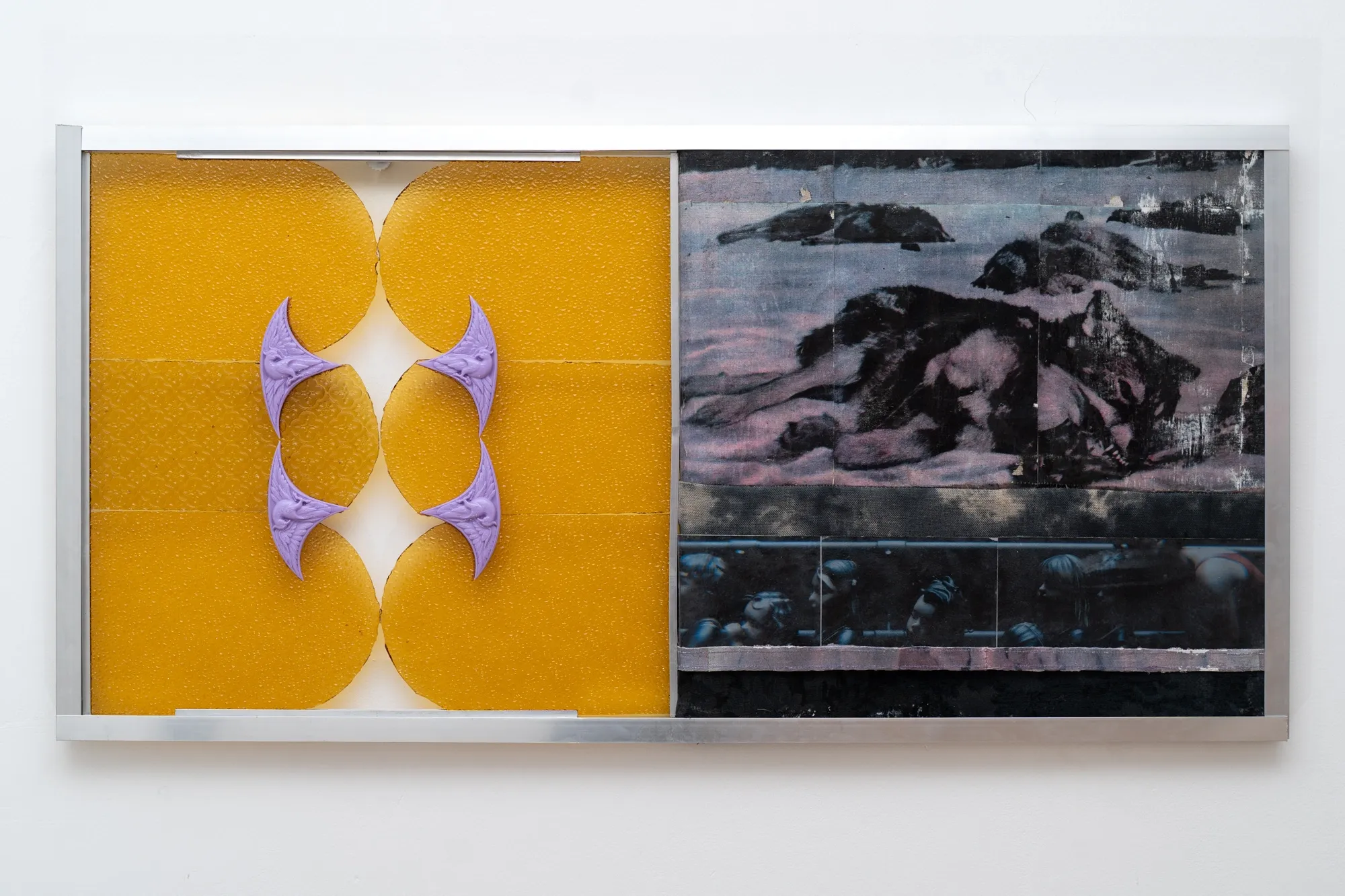
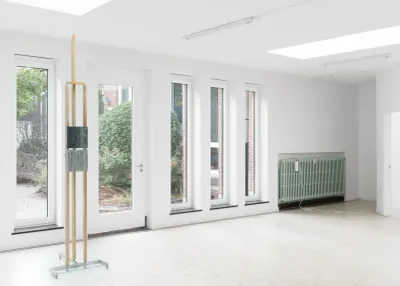
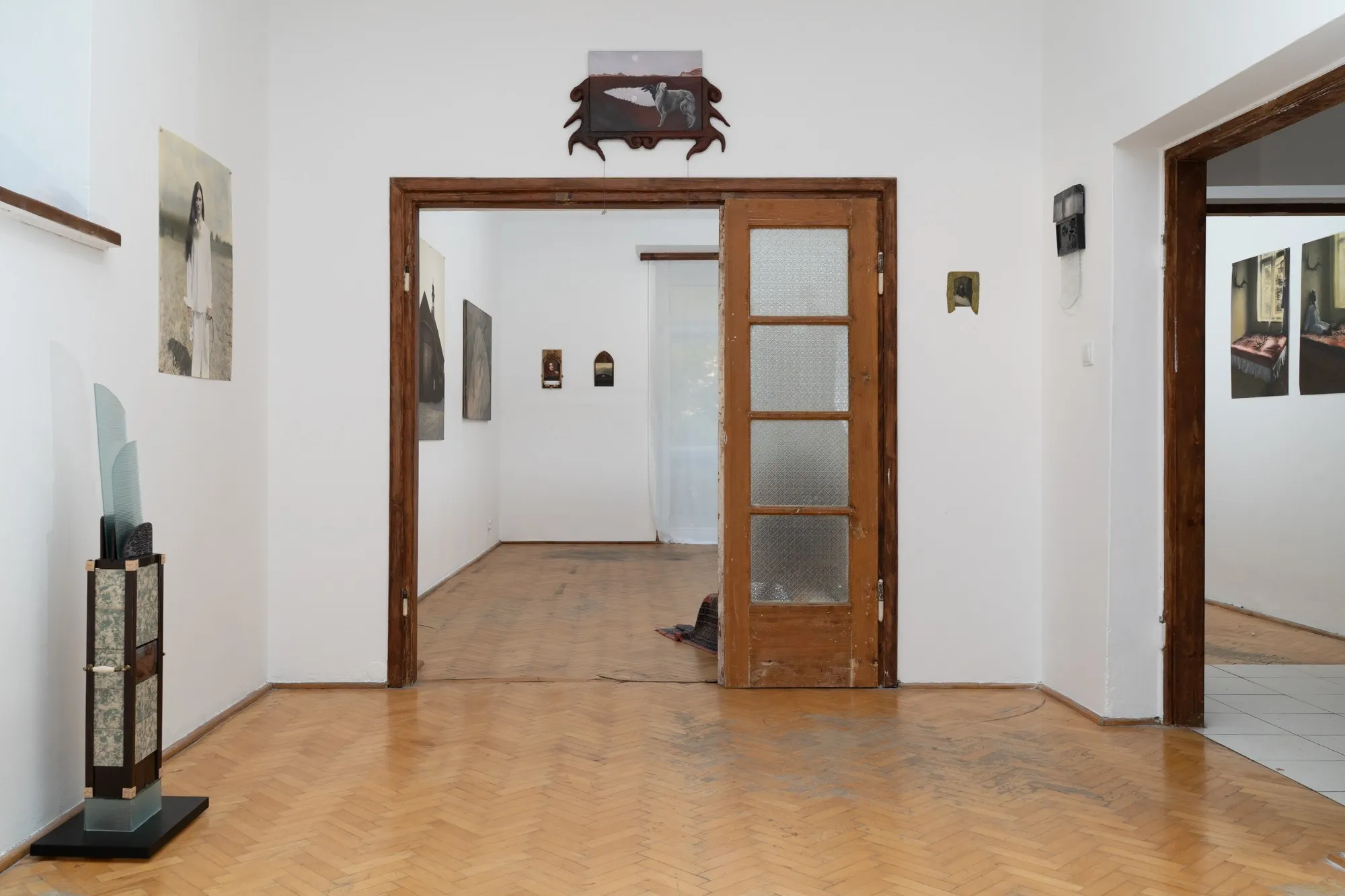
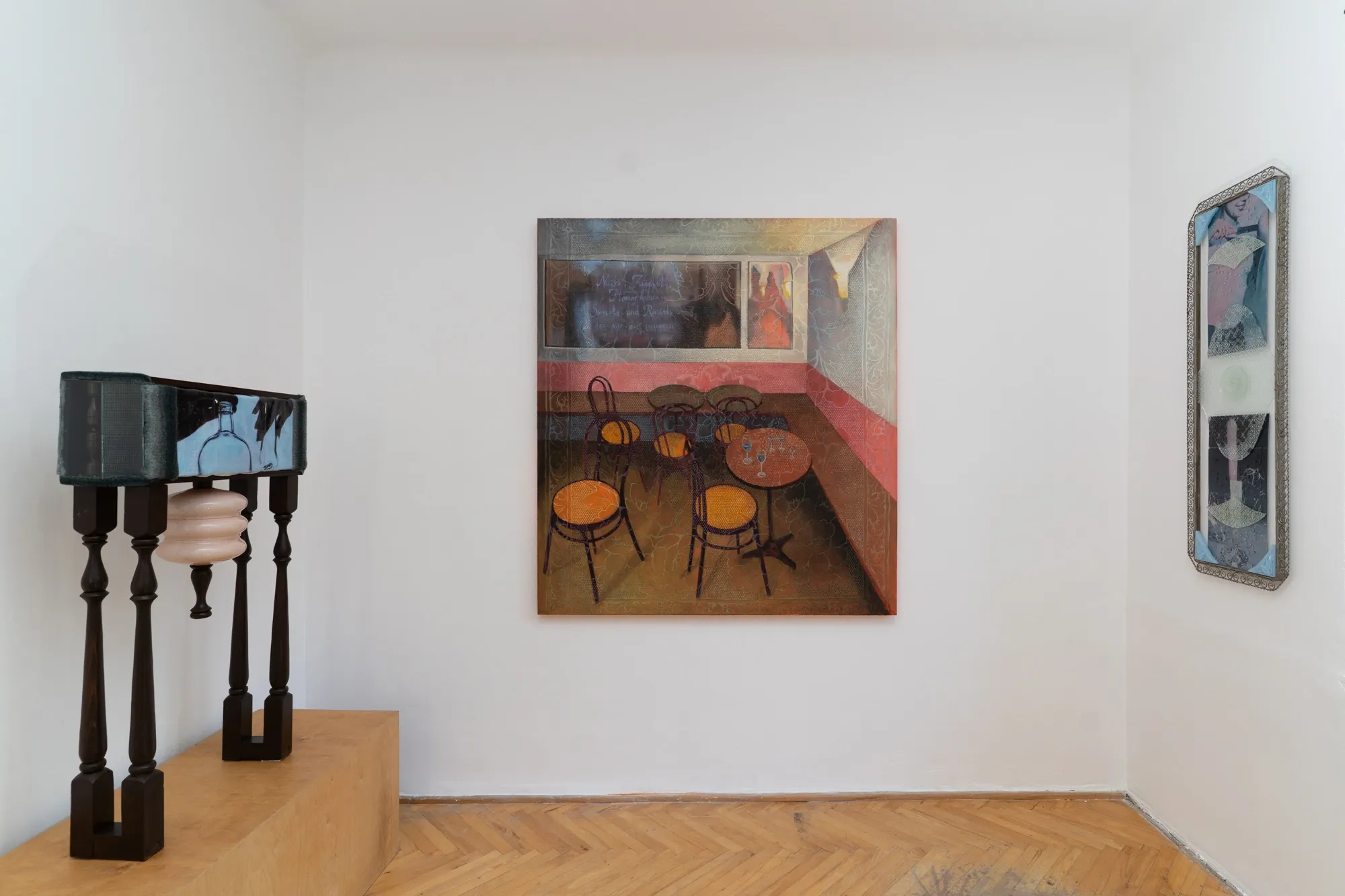
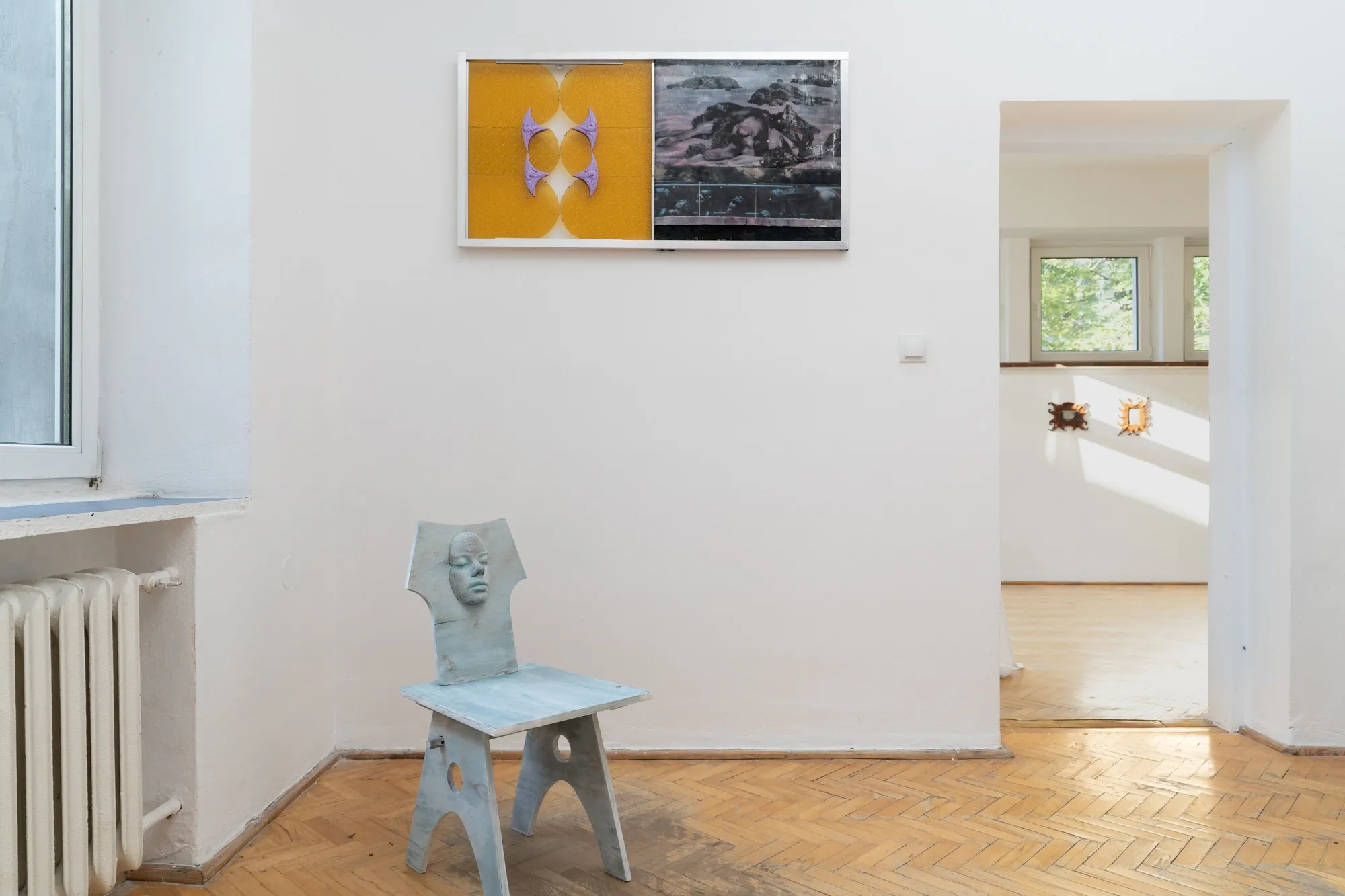
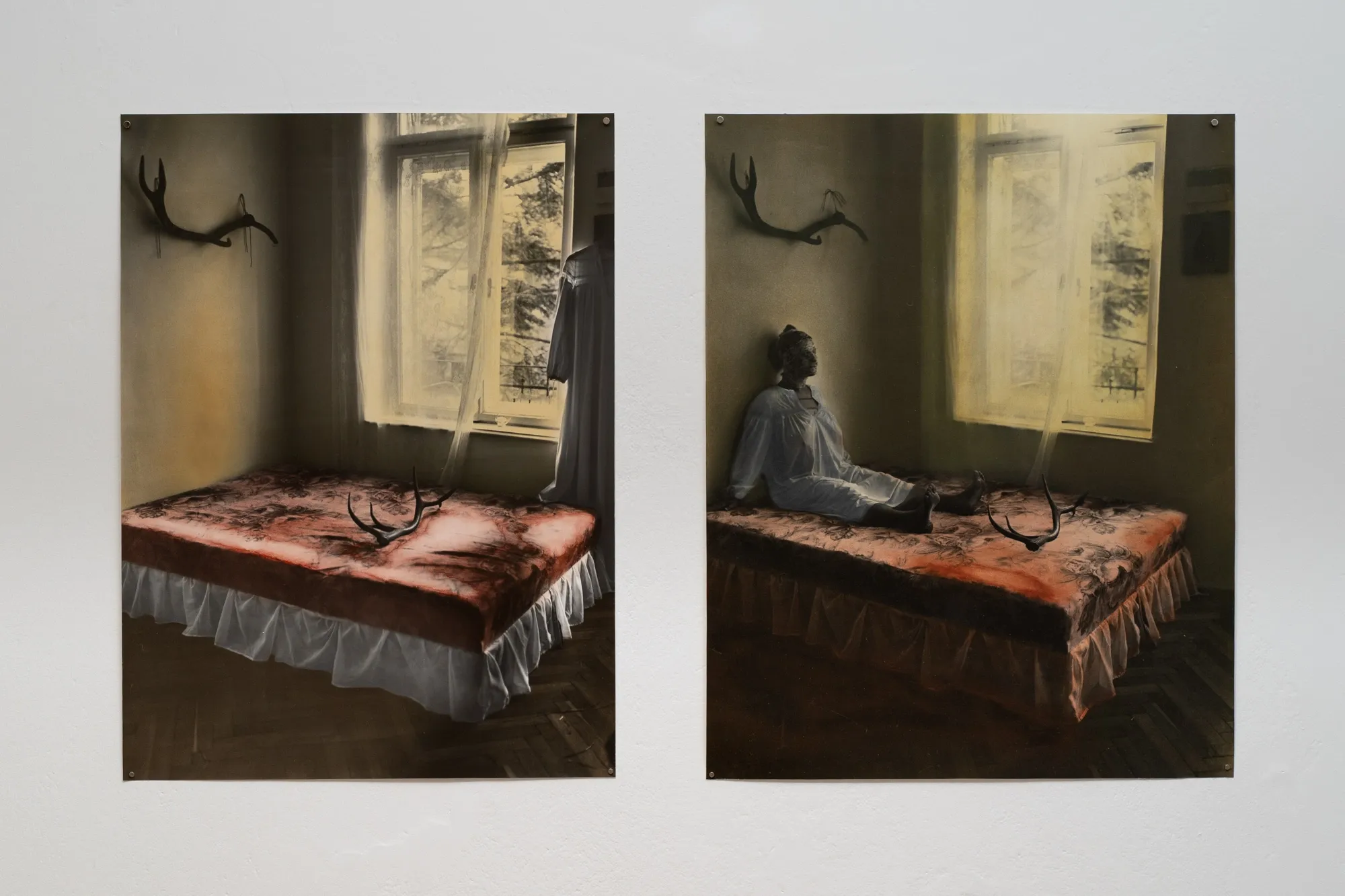
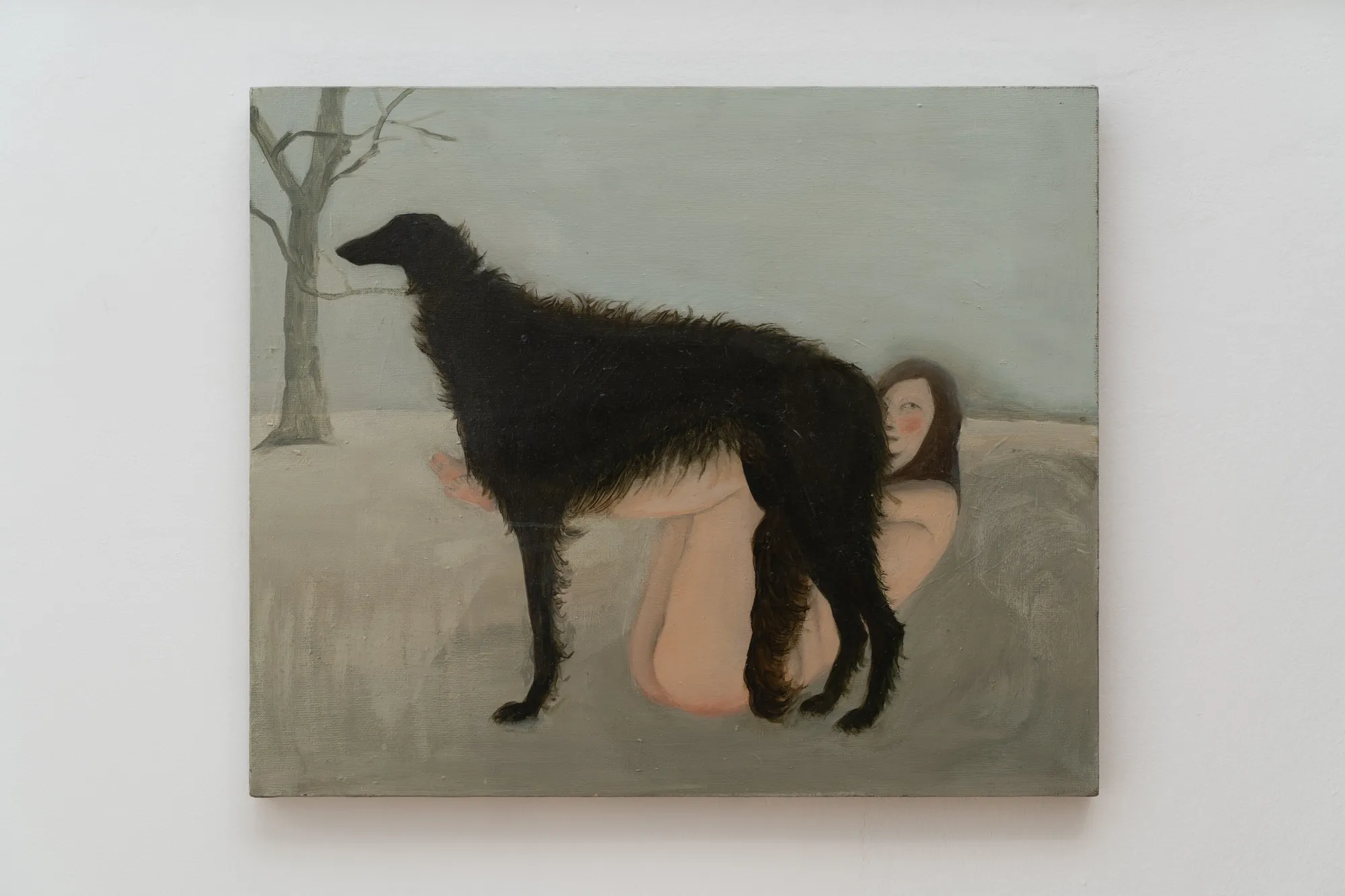
Cyprian Szablak builds fragile glass structures from found objects and industrial forms, Paulina Gutkowska shows photographs and paintings, and Amelia Woroszył shows sculptural canvases and oil paintings on aluminium.
Below, the exhibition text sets out how these four practices meet.
Curatorial Exhibition Text by Marianna Łomża
The exhibition explores states in which the stable structure of everyday life becomes distorted and time loses its continuity.
It ceases to unfold linearly, becoming a raw material: dense, malleable and psychedelic.
The title, “The Orange and The Rope”, is drawn from Louis Aragon's "Paris Peasant" (1926), in which the surrealist writes of an imagination that brings seemingly incompatible elements together.
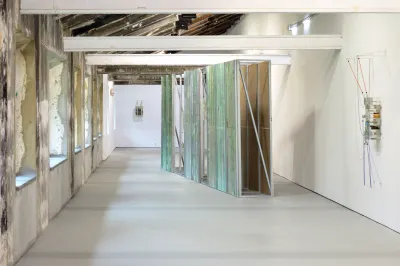
Similarly, throughout the exhibition, media, bodies, images and objects undergo shifts, entering into new, unexpected relationships. The surreal does not exist outside reality here, but emerges from within it.
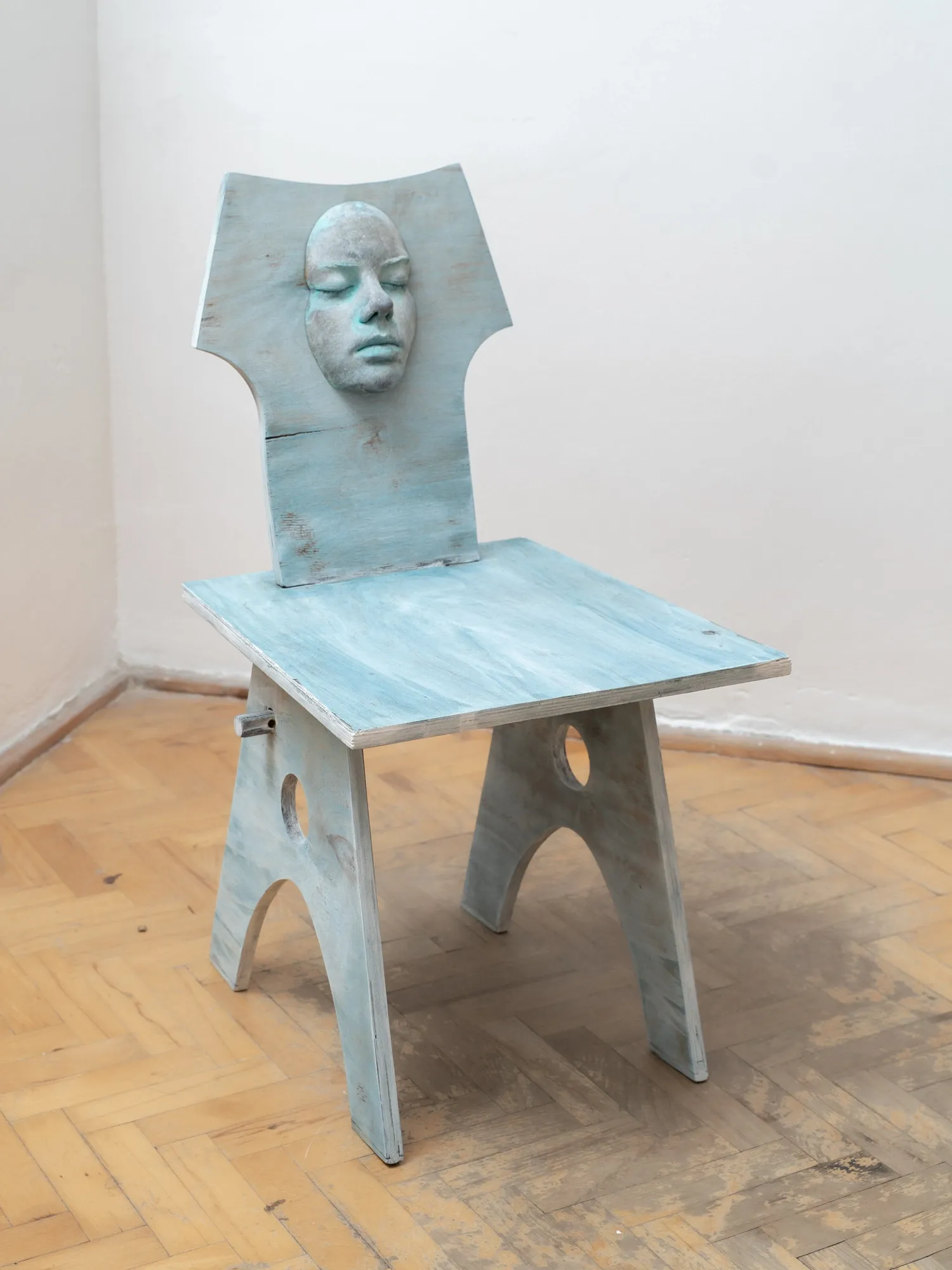
Ała Wierzbicka subjects parts of her own body to processes of transformation, casting them in bronze as quasi-functional relics. She draws on the material's spiritual and physical properties, as well as a sense of presence and estrangement.
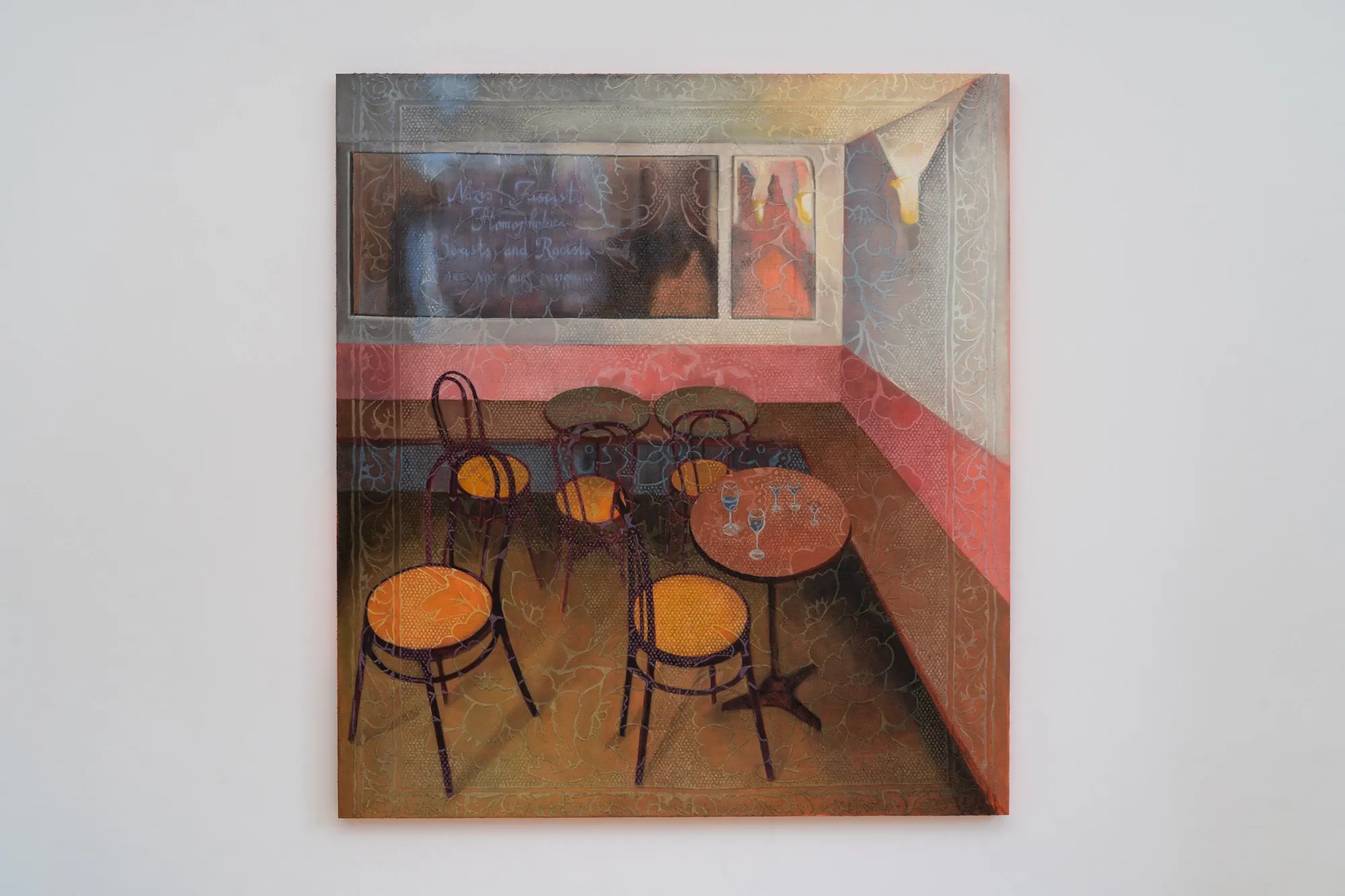
A sense of disintegration recurs in the work of Paulina Gutkowska, whose photographic series addresses the transience of existence, coming to terms with death and domestic rituals.
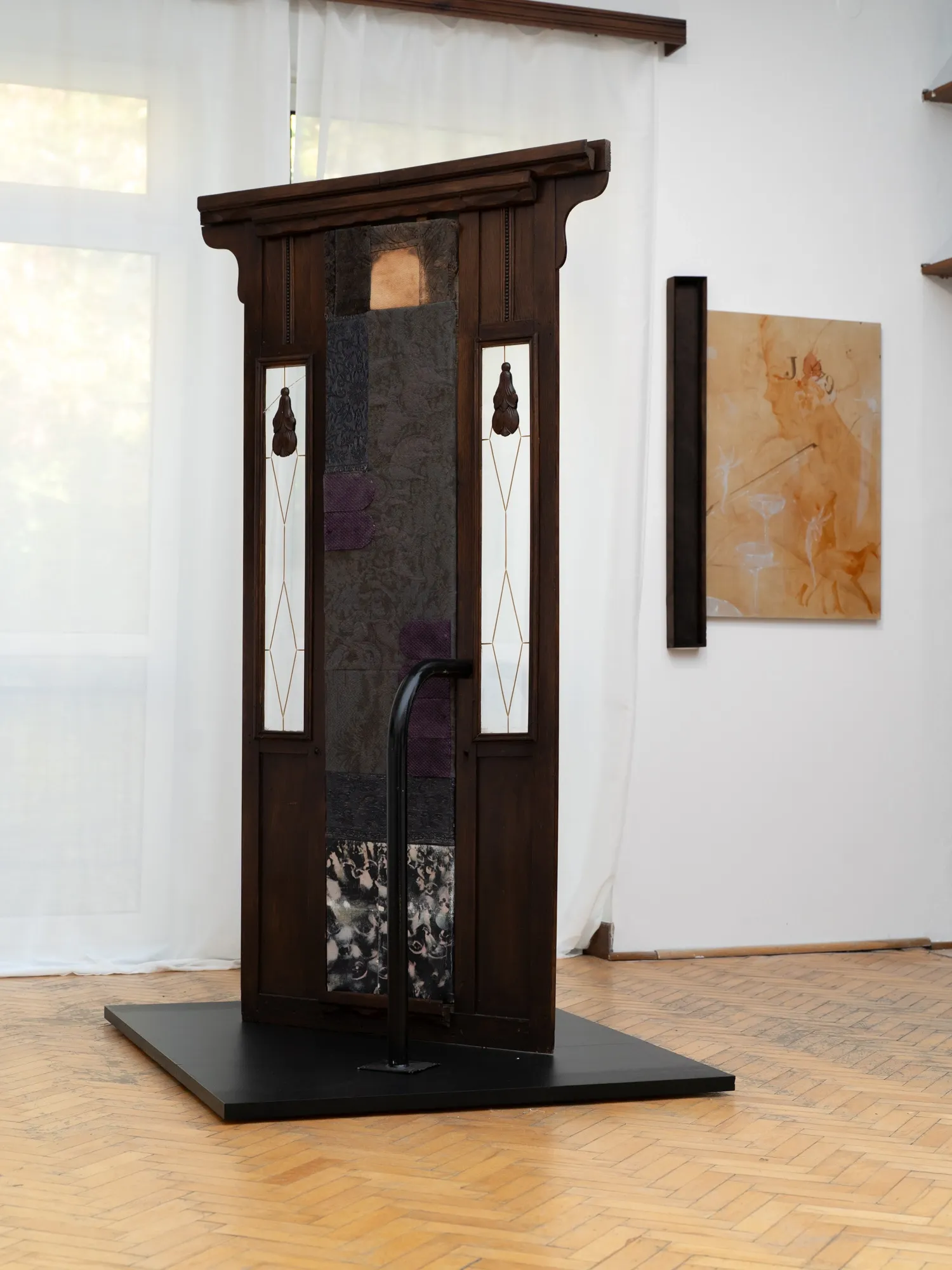
In her recent, surreal and unsettling paintings, fractal patterns have begun to appear, disrupting the surface. Cyprian Szablak, meanwhile, gives material form to the painful anatomy of addiction and subjugation: fragile glass structures, found objects and industrial forms embody silence, (co)dependency and a closed loop of compulsion.
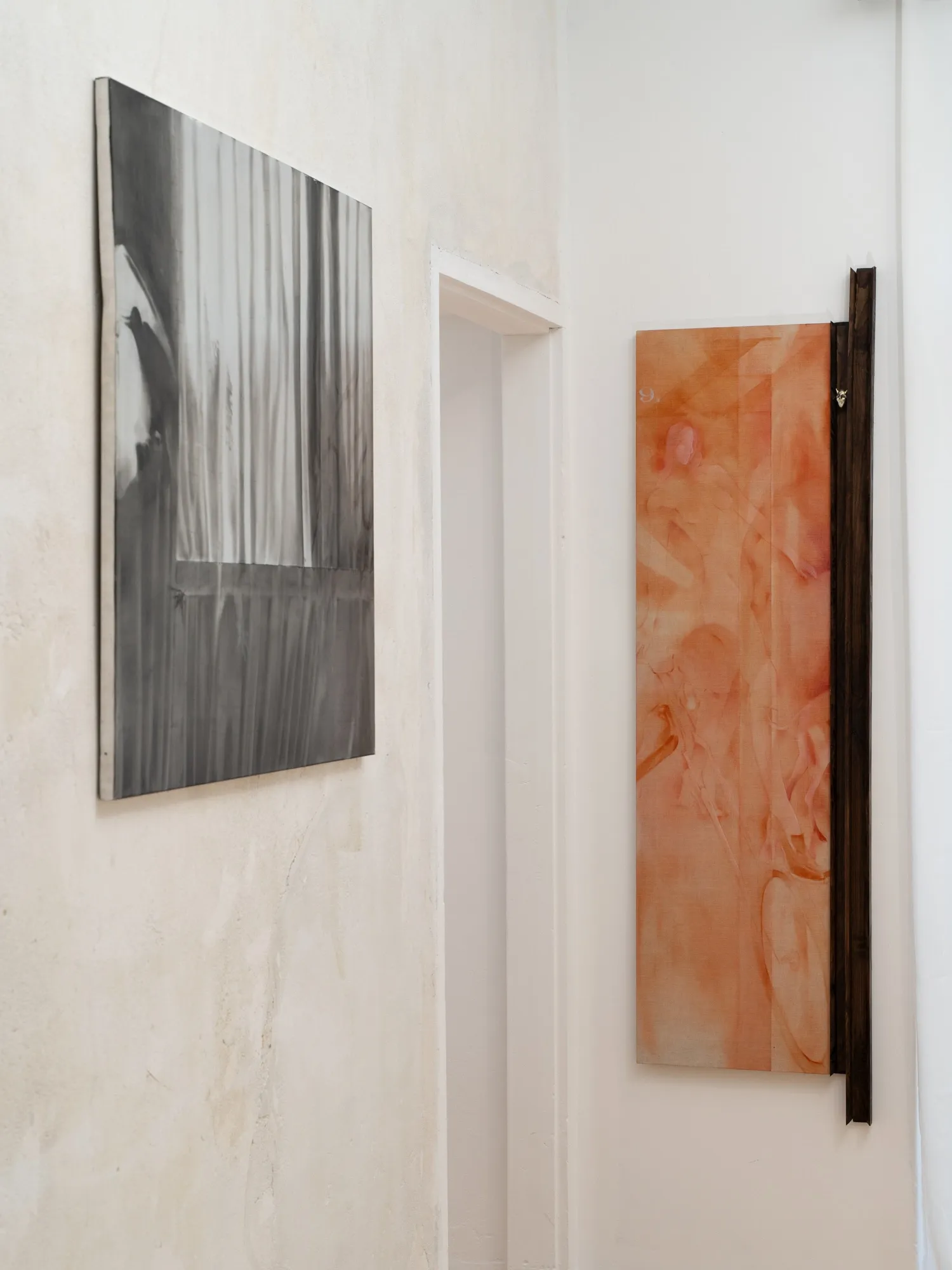
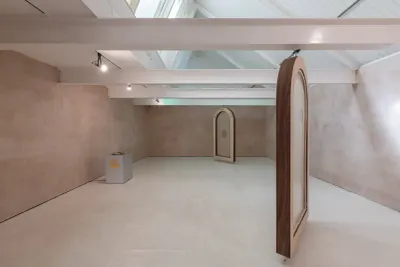
Amelia Woroszył's sculptural canvases and oil paintings on aluminium move between waking life and dreams. She draws out the anxieties concealed beneath an apparent nonchalance and decorativeness, completing the exhibition's delirious circuit.
Curated by Marianna Łomża
Paulina Gutkowska shows a photographic series on the transience of existence, death and domestic rituals, alongside recent paintings in which fractal patterns disrupt the surface.
Cyprian Szablak is a visual artist based in Warsaw who builds fragile glass structures from found objects and industrial forms.
Ała Wierzbicka casts parts of the body in bronze as quasi-functional relics and also works as a set and costume designer.
Marianna Łomża is an independent art curator and curated The Orange and The Rope at MISE EN.
MISE EN is a gallery at ul. Niekłańska 34/4 in Warsaw and the author of the exhibition text above.
About Catapult Contemporary
This is an exhibition review published by Catapult Contemporary, an independent editorial platform for contemporary art, based in Vienna. We publish exhibition reviews, artist features, interviews, and critical context, with a focus on emerging and mid-career practices from Europe and beyond.
catapult-platform.art ·
Instagram
Want to be featured? Submit your work →